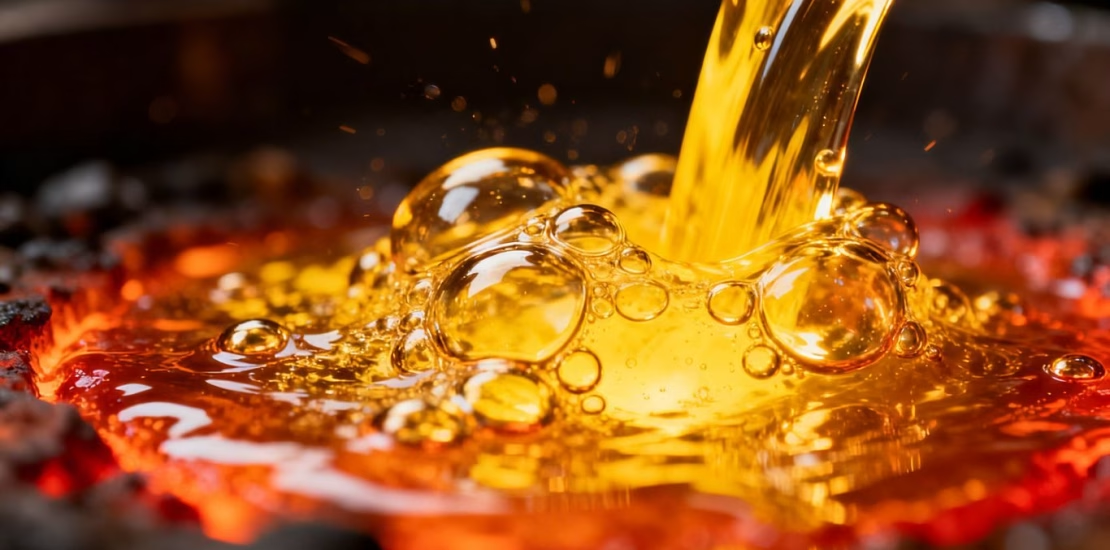
You might be wondering at what temperature gold changes from a solid to a liquid state. It's an interesting question, especially if you're interested in this precious metal. Well, the melting point of gold is a fairly precise value and is important in various applications. Let's take a closer look at it together.
Key Takeaways
- The melting point of pure gold is 1064,18°C. This is the temperature at which it becomes liquid.
- This property is important for working with gold, whether for making jewelry, ingots, or even for industrial uses.
- Gold is a very malleable and ductile metal, meaning it can be easily shaped both when molten and when solid.
Understanding the melting point of gold
So, you might be wondering at what temperature gold transforms from solid to liquid, right? It's a seemingly simple question, but one that opens the door to understanding many properties of this precious metal.
The melting temperature of gold
Pure gold, the kind found in its most basic form, has a very specific melting point. It's important to know that to melt gold, a certain temperature must be reached. 1064,18 degrees CelsiusThat's quite high, don't you think? To give you an idea, it's much hotter than the boiling point of water (100°C) or even the average temperature of a domestic oven.
Here is a small comparison table to help you visualize:
| Substance | Melting point (°C) |
|---|---|
| Pure gold | 1064,18 |
| Pure silver | 961,8 |
| Pure copper | 1084,6 |
| Iron | 1538 |
This figure of 1064,18°C is a fundamental piece of data for all those who work with gold, whether for jewelry, foundry work or even in certain industrial fields.
It's worth noting that the melting point of gold can vary slightly depending on its purity. The more impurities there are, the lower the melting point can be. This is why professionals often refer to 24-karat gold when mentioning this temperature.
Physical properties of pure gold
Pure gold is something of a champion of malleability and ductility in the world of metals. Imagine: with just one ounce of gold (about 31 grams), you could theoretically draw a wire long enough to circle the Earth several times! This is also why it's so easy to transform it into ultra-thin gold leaf, the kind sometimes used to coat objects or buildings.
Some key characteristics of pure gold:
- Color: A brilliant metallic yellow, especially when polished.
- Density: It is quite heavy, about 19,3 times denser than water.
- Conductivity : It is an excellent conductor of electricity and heat, although it is slightly less efficient than silver or copper.
- Reactivity : It is very stable and hardly reacts with air or water, which explains why it does not tarnish and retains its shine over time. It is considered a "noble" metal.
Its crystalline structure, called face-centered cubic, largely explains its ability to deform without breaking. It is this combination of properties that makes gold so unique and precious, far beyond its mere monetary value.
Applications and processes related to gold smelting
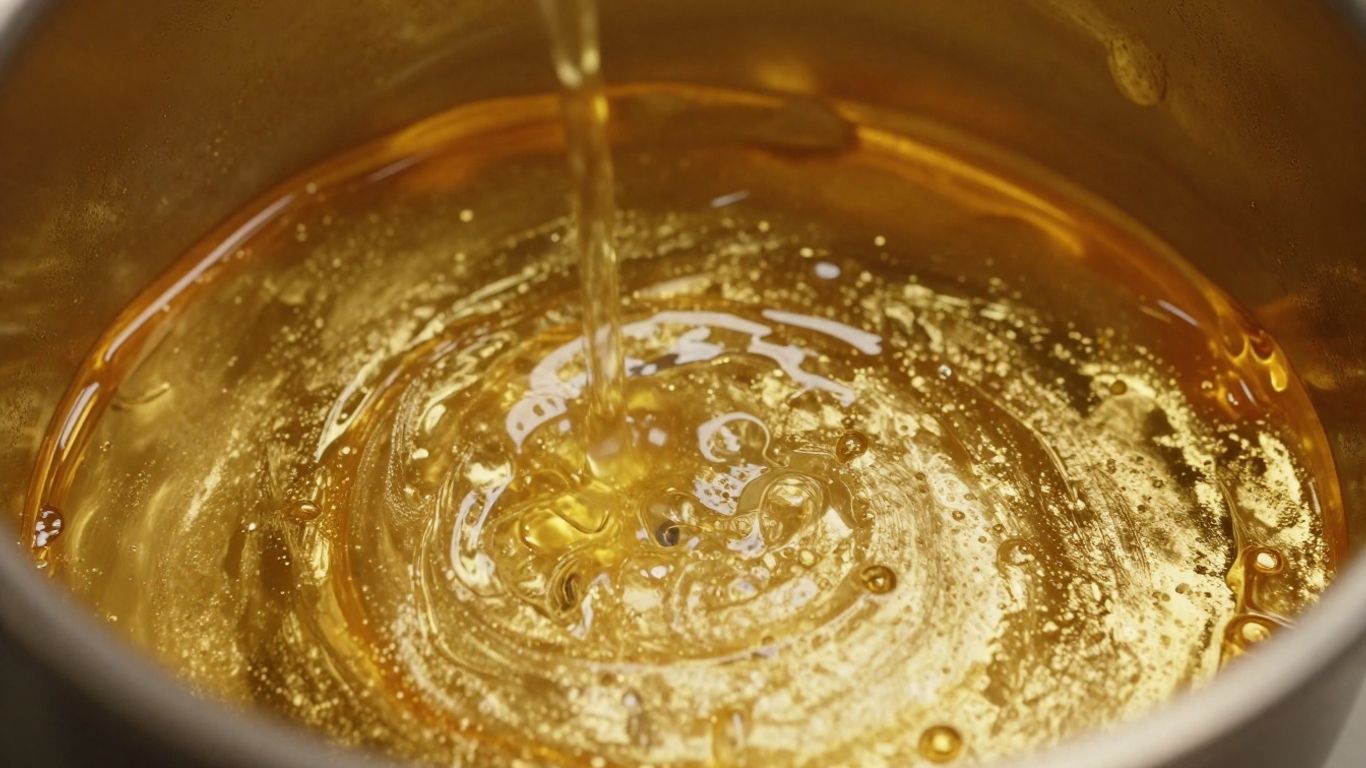
Once you understand the melting point of gold, it's interesting to see how this property is used in everyday life and in industry. Gold's ability to melt and be reshaped is fundamental to many applications.
Uses of molten gold
Melted gold is not just a step in the creation of ingots; it opens the door to a multitude of uses. You will find it in everyday objects, cutting-edge technologies, and even in art.
- Jewelry making: This is probably its most well-known use. Liquid gold allows the metal to be poured into complex molds to create rings, necklaces, bracelets, and much more. This is how we obtain the detailed shapes we see everywhere.
- Alloy creation: To obtain different colors and properties (such as greater hardness), pure gold is often mixed with other metals like copper or silver. Melting allows these elements to be mixed homogeneously.
- Electronics: Thanks to its excellent conductivity and corrosion resistance, molten gold is used to make connectors and contacts in electronic devices. Think of the connectors on your motherboards or cables.
- Medicine and dentistry: Gold alloys, obtained by melting, are used for medical applications, particularly in dentistry for crowns or bridges, thanks to their biocompatibility and durability.
- Arts and crafts: Artists use molten gold to create unique sculptures or decorative elements, taking advantage of its brilliance and malleability.
Gold, once melted, becomes an incredibly versatile medium. Its ability to be precisely shaped makes it indispensable in fields ranging from fine jewelry to cutting-edge technology, thus proving its importance far beyond its mere monetary value.
Methods of manufacturing gold ingots
Transforming raw or recycled gold into standardized ingots is a process that requires precision and control. There are two main methods for achieving this:
- Molding : This is the oldest method. The gold is first melted, then the liquid metal is poured into pre-formed molds. Once cooled, the ingot takes the shape of the mold. This technique can give the ingot a slightly rougher appearance.
- Stamping: Here, we start with sheets of pure gold which are then cut and compressed under very high pressure. This method produces ingots with very clean finishes and a smoother, more homogeneous appearance. It is often the preferred method for high-purity ingots intended for investment.
Regardless of the method, the goal is to obtain a gold bar of very high purity, often 999,9‰ (99,99% pure gold), and conforming to international standards such as those of the LBMA (London Bullion Market Association). Each bar is then generally sealed, numbered, and accompanied by a certificate of authenticity to guarantee its quality and traceability.
La gold meltingIt's a bit like melting precious metal to give it a new form. Heat is used to transform solid gold into liquid, allowing it to be purified or mixed with other metals to create alloys. This is an important step in making jewelry or investment pieces. Want to learn more about the different ways to work with gold? Visit our website to discover all our resources!
In summary, the melting point of gold
So, now you know that gold melts at 1064,18°C. It's not a temperature you encounter every day, but it's an interesting fact when you're interested in this precious metal. Whether for jewelry making, industrial applications, or investment, this physical property is important. Gold, with its unique color and resistance to corrosion, continues to fascinate and find its place in our world, far beyond its simple monetary value.
Frequently Asked Questions
At what temperature does gold become liquid?
Gold melts at a very high temperature, specifically 1064,18 degrees Celsius. It is at this moment that it changes from a solid to a liquid state, ready to be worked.
Why is gold so precious and sought after?
Gold is considered precious because it is rare, does not tarnish, and has been used for millennia as a symbol of wealth and power. Its natural beauty and resistance to time make it a unique metal, often used for jewelry, investments, and even in certain technologies.
How can you tell if a gold ingot is of good quality?
To be sure of the quality of a gold bar, you can check its certificate of authenticity. This document, issued by recognized refiners, guarantees its purity (often 999,9 parts per thousand) and its weight. High-quality bars are also generally sealed and numbered.