
Are you considering investing in gold, a metal that has stood the test of time as a symbol of wealth and security? It's a great way to diversify your assets, but beware: the path isn't without pitfalls. As with any investment, it's essential to understand the risks associated with investing in gold before you take the plunge. You may be surprised by price volatility, hidden costs, and even scams lurking in this market. So, prepare to discover the pitfalls to avoid to ensure your gold adventure is a success.
Key Points to Remember About the Risks of Investing in Gold
- The price of gold is unpredictable and can fall as quickly as it rises, influenced by many economic and geopolitical factors.
- Beyond the purchase price, consider transaction fees, secure storage, and the impact of taxes that can reduce your profitability.
- Be vigilant against counterfeiting and scams; always choose reliable and certified dealers when buying gold.
- Gold is often seen as a safe haven, but it is not an absolute guarantee against all crises and has its limits.
- Always diversify your investments; don't put all your capital into gold, even if it seems like a safe bet.
Unpredictable fluctuations in the price of gold
You're considering investing in gold. It's an idea that often comes to mind when times are a bit uncertain. But be careful, the price of gold isn't a straight line that goes up, far from it. You have to understand that its price can be a roller coaster ride, and that can hold some surprises for you.
Understanding Gold Market Volatility
Gold is a bit like the weather: it changes all the time. Its price can skyrocket one day and plummet the next. This is called volatility. If you buy gold and then its price drops 20%, it can hurt your wallet. So you have to be prepared for that and not put all your savings into it at once. That's why it's important to learn about volatility before you take the plunge.
Factors influencing gold prices
Several things can move the gold priceIt's a bit like a cooking recipe with lots of ingredients:
- The global economy: When the economy is in trouble, people tend to turn to gold, seeing it as a safe haven. As a result, its price rises.
- Interest rates: When interest rates are low, gold becomes more attractive. Why? Because it doesn't earn interest itself, so when other investments yield little, gold seems like a good investment.
- Geopolitical events: Wars, political crises, anything that creates uncertainty can drive up the price of gold. People are looking for security.
- Supply and demand : As with any commodity, if many people want to buy gold and there isn't much available, the price increases.
Risks of speculative bubble and crash
Gold, although often seen as a safe bet, is not immune to speculative bubbles. This means that its price can rise so high, just because everyone thinks it will continue to rise, that it becomes irrational. And when a bubble bursts, it often results in a complete collapse. For example, between 1980 and 2000, the price of gold fell by 70%, and again between 2010 and 2017, it also experienced a significant drop. It is therefore important to be aware that gold can also lose a lot of its value, sometimes quickly. It is therefore wise not to put all your money into it and to understand the gold market trends.
It's important to remember that no one has a crystal ball to predict the future of gold prices. Even experts have differing opinions. Be wary of those who promise you the earth; they're often trying to sell you something by playing on your emotions.
In short, if you want to invest in gold, be prepared for price fluctuations. It's a bit of a game when you're trying to make your money grow, but with gold, you have to be especially vigilant.
The Hidden Costs and Fees Associated with Gold
Investing in gold isn't just about buying bars or coins. There are a whole host of costs that you absolutely must take into account to avoid unpleasant surprises. It's a bit like when you buy a car: there's the listed price, but also the registration, insurance, maintenance, etc. With gold, it's the same; you have to look beyond the price of the metal.
Costs of buying and selling gold
When you buy gold, whether in physical form (bars, coins) or through financial products, there are almost always fees. These fees can vary greatly from one seller to another. Sometimes it's a percentage of the total amount, other times it's a fixed amount per transaction. Therefore, it's essential to compare offers. Keep in mind that these fees also apply to resale. They can eat into your profits, especially if you buy and sell frequently.
- Seller's commission: This is the most common, a percentage taken from each transaction.
- Spread: The difference between the purchase price and the sale price, which already includes a margin for the seller.
- Specific transaction fees: Some intermediaries may charge fees for account management or transaction confirmation.
Storage and security costs
If you own physical gold, you need to store it somewhere. Keeping it at home may seem simple, but the risk of theft is very real. For added security, many opt to rent a safe deposit box from a bank or a specialized company. These services have an annual cost that can vary. It's important to weigh the pros and cons carefully: peace of mind comes at a price.
- Bank safe rental: Expect to pay between €50 and several hundred euros per year depending on the size.
- Storage by specialist companies: Often more expensive, but may offer additional guarantees.
- Insurance: If you keep your gold at home, specific insurance for valuables is recommended, which represents an additional cost.
Impact of taxes and taxation
Gold taxation can be somewhat complex and depends on your situation and the country you're in. In France, for example, the purchase of investment gold is generally exempt from VAT. However, resale taxation is an important point to consider. You often have the choice between a flat-rate tax on precious metals or a tax on the actual capital gain. This choice can have a significant impact on the final amount you keep. It's therefore crucial to thoroughly research the tax rules in force before you start.
It's important not to underestimate these various costs. A good understanding of all the costs associated with gold will allow you to better plan your investment and avoid unpleasant surprises that could affect your profitability.
Risks of fraud and scams in the gold market
The gold market, while attractive, is not immune to unpleasant surprises. Let's be honest, there are quite a few people trying to profit from the enthusiasm surrounding this precious metal. It is therefore crucial to be vigilant and well informed to avoid falling into costly traps.
How to avoid counterfeiting and forgeries
The most common scams involve products that aren't what they claim to be. These include fake coins or counterfeit bars. Sometimes, fraudsters use materials like tungsten and plate it with a thin layer of gold to mimic the weight and density of real gold. It's pretty sophisticated, it must be said.
To protect yourself, always choose recognized and certified sellers. Look for professionals who are, for example, members of the LBMA (London Bullion Market Association) or who carry labels like RGE (Recognized Environmental Guarantor). These certifications are a good indicator of reliability.
Warning signs to watch for
There are several warning signs that should alert you. Offers that seem too good to be true are often suspect. If a seller promises you guaranteed returns or prices that are abnormally low compared to the official gold price, be wary. Cold calling or email marketing, especially if they're persistent, is also a point of vigilance.
It's also important to check the provenance and certificates that accompany your purchases. An ingot or coin should have a clear certificate of authenticity, with precise information on weight, purity, and manufacturer. The absence of these elements, or unclear certificates, is a warning sign.
Choosing a reliable and certified gold dealer
The key is to do your research. Before you whip out your credit card, take the time to check the seller's reputation. Check online reviews, ask for recommendations, and make sure the professional complies with current regulations. Don't hesitate to compare prices and fees offered by different sellers. Research the Gold prices depending on its quality is also an essential step before any transaction.
Investing in gold requires a thorough understanding of all associated costs. Careful analysis helps optimize your investment and avoid unpleasant surprises. It is therefore essential to research and compare the different options available before making a decision.
The notion of gold as a safe haven: myths and realities
We often hear that gold is the ultimate safe haven, especially when times are tough for the economy. It's true that gold has this reputation, and there are reasons for it. It has stood the test of time as a symbol of wealth and stability. But is it really as simple and safe as people say? We need to take a closer look.
Is gold really a safe investment in times of crisis?
The idea that gold is a safe haven is a bit of a popular belief. When there is uncertainty, whether economic or geopolitical, people tend to turn to gold. It's a bit like seeking shelter when it rains. Historically, we have seen the price of gold rise when other markets collapse. For example, during certain financial crises, gold has held up well, even increasing in value. This is because its value does not directly depend on the decisions of a company or government, as is the case with stocks or bonds. Gold is a physical, tangible asset. There is a constant demand for gold, whether for jewelry, industry, or as a reserve for central banks. This basic demand helps support its price, even when financial markets are in difficulty. However, let's be honest, gold is not an absolute guarantee against all crises. Its price can also be affected by factors such as speculation or massive sales by major players. It is not immune to fluctuations.
Comparing Gold's Performance with Other Assets
When you weigh gold against other types of investments, it's clear that it has its strengths and weaknesses. Stocks, for example, can offer higher returns, but they're also much more volatile. You can win big, but you can also lose a lot. Real estate is often seen as more stable, but it's harder to sell quickly if you need the money. Gold falls somewhere in between. It's generally more stable than stocks, but it doesn't generate regular income like rent or dividends. It's a bit like choosing between a fast sports car, a sturdy house, and a practical bicycle: each has its uses, but none is perfect for everything.
Here's a little preview:
| Active | Potential benefits | Drawbacks |
|---|---|---|
| Or | Safe haven, diversification, relative liquidity | No income, price may be volatile |
| Stocks | High return potential, growth | High risk, high volatility, requires analysis |
| Real Estate | Rental income, appreciation potential | Illiquid, maintenance costs, complex management |
The Limits of Gold as a Hedge Against Inflation
It's often said that gold protects against inflation, and that's often true, but there's a caveat. When inflation is moderate, gold tends to maintain its value, or even increase. It's as if your money retains its purchasing power. But be careful, in the event of hyperinflation, where prices literally soar, gold may not be enough to compensate for the loss in value of your currency. Furthermore, if a currency devalues sharply, the price of gold in that currency may appear to skyrocket, but that doesn't mean your investment is actually more profitable in terms of what you can buy. You should always look at the real value, not just the displayed figure. Gold is a good tool for diversifying your assets, but you shouldn't make it the sole pillar of your financial strategy. It's a bit like having insurance: it's nice to have it, but you hope you never have to use it. For a more comprehensive view, you can consult the information on buying physical gold.
Gold has a long history as a store of value, but it's important to understand that it's not immune to market fluctuations. Its performance can vary considerably depending on the economic environment and global events. Therefore, it's wise not to put all your eggs in one basket and to consider gold as part of a broader investment strategy.
Economic and geopolitical risks associated with gold
You may be wondering if gold is truly a safe haven, especially when the global economy is faltering or international tensions are rising. This is a good question, because the gold market, while often seen as a safe haven, is far from impervious to economic and geopolitical upheavals.
Impact of economic crises on the price of gold
When an economic crisis breaks out, we often instinctively turn to gold. It's true that in some cases, its price can soar, as many people seek to protect their money. But be careful, this isn't automatic. Sometimes, during very acute financial crises, when everyone needs cash quickly, people sell everything they can, including gold, to raise money. As a result, the price of gold can fall, even in the midst of a crisis. It's a bit like a chain reaction, and it's important to understand that gold is not immune to market panics. It's therefore important to stay informed about global economic trends to anticipate these reactions.
Inflation, currency devaluation and purchasing power
It's often said that gold protects against inflation. This is true, to a certain extent. If inflation is moderate, gold can indeed help preserve the value of your savings. But if we find ourselves in a situation of hyperinflation, where prices explode, gold alone may not be enough to compensate for the loss of purchasing power. Moreover, if a currency loses value (devaluation), the price of gold in that currency can increase. But be careful, this does not mean that your investment has actually increased in value in real terms. It's a little more complex than it seems.
Influence of geopolitical tensions on the gold market
Political events and international tensions have a direct influence on the price of gold. Generally, when there is uncertainty, conflict, or war, investors tend to seek refuge in gold, which drives up its price. This is the famous "safe haven" effect. However, it is very difficult to predict how a specific geopolitical event will impact the gold market. A distant war may have little effect, while a major political crisis in a major economic power can send prices soaring. Therefore, it is important to keep an eye on international news, as it can have a significant impact on your gold investment.
Differences between physical gold and paper gold
When you decide to invest in gold, a question quickly arises: is it better to opt for physical gold or so-called "paper" gold? It's a bit like choosing between having a tangible asset at home or a financial security that represents it. Each of these approaches has its advantages and disadvantages, and it's important to understand them before taking the plunge.
Advantages and disadvantages of each form of investment
Physical gold is the bars and coins you can literally hold in your hand. It's tangible, it's reassuring. You own it, it's yours. Paper gold, on the other hand, is more abstract. It can take the form of shares in mining companies, exchange-traded funds (ETFs) that track the price of gold, or even certificates. It's easier to manage, but you don't own the object itself.
- Physical gold:
- Advantage: A sense of security, a tangible asset, a safe haven in the event of a major crisis. No counterparty risk if you keep it at home.
- Disadvantages: Storage costs (safe, insurance), less liquid, potentially more complicated to resell quickly at the best price.
- Gold paper:
- Advantage: More liquid, easy to buy and sell, no worries about physical storage.
- Disadvantages: Management fees, counterparty risk (if the financial institution that issues the product goes bankrupt), less psychologically reassuring for some.
Physical gold is a bit like owning a house: it's yours, you can see it, touch it, but it requires maintenance and security. Paper gold is more like renting an apartment: it's convenient, but you're not the ultimate owner.
Liquidity and accessibility of different gold products
Liquidity is the ease with which you can convert your investment into cash. In this respect, paper gold often has an advantage. You can sell your ETF shares in a few clicks on a trading platform. For physical gold, it's a little different. You have to find a reliable buyer, negotiate the price, and it can take longer. Accessibility is also a notable difference. Buying paper gold, even on a small budget, is often possible. A few euros are enough to acquire a fraction of an ETF. For physical gold, you generally need a larger sum to buy bars or coins.
Safety of investments in physical gold versus derivatives
When talking about security, you have to think about the risks specific to each form. With physical gold, the main risk is theft. Therefore, you need to have a good security system in place, whether it's a personal safe or a specialized storage service. For paper gold, the risk is different: it's counterparty risk. If the company that manages your ETF or certificate goes bankrupt, you could lose some, or even all, of your investment. Diversifying your investments therefore remains a good strategy for limiting these risks.
Common Mistakes to Avoid When Investing in Gold
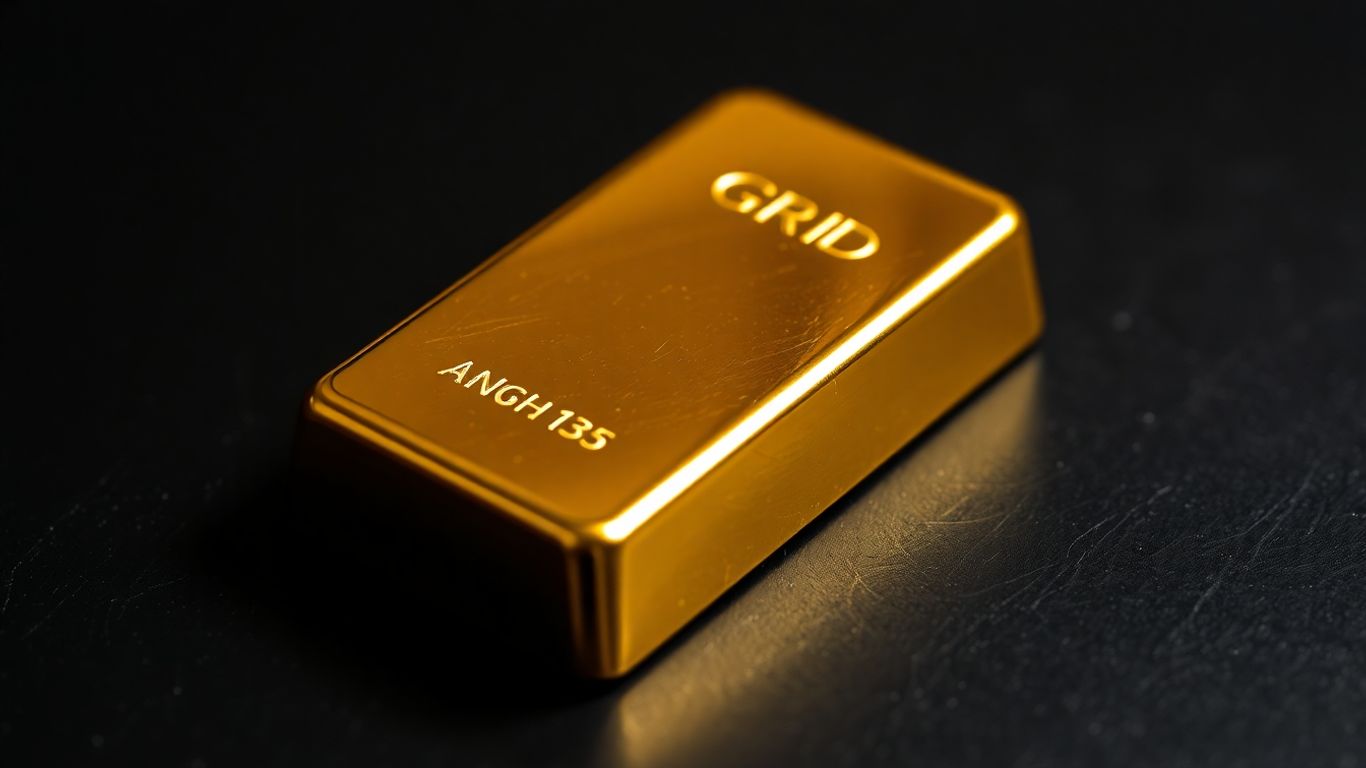
Investing in gold may seem simple, but many people fall into common pitfalls. To avoid making the same mistakes, here are a few points to keep in mind.
Not getting enough information
Before putting a single euro into gold, you really need to take the time to understand how it works. We're not talking about reading two articles quickly, but about delving into the subject a little. What are the things that make the price of gold go up or down? How do you actually buy gold, whether it's coins, bars, or even mining company shares? If you can't answer these questions, you're not ready. It's a bit like trying to cook a complicated dish without looking at the recipe: it rarely ends well. Seek expert advice, read analyses, and make sure you understand before you take the plunge.
Investing too quickly
We've all had that sudden urge to buy something, but with gold, you really need to calm down. The gold market is volatile, and rushing into things can lead to bad decisions. You need to take the time to analyze, compare offers, and define a clear strategy. It's not a race; it's more of a marathon. And above all, don't let yourself be influenced by the fear of missing out (FOMO). There will be others, trust me.
Betting everything on gold
It's a classic mistake to put all your eggs in one basket. While gold is often seen as a safe bet, it shouldn't be the sole pillar of your portfolio. Diversification is truly key. Spread your investments across different types of assets, such as stocks, bonds, or even real estate, to reduce risk. Imagine the price of gold plummets: if all your money is in that, you're in a tough spot. A well-diversified portfolio is like a sturdy boat that can weather different storms. Consider diversification to have a more balanced approach to your investments.
Investing in gold is good, but beware of the pitfalls! To avoid making mistakes, you need to know the mistakes to avoid. For example, buy gold without checking its purity can be expensive. It's also important to choose where you buy your gold carefully. To learn more and avoid bad deals, visit our website today!
So, should you really invest in gold?
So, you've covered the different aspects of investing in gold. It's clear that it's not a decision to be taken lightly. Gold can be a good way to put money aside for the future, especially when times are a bit uncertain. But be careful, it's not a magic wand either. There are fees, risks of seeing the price fluctuate, and you really have to be careful of scams. If you decide to take the plunge, take the time to do your research, compare offers, and don't put all your money in at once. Think of it as a small part of your assets, not the only thing that matters. It's a bit like choosing insurance: it's better to have it, but you hope you never have to actually use it.
Frequently Asked Questions
Why is gold considered a safe haven?
Gold is seen as a safe haven because it tends to maintain its value, or even increase, during times of economic uncertainty or crisis. Unlike currencies, which can lose value, gold is a physical asset that has always had recognized value throughout the world and through the ages. It's a bit like insurance for your money when things go wrong.
What are the main risks when investing in gold?
Investing in gold involves several risks. First, its price can fluctuate greatly, up or down, due to supply and demand or global events. Then, there are fees to pay, such as for buying, selling, or storing. You also have to be wary of scams, as there are fake bars and coins. Finally, gold doesn't earn any money in itself; it doesn't produce interest like a stock or bond.
Is physical gold safer than paper gold?
In general, physical gold (bars, coins) is often considered safer because you actually own it. Paper gold, such as shares in mining companies or financial funds, depends on the performance of those companies or the management of the funds, which adds risks. However, physical gold requires secure storage, which can be expensive and poses a risk of theft if you don't take the right precautions.
How to avoid getting scammed when buying gold?
To avoid scams, you must be very careful. Always buy your gold from reliable, reputable sellers who have certifications. Be wary of offers that seem too good to be true or sellers who pressure you into making a quick decision. Always ask for a certificate of authenticity and, if possible, have your purchase verified by an independent expert. Don't blindly trust everything you see on the internet.
Is gold really a hedge against inflation?
Gold is often seen as a hedge against inflation, as when prices rise, the value of gold tends to follow. However, this is not an absolute guarantee. If inflation is very high, gold may not be enough to compensate for the loss of purchasing power. Moreover, its price can be influenced by factors other than inflation, so you should remain vigilant and not put all your money into gold, thinking it will solve all your problems.
Is it a good idea to put all your money into gold?
No, putting all your money in gold is not a good idea. This is called not diversifying your portfolio. Even though gold is a safe haven, its price can fall. It's much wiser to spread your money across different types of investments, such as stocks, bonds, real estate, and even a little gold. This helps reduce risk: if one part of your investments loses value, the others can compensate.