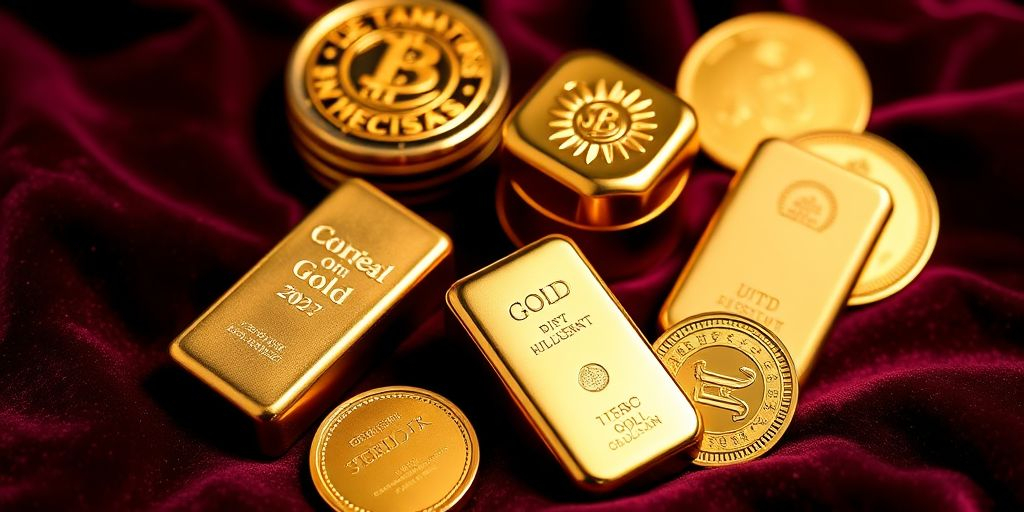
Investing in gold is a decision many individuals make to diversify their assets and protect themselves against economic uncertainty. Whether you choose bars or coins, each option has its own advantages and disadvantages. This article guides you through the different facets of investing in physical gold, helping you understand how to make the best choice based on your needs and goals.
Key points
- Gold is a safe haven asset, often used to protect against economic crises.
- Gold bars and gold coins have different characteristics, especially in terms of weight and purity.
- It is essential to check the authenticity of the gold before purchasing, ensuring the presence of certificates.
- The taxation of gold is advantageous, particularly the absence of VAT on purchase.
- Keep your gold in a secure place to prevent theft or loss.
Why Invest in Gold?
Gold is shiny and pretty, but why do we buy it as an investment? Well, there are several reasons, and they're pretty solid. Let's take a look at that together, without any hassle.
Gold, a Safe Haven and Countercyclical Asset
Gold is often considered a safe investmentBasically, when things are going badly, gold tends to do well. It's a bit like having an umbrella when it's raining cats and dogs in the financial markets. It's an asset that can help stabilize your portfolio when stocks are on a roller coaster.
Imagine the situation: economic crisis, stock markets are plummeting, real estate investments are struggling. In this context, gold can maintain its value, or even increase. It's what's called a countercyclical asset: it doesn't follow the same trends as other investments.
The Benefits of Physical Gold
Physical gold is gold you can touch: bars, coins... It's not just a number on a screen. And that changes everything.
- You really own it.
- No counterparty risk (if your bank goes bankrupt, your gold is still there).
- It is a tangible, concrete asset.
Physical gold is a bit like having a secret garden in your wallet. No one can take it away from you, and it can be a huge reward if you encounter a crisis.
Gold as a hedge against inflation
Inflation is that little beast that eats away at the purchasing power of your money. Your 10-euro bill today won't be worth the same in 10 years. Gold, on the other hand, tends to maintain its value, or even increase, when inflation rises. It's a way to protect your savings against this erosion.
| Year | Inflation (estimate) | Gold Price (estimate) |
|---|---|---|
| 2023 | 5.2% | + 10 % |
| 2024 | 2.5% | + 5 % |
| 2025 | 2.0% | + 3 % |
Basically, gold can act as a shield against the loss of value of your currency. It's not magic, but it can help you sleep soundly.
How to Buy Physical Gold?
So, you've decided to buy physical gold? Great! It can be a really interesting investment, especially in times of economic uncertainty. But how do you actually do it? Don't panic, we'll take a look together. There are several options, each with its own advantages and disadvantages. The most important thing is to do your research before taking the plunge.
Buy Gold Bars
Gold bars are a bit like loan of gold investment. It is pure gold, usually in the form of bars. They come in various sizes, ranging from a few grams to several kilos. The advantage is that you're buying gold at its closest market price. However, you'll need to budget for it, especially if you're aiming for large ingots. And then, you need to think about storage, because you don't just leave it lying around! Remember to compare prices from different sellers before making your decision.
Buy Gold Coins
Gold coins are another great option. They're often more affordable than bars, and easier to store and resell individually. Plus, some coins have numismatic value, which can increase their price. However, the premium (the difference between the price of the gold in the coin and its retail price) is often higher than for bars. There's a wide variety of coins, such as Napoleons, the Sovereigns, or the Krugerrands.
Buying and Selling Counters
Gold buying and selling counters are a bit like going to a jeweler, but for investment gold. You can buy bars or coins there, but also resell your gold if necessary. The advantage is that you have direct contact with a professional, who can advise you and answer your questions. However, prices can be a little higher than online, as the trader needs to earn a living. Make sure you choose a reputable counter that is transparent about its prices.
Before you start, take the time to compare prices, fees, and terms of sale from different sellers. Don't hesitate to ask questions and seek professional advice. And above all, don't forget to secure your gold once you've purchased it!
Bullion Bars vs. Coins: The Differences
So, ingot or coin? That's the million-dollar question! In reality, there's no single answer. It all depends on what you're looking for as an investor. Let's break it down together.
Weight and Purity
When we talk about purity, ingots are often the champions. They generally display very pure gold, often 99,99%. Coins, on the other hand, can have a slightly lower purity, as they are sometimes alloyed with other metals to make them more resistant to wear.
In terms of weight, ingots can vary enormously, ranging from a few grams to several kilograms. Coins, on the other hand, have more standardized weights, which can be convenient.
Ease of Sale
Gold coins have one distinct advantage: they're easier to resell in small quantities. If you need cash quickly, you can sell one or two coins without having to part with a large bar. It's a bit like having cold, hard cash.
Bullion, on the other hand, is more suitable if you are planning a long-term investment and do not need quick access to your money.
Purchase Costs
The purchase price is crucial. Generally, bars have a lower premium (the difference between the gold price and the selling price) than coins. This means you pay slightly less per gram of gold.
The premium on coins can be higher because it often includes manufacturing costs, distribution costs, and sometimes numismatic value (for collectible coins). So, if you're looking to minimize upfront costs, bullion can be an attractive option.
How do I store my coins or bars?
Okay, you've invested in gold, great! Now, don't waste the investment by leaving your gold coins hanging around haphazardly. Here are some tips for storing them properly, whether they're ingots or coins.
Storage Options
So, you have several options. The first is to keep them at home. But be careful, don't put them just anywhere! Otherwise, you can opt for more secure solutions.
- At home : Well hidden, but beware of risks (fire, burglary, etc.).
- Bank safe: A classic option, but it comes at a cost.
- Specialized storage services: Often offered by gold selling sites, with top-level security.
Home Security
If you choose to keep your gold at home, you really have to be smartForget the shoe box under the bed! Think of a discreet place, difficult to access, and above all, one that is fire-proof.
The idea is to make it as difficult as possible for thieves to break into the house. A sealed safe on the floor is already pretty good. But the most important thing is to never tell anyone. The fewer people who know, the better.
Professional Storage Services
If you're really worried about getting burglarized, or if you have a large amount of gold, professional storage services are a good option. They offer ultra-secure safes, with insurance in case of a problem. Of course, it comes at a cost, but it can be worth it to sleep easier. Be sure to check:
- The insurance offered
- The reputation of the service
- Storage costs
How to Know if the Ingots Are Real Gold?
It's a legitimate question! No one wants to get ripped off, especially when it comes to investing. So, how can you be sure that what you're buying is gold and not a yellow-painted brick?
Purity Check
The first thing to do is to check the purity gold. An investment bar must have a purity of at least 99,5%. How do we check this?
- Certificate of authenticity : This is the document that accompanies the ingot and guarantees its purity and weight. Keep it safe!
- Punches: Ingots are often hallmarked with indications of their purity and the name of the smelter. Check that these hallmarks are present and legible.
- Tests: There are simple tests, such as the magnet test (gold is not magnetic) or the density test. But it's best to consult a professional for a more in-depth test.
New vs. Used Ingots
A new ingot is a bit like a new car: it's never been used and is supposed to be immaculate. A used ingot, on the other hand, may have some marks or scratches. This doesn't mean it's fake, but it does require more vigilance.
- New ingots: They are usually sealed in protective packaging and accompanied by a certificate of authenticity. This is the ultimate in security.
- Used ingots: They may be a little cheaper, but you should check their condition and authenticity carefully. Don't hesitate to ask for additional tests.
Certificates of Authenticity
The certificate of authenticity is a bit like the ingot's identity card. This is the document that proves that the ingot is indeed gold and that it has the purity indicated.It must contain several pieces of information:
- The name of the founder
- The weight of the ingot
- The purity of gold
- A unique serial number
If you buy a bar without a certificate, be wary! It's a bit like buying a car without a registration document: it can hide problems. It's better to pay a little more and be sure you're buying real gold. To make your purchases safer, it's important to know how to spot a fake gold bar here.
In short, to be sure that your bars are indeed gold, check the purity, choose new bars with a certificate, and don't hesitate to call a professional if in doubt. Investing in gold is good, but investing safely is better!
Taxation of Gold Investment
So, let's talk about gold taxation. It's not always the most fun part, but it's super important to understand how it works so you don't get any nasty surprises. Basically, when you invest in gold, there are rules to know, especially when it comes to selling. Hang on, let's break it all down together!
VAT on Ingots or Coins
The good news is that when you buy, investment gold (bars and coins) is generally exempt from VAT. That's a start, right? It makes the investment a little more attractive from the start. No purchase tax—that's a good start!
Sales Tax
This is where it gets a little tricky. When you sell your gold, you have two options for taxation:
- The flat-rate tax on precious metals (TMP) : It's about 11% of the total sale price. It's simple, quick, but not always the most advantageous.
- Capital gains tax (CGT) Here, you're taxed on the profit you make. The rate is 36,2% (tax + social security contributions). But, and this is a big BUT, there's a 5% annual tax reduction starting from the third year of ownership. After 22 years, you're completely exempt! It's a long process, but it might be worth it if you plan to keep your gold for a long time.
Keep all your purchase receipts! This is extremely important if you want to benefit from capital gains tax. Without an invoice, the flat-rate tax applies, which is often less beneficial.
Advantageous Tax Regime
Gold's tax regime can be advantageous, especially if you're patient. The progressive capital gains tax deduction is definitely something to consider if you see gold as a long-term investment. Imagine, after 22 years, you sell your gold without paying taxes on the profits! It's a bit like winning the lottery, but more predictable.
In short, gold isn't just something your grandparents knew. When managed properly, it can be a smart investment, especially if you understand the tax rules. So, are you ready to get started?
How Are Ingots and Coins Appraised?
Valuing your gold bars and coins is a bit like having a used car appraised. There are several factors to consider when determining their value. Don't panic—we'll break it all down together!
Free Estimate
The good news is that many professionals offer a free estimate. It's the best way to get an idea of the value of what you own, without commitment. Don't hesitate to play the competition and consult several experts to compare their offers. That's how you get the best deals, right?
Evaluation Factors
Several factors come into play during the evaluation:
- The weight of gold: That's the basics. The more gold there is, the more it's worth. Logical, right?
- The puree: This refers to the percentage of pure gold in the bar or coin. A bar with 99,99% gold will be more valuable than one with a lower percentage.
- The price of gold: The price of gold fluctuates constantly in the financial markets. The estimate will therefore be based on the current price.
- The bonus: It is the difference between the selling price and the intrinsic value of gold. It depends on the rarity, condition, and demand for the coin or bar.
- Supply and demand : As with any product, if a lot of people want to buy it, the price goes up, and vice versa.
Valuation is a bit of a mix of science and art. You need to know the basics (weight, purity, price), but also consider more subjective factors like rarity and condition.
Importance of the State
Condition plays a crucial role, especially for coins. A coin in perfect condition, without scratches or wear, will have a higher value, especially if it's rare. For ingots, it's less critical, but a mint-condition ingot, with its certificate of authenticity, will always be more reassuring for a buyer. Imagine buying a new car with scratches all over it... meh, right?
| Factor | Impact on the estimate
Should You Clean Your Gold Coins?
So, should you polish your gold coins like you would silverware? The short answer: probably not. It's a bit like asking if you should repaint an old classic car—it might seem like a good idea, but it could do more harm than good. Let's see why.
Impact on Value
Cleaning your gold coins is a bit like erasing part of their history. patina, this thin layer that forms over time, is a sign of authenticity and can even add value to the coin. Cleaning it may make it less desirable to collectors. A cleaned coin is often considered less valuable than a coin in its original condition. It's a little counterintuitive, but that's how it is.
Cleaning Methods
If you're really tempted to clean your coins, avoid harsh chemicals or hard brushes right away. These methods can scratch the surface and permanently damage the coin. There are gentler methods, but even these carry risks.
Tips for Storage
Instead of thinking about cleaning, focus on preservation. Here are some simple tips:
- Handle your coins with cotton gloves to avoid leaving fingerprints.
- Store them in individual protective cases, such as plastic capsules or Mylar pouches.
- Avoid exposing them to humidity or extreme temperatures.
Basically, leave your coins alone. The less you touch them, the better. If you really want to admire them, do so through a protective case. Think of bullion gold as a long-term investment, and treat it with the respect it deserves. After all, it's gold, not tableware to be polished!
What Products (Ingots/Coins) Do You Offer?
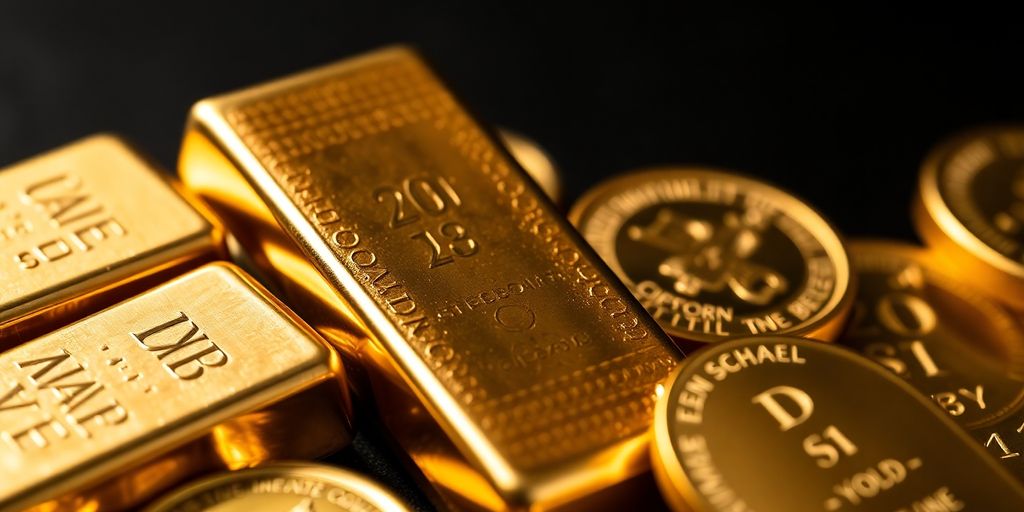
We have quite a few choices, whether in bars or coins. The idea is to be able to meet all needs, whether you're a small saver or a more substantial investor. We try to make investing in investment coins accessible to everyone.
Large selection of products
We truly offer a wide range of products. From small one-gram ingots, great for beginners, to one-kilo bars for those who want to think big. It's the same for coins; we have everything.
Different Types of Coins
For coins, we have classics like the 20 Francs Napoleon, very popular in France, or the 20 Swiss Francs, which is also very well-known. We also have more modern coins like the Krugerrand. The advantage of coins is that you can buy smaller amounts of gold and resell only a portion if necessary. It's more flexible than bullion.
- 20 Napoleon Francs
- 20 Swiss Francs
- Krugerrand
Ingots of different weights
For ingots, we have several weights available, ranging from 1 gram to 1 kilogram. Each ingot is certified, numbered and sealed, which guarantees its purity and authenticity. This is important, especially when talking about investment. The size of the ingot Which one you choose will depend on your budget and your goals.
The important thing is to do your research before buying, compare prices, and choose certified products. Don't hesitate to contact us if you have any questions—that's what we're here for!
How to Sell Bullion or Coins?
So, you have some gold and want to sell it? Don't panic—it's simpler than it looks! Here's a quick guide to help you get a clearer picture.
Sales Process
The first step is to find a trusted buyer. There are plenty of options: specialty counters, banks, or even certain online sites. The most important thing is to compare offers to get the best price.
Once you've chosen your buyer, the process is pretty simple:
- Estimate the value of your gold (bullion or coins).
- Presentation of the necessary documents (we will come back to this shortly).
- Acceptance of the offer and collection of payment.
Necessary Documents
To sell your gold, you will need some documents. Usually, an ID is sufficient. However, depending on the buyer and the value of the gold, you may be asked for proof of origin (purchase invoice, certificate of authenticity, etc.).
Where to Sell Your Gold?
Several options are available to you:
- Gold buying and selling counters: This is often the easiest and fastest way. They evaluate your gold on site and pay you directly.
- The banks : Some banks buy back gold, but not all do. Check with your bank.
- Online sites: Be careful, be very careful! Make sure the site is reliable and secure before sending your gold.
Don't forget that when you sell, the state levies a precious metals tax. This tax is directly deducted from the sale price, so you don't have to declare anything to your tax authorities. Pretty convenient, right?
Do You Buy Ingots Without an Assay Certificate?
Conditions of Purchase
So, can you buy ingots without a test certificate? The answer is yes, but with a few nuances. You can definitely buy ingots without this famous certificate, but you need to be aware of the implications. It's a bit like buying a used car without a service history: it's possible, but you need to be careful.
Importance of Certificate
The certificate, or assay report, is a bit like the ingot's identity card. It attests to its purity, weight, and origin. Without this document, it is more difficult to verify the authenticity of the ingot, and therefore, to make sure that we don't get ripped off. It's a bit like buying a designer bag without a receipt: we can have doubts about its authenticity.
Associated Risks
- Difficulty in reselling: Without a certificate, finding a buyer can be more complicated. Professionals are often reluctant to buy ingots without proof of their authenticity.
- Lower Price: An uncertified bar generally sells for less than a certified bar. This makes sense, since there is a higher risk associated with the purchase.
- Risk of counterfeiting: The risk of coming across a fake ingot is higher without a certificate. Therefore, you must be very vigilant and know the seller well.
Buying a bar without a certificate is a bit like playing Russian roulette. You can get a good deal, but you can also get ripped off. So, be aware of the risks and take precautions.
Does the Condition of the Coins Matter?
State Assessment
So, does the condition of your gold coins matter or not? Well, spoiler alert, yes, that counts for a lot! Imagine, you have two 20-franc Napoleon coins. One is perfect, shiny, almost like new. The other has seen some wear and tear: scratches, wear, in short, it's had its day. Guess which one is worth more?
Impact on Value
The condition of a gold coin directly influences its value. A coin in perfect condition, meaning no scratches, no excessive wear, and with all its details in sharp focus, will have a higher value., especially if it's rare. Why? Because collectors are willing to pay more for a well-preserved coin. It's like buying a classic car: the closer it is to its original condition, the more expensive it is. If you want to know more about the evolution of the value of historical gold coins here you will find useful information.
Tips for Collectors
If you are a collector, here are some tips:
- Handle your coins with care : Use cotton gloves to avoid leaving fingerprints.
- Store them in protective cases : there are special cases for coins that protect them from moisture and scratches.
- Avoid cleaning them : Unless you're an expert, cleaning can damage the coin and decrease its value. It's a bit counterintuitive, but that's how it is.
Always keep your coins in a dry and safe place. Humidity and temperature fluctuations can damage them. And above all, don't clean them with abrasive products! A simple soft cloth is enough to remove dust.
Basically, the condition of your gold coins is a bit like their identity card. The cleaner and clearer it is, the more valuable they are. So, take care of them!
Does coin condition really matter? Yes, it does! Coins in good condition can be worth much more than damaged ones. If you'd like to learn more about the importance of coin condition and how it can affect their value, visit our site to discover our tips and offers. Don't miss this chance to learn more!
In Summary
So there you have it, investing in gold, whether in the form of bars or coins, is a good idea to secure your savings. Both options have their advantages, but it really depends on what you prefer. Bars are easier to store a large amount of money, while coins can be a nice collectible. Don't forget to think carefully about where you're going to keep them, because gold attracts covetousness! Basically, make your choice according to your budget and your desires, and above all, have fun in this golden adventure!