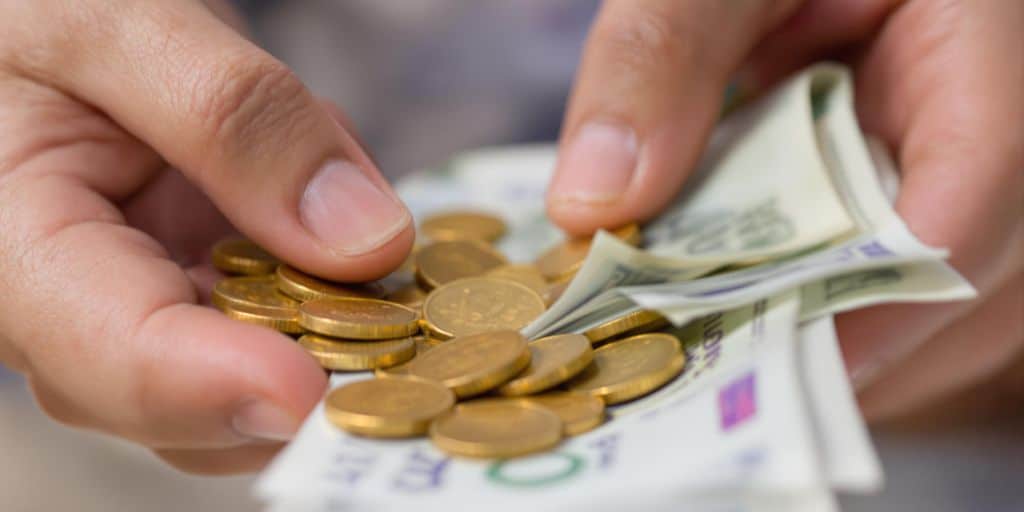
Wondering how a silver transaction works? It's a legitimate question when you're thinking about investing in or selling precious metals. It can seem complicated at first, with all the fuss about prices, purity, and deadlines. But once you understand the basic steps, it actually becomes clearer. Let's take a look at how it works so you're well informed.
Key Takeaways
- Understanding the price of silver, including the spot price and premiums, is essential for any transaction.
- Purity, weight and an identification number are important characteristics for silver bars and coins.
- The role of the notary is to secure the funds, often via a trust account, and to oversee the transaction.
- Payment times vary depending on the type of payment, with bank compensations that may affect speed.
- Finalizing the sale involves the seller receiving funds, verifying records, and confirming the change of ownership.
Understanding the Price of Gold and Silver
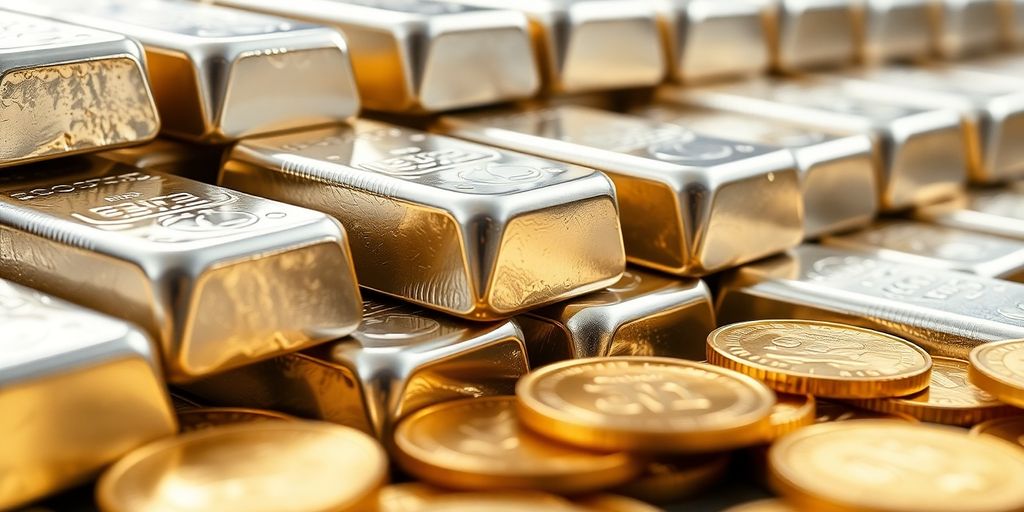
To fully understand how a silver transaction takes place, you must first understand the mechanisms that govern its course. It's not just a question of weight; there's a whole system behind it.
The spot price and global stock markets
The price of silver, like that of gold, is set on international markets. The "spot price" refers to the current price, the one at which the metal can be bought or sold immediately. Major financial centers such as London, New York, Zurich, and Hong Kong play a key role in setting this price. London, in particular, is often considered the global benchmark for physical precious metals. Quotes are generally quoted in troy ounces (approximately 31,1 grams) and in US dollars. There are also real-time quotes, available 24 hours a day, which provide a more accurate picture of fluctuations.
The concept of premium in the transaction
When you buy or sell physical silver, the price you get isn't always exactly the spot price. There's often a "premium" added. This is the difference, expressed as a percentage, between the market price (the spot price) and the price a seller is offering the product for, or the price a buyer is willing to pay. This premium can vary based on supply and demand. If a product is in high demand, its premium will be higher. It's a bit like the price of a collectible; there's intrinsic value and value added by demand.
Purity, weight and identification number
Several factors determine the value of a silver product. First, there's purity, also known as "grade." This indicates the percentage of silver contained in the metal. For investment bars, a purity of 99,99% is often targeted. Then there's weight, which is, of course, essential for calculating value. Weights are generally expressed in grams, kilograms, or troy ounces. Finally, each investment bar has a unique identification number. This number is used for product traceability, much like a serial number on a valuable object, and it is often mentioned on the certificate that accompanies the bar. Knowing how to sell your gold under these conditions is important for maximize profits.
The different gold quotations
When it comes to selling gold or silver, it's important to understand how prices are determined. There are several ways to track these prices, each of which has its own significance.
Fixing: a listing procedure
The fixing is a bit like an auction held twice a day, in the morning and in the afternoon, in London. Buyers and sellers, such as banks or investment funds, meet virtually to compare their offers and demands. If everyone doesn't agree on a price, they adjust it until it fits. This is how we arrive at a clear reference price for precious metals. The LBMA (London Bullion Market Association) organizes this for gold and silver. They set the price at 10:30 a.m. and 15:XNUMX p.m. GMT, excluding public holidays. It's a fairly centralized system that gives a good idea of supply and demand.
The course in real time 24/24
Alongside the fixing, there's also the real-time rate. This, as its name suggests, is available 24 hours a day, from Sunday evening to Friday evening. It reflects the transactions taking place on global markets at any given moment. This is useful if you want to keep a close eye on fluctuations, especially if you buy or sell frequently. This rate is usually expressed in troy ounces (approximately 24 grams) and in US dollars.
The LBMA, market benchmark
The LBMA is the benchmark organization for the physical precious metals market. Based in London, it brings together many major companies from around the world, such as banks and refineries. It sets high standards for refining and ensures that the gold and silver bars circulating on the professional market meet quality criteria. It's a kind of guarantor of trust in this market. Incidentally, for your information, no French foundry is currently a member of the LBMA, which means that French ingots are mainly traded in France.
The characteristics of investment coins
When it comes to investment coins, there are several things to consider to fully understand what you're buying or selling. It's not just an old coin; there are details that make all the difference.
The state of conservation of a piece
Condition is super important. A coin that's been well-kept, with no scratches or visible wear, will always be worth more. There are systems for grading this, like the Sheldon scale in the US, or simpler descriptions like 'very fine' or 'superb' here. Basically, the closer the coin is to its original condition, the better. We often look for 'splendid' or 'golden coin' coins for investment.
Diameter, weight and purity
These three are the technical basis. Diameter and weight give an idea of the size and raw material. But purity is the most interesting for investment. We often talk about purity in carats or thousandths. For example, a gold coin is often 90% pure gold, which corresponds to 22 carats. It is this quantity of fine gold that largely determines its intrinsic value. Know how invest in physical ounces of gold request to understand these characteristics well.
The year of minting and the number of coins
The year the coin was minted, called the year of mintage, can be important. Sometimes, some years are rarer than others. And when it comes to the number of coins produced, the mintage also plays a role. The fewer coins there are from a certain year, the more sought-after they can become among collectors, and therefore potentially more expensive. It's a bit like limited editions.
It's important to know that for a coin to be considered 'tradable,' it must be in very good condition and have an established price. This is what makes it attractive for pure investment, beyond collecting.
The role of the notary in a transaction
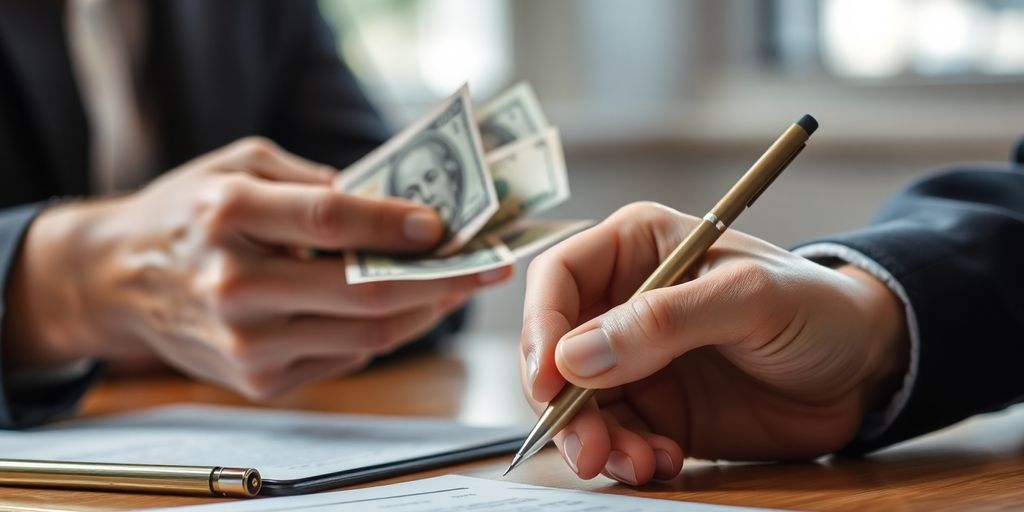
The notary plays a central role in securing any real estate transaction, including the sale of cash as an investment. They act as a trusted third party, ensuring that funds flow securely and transparently between the buyer and seller. This is a mandatory step in formalizing the transfer of ownership.
Securing funds through a trust account
To ensure the protection of the money exchanged, the notary uses a trust account. This is a bank account specifically dedicated to receiving and holding the funds from a transaction. The buyer's money is deposited there before the notary transfers it to the seller, once all conditions have been met. This avoids the risk of fraud or mismanagement of the funds. The notary acts as a gateway, ensuring that the money passes from one party to the other safely. The Chambre des notaires du Québec closely oversees these accounts, requiring annual audits by licensed accountants and conducting inspections if necessary.
Managing money
Beyond simple custody, the notary actively manages funds. They ensure that the total agreed amount is received, that any mortgages are properly repaid, and that the necessary fees and adjustments are deducted before paying the balance to the seller. They can also manage funds from abroad, ensuring the compliance of transfers. The amount of the notary's fees can vary depending on the complexity of the case, but generally includes their fees, disbursements, and applicable taxes.
Supervision by the Chamber of Notaries
The entire notarial profession is regulated by the Chamber of Notaries. The Chamber establishes ethical rules and ensures their compliance. In particular, it oversees the management of trust accounts, as mentioned above. This supervision guarantees a high level of professionalism and security for all parties involved in a transaction. The notary therefore guarantees the legality and security of the sale of investment silver.
Payment deadlines and terms
When selling silver, especially in the form of coins or bars, you have to think carefully about the timing and method of payment. It's not always as simple as you might think, and it can vary quite a bit.
The different types of payments
The money you receive can arrive in several ways. The most common is a bank transfer, whether it's a simple transfer or an electronic funds transfer (SEPA, for example). There's also a bank draft, which is a bit like a check but issued by a bank, so it's generally more secure. And then there's the good old check, whether certified or not. Each method has its own timeframe for the money to actually be available in the account.
- Electronic funds transfer (SEPA transfer) : This is often the fastest. Money is usually available within 1 to 2 business days.
- Bank draft : It takes 24 to 72 business hours for the notary to have access to the funds, as they must verify with the issuing bank. Sometimes, if the bank receiving the deposit places a hold, it can take as long as 7 to 10 business days.
- Certified check Even if it's certified, the money isn't 100% guaranteed. There's a risk the check won't clear if, for example, the issuer's account is blocked or there's a stop payment. The clearing time can be long, sometimes 10 days or more.
- Regular check : This is the slowest method, with a minimum clearing time of 10 days, or even longer if the deposit is made by ATM or night deposit.
Bank clearing deadlines
Clearing is the process by which banks exchange funds to settle transactions. It takes time, and this time varies depending on the type of transfer. A wire transfer is processed faster than a check. It's also important to note that holidays or weekends extend these times. For example, if you receive a check payment just before a long weekend, you'll have to wait until banking resumes for clearing to take place.
It's important to understand these deadlines to avoid unpleasant surprises. Sometimes, a payment that appears immediate isn't actually immediate until the funds are actually available in the seller's account.
Funds from abroad
If the money is coming from another country, things can be complicated. The procedures are different, and clearing times are often longer. For an international payment by paper bill, it takes at least 30 days. It is therefore essential to inform the notary well in advance if the funds are arriving from abroad, so that a signing date can be set that suits everyone. The speed of the payment after gold sale will depend a lot on these international factors.
Finalize the sales transaction
Once all the checks are completed and the deal is sealed, the final step is to finalize the sale. This is when the money actually changes hands, or rather, accounts.
Obtaining funds by the seller
After signing the deed of sale, the seller doesn't have the money in their bank account right away. The notary, who received the funds from the buyer, holds them in an escrow account. You must wait until all the administrative procedures are completed. The notary ensures that the transfer of ownership is properly recorded in the official registers. Once everything is in order, they transfer the funds to the seller's account. This process can take a few days while the banks process the transactions and the land registrations are finalized. It's important to understand this timeframe to avoid any unpleasant surprises.
Verification of land records
Before releasing the funds, the notary must verify that the change of ownership is correctly recorded in the land register. This is a crucial step to ensure that the seller has transferred full ownership of the property to the buyer. The notary also ensures that there are no undeclared charges or mortgages that could affect the transaction. This verification guarantees the legal security of the transaction for both parties. If you are selling physical silver, such as investment coins, this step of verifying the records is not relevant, but the actual delivery of the precious metal is the counterpart of the receipt of the funds.
Confirmation of change of ownership
The final step is to confirm that everything is finalized. The notary ensures that the buyer is officially the new owner and that the seller has received all the agreed funds. They then issue the final documents to both parties. For the seller, this signifies that they have received the money and that their part of the transaction is complete. For the buyer, they receive the title deeds. This is the official closing of the transaction, marking the end of the exchange and the beginning of a new phase for both parties.
Once you have decided to sell your gold, it is time to finalize the dealWe make this step quick and easy for you. You can securely ship your items to us or come see us directly. Our team is here to support you every step of the way. To learn how, visit our website today!
In summary: what you need to remember
So, that's it. Selling silver, whether in the form of bars, coins, or even as part of a real estate transaction, requires a good understanding of how it works. You have to check the price, verify the purity, the weight, and sometimes even the condition of collectible coins. It's not just a matter of giving an item and receiving bills. There are steps, checks, and often, an intermediary like a notary who ensures that everything goes smoothly. So, when you get started, take the time to do your research to avoid unpleasant surprises. It's a bit like preparing a good meal; you need the right ingredients and follow the recipe!
Frequently Asked Questions
How do we know how much money is worth at any given time?
The price of silver changes all the time, much like the price of fruit at the market. It depends on how much people want it (demand) and how much is available (supply). Major financial centers like London or New York check these things twice a day to set a reference price. This is called the 'spot price'.
Why is the purchase or sale price sometimes different from the advertised price?
When buying or selling silver, the price may be slightly different from the base price ('spot price'). This difference is called the 'premium'. It can be larger if many people want to buy at the same time, or if the seller wants to make a small extra profit.
What makes one silver coin more valuable than another?
When it comes to investment coins, their condition is very important! A coin that's like new, without any scratches, will be worth more than a damaged one. Considerations also include its weight, purity (how much silver it actually contains), and sometimes even the year it was minted and how many exist.
Why is a notary involved in the sale of silver?
The notary acts as a guarantor. He or she ensures that everything goes smoothly and that the money is safe. He or she often uses a special account, called a trust account, to hold the transaction money until everything is settled. It's like a supervised safe.
How long does it take for the seller to receive the money?
To receive the money, the seller must wait until the notary has verified that everything is in order. This includes ensuring that the buyer is the official new owner on the paperwork. This can take a few days, especially if the money is coming from abroad or if there were complicated bank transfers.
Do all silver coins sell for the same price?
Yes, there are coins that have special value for collectors, not just for their silver weight. These coins can be worth more if they are rare, in good condition, or have an interesting history. This is different from bars, which are primarily purchased for the amount of silver they contain.