Do you have a gold coin and are wondering if it's genuine? This is an excellent question, as the market can sometimes throw up surprises. Knowing how to verify the authenticity of a gold coin is essential for any collector or investor. Don't worry, it's not that complicated. We'll go over some simple methods to help you understand the situation. This way, you can buy or sell your coins with confidence.
Key Takeaways
- Carefully examine the weight, size and general appearance of the coin to spot any anomalies.
- Use simple tests like the magnet or density test for a quick initial assessment of authenticity.
- Official hallmarks and certificates are strong indicators of authenticity, but check their presence and conformity.
- For absolute certainty, especially for high-value coins, consult numismatist experts or jewelers.
- Beware of offers that seem too good to be true and choose reputable sellers to avoid counterfeits.
Examine the physical characteristics of the gold coin
Before you embark on more complex tests, a careful examination of the physical aspects of your gold coin can already give you a good indication of its authenticity. It's a bit like getting to know someone: first impressions count.
Check the weight and dimensions of the part
Gold is a dense metal. This means that a genuine gold coin will have a specific weight for its size. If you have a coin in hand, the first thing to do is weigh it. Use an accurate scale, ideally a precision scale if you have one, otherwise a good kitchen scale will do. Note the weight in grams. Next, check its dimensions: the diameter and thickness. This information is usually available from reliable sources that sell gold coins, such as official currenciesCompare the weight and dimensions of your coin with the official specifications. If your coin is significantly lighter or thicker than it should be, this may be a warning sign. For example, a coin that feels too light for its size could be hollow inside or made of a less dense metal.
Inspect the quality of the strike and the reliefs
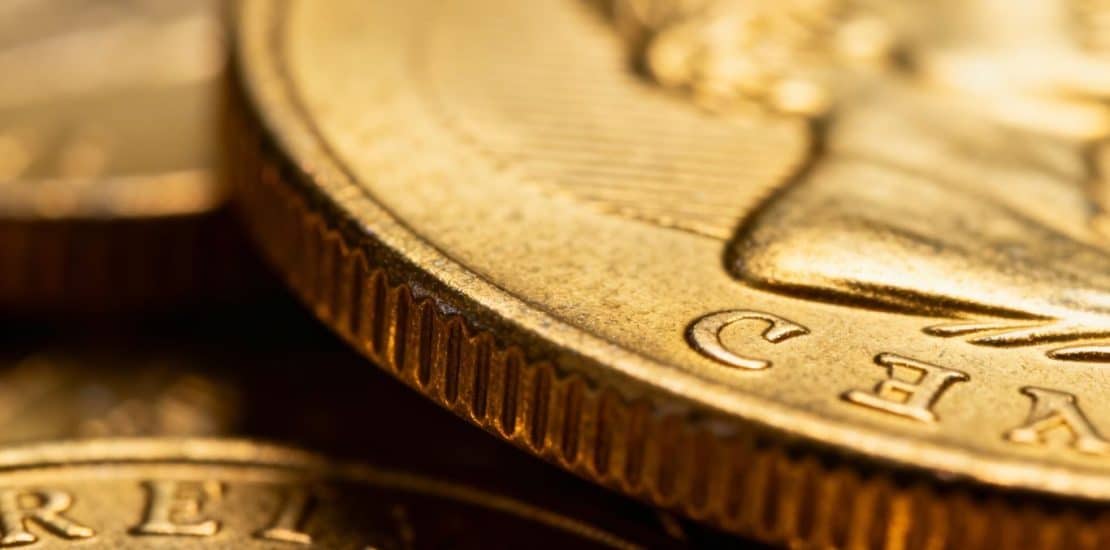
Look carefully at the coin in good light. Genuine gold coins, especially those struck by official mints, have remarkable detail. Reliefs, such as portraits, symbols, or inscriptions, should be sharp and well-defined. There should be no blurring or lack of detail. Examine the edges of the coin. Are they smooth and even, or do they have imperfections? Counterfeiters often have difficulty reproducing the fine detail and perfect finish of a genuine coin. Also look for signs of unusual wear or marks that shouldn't be there. Sometimes, counterfeits may have a surface that appears too smooth or, conversely, rough.
Observe the color and general appearance of the gold
The color of pure gold is quite distinctive: a rich, bright yellow. However, most bullion coins are not 100% pure gold. They are often alloyed with other metals to increase their durability. For example, 22-karat gold (91,67%) is common for coins like British Sovereigns or American Eagles. These alloys can slightly alter the hue. What to watch for are suspicious color changes. If you see areas that appear discolored, dull, or have a different metallic hue (such as gray, red, or green), especially around the edges or in areas of friction, this may indicate that the coin is gold-plated or made of a poor-quality alloy. Real gold does not tarnish in this way. A genuine coin will have a consistent, even luster across its entire surface, although its exact hue depends on its purity.
Use simple testing methods for authenticity
Even though gold is a precious metal, it's not immune to counterfeiting. Fortunately, there are simple tricks to check if your piece is genuine, without the need for sophisticated equipment. These tests can give you a good indication before you embark on more in-depth analysis.
Check the weight and dimensions of the part
First and foremost, make sure the weight and dimensions of your coin match the official specifications. Each gold coin has a specific weight and size, which are usually available on specialist websites or from manufacturers. For example, a coin Napoleon Marianne Coq 20 F should weigh 6,45 grams. An accurate electronic scale is your best friend here. Slight variations (0,02 to 0,04 grams) are normal, but too much deviation is a red flag. It's a simple but often revealing first step.
Inspect the quality of the strike and the reliefs
Examine the coin carefully with a magnifying glass if possible. Genuine gold coins, especially those intended for investment, are struck with great precision. Relief details, such as effigies, inscriptions, and designs, should be sharp and well-defined. Counterfeits often have less pronounced relief, blurred edges, or less refined details. Compare with images of genuine coins to spot subtle differences. A well-struck coin is a sign of quality and authenticity.
Observe the color and general appearance of the gold
The color of pure gold is quite distinctive: a rich, deep yellow. If your piece has unusual hues, such as too pale a yellow, too orange, or greenish highlights, this could indicate an alloy or imitation. Furthermore, real gold does not tarnish or rust. Examine the piece for signs of corrosion, discoloration, or areas where the plating appears to be wearing off. These signs are rarely present on good-quality, genuine gold. The overall appearance should be consistent and free of suspicious flaws.
The magnet test to detect counterfeits
Gold is not a magnetic metal. This is one of the simplest and quickest tests to perform. Grab a powerful magnet (a neodymium magnet is ideal; kitchen magnets aren't enough). Hold the magnet close to your coin. If the coin is attracted to the magnet, there's a good chance it's not pure gold, or it contains ferromagnetic metals. Be careful, though, as this test isn't 100% foolproof. Some coins may be made with non-magnetic metals that look like gold, or contain small amounts of magnetic metals in their alloy. But if your coin reacts to the magnet, it's a strong indicator of counterfeiting.
The density test with water
This test relies on the fact that gold is a very dense metal. You'll need an accurate electronic scale and a measuring container (such as a graduated cylinder or measuring jug) filled with water. First, weigh your coin to determine its mass. Next, measure the volume of water in your container. Then submerge the coin in the water and note the new volume. The difference between the two volumes gives you the volume of the coin. Then calculate the density by dividing the mass by the volume (Density = Mass / Volume). Pure gold has a density of approximately 19,3 g/cm³. If the calculated density is significantly different, your coin is probably not pure gold. This is a more accurate method than the simple magnet test, but it requires a little more equipment and precise measurements.
Observation of traces on the skin
This test is a little less common but can give an indication. Rub the coin on your skin. If you see a black or green trace appear, this suggests that the coin is not pure gold. Real gold, on the other hand, should not leave a colored trace on the skin. Another variation is to apply a little foundation to your skin, let it dry, then rub the coin on it. Fake gold often reacts and leaves a green or black trace, while real gold should not react. This is a quick test, but caution is advised as the reaction may depend on the composition of your skin or the foundation used. For a more thorough check, it is always best to consult a professional or use more reliable methods such as those described on the reference sites.
Apply chemical tests for thorough verification
While visual and physical tests already provide good indications, to be truly sure of the authenticity of your gold piece, you sometimes need to go a little further. Chemical tests, although requiring a little more care, can give you a more precise answer. They can detect alloys or platings that could deceive the eye.
The touchstone and acid test
This is a fairly old method, but it's still effective. You'll need a touchstone, which is a kind of hard, dark rock, and a gold-specific acid testing kit. The principle is simple: you rub your coin on the stone to leave a thin trace. Then, you apply a drop of an acid corresponding to the supposed purity of your coin (for example, an acid for 18 carats). If the trace doesn't react, that's a good sign. If it changes color, especially if it turns red or green, this indicates the presence of other metals. It is crucial to properly identify the expected purity of your part before choosing the right acid. Remember to wear gloves when handling acids, as they are corrosive.
Understanding the chemical reactions of gold
Pure gold (24 karat) is a fairly chemically inert metal. It does not react readily with most substances. This property makes it so resistant to corrosion and tarnishing. The different karats (18, 14, etc.) indicate the proportion of pure gold in the alloy. Other added metals (copper, silver, zinc) are there to provide hardness and change the color. Chemical tests exploit the difference in reactivity between pure gold and these other metals. For example, nitric acid, which is very strong, can dissolve some metals but will leave pure gold intact. This is why it is often used in test kits, diluted to specific concentrations for each karat.
Identify alloys and platings
The most common counterfeits are not made entirely of cheap metal, but rather of a base metal covered with a thin layer of gold. This is called plating. Chemical tests, especially those using stronger acids or combinations of acids, can reveal the presence of this plating. If the acid penetrates the gold layer and attacks the metal underneath, you'll know your coin isn't solid gold. It's important to know that even genuine gold coins can have traces of other metals, especially if they're old or have been handled. The important thing is that the overall composition matches what you'd expect for a coin of this type. For even more in-depth analysis, some professionals use techniques like XRF spectrometry, which analyzes the exact composition of the metal without damaging it.
Look for marks of authenticity and certificates
When you buy a gold coin, there are details that can't be ignored. It's a bit like looking for clues to be sure of what you're holding. Reputable manufacturers leave traces that prove their product is authentic.
Identify official hallmarks on coins
Gold coins, especially those intended for investment, often bear specific markings. These hallmarks are a bit like signatures. They indicate the maker, the purity of the gold (often expressed in carats or thousandths, such as 999,9‰ for pure gold), and sometimes even the year of minting. For example, a coin like the French Napoleon will have very specific markings. It's important to know that investment coins are generally struck with great attention to detail, which makes them more difficult to imitate. If you see strange markings or a lack of clear hallmarks, be wary. A genuine coin will have clear markings that conform to known standards.
Check for the presence of a certificate of authenticity
For bullion bars, and sometimes for high-value coins, a certificate of authenticity is often provided. This document is a written guarantee that the metal is what it claims to be. It details the weight, purity, serial number (if there is one), and the manufacturer's name. It's a bit like your coin or bullion's passport. Bullion bars, even small ones, are often sold in a sealed blister pack that acts as a certificate, and they bear a unique number. If you buy a coin or bullion without any documentation, especially if it's an online purchase or from a lesser-known seller, ask questions. It's always best to have these papers for peace of mind. You can compare the information on the certificate with the information engraved on the metal itself. Sometimes, the certificate even comes with a detailed purchase invoice, which adds an extra layer of security.
Understanding inscriptions and serial numbers
Every genuine gold coin or bar should have clear markings. Think of the weight, purity (e.g., 999,9 per mille), and the name of the foundry or mint that produced it. Serial numbers, especially on bars, are there for tracing purposes. They help you know where the metal came from and who made it. This is an important security measure. If you're looking at bars from reputable manufacturers like C-Hafner or Metalor, you'll see that they all have unique numbers engraved on them. These numbers are essential for verifying authenticity and for any future transactions. If a coin or ingot has no inscriptions or unclear markings, that's a red flag. These details really need to be precise and legible to be sure you're not dealing with a fake.
Call on experts for definitive confirmation

Even if you've done all the necessary research, sometimes you might still have a little doubt. This is normal, especially when handling large sums of money. In these cases, it's best to leave it to the professionals. They have the equipment and the know-how to tell you exactly what you're dealing with.
Consult a numismatist or jeweler
If you have an antique or collectible coin, a numismatist is the ideal person. They are coin specialists and know the smallest details that differentiate a real coin from a fake. They can also give you an idea of the value of your coin, which is always useful. For jewelry or bullion, a trusted jeweler will also do the trick. They are experienced in working with gold and know how to recognize quality.
- Ask for references : Make sure the professional is recognized in his field.
- Be clear about your expectations : Explain why you need this verification.
- Compare reviews : If possible, look at what other clients say about this professional.
Remember that these experts can also help you estimate the value of your gold, which goes beyond the simple question of authenticity.
Use a spectrometer for accurate analysis
For absolute certainty, there are machines that don't lie. The spectrometer, for example, is the best of the best. You place your coin or ingot inside, and hey presto, in a few minutes, you know exactly what it's made of, down to the percentage. It's a method that leaves no room for error. It's often used by professionals because these devices are quite expensive, but if you have serious doubts or a high-value item, it's worth paying for this analysis.
| Type of test | What he checks |
|---|---|
| XRF spectrometer | Exact composition of the metal, without damaging the object |
| Neutron activation analysis | Purity and composition with great precision |
Rely on the seller's reputation
Ultimately, the best way to avoid problems is to buy from reputable sellers. A reputable seller will have every incentive to provide you with authentic and well-certified pieces. They will be transparent about the origin of the gold and will be able to provide you with all the necessary documentation. If you're buying online, look at reviews and ratings, and stick to reputable platforms. It's a bit like choosing a good mechanic; you need to find someone reliable and trustworthy.
To be sure, it's always best to seek professional advice. They'll be able to tell you exactly what's going on. Don't hesitate to contact us for a clear and definitive answer on your questions. precious metals. Visit our website to learn more!
In conclusion: stay vigilant!
There you have it, you now have some tips for checking if a gold coin is genuine. It's not always easy, is it? Between weights, dimensions, chemical tests... it can quickly become complicated. The most important thing is not to rush. Take the time to look carefully and compare. And if you really have any doubts, don't hesitate to ask a professional for advice. It's always better than getting ripped off. After all, investing in gold is good, but making sure your investment is solid is even better. So, stay attentive and trust your common sense!
Frequently Asked Questions
How can I be sure that my gold coin is not an imitation?
To check if your gold coin is authentic, you can start by looking to see if it's the right weight and size. Then, try to see if it reacts to a magnet; gold isn't magnetic. You can also compare it to a coin you're sure is real. If you're unsure, it's best to seek expert advice.
What are the signs that a gold coin might be fake?
If your gold piece leaves marks on your skin when you wear it, if it has stains, or if signs of wear show another color underneath, these are bad signs. Also, if its dimensions don't match those expected or if the designs on it are imprecise, be wary. These details may indicate that it isn't pure gold.
Can I test gold at home without damaging it?
Yes, there are tests you can perform without damaging your coin. For example, you can check its weight with an electronic scale to see if it's what it should be. Observing the color and general appearance is also a good start. The magnet test is also safe: if your coin is attracted to the magnet, it's probably not gold.
What is a hallmark and how does it help me verify authenticity?
A hallmark is a small mark engraved on the gold coin. It's a bit like a manufacturer's signature that guarantees its quality and gold content. If you find an official hallmark, it's a good sign of authenticity. You just need to know how to recognize the official hallmarks of different countries or different gold purities.
Is the magnet test really effective in detecting fakes?
The magnet test is quite effective at spotting crude counterfeits. Pure gold isn't magnetic, so if your piece is attracted to a magnet, there's a good chance it contains other metals and isn't real gold. However, some very well-made fakes might not react to a magnet, so this test is a good first step, but not the only one.
When should I consult an expert to check a gold coin?
If you have a valuable coin, if you have doubts after performing a few simple tests, or if you want to be absolutely certain before buying or selling, it is advisable to consult an expert. An experienced numismatist (coin specialist) or jeweler will be able to use more precise tools, such as a spectrometer, to give you a definitive answer.