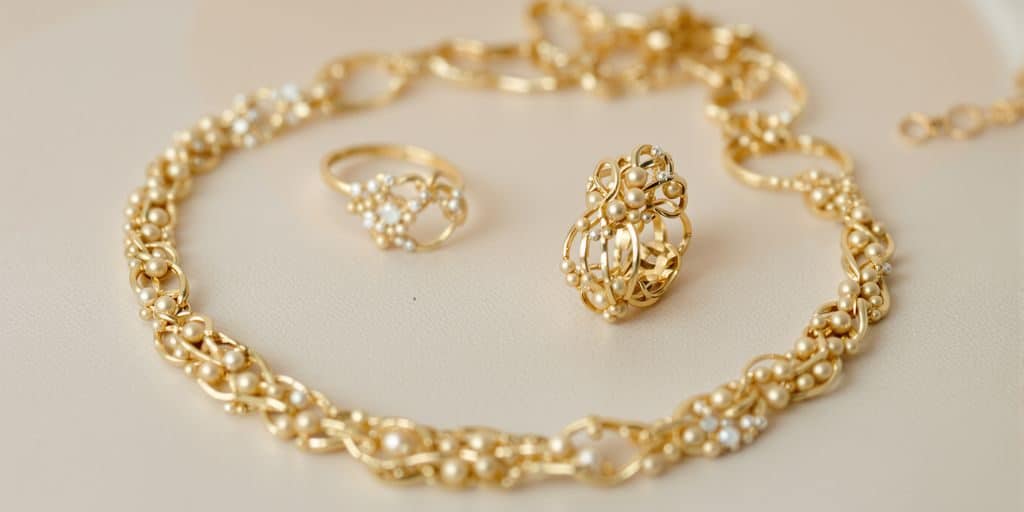
You've just purchased a beautiful piece of gold jewelry and are wondering how to handle returns or warranties if something goes wrong? That's a great question! It's always good to know what to expect before you even need it. This article will shed some light on the steps to follow to ensure your shopping experience remains as pleasant as the first day, even in the event of a return or warranty claim. How to handle returns and warranties for gold jewelry? We'll explain everything.
Key Takeaways
- Familiarize yourself with your jeweler's return deadlines and conditions to avoid any unpleasant surprises.
- Keep your purchase invoice and certificate of authenticity safe; these are your keys to any warranty process.
- Manufacturing defects are generally covered by a warranty, but be sure to check for exclusions for normal wear and tear or accidental damage.
- If you have any problems, please contact the seller promptly and provide evidence such as photos to help process your request.
- Be aware of 'final sale' terms that limit or exclude the possibility of returns or exchanges.
Understanding Return and Exchange Policies
When buying gold jewelry, it's important to know how returns and exchanges work. It's not always as simple as you might think, and each seller has their own rules.
Deadlines and conditions for returns
The law doesn't require a seller to take back an item just because you've changed your mind. It's up to them to decide whether they accept returns and under what conditions. Often, there's a deadline to respect, for example, 15 or 30 days after purchase. The jewelry must also be in its original condition, unworn or undamaged, and ideally with its packaging and tags intact. Some items, such as those on sale or personalized, may not be eligible for returns.
- Always check the return policy displayed in store or on the website before purchasing.
- Keep your invoice safe, it is often essential for any procedure.
- If you have any doubts, do not hesitate to ask the seller for details.
Exceptions to Return Policies
There are cases where a return is simply not possible. Items considered “final sale” generally cannot be returned, even if they are not defective. This is often the case for jewelry on special sale or items personalized at your request. Additionally, for hygiene reasons, earrings are very often excluded from return policies, unless they have a manufacturing defect.
It's essential to read the fine print carefully, as exceptions can vary greatly from seller to seller.
Procedure for size exchanges
If your gold jewelry doesn't fit properly, an exchange is sometimes possible. The usual procedure is to return the jewelry to the seller, along with proof of purchase. The seller will check the condition of the jewelry and, if everything is in order and the policy allows it, will exchange it for the desired size. It's important to note that additional fees may apply to adjust the size, or you may have to pay the difference if the new jewelry is more expensive. Make sure the jewelry has not been worn before requesting a size exchange.
Guarantees applicable to gold jewelry
Duration of the warranty on jewelry
Most jewelers offer a warranty period on their gold creations. Typically, this warranty covers manufacturing defects and is valid for a specific period from the date of purchase. It's common to find a 3-month warranty on jewelry purchased at regular price. This is a reasonable period to detect any design or assembly issues.
Coverage of manufacturing defects
The warranty on gold jewelry primarily applies to defects that are not due to normal wear and tear or improper handling. This includes issues related to the following:
- Stones: If a stone comes loose or is poorly set.
- Clasps: If a clasp is defective and does not close properly.
- Welds: If a solder becomes loose, separating parts of the jewelry.
- Plating: Although plating wear is often excluded, premature plating failure can sometimes be covered.
It is important to note that this coverage is intended to protect against manufacturing errors, not against accidents or everyday wear and tear.
Warranty Exclusions
There are some cases where the warranty does not apply. Be aware of these exclusions to avoid any unpleasant surprises:
- Normal wear and tear: Scratches, small dents, or discoloration due to regular wear are generally not covered. Gold, even pure gold, can become scratched over time.
- Mishandling: Damage caused by impact, dropping, or excessive force voids the warranty. For example, if you crush a ring or break a chain by pulling on it too hard.
- External interventions: Any modification or repair carried out by an unauthorized third party will void the warranty.
- Products on sale or on promotion: Often, items purchased on sale or on promotion are sold as is and do not come with the same or any guarantees.
It's always best to carefully read the warranty terms provided by the seller at the time of purchase. These details make all the difference in case of need.
Here is a summary table of the key points:
| Cover point | Details |
|---|---|
| Typical duration | 3 months for jewelry at regular price |
| Covered defects | Improperly set stones, defective clasps, loose solders, premature plating |
| Common Exclusions | Normal wear and tear, scratches, damage due to mishandling, sale items |
| Action in case of default | Free repair or exchange |
Manage defects and repairs
Even with the most durable jewelry, problems can occur. What should you do if your gold jewelry develops a defect or needs repair? Here's how to proceed.
Procedure for reporting a defect
If you notice a defect in your jewelry, the first step is to promptly report it to the seller. Visual evidence is often required. Send a clear photo of the defect to the customer service email address so they can assess the situation. This helps confirm whether the issue is covered by the warranty or a manufacturing defect. Remember to include the purchase date and a copy of your receipt.
Post-warranty repair options
Once the warranty period has expired, repairs are still possible, but they will generally require a fee. Costs vary depending on the nature and extent of the work required. Here's an idea of the rates that might apply:
- Jewelry and watch batteries: Around €10 + delivery costs and taxes.
- Watch straps (if available): Around €30 + delivery costs and taxes.
- Watch cases (if available): Around €35 + delivery costs and taxes.
It is always best to request an accurate quote before incurring any costs.
Costs associated with repairs
Out-of-warranty repair costs may seem high, but they reflect the specialized work and materials used. You need to factor in round-trip shipping, the jeweler's labor, and the cost of any parts that need replacing. Sometimes, for minor defects, a simple polish or prong re-tightening may be sufficient and will cost less than a major repair. For more extensive damage, such as a broken solder or a missing stone, the cost will be higher. It's important to compare quotes if you have several repair shops to choose from.
Documents required for the procedures
To ensure your returns or warranty claims go smoothly, it's essential to prepare your documents carefully. Having the right documents on hand will save you time and make the process much easier. Think of it as your first aid kit for any administrative procedures related to your gold jewelry.
Importance of the purchase invoice
The purchase invoice is irrefutable proof that you purchased the jewelry from the seller. Without it, it's difficult to prove the purchase date, the price paid, or even the authenticity of the product. It's often the first document requested by customer service.
- It certifies the date of purchase, the starting point of the warranty period.
- It mentions the price paid, useful for refunds or exchanges.
- It details the description of the jewelry, helping to precisely identify the item in question.
- It may contain information about the purity of the gold and any stones.
Contents of the certificate of authenticity
The certificate of authenticity goes further. It guarantees the quality and composition of your gold jewelry. It's a guarantee of confidence, especially for valuable pieces.
- It confirms the purity of the gold (for example, 750/1000 for 18 carat gold).
- It can list the characteristics of the gemstones set.
- It often mentions a unique serial number, linked to the jewel itself.
- It is issued by the manufacturer or a recognized organization, attesting to the know-how.
Photos required for claims
In some cases, especially to report a defect or damage, visuals are essential. They allow the seller to quickly understand the nature of the problem without having to see the jewelry.
- Take clear, well-lit photos of the jewelry as a whole.
- If the defect is localized, take a close-up photo of the affected area.
- If possible, include a photo of the original packaging, especially if there was a delivery issue.
Always keep a digital copy of your invoices and certificates. A little filing today can save you a lot of hassle tomorrow. Also, remember to keep the original packaging; it can be useful for returns.
Specific cases of final sales
Some items are clearly marked as final sale. This means they cannot be returned or exchanged, except in exceptional circumstances. It is therefore important to check this carefully before finalizing your purchase.
Items considered final sale
Several product categories are generally affected by this policy. These are often items that, once purchased, cannot be resold as new. Consider, for example, earrings, for hygiene reasons, or certain promotional products that are sold at heavily discounted prices.
- Earrings (whether regular price or reduced price).
- Body and room products.
- Bath bombs, whether or not they contain jewelry.
- Items on special promotion or sale.
It is essential to carefully read the description of each product to identify if it is a final sale.
Exceptions for sale items
Sometimes, there's a nuance regarding sale items. If a piece of jewelry (excluding earrings) is purchased during a sale period, it's not automatically considered a final sale. In this case, you can usually still benefit from the usual return and exchange policies, provided the jewelry is intact and unworn. This is an exception to be aware of so you don't make a mistake.
Advent Calendar Specific Policies
Advent calendars, often offered at the end of the year, are generally classified as final sale. The only exception that may be granted is a size exchange for any rings included. If you purchase such an item, please be aware that other forms of return or exchange will not be possible.
It is always best to confirm the specific terms of final sale directly with the seller before making a purchase, especially for items that are particularly important to you or represent a significant investment.
Tips for a worry-free purchase
To ensure your gold jewelry shopping experience goes smoothly, a few simple precautions can make all the difference. Think of it like preparing before embarking on a new project: the more informed you are, the more comfortable you'll be.
Check purity and certification
Before you fall for a piece, take a close look at its purity. For gold, this is measured in carats or thousandths (‰). An 18-karat gold jewel, for example, is 750 thousandths gold, meaning it contains 75% pure gold. Pure gold jewelry (24 karats or 999,9‰) is rarer and often reserved for ingots or investment coins, as pure gold is very malleable and easily damaged.
- Always ask for a certificate of authenticity. This document is your jewelry's identity card. It should include the weight, gold purity, manufacturer's name, and sometimes even the manufacturing date. It's a guarantee that what you're buying is exactly what it says on the tin.
- Look for the maker's mark on the jewelry itself. It's a small, often discreet, mark that attests to the manufacturer's or seller's responsibility for the quality of the metal.
- Choose sellers who can provide you with clear information about the origin of the gold and the manufacturing methods.
Choose recognized manufacturers
When you buy gold jewelry, you're not just buying an object; you're investing in expertise. Choosing a reputable manufacturer or brand is a bit like choosing a renowned chef for a fine meal: you're more likely to be satisfied.
- Large jewelry houses often have a reputation to uphold, which translates into consistent manufacturing quality and adherence to standards. They are generally more transparent about the composition of their jewelry.
- Look for brands that highlight their ethical commitment or responsible sourcing. This can be an indicator of the overall quality of their products and their approach.
- Don't hesitate to read other customers' reviews or ask experts for advice. Word of mouth works for jewelry too!
Understanding the importance of secure packaging
Packaging isn't just a pretty box. For gold jewelry, especially when it's being shipped, packaging plays a protective and secure role.
- Good packaging should protect your jewelry from bumps and scratches during transport. Consider a sturdy case, possibly with internal padding.
- For online purchases, discreet packaging can also be a plus, to avoid drawing attention to the value of the contents.
- Make sure the package is securely sealed and there are no signs of tampering upon receipt. If you're buying in person, check that the jewelry is properly presented and protected before leaving the store.
Buying gold can seem complicated, but we're here to help you every step of the way. Follow our simple advice to make a purchase with confidence and without worry. Visit our site to find out how we can support you in your investment project.
To conclude: manage your returns and guarantees with complete peace of mind
There you have it, you now have all the information you need to manage returns and warranties for your gold jewelry. Remember that communication and transparency are key. Keep your invoices and certificates safe, and don't hesitate to contact the seller if necessary. Knowing your rights and the procedures will help you approach these steps with greater confidence. And if a problem ever arises, remember that most reputable professionals are there to help you find a satisfactory solution. Take care of your precious purchases!
Frequently Asked Questions
What is the usual time frame for returning gold jewelry if I change my mind?
Generally, you have 30 days after purchase to return jewelry if you change your mind. But be careful: the jewelry must be in perfect condition, unworn. Always check the store's policy, as some items, such as earrings or sale items, may be considered final sale.
What does the warranty cover on gold jewelry?
The warranty normally covers manufacturing defects, such as problems with stones, clasps, soldering, or plating. It often lasts 3 months, but this can vary. However, normal wear and tear, such as scratches, are generally not covered.
What if my gold jewelry is defective after the warranty period?
Even after the warranty expires, you can often request a repair. There will be a fee for this, which includes the cost of the repair and shipping. It is advisable to contact the seller with a photo of the defect to see if a repair is possible.
Is the purchase invoice always required for a return or warranty?
Yes, absolutely! The receipt is super important. It's often the only document that proves you purchased the jewelry and when. Without it, it will be very difficult, if not impossible, to claim a warranty or return an item.
What is a 'final sale' for jewelry?
A 'final sale' means you cannot return or exchange the item once purchased. This is often the case for sale items, clearance items, or sometimes specific items like earrings. It's important to read the terms and conditions carefully before purchasing.
How can I be sure of the quality and authenticity of a gold piece of jewelry before purchasing it?
For peace of mind, check if the jewelry comes with a certificate of authenticity. This document confirms the purity of the gold and often the manufacturer's name. Choosing reputable brands or jewelers is also a good way to ensure quality.