The ounce of gold is an essential unit of measurement in the world of precious metals, particularly for gold and silver. It's a term often heard in discussions about gold investing, but what exactly is an ounce of gold and how much does it weigh? This article will shed some light on this unit of measurement, its history, its importance in the market, and much more.
Key points
- One ounce of gold is equal to 31,1035 grams.
- The troy ounce is the standard for weighing precious metals.
- Gold is used as a safe haven in times of crisis.
- The price of an ounce of gold fluctuates based on supply and demand.
- There are several types of ounces, including the troy ounce and the avoirdupois ounce.
What is an Ounce of Gold?
Definition of an Ounce of Gold
So, what exactly is an ounce of gold? Well, to put it simply, it's a unit of weight, mostly used for precious metals like gold and silver. It's a bit like the gram or the kilogram, but specific to the world of gold. We are talking more precisely about a troy ounce, and this is the measurement that is used in international markets. It is an invariable unit of measurement, which is rather practical for avoiding confusion.
Origin of the Unit of Measurement
The origin of this unit of measurement is quite interesting. It is said to date back to the Middle Ages, more precisely to the city of Troyes, France. This is where the name "ounce troy" comes from. Imagine, a small French town that influenced the global gold trade! Crazy, right? Over time, this measurement became the benchmark, particularly in Anglo-Saxon countries, before becoming an international standard.
Importance in the Precious Metals Market
The ounce of gold is a bit like the universal language of the precious metals market. Why is it so important? Because it standardizes trading and simplifies pricing. When we talk about the Gold prices, we almost always refer to the price per ounce. This unit is used as a basis for assessing the value of gold bars, coins, and even jewelry. Basically, if you want to understand how the gold market works, you absolutely must know the troy ounce. It's a bit like learning the basics of a foreign language before going on a trip. Without it, you risk getting a little lost!
The ounce of gold is an essential unit of measurement for understanding the precious metals market. It standardizes trade and simplifies pricing, serving as a basis for assessing the value of gold in various forms.
Here are some reasons why the gold ounce is important:
- Standardization of international trade
- Facilitating price comparison
- Reference for gold investments
The Weight of an Ounce of Gold
Standard Weight in Grams
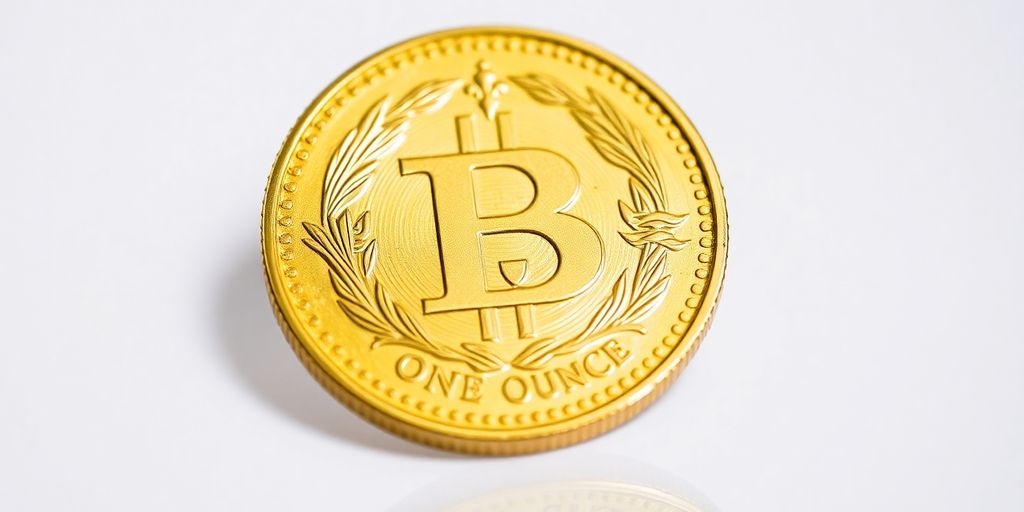
So, how much exactly does an ounce of gold weigh? This is an important question, especially if you're starting to get interested in investing in precious metals. The standard weight of one ounce of gold is 31,1034768 grams. This is called a troy ounce, and it is the unit of measurement universally used in financial markets to price gold. Good to know, right?
Comparison with other units
Now, let's compare this ounce of gold with other units of measurement you may be more familiar with. A troy ounce (the one for gold) is different from an avoirdupois ounce (the one used to weigh flour or sugar). Here are some points of comparison:
- One troy ounce = 31,1035 grams
- One avoirdupois ounce = 28,3495 grams
- One kilogram = 32,15 troy ounces
As you can see, an ounce of gold is a little heavier than the ounce you use in cooking. It's important not to confuse the two, especially when it comes to investing!
Use in Transactions
The ounce of gold is the standard unit for all gold transactions worldwide. Whether you are buying a gold bar, gold coins, or even to follow the price of gold, everything is based on this measurement. Le gold price is still quoted in US dollars per troy ounce.
It's almost as if everyone spoke the same language when it came to gold. This makes trading and understanding the market much easier. Imagine if every country used a different unit—it would be a real mess!
In short, knowing the weight of an ounce of gold is the foundation for understanding the gold market and making informed investments. And now you're all set!
The History of Gold
From Prehistory to Today
Gold, that bright yellow metal, has a super long history! It's been used since the Chalcolithic period, right at the end of prehistory. It's the second metal discovered by humans after copper. The oldest known gold object was found in the Varna necropolis in Bulgaria. Crazy, right?
At first, gold was mainly used to decorate chieftains and for religious ceremonies. Then, the Lydian kings had the brilliant idea of minting the first coin in history, around the 8th century BC. It was the beginning of a long love affair between gold and silver, and economics!
Economic Role of Gold
Gold really gained importance when it became the pillar of monetary policy. For example, in 1640, under Louis XIII, the Louis d'or coin became an international symbol for safe investments. This was thanks to Claude de Bullion, who gave his name to the London precious metals market. Not bad, eh?
The search for gold was even one of the reasons for the conquest of America! Gold from the mines of the New World made Spain and Portugal super rich in the early modern period. Later, other European countries like France and Great Britain were able to benefit from it as well. In the mid-19th century, the California Gold Rush contributed to the conquest of the American West and the growth of many Californian cities, like San Francisco. Gold also served as the exclusive monetary standard, first in the United Kingdom, and later worldwide. But the War of 1914 put an end to this system. Even though the dollar was defined by a certain weight of gold, the United States suspended its convertibility in 1971. In 1976, the Jamaica Agreement demonetized gold, which no longer had an official monetary role. Today, gold retains an important economic role. It is listed on major Western stock exchanges, such as New York, London, and Tokyo. Transactions in this value, especially in times of crisis, are considered an important economic barometer.
Gold in Ancient Cultures
Gold isn't just about money! In many ancient cultures, it had a super important meaning. The Egyptians, for example, associated gold with the sun and immortality. They put it everywhere: in the tombs of the pharaohs, on the statues of the gods... It was a symbol of power and wealth, but also of connection with the divine. By the way, if you want to know more about the Gold prices, do not hesitate to consult experts.
In other cultures, like the Incas and the Aztecs, gold was also sacred. They believed it was the sweat of the sun, something from the gods. They used it to make jewelry, masks, ritual objects... In short, gold was much more than just a metal; it was a super-powerful spiritual and cultural symbol. And even today, we find traces of this importance in our societies. Crazy, right?
Gold has survived through the ages, retaining its prestige and value. Its history is intimately linked to that of humanity, testifying to its central role in economies, cultures, and beliefs across the world.
Speaking of history, did you know that gold has been used in jewelry for ages? About 70% of the gold mined worldwide is used for this purpose. That's how much we love adorning ourselves with this precious metal! And if you're wondering how buy gold, there are plenty of ways: coins, ingots, jewelry... It's up to you to choose what suits you best!
The Different Types of Ounces
Once Troy Vs Once Avoirdupois
Now we enter a world of subtleties! An ounce is not just an ounce. In fact, there are two main types of ounces used to measure weight, and it is important not to confuse them, especially when talking about gold. We have the troy ounce, the one used for precious metals, and the avoirdupois ounce, the one more commonly used for weighing flour or sugar. The troy ounce is slightly heavier than the avoirdupois ounce.
To give you a clearer idea:
- Troy ounce: approximately 31,1035 grams
- Avoirdupois ounce: approximately 28,3495 grams
It's a subtle difference, but it can have a significant impact, especially if you're buying or selling gold in large quantities. Imagine the error if you calculate the price of your bullion using the wrong ounce!
Use in Jewelry
When it comes to jewelry, the troy ounce is the standard. Jewelers use this unit to measure the weight of gold, silver, platinum, and other precious metals used in their creations.
It's worth noting that karat is another unit of measurement used in the jewelry world, but it refers to the purity of gold, not its weight. A piece of 24-karat gold jewelry is pure (or nearly so) gold, while an 18-karat gold piece contains 75% pure gold and 25% other metals.
Importance for Investors
For investors, knowing the troy ounce is crucial. Le Gold prices is still quoted in US dollars per troy ounce. When you follow the gold markets, whether online or in newspapers, this is always the unit of measurement that is used.
Here are some points to remember:
- Always check if the price quoted is per troy ounce.
- Be aware of fluctuations in the price of gold.
- Understanding the impact of exchange rates if you invest in a currency other than the US dollar.
The Price of an Ounce of Gold
How is the price set?
So, how does the price of an ounce of gold work? It's a bit like a complex dance where supply and demand collide. Basically, the price is determined in the financial markets, particularly the London Bullion Market, which is kind of the nerve center of the thing. This is where buyers and sellers agree on a price. This price fluctuates constantly, depending on many different factors.
Factors Influencing the Price
The price of an ounce of gold is a bit like the weather: it changes all the time! Several factors can cause it to fluctuate. We have:
- Supply and demand, obviously. If there are more people wanting to buy gold than those wanting to sell it, the price goes up, and vice versa.
- Interest rates. When rates are low, gold becomes more attractive because other investments yield less.
- Inflation. Gold is often considered a safe haven during times of inflation, so its demand increases.
- Geopolitical events. Crises, wars, economic uncertainties... all of these can push investors to seek refuge in gold.
- The decisions of central banks. They have huge gold reserves, and their purchases or sales can influence the market. Central banks have gold reserves important.
It's important to keep an eye on these factors if you want to invest in gold. This doesn't mean you need to become an economics expert, but understanding the broader trends can help you make more informed decisions.
Historical Evolution of the Price
The history of the price of an ounce of gold is a bit like a novel. There have been ups, downs, and twists and turns... For a long time, the price was relatively stable, thanks in part to the Bretton Woods system, which pegged the dollar to gold. But in 1971, the United States abandoned this parity, and the price soared! It reached peaks in the 80s, before falling back down and rising again in recent years. Today, the price of gold remains a closely watched asset, and its evolution continues to fascinate investors.
Gold Ingots
Gold bars are a bit like Rolls-Royce gold investment. We're talking about large chunks of pure gold, often used as a store of value. It's not the stuff you wear on a necklace, but rather the stuff you keep safe in a safe.
Different Weights of Ingots
When we talk about ingots, there is everything! From small one-ounce gold bars (about 31 grams) to the enormous 12,5 kilo bars, also called gold barsThe choice depends on your budget and goals. A one-kilogram bar, for example, is equivalent to approximately 32,15 ounces of gold. This is good to know when comparing prices!
- 1 gram ingots (ingots)
- 1 ounce (31,10 gram) bars
- 1 kilogram ingots
- 12,5 kilogram gold bars
Gold Bars Vs Gold Coins
So, gold bar or coin? That's a good question! Bars are generally purer and sold closer to the price of gold. Coins, on the other hand, can have numismatic value in addition to their gold value. Parts are easier to resell in small quantities, but you may pay a higher premium when you buy.
Bullion bars are often seen as a more direct investment in the value of gold, while coins can offer diversification through their collectible potential.
How to Buy a Bar
If you're thinking about buying bullion, here are a few tips: First, always check the seller's reputation. Second, make sure the bullion is certified and numbered. certificate of authenticity is essential! Finally, compare prices and bonuses offered by different sellers. And above all, don't forget to store your bullion safely!
- Buy from reputable sellers
- Check the certification and the ingot number
- Compare prices and premiums
- Store the ingot safely
One Ounce Gold Coins
The Most Famous Gold Coins
So, let's talk about one-ounce gold coins! It's kind of like having a mini gold bar Super cool, but with a story and design that can make it even more interesting. The first one-ounce coin appeared in 1967, and guess what? It was the South African Krugerrand, one of the most popular investment coins in the world.
But it's not just the Krugerrand! Other well-known coins include the Canadian Maple Leaf, the Austrian Philharmonic, the American Eagle, the Australian Nugget, and even the Chinese Panda. Each has its own style and history, making them unique.
Benefits of Buying Coins
Why buy one-ounce gold coins? Well, it's kind of the best of both worlds. You get the benefit of investing in gold, like a bar, but with the beauty and collectability of a coin. It is a tangible investment, easy to store and resell if necessary. Additionally, some coins can increase in value over time, beyond the simple price of gold.
- Easy storage and transport
- Potential for appreciation beyond the gold price
- High market liquidity
Investing in one-ounce gold coins is a bit like buying a piece of art that also retains its value. It's a great way to diversify your portfolio and protect against inflation.
How to Evaluate Them
Valuing a one-ounce gold coin is a little more complicated than simply looking at the price of gold. There are several factors to consider:
- The weight and purity of gold: This is the basis, we check that the coin contains one ounce of pure gold.
- The state of conservation: A part in perfect condition will be worth more than a worn part.
- Scarcity : Some coins are produced in small quantities, which makes them more valuable.
- Requirement : If a coin is highly sought after by collectors, its price may increase.
Basically, to properly value a coin, you need to find out the price of an ounce of gold.
Buy an Ounce of Gold
Where to buy?
So, you're wondering where to find that famous ounce of gold? There are several options available to you. You can turn to banks, some offer gold buying and selling services. Then there are brokers specializing in precious metals; they are often a good source of information and can guide you through your purchase. Not to mention online platforms, which offer a wide selection, but beware of scams!
Before you start, compare prices and check the seller's reputation. A word of advice: choose certified sellers to avoid unpleasant surprises.
Tips for New Investors
If you're new to investing in gold, here are some tips to get you started. Find out about the price of gold and monitor its progress. Diversify your purchases, don't put all your eggs in one basket. Set a budget and stick to it.
Here are some points to consider:
- Define your investment goals.
- Includes fees associated with buying and selling.
- Keep your proof of purchase in a safe place.
Risks Associated with Purchasing
Buying gold, like any investment, involves risks. The price of gold can fluctuate, which can lead to losses if you sell at the wrong time. There are also risks associated with counterfeiting, especially if you buy online.
To minimize these risks, here are some precautions to take:
- Buy from reliable sources.
- Have the authenticity of the gold checked by an expert.
- Keep your gold in a safe place.
Remember, gold is a safe haven, but it's not a miracle investment. It's important to understand the investment gold coins before you start.
Sell an Ounce of Gold
Sales Process
So, you're wondering how to sell your gold? It's simpler than it seems. The first step is to find a trustworthy buyer. There are plenty of options: jewelry stores, precious metals dealers, or even online platforms. Each has its pros and cons, so take the time to compare.
Once you've found a potential buyer, you need to prepare your gold. Clean it gently if necessary, but above all, don't polish it too much! You risk removing a thin layer of gold and reducing its value. Gather all the documents you have: certificate of authenticity, purchase invoice, etc. This will prove that you are the owner and that the gold is of good quality.
Next, it's off to the buyer! They'll evaluate your gold based on its weight, purity, and the current market price. Don't hesitate to ask questions and request clarification about the estimate. If you're happy with the offer, you can accept and complete the sale. Payment is usually made by check, bank transfer, or cash (within legal limits).
Pre-Sale Evaluation
Before you start selling your ounce of gold, it is essential to do a little evaluation. This will prevent you from getting ripped off and selling your gold at too low a price.
Here are some tips for estimating the value of your gold:
- Check the gold price: The price of gold fluctuates constantly, so keep up to date with the current price before selling. You can find this information on specialist websites or in business newspapers.
- Evaluate the purity of your gold: The purity of gold is expressed in karats. The higher the karat number, the purer the gold and the more expensive it is. Check the hallmark on your ounce of gold to determine its purity.
- Weigh your gold: The weight of your gold ounce is a determining factor in its value. Use a precision scale to determine the exact weight of your gold.
Remember that having your gold appraised is a crucial step in getting the best possible price. Don't hesitate to consult an expert if you have any doubts.
Best Practices for Selling
Okay, so you're ready to sell your gold? Great! But before you rush in, here are some tips to make sure everything goes smoothly:
- Compare the offers: Don't settle for the first offer you receive. Shop around and compare prices. This could save you a few extra dollars.
- Pay attention to the fees: Some buyers may charge a fee for the sale of your gold. Find out about these fees before completing the transaction.
- Favors transparency: Choose a buyer who is transparent about their valuation method and the price they offer. Avoid offers that sound too good to be true.
Keep an eye on the market. The price of gold goes up and down. Selling at the right time is the key to maximizing your profit. If you're not in a hurry, wait for a period when the price is high. But be careful, no one can predict the future !
Gold as a Safe Haven
Why Investors Choose Gold
Gold is a bit like the good old friend you call when everything goes wrong. In times of economic uncertainty, investors flock to gold. Why? Because it has a reputation for stability that stocks or bonds don't always have. It's a tangible value, something you can hold in your hand (if you have a bar, of course!).
- It retains its value over the long term.
- It is rare and limited.
- It is recognized worldwide.
Gold in Times of Crisis
When stock markets tumble and currencies falter, gold shines brightly. It is often the only asset that maintains, or even increases, its value. During financial crises, people tend to panic and look for safe havens. Gold, with its thousand-year history, provides reassurance. It's a bit like a fallout shelter for your portfolio. Central banks manage their gold reserves to ensure economic stability.
Gold isn't immune to fluctuations, but it tends to weather storms better than other, more volatile assets. That's why it's often considered insurance against economic disaster.
Comparison with other assets
Let's compare gold to other investment options. Stocks can be very profitable, but they are also very risky. Bonds are safer, but their returns are often lower. Real estate can be a good investment, but it is less liquid than gold. Gold, on the other hand, offers an interesting balance. It won't make you a millionaire overnight, but it can protect your capital in the event of a downturn. Here's a quick comparison chart:
| Active | Benefits | Drawbacks |
|---|---|---|
| Stocks | High return potential | High risk, volatility |
| Obligations | Less risky than stocks | Often lower yield |
| Real Estate | Possible rental income, tangible value | Less liquid, maintenance costs |
| Or | Safe haven, retains its value | Does not generate revenue, storage costs |
Myths About Gold
Misconceptions About Investing
We often hear things about gold, but not all of them are true. For example, some people think that gold is an investment. complicated For experts only. In reality, there are simple ways to invest, such as buying one-ounce gold coins. Others believe that you need a fortune to get started, but that's not the case. You can start with small amounts and gradually increase. It's important to educate yourself and not be swayed by misconceptions. It's important to understand the gold taxation before launching.
Is Gold Still a Safe Bet?
This is a question that comes up often. Gold is often seen as a safe haven, especially in times of crisis. However, its price may fluctuate. Gold is not a miracle investment that can never lose value. It is influenced by various economic and geopolitical factors. Therefore, it is essential to diversify your investments and not put all your eggs in one basket.
Debunking Popular Beliefs
There are many myths circulating about gold.
- Myth #1: Gold doesn't earn any money. False! It can increase in value over time.
- Myth number 2: Gold is impossible to resell. Absolutely false! There are many markets for it. gold buyback.
- Myth number 3: Gold is too expensive. Not necessarily! You can buy small quantities.
Gold is not a miracle solution, but a tangible asset that can play a role in a diversified investment strategy. It's important to form your own opinion and not rely solely on hearsay.
The Future of Gold
Current Market Trends
The gold market is constantly evolving, influenced by a multitude of economic and geopolitical factors. Currently, there is strong demand from central banks, which are seeking to diversify their reserves. Individual investors are also increasingly turning to gold as a safe investment, especially in times of economic uncertainty.
Gold remains a popular asset, but its future will depend on its ability to adapt to new economic and technological realities.
Here are some key trends:
- Increased demand from central banks: Central banks continue to buy gold to diversify their reserves and protect against inflation.
- Growing interest from individual investors: More and more individual investors are investing in gold, whether in physical form (bars, coins) or through financial products (ETFs).
- Impact of interest rates: Low interest rates make gold more attractive because it does not generate direct income.
Technologies and Innovations
The gold mining industry is no exception when it comes to innovation. New technologies are being developed to improve mining efficiency, reduce environmental impact, and secure the supply chain. There is growing talk of using blockchain to trace the origin of gold and ensure its ethical provenance. 3D printing could also revolutionize the manufacturing of gold jewelry, enabling the creation of intricate and personalized designs.
Forecasts for the coming years
It's difficult to predict the future of gold with certainty, but several scenarios are possible. Some experts believe the price of gold could continue to rise, supported by inflation, geopolitical tensions, and growing demand. Others are more cautious, pointing out that rising interest rates and a strengthening dollar could weigh on the price of gold. One thing is certain: gold will remain an important asset in the global financial landscape. For those who wish buy gold online, it is important to follow these trends closely.
In summary, the future of gold will depend on several key factors:
- The evolution of the global economic situation.
- The decisions of central banks.
- The adoption of new technologies in the gold industry.
The future of gold looks promising. With growing demand for this precious metal, it's essential to stay informed about market trends. If you'd like to learn more about investing in gold and discover our offerings, visit our website now! Don't miss this opportunity to secure your financial future!
In Summary
So there you have it, an ounce of gold is a bit like the standard weight for measuring gold, and it weighs 31,10 grams. It's a measurement that has stood the test of time and remains super important today, especially in the world of investments. Whether you're buying a bar or a coin, knowing the weight and price of an ounce of gold can really help you make informed choices. If you want to start buying gold, don't forget to check the prices regularly, as they can change quickly!