You may be wondering what gives antique gold jewelry its unique charm. It's not just the wear and tear of time, but the patina, the thin layer that forms on the surface of metals. It tells a story, that of the years gone by, of the hands that wore it. So, what are the secrets of the patina on antique gold jewelry? Let's dive into this fascinating world together to understand how it is created and how to preserve it.
The secrets of patina on antique gold jewelry
- Patina is a thin layer that forms on metals, often through natural or intentional oxidation, adding depth and character to jewelry.
- Pure gold is malleable, but in jewelry, it is alloyed with other metals. It is these alloys that can react with the environment and create the patina.
- External factors such as humidity, air, sweat, cosmetics and even certain cleaning products can accelerate or alter the formation of patina.
- To preserve the shine of gold and its patina, it is necessary to favor gentle cleaning with water and neutral soap, avoiding aggressive chemicals and excessive polishing.
- Patina is not only a sign of aging; it can also be an artistic technique applied to give relief and a vintage aesthetic to jewelry, thus testifying to the passage of time.
Understanding Patina on Antique Jewelry
You may be wondering what gives antique jewelry its special charm, that depth that seems to tell a story. It's not just the passing of time, but a fascinating phenomenon called patina. It's a bit like a jewel's beauty mark, a distinctive mark that makes it unique.
What is patina and how does it form?
In the jewelry world, patina is the thin layer that develops on the surface of a metal. It results from a chemical reaction, often oxidation, that occurs naturally over time and with exposure to the environment. Think of it as a kind of protective skin that forms, slightly altering the color and texture of the metal. It's not dirt, but a chemical transformation of the metal itself.
The unique appeal of patina on jewelry
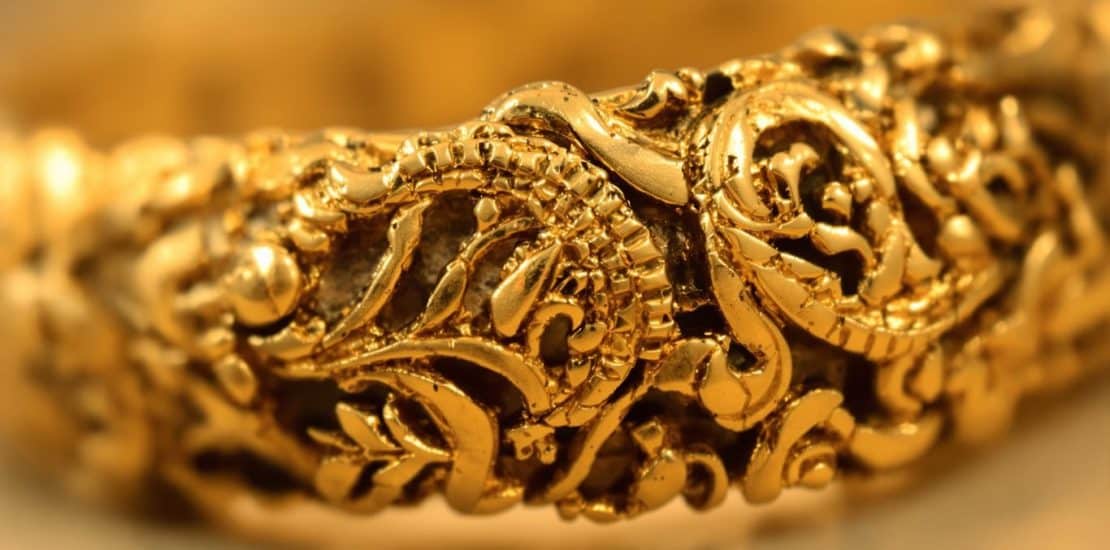
What's really special about patina is that it adds a dimension and character that new metal lacks. It can create subtle contrasts, highlighting etched details or intricate patterns. It is this visual depth that gives antique jewelry its aged and precious appearance. It tells a story, that of the time that has passed through the jewel, and this is often what appeals to lovers of vintage pieces.
External factors that cause oxidation
Several factors can influence the formation of patina. The air we breathe, ambient humidity, and even the chemicals in certain cosmetics or perfumes can accelerate or alter this process. Each piece of jewelry reacts differently depending on its environment and how it is worn and cared for. For example, a piece of jewelry worn frequently and exposed to the skin will develop a patina differently than a piece of jewelry stored in a box away from air.
The secrets of golden patina
Pure gold does not tarnish, but it is the alloy that tells its age. This thin, slightly warmer, less flashy skin is the golden patina. It comes from the metals mixed with gold, from micro-scratches, from the air, from your skin. And it gives jewelry that visual softness that new jewelry never has.
Gold and its alloys in jewelry
You rarely wear 24-karat gold. In jewelry, copper, silver, or palladium are added to harden the gold and play with the color. These additional metals react with the environment, and this is where the patina gradually forms.
| Carat | Gold content | Common alloys | Color | Tendency to skate |
|---|---|---|---|---|
| 24 k | 99,9% | Intense yellow | Very weak | |
| 22 k | Up to 91,6% | Silver, copper | Rich yellow | Low |
| 18 k | 75% | Copper, silver (yellow/pink); Pd/Ni (white) | Yellow, pink, white | Moderate |
| 14 k | 58,5% | More copper/silver; Pd/Ni | Pale yellow/pink/white | Marked |
| 9k | 37,5% | Copper, silver | Pinkish yellow | More marked |
What you see on the surface is not fixed. The raised areas are polished over time and shine, while the hollows retain darker tones: this contrast gives depth to the pattern.
Why can gold show signs of aging?
- Oxidation of alloying metals: copper and silver form compounds on the surface (with sulfur, oxygen), hence these warmer shades in the hollows.
- Surface enrichment: sweat and washing leach the alloy a little; the skin becomes enriched with gold on the front, the shine becomes satin.
- Micro-scratches and natural polishing: your gestures round off the edges, creating that soft “glow” typical of old pieces.
- Everyday products: chlorine in swimming pools, perfumes, hairspray, lotions, etc. accelerate the deterioration of alloys and dull welds.
- Plating and treatments: on white gold, the rhodium layer thins and lets the slightly yellow tint underneath reappear.
A “beautiful” patina isn’t dirt; it’s about surface and light. Clean, yes, but don’t erase the experience.
Methods to preserve the shine of gold
- Targeted and gentle cleansing
- Warm water + mild soap, soft brush (very fine bristles) for the nooks and crannies. Rinse well, dry with a microfiber cloth.
- On contrasting jewelry (dark hollows, shiny reliefs), polish only the high areas with a non-abrasive cloth.
- What is best to avoid
- Bleach, concentrated ammonia, abrasive pastes, bicarbonate rubbed hard: these scratch and flatten the patina.
- Ultrasonic if the piece has fragile stones or old welds.
- Repeated polishing by the craftsman: each polish removes metal. Save this for larger applications.
- Good daily habits
- Remove your jewelry before exercising, swimming, or cleaning. Put it on after applying makeup and perfume.
- Store separately (individual pouches) in a dry place. Humidity accelerates reactions on alloys.
- Annual check-up: claws, clasps, stones. A professional can steam clean and revive without stripping.
If a piece of jewelry has lost too much of its contrast, a jeweler can rebalance the surface (light satin finishing, selective re-polishing) or, for white gold, rhodium-plating it again. The idea is to preserve the personality of the piece, not to restore it to an impersonal new state.
The art of patina on silver
Silver, a metal sensitive to oxidation
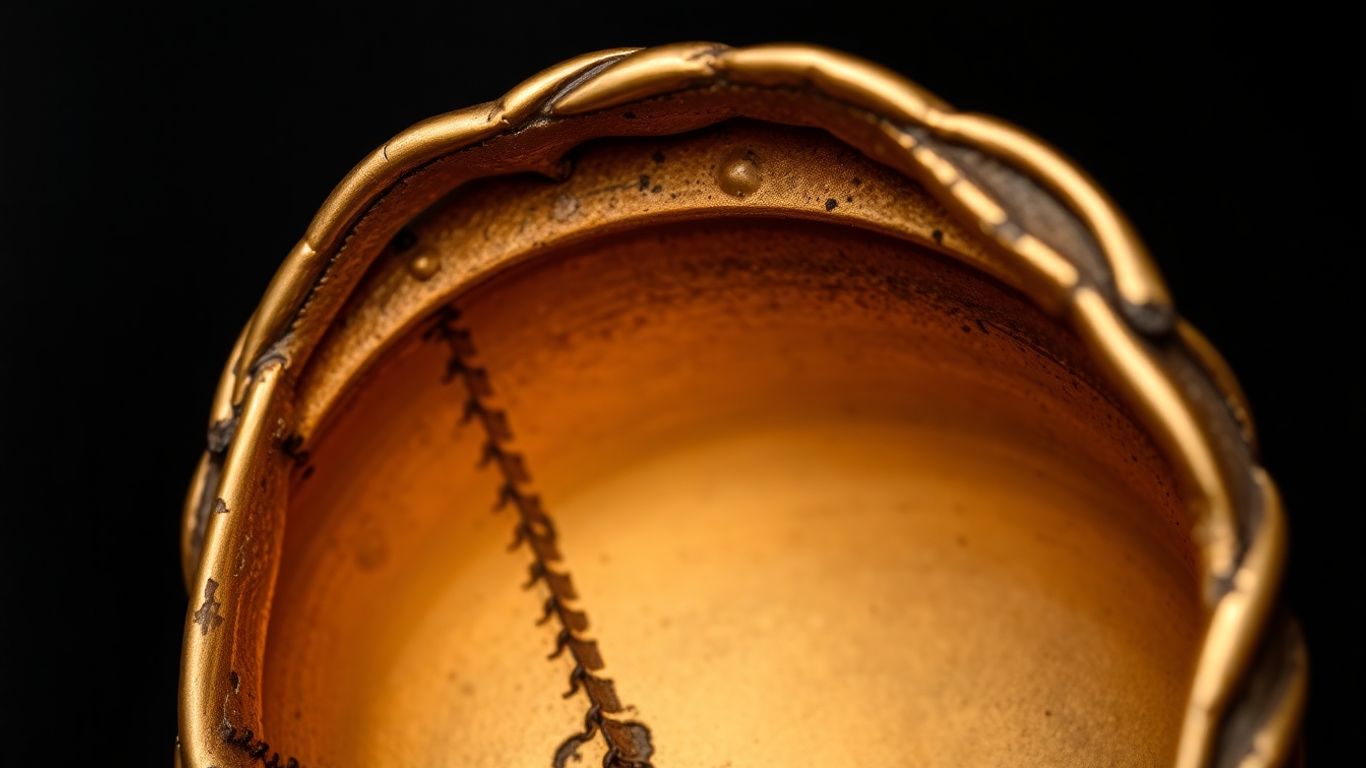
Silver, as you may know, has this peculiarity of reacting with its environment. It's a bit like an old friend that changes over time. When silver is exposed to air, humidity, or even certain products you use every day, it can begin to tarnish. This isn't really rust like iron, but rather a thin layer that forms on the surface. This layer is the result of a chemical reaction, often called oxidation or sulfurization. It can give silver shades ranging from pale yellow to dark gray, or even black.
This natural phenomenon is what gives silver its patina. For some, it's a sign of aging that should be avoided at all costs, but for others, it's precisely what makes antique jewelry so charming. This slow transformation gives a unique depth and character to the silver coins.
The process of intentionally blackening silver
Jewelers, to recreate this aged look or to accentuate certain details of a design, sometimes use techniques to deliberately blacken silver. This is a way to mimic the passage of time, but in a controlled manner. They often use specific chemical solutions, such as liver of sulfur, mixed with hot water. Immersing the silver piece in this bath accelerates the oxidation process. It's quite fascinating to watch, as the metal goes through different colors—yellow, orange, red, blue—before reaching a deep black.
Once the desired color is achieved, the jeweler will often remove some of this black patina. How? By gently polishing the surface. This allows the raised areas, engravings, or textures to stand out, while leaving the patina in the hollows. The contrast thus created gives incredible dimension to the jewelry.
Here's a look at the colors silver can take on during this process:
| Color | Oxidation stage |
|---|---|
| Straw yellow | Lesson start date |
| Orange | Intermediate |
| Pinkish red | More advanced |
| Blue / Purple | Advanced |
| Deep black | Final |
Intentionally blackening silver is a technique that requires some skill to achieve the desired result without damaging the metal.
How to recognize a patinated silver jewel
A patinated silver piece of jewelry is quite easy to recognize. You'll notice that raised areas or those that are more often affected by friction (like the edge of a ring) will be lighter, even shiny, while hollows, engravings, or less exposed areas will have taken on a darker shade, ranging from charcoal gray to black.
This contrast is the hallmark of a well-applied patina or natural aging. If you see a piece of silver jewelry that is uniformly gray or black throughout, it may just be heavily tarnished silver, or it may have a very uniformly applied patina with no contrast. Antique jewelry, on the other hand, often bears the marks of this natural patina, which has formed over decades or even centuries, depending on its history and environment.
It's important to note that this patina is a surface finish. If you rub too hard with an abrasive product or use harsh chemical cleaners, you risk removing it. For maintenance, favor gentle cleaning with water and neutral soap, and use a soft cloth to polish the shiny parts without touching the patinated areas.
Techniques and maintenance for a preserved patina
Gentle cleaning methods for patina
To keep your patinated jewelry looking its best, you need to treat it gently. Avoid harsh chemicals, such as certain metal cleaners or even baking soda, which can damage this protective and aesthetic layer. Excessive polishing is also a no-no, as it risks removing the patina where you want to preserve it.
The best approach is warm water and mild soap. A quick wipe with these items is usually enough to remove accumulated dust or dirt, without affecting the patina. If your jewelry has patinated corners and shinier areas, you can use a soft cloth, but very lightly, just to restore a little shine to the polished parts without erasing the patina.
Avoid harsh chemicals and excessive polishing
It's really important to understand that patina is a surface finish. Think of it as a delicate layer that adds character to your jewelry. Harsh products, those that foam or promise an instant new shine, are often the enemies of patina. They can wipe it off in an instant, leaving your piece with a uniform, soulless appearance. Likewise, constant rubbing with an abrasive product or even a stiff cloth can wear away that beautiful coloring over time. You really have to take it easy.
The importance of regular maintenance
Regular but gentle care is key to keeping your patinated jewelry looking beautiful for a long time. This means taking it out of its box every now and then for a quick cleaning with soapy water, as mentioned. If you wear a piece of jewelry, like a ring, often, it's normal for the patina to wear off a bit from touching things. It's a bit like the leather on an old jacket developing a patina over time. But be aware that if the patina has worn off too much, a jeweler can often recreate it for you. It's a bit like bringing a precious object back to life.
Patina isn't just a color; it's a story that can be read on the metal. Caring for it means preserving this unique narrative.
Patina as an artistic expression
Patina: an ancestral technique
You know, patina isn't just a sign of the passing of time on a piece of jewelry. It's a real technique, used for centuries by artisan jewelers. The ancient Greeks, Romans, and Egyptians already knew how to play with metals to give them that unique cachet. For them, patina wasn't a defect, but rather a mark of nobility, proof that the object had lived and survived the ages. It's a bit like a signature left by time, but also by the know-how of those who created the jewelry.
How Patina Adds Depth and Dimension to Jewelry
The great thing about patina is that it gives jewelry real personality. It creates contrasts, plays of light and shadow that make a piece much more interesting. Imagine a complex pattern: the patina will settle in the hollows, darkening these areas, while the reliefs will remain brighter. This gives incredible depth, almost as if the jewelry had several levels of interpretation. It is this visual richness that gives all the charm of antique pieces and is sought after by many today.
The association of patina with other metals and stones
Patina isn't limited to just one metal. It can be used in very creative ways to enhance other elements. For example, on blackened silver, gold can stand out with an even warmer, brighter glow. It's a very strong visual contrast that draws the eye. And what about gemstones? Patinated silver provides a dark, dramatic background that really brings out the color and brilliance of gemstones. It adds a touch of mystery and sophistication to the whole. It's truly a great tool for designers who want to add character to their work.
Natural wear and patina
The impact of wear on the patina of jewelry
Over time, your jewelry, especially those you wear frequently, like rings, will naturally show signs of wear. This wear can affect the patina in different ways. For example, on a ring, the areas that rub the most against everyday objects may see their patina fade, revealing a lighter metal underneath. It's almost as if the patina is being polished by your own life.
It's important to know that patina, especially chemically applied patina, is a surface layer. It's not as durable as the metal itself. So, when you handle objects, play sports, or even just wash your hands, you're using this protective and aesthetic layer.
Here are some examples of what you might observe:
- Rings: Edges and rounded areas wear out more quickly, making the patina less uniform.
- Bracelets: Links that rub against each other can lose their patina more quickly.
- Pendants: Raised areas or edges may wear off if the jewelry rubs against clothing or skin.
Wear and tear isn't necessarily a bad thing. For some, it's part of the charm of antique jewelry, telling a story through the marks of time.
The possibility of reapplying a patina
If you find that the patina on your jewelry has faded too much due to wear, good news: it's often possible to revive it. A jeweler can reapply a patina to your piece. This is a process that restores the jewelry to its original appearance, or at least, a look closer to the one you loved.
The re-application process typically involves thoroughly cleaning the jewelry and then reapplying the chemical that creates the patina. Then, as with the initial creation, the jeweler may choose to polish certain areas to bring out the details and create that distinctive contrast between the patinated and shiny metal.
Patina as a testimony of time
Ultimately, patina, whether natural or applied, is a kind of identity card for your jewelry. It evolves with it, reflecting its history and the way it has been worn and loved. The natural wear that changes this patina is just another stage in the life of your jewelry, tangible proof that it has been much more than just an object, but an everyday companion.
Over time, objects made of precious metals develop a unique beauty, a kind of "patina" that tells their story. It's a bit like the charm of old things that become more beautiful with age. Want to know how to take care of your treasures or how to give them a second life? Discover our advice on our website!
Patina, a timeless signature
There you have it, now you know what gives antique jewelry its special charm. This patina, far from being a defect, is actually a mark of time, a story told by the metal itself. It's a bit like a signature left by the passing years. So, the next time you come across a piece of jewelry with this beautiful depth of color, you'll know that it's not just aged metal, but a piece that has lived and has a soul. Take care of it, and it will continue to tell you its secrets.
Frequently Asked Questions
What is patina on antique jewelry?
Patina is a kind of veil that forms on the metal of your jewelry over time. It's a bit like natural aging, it gives a slightly different appearance, sometimes darker or with nuances. This can happen because of the air, humidity, or even the way you touch the jewelry.
Why do some gold jewelry take on a different color over time?
Although pure gold does not oxidize, gold jewelry is often made from a mixture of other metals to make it stronger. It is these other metals that can react with air or other things, creating the slight color change called patina. This is a normal chemical reaction.
How do you know if a piece of silver jewelry is intentionally patinated?
When a jeweler intentionally patinates a piece of silver jewelry, they're trying to give it an antique look or a particular style. Often, you'll see that some parts of the jewelry are darker, such as in the hollows of the designs, while the raised areas are brighter. This contrast is created to highlight the design.
How to clean a piece of jewelry so as not to damage its patina?
To maintain your jewelry's patina, you must be gentle. Use warm water with a little mild soap. Rub gently with a soft cloth. Avoid harsh chemicals or scratchy brushes, as these could remove that beautiful aged layer.
Can the patina disappear if I wear my jewelry a lot?
Yes, it's possible. If you wear jewelry often, especially if it's often in contact with your skin or rubs against things, the patina can gradually wear off. It's a bit like normal wear and tear. But rest assured, a jeweler can often reapply the patina if you wish.
Does patina add value to an antique piece of jewelry?
Often, yes! Patina gives antique jewelry a unique character, almost like a story they tell. It adds depth and character, which is highly valued by collectors and those who love vintage style. It's a mark of the passing of time and can make a piece of jewelry even more special.