Buying gold jewelry may seem simple, but it can be tricky. You could end up with an expensive imitation if you're not careful. This article will guide you through understanding the risks of counterfeiting and how to avoid them, so your gold purchases are always a safe bet.
Key Takeaways
- Be on the lookout for signs of counterfeiting: subtle differences can betray a fake piece of jewelry.
- Always check for hallmarks and ask for a certificate of authenticity to confirm the purity of the gold.
- Understand how gold price and purity (karats) influence price to assess value.
- Be careful with costume jewelry: it may contain heavy metals that are harmful to your health.
- Choose reputable and specialized sellers to guarantee the authenticity and quality of your purchases.
Identifying the risks of counterfeiting when buying gold jewelry
Buying gold jewelry is often an exciting time, a way to treat yourself or make an investment. But beware, the world of jewelry, especially when it comes to gold, can hide some pitfalls. Counterfeiting is a real reality, and you have to be vigilant to avoid getting scammed. We see jewelry everywhere that looks just like pieces from big brands, but doesn't have the same value or quality. That's where the trouble begins.
Understanding Counterfeiting in Jewelry
Counterfeiting in the jewelry industry is essentially the creation and sale of jewelry that imitates existing designs, often from well-known designers, without authorization. These imitations can concern the design, but also the material used. The goal is to deceive the consumer into believing they are buying an authentic piece, when in fact it is a copy. Sometimes the differences are minimal, just enough to avoid being an exact copy, but close enough for the customer to think they are buying a good deal.
It is important to know that even small differences in design are not always enough to rule out counterfeiting. If the overall impression is the same, and key elements are repeated, this may be considered an illegal imitation.
The Deceptive Similarities Between Genuine and Fake Jewelry
What makes counterfeiting so dangerous is precisely how skilled counterfeiters can be. They can reproduce fine details, engravings, and shapes that make it difficult to distinguish them with the naked eye. They may use alloys that look like gold, but are actually of lower quality, or contain allergenic metals. Sometimes, the weight can even be different, as pure gold is dense. Counterfeiters play on these aspects to make their products as believable as possible. Therefore, there are several points to pay attention to:
- Design : Does the piece of jewelry exactly match a known model? Are there any details that are wrong?
- Finishing : Are the welds clean? Are the stone settings well done?
- Weight and density: A solid gold piece of jewelry should have a certain weight. A piece that is too light may be suspect.
- Marks and hallmarks: Are they present and compliant?
The Importance of Evidence in Counterfeiting Disputes
If you ever find yourself with a piece of jewelry that turns out to be a counterfeit, it's essential to have proof. Without it, it will be very difficult to assert your rights. The first thing to do is to carefully keep all documents related to your purchase: receipt, invoice, certificate of authenticity if there is one. If you have doubts about the authenticity, it is advisable to have the jewelry appraised by a recognized professional. The latter will be able to attest to the quality of the gold, the presence of legal hallmarks, and the conformity of the design to the original. These elements will form the basis of your case in the event of a dispute. It is important to know that proving counterfeiting often requires a careful comparison between the suspect piece of jewelry and an authentic model, highlighting the illegally reproduced elements.
Authenticity indicators for your gold jewelry
When you're buying gold jewelry, it's natural to want to be sure of what you're buying. The market can be a bit unclear at times, and it's easy to end up with something that isn't what you expected. Fortunately, there are ways to verify that your jewelry is genuine and of the quality advertised. It's like having a passport for your jewelry, in a way.
The crucial role of the certificate of authenticity
The certificate of authenticity is like your jewelry's identity card. It's issued by an expert or specialized laboratory and provides you with all the important information about the piece. Think of it as an official document confirming that what you're buying is what it says it is.
- It confirms the purity of gold: The certificate indicates the fineness of the gold, for example 18 carats (750 thousandths) or 24 carats (999 thousandths). This is key information for knowing the real value of the metal.
- He describes the precious stones: If your jewelry contains diamonds or other stones, the certificate will detail their size, color, clarity, and weight. This helps you understand the quality of the stones.
- It gives a complete description of the jewel: You will find the total weight of the jewel, its dimensions, and sometimes even details on the design or manufacturing.
- It protects against counterfeiting: This is the best way to ensure that you are not buying an imitation or inferior product.
Always keep this certificate safe. It is as important as the jewelry itself, especially if you plan to resell or insure it one day.
Check the purity and composition of the gold
The purity of gold largely determines its value. We often talk about carats or thousandths. The higher the number, the purer the gold. For example, 24-karat gold is 99,9% pure gold. 18-karat gold, very common in jewelry, contains 75% pure gold and 25% other metals (such as copper, silver, or zinc) that serve to make it more durable and give it different colors (yellow gold, rose gold, white gold).
It's important to know that the composition of gold can affect its color and durability. A piece of 24-karat gold jewelry will be softer and more prone to scratches than an 18-karat piece. The certificate of authenticity must clearly state this purity.
The Importance of Hallmarks and Maker's Marks
In addition to the certificate, gold jewelry often bears marks that attest to its authenticity and origin. These are called hallmarks.
- The master's mark: This is the manufacturer's or jeweler's mark. It identifies the person or company responsible for creating the jewelry. It's a bit like a signature.
- The title hallmark: It indicates the purity of the gold. In France, for example, for 18-carat gold, you will often see a hallmark in the shape of a seahorse. For 24-carat gold, it will be an eagle's head.
These marks are usually very small and engraved directly onto the jewelry, often on the clasp of a necklace or the inside of a ring. Sometimes you need a magnifying glass to see them clearly. If you don't find any hallmarks, or if the marks look suspicious, this may be a sign to be more vigilant.
Evaluate the value and quality of gold
When buying gold jewelry, it's not enough to rely on its appearance. You also need to understand how its value is determined and the actual quality of the gold used. It's a bit like buying a car: you look at the model, but also the engine and options.
Understanding the price of gold and its impact on price
Le gold price, it's a bit like the price of a share on the stock market, it moves all the time. It is fixed on international markets, and even if France no longer has an official listing, we refer a lot to what is happening in London (the LBMA). Knowing where the price of gold is, whether per ounce or per gram, helps you not to pay too much or, conversely, not to be fooled by an abnormally low price that could hide a quality problem. Specialized sites provide this information in real time.
The meaning of gold purity (carats and thousandths)
The purity of gold is what truly determines its value. It is measured either in carats or in thousandths. The purest gold is 24 carats, which corresponds to 999 thousandths. The higher the number, the purer the gold and therefore, the more expensive it is. When you buy a piece of jewelry, this information should be clear, often indicated on the certificate of authenticity or sometimes directly on the piece of jewelry itself.
Here is a little guide to help you see things more clearly:
- 24 carats (or 999‰) : It is pure gold, very malleable, often used for ingots and certain coins. It is rarely used for jewelry because it is damaged too easily.
- 18 carats (or 750‰) : This is the most common gold jewelry in France. It contains 75% pure gold and 25% other metals (copper, silver, etc.) to make it more durable and give it different colors (yellow, white, pink gold).
- 14 carats (or 585‰) : This alloy is found mainly in other countries. It contains 58,5% pure gold.
- 9 carats (or 375‰) : Less expensive, it contains 37,5% pure gold. Its color may be less vivid and it is more prone to oxidation.
The concept of premium on gold coins compared to bullion
When buying gold in the form of coins, there is one thing to understand: the
Protecting yourself against health risks associated with jewelry
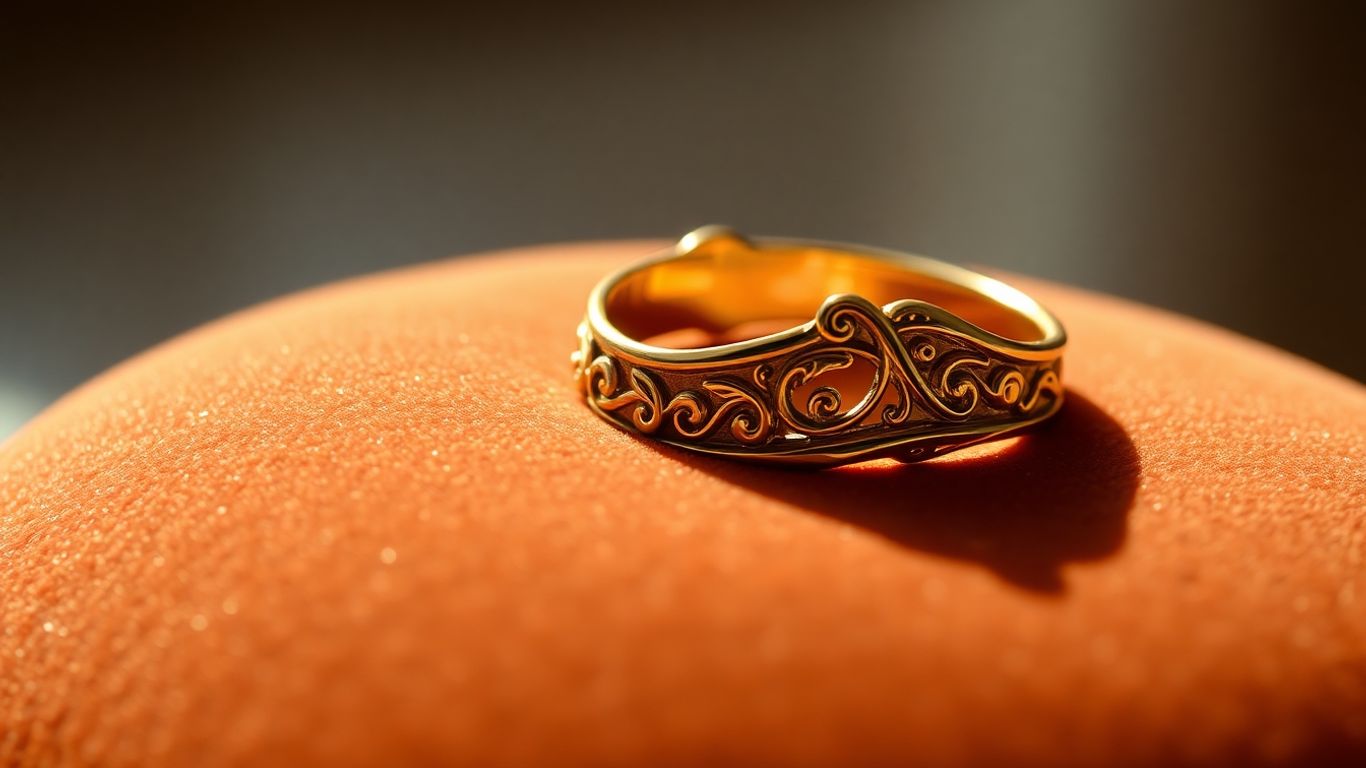
You may have already fallen for a piece of costume jewelry because it was really cheap and went perfectly with your outfit. It's tempting, we agree. But be careful, these little accessories can sometimes hide substances that are not very good for your health. In Europe, there are rules about what is allowed in jewelry, but unfortunately, not everyone respects them. Much of this jewelry comes from Asia and does not always follow the standards. Tests have shown that some jewelry contained quantities of nickel, lead, or cadmium well above the permitted limits. This is quite worrying when you consider that these metals can accumulate in our bodies.
Harmful substances present in some costume jewelry
Some heavy metals found in costume jewelry are truly problematic. For example, lead is bad for the nervous system, especially in children whose brains are still developing. Cadmium, on the other hand, is classified as a carcinogen and can cause kidney or lung problems if exposed to it for too long. Nickel, which is very common, is especially known for causing skin allergies, redness, and itching in sensitive individuals. It is estimated that one in ten people are allergic to nickel. That's not nothing!
The health consequences of heavy metals
When you wear jewelry that contains these metals, you expose yourself to risks. The problem is that these substances can enter your body, for example, if you put your hands to your mouth after touching the jewelry, or if a child puts it in their mouth. Once in the body, they accumulate. In the long term, this can have terrible effects on your health, such as kidney or neurological problems. You really need to try to limit this exposure as much as possible.
How to identify potentially dangerous jewelry
So, how do you spot jewelry that might be harmful? It's not always easy, as it can look a lot like regular jewelry. But there are a few clues. Jewelry that contains a lot of cadmium may seem a little more robust, with less fine details. Jewelry that contains a lot of lead is often heavier and coarser. A simple trick: try holding a magnet close to your jewelry. If it's attracted, it means there's steel in it, and therefore potentially heavy metals. For nickel, if you notice redness or irritation on your skin after wearing it, it's a sign of an allergy. In this case, it's best to stop wearing it.
It's important to know that while regulations exist, their enforcement in the costume jewelry market can be lax. Controls are not always sufficient to guarantee the absence of hazardous substances in all products sold.
Choose a trusted seller for your gold purchases
When buying gold, especially jewelry, you really have to be careful who you buy from. It's not like buying something at the supermarket; this is an investment, and there's a risk of getting ripped off. So, finding the right seller is the first step to avoiding trouble.
The importance of the seller's reputation and expertise
Before you whip out your credit card, do some research on the seller. Do they have a good reputation? Have they been in the business for a long time? A seller with a good reputation and a reputation for reliability is a good start. Look at online reviews and ask around. If someone has a bad reputation, there's often a reason.
Expertise is also extremely important. The seller must be knowledgeable about their subject, be able to explain the purity of the gold and the hallmarks, and answer all your questions without hesitation. If you feel like they're evasive or unclear, be wary.
Guarantees offered by recognized professionals
Recognized professionals, such as jewelers or precious metal specialists, generally offer guarantees. For example, they provide a certificate of authenticity that details the jewelry's characteristics: weight, gold purity (in carats or thousandths), and sometimes even the stones set in it.
Here's what a good certificate should contain:
- The purity of gold : Indicated in carats (such as 18K) or in thousandths (for example, 750/1000 for 18-carat gold).
- The exact weight of the jewel.
- The characteristics of possible precious stones : Size, color, clarity, carat weight.
- A description of the jewel : Its design, its total weight.
- The seller's or expert's contact details who issued the certificate.
A certificate of authenticity is a bit like your jewelry's identity card. It assures you that what you're buying is exactly as advertised and protects you in case of a problem.
The advantages of buying from specialist companies
Companies specializing in the sale of gold, whether jewelry or investment pieces, often have significant advantages. They have in-depth knowledge of the market, can offer you more competitive prices because they buy in bulk, and are subject to strict regulations.
Generally, these companies pride themselves on transparency. They clearly display the price of gold in real time, explain the composition of their products, and offer secure packaging with tracking. This is a guarantee of reliability that allows you to buy with complete peace of mind. In addition, they often offer after-sales services, such as advice on caring for your jewelry or facilities for resale.
Remedies in the event of a dispute over the authenticity of jewelry
Copyright infringement action
If you discover that a piece of jewelry you purchased is a copy of an original creation, you may consider taking legal action for counterfeiting. In France, copyright protects intellectual works from the moment they are created, without any special formalities. This includes jewelry, provided they present a certain originality. For a counterfeit to be recognized, you must prove that characteristic elements of your jewelry were included in the copied model. It is important to note that even slight differences do not necessarily rule out counterfeiting if the overall impression remains identical. To successfully complete this process, it is essential to be able to methodically compare the two pieces of jewelry.
Unfair competition and parasitism as alternatives
Sometimes, even if a piece of jewelry is not considered a counterfeit in the strict sense of copyright law (for example, if the originality is not sufficiently marked), there may be a fault of unfair competition or parasitism. Unfair competition occurs when a company seeks to unduly profit from a competitor's reputation, creating confusion in the public mind. Parasitism, on the other hand, consists of interfering in the wake of another company to profit from its investments or notoriety without having made the same effort. These actions can be taken even if the jewelry is not identical, but simply too similar and sold in a way that misleads the consumer.
The importance of consulting a specialized lawyer
When faced with a dispute concerning the authenticity of your gold jewelry, it is strongly recommended that you consult a lawyer specializing in intellectual property. This professional can help you gather the necessary evidence, such as expert reports or bailiff's reports. They can also guide you in the strategy to adopt, whether it be an action for counterfeiting, unfair competition, or parasitism. A procedure such as seizure for counterfeiting may be considered to collect material evidence. The lawyer will help you assess the chances of success and the potential amounts of compensation for your loss.
If you have a concern about the authenticity of a piece of jewelry, don't worry. There are solutions to resolve this type of problem. To learn more about the steps to follow and how assert your rights, visit our website.
In conclusion: buy smart, wear with pleasure
So, now you know why you should be careful when buying gold. It's easy to get fooled by products that aren't what they claim to be. To avoid unpleasant surprises, always remember to check what you're buying. Ask for documents that prove its authenticity, such as a certificate. If the seller hesitates or can't provide these guarantees, it's best to move on. Your wallet and your peace of mind will thank you. This way, you can fully enjoy your beautiful gold jewelry, knowing that it is what it should be.
Frequently Asked Questions
How do you know if a piece of gold jewelry is really gold?
To be sure of the authenticity of your gold jewelry, you should look at the hallmarks engraved on it. These are small marks that indicate the purity of the gold. An 18-karat gold piece, for example, will have a specific hallmark. If you're buying a valuable piece of jewelry, always ask for a certificate of authenticity. This document will provide you with all the important information about your jewelry.
What is a hallmark on a gold jewel?
A hallmark is like a small signature on your gold jewelry. It is engraved by the manufacturer or the assay office to certify the purity of the gold used. For example, for pure gold (24 karat), you will often find a hallmark with the number 999. For 18 karat gold (which is gold mixed with other metals to make it stronger), the hallmark will often be 750.
Why are some gold jewelry cheaper than others?
The price of gold depends on its purity. A piece of jewelry made of 24-karat gold (very pure) will be more expensive than a piece of 9-karat gold (less pure). The size and weight of the jewelry also play a role, of course. Be careful, if the price seems really low, be wary: it could be an imitation or a poor-quality alloy.
What are the risks if I buy gold jewelry without a certificate?
If you buy gold jewelry without a certificate, you risk being scammed. The jewelry may not be pure gold, or it may be made of poor-quality materials. Without a certificate, it's also more difficult to prove the value of your jewelry if you want to resell it or need to insure it. It's a bit like buying a car without a registration document: you have no warranty.
How to recognize a gold jewel that is not authentic?
There are several tricks to spotting fake gold jewelry. First, check the hallmarks: if there aren't any or if they look suspicious, be careful. You can also test the color: authentic gold has a very specific color. If the jewelry changes color quickly or leaves green marks on your skin, it's probably not gold. A magnet can also help: gold isn't magnetic, so if the jewelry is attracted to a magnet, it means it contains iron or steel.
Where is it safest to buy gold jewelry?
To be on the safe side, it's best to buy your gold jewelry from reputable or trusted jewelers. These professionals are experienced in working with quality gold and will provide you with the necessary guarantees, such as hallmarks and certificates. Avoid street vendors or unreliable websites, as the risk of encountering a counterfeit is much higher.