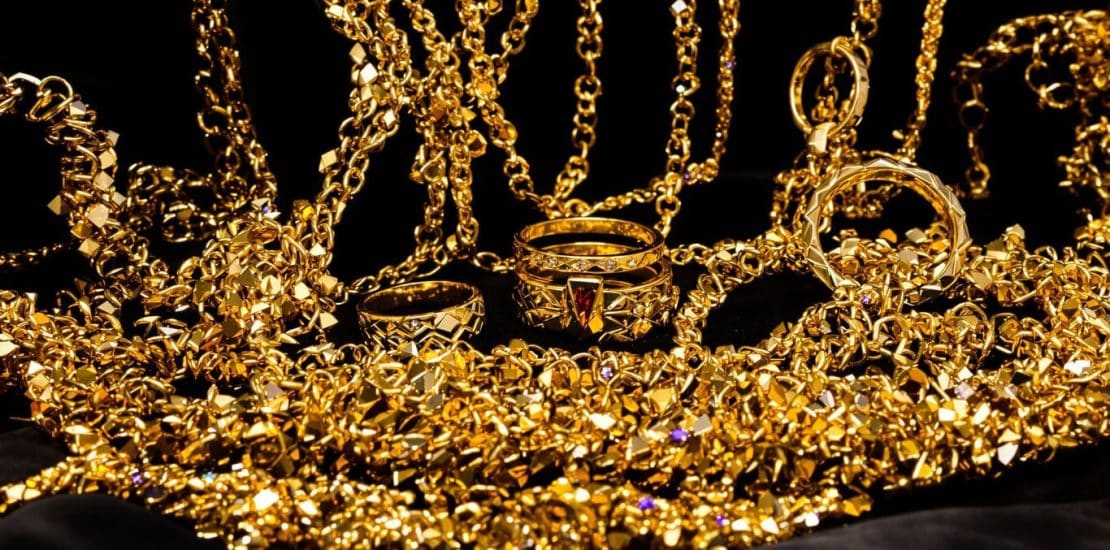
Are you considering selling your gold jewelry? It's a great way to increase the value of your belongings, but be careful, the path can be fraught with pitfalls. To ensure a fair and secure transaction, it's crucial to know how to avoid the most common pitfalls. This article guides you through the key steps to selling your gold jewelry with confidence, protecting you from unpleasant surprises. What are the pitfalls to avoid when selling gold jewelry?
Key points to remember
- Make sure you know the value of your gold jewelry by checking the fineness, weight and presence of precious stones.
- Choose a reputable and professional buyer, check their registration, and be wary of offers that sound too good to be true.
- Take your time comparing offers and don't be pressured into selling; always ask for a detailed receipt.
- Be particularly careful with antique or stone-set jewelry; do not underestimate the value of the stones and ensure they are returned if necessary.
- Avoid unsecured transactions between individuals and favor professionals for a supervised and protected sale.
Correctly assess the value of your gold jewelry
Before parting with your gold jewelry, it's essential to understand how its value is determined. Don't rely solely on appearance or the emotion these pieces evoke. A fair and accurate appraisal is the first step to getting a fair price.
Understanding Gold Grade and Purity
Pure gold is great, but most of your jewelry isn't 100% pure. It's actually an alloy. The fineness, often expressed in carats or thousandths, indicates the proportion of fine gold in the metal. In France, you'll most often find 18 carats (750 thousandths, or 75% pure gold) or 14 carats (585 thousandths, or 58,5% pure gold). The higher the fineness, the more pure gold your jewelry contains, and therefore, the greater its intrinsic value. It's essential to know this figure to calculate the basis for the value of your item.
Find out about the current price of precious metals
Le gold price The price of gold fluctuates constantly on international markets. This daily rate is a determining factor in the valuation of your jewelry. Before selling, take the time to check the price of gold. You can find this information on specialized websites or from professionals. Knowing where the market stands will give you a clear idea of the current value of your gold, gram by gram, based on its fineness.
Identify the presence of precious stones or watches
Your jewelry may not be just gold. If it's adorned with precious stones (diamonds, sapphires, rubies, etc.) or if it's a valuable watch, appraising it can be more complex. Unscrupulous buyers may minimize the value of these items or even claim they're fake. It's important to know if your stones are authentic and what quality they are. For watches, their make, model, and condition can add significant value beyond that of the precious metal alone. Don't hesitate to request a separate appraisal for these items, as they can significantly increase the selling price of your jewelry.
Choosing a Trusted Buyer for Your Jewelry
Finding the right person to buy your gold jewelry isn't always easy. The market is full of offers, whether online, in newspapers, or even in your mailbox. But be careful, not everyone is necessarily trustworthy. Some buyers may try to offer you a price far below what your piece is actually worth, or minimize the value of the stones set in it. Therefore, it's essential to know who you're dealing with.
Favor established and recognized professionals
When selling your gold jewelry, it's best to turn to established professionals. Consider jewelers with a physical store, or companies specializing in the purchase of precious metals that have been around for a while. These people generally have a good reputation to uphold. If you have a problem after the sale, you know where to find them. This provides significant security.
Check the registration and patent of buyers
Before committing, take the time to check whether the buyer is properly registered and has the necessary permits, such as a business license. In France, there are registers that help ensure the legality of the activity. Be wary of buyers who cannot prove their professional status. If a buyer doesn't give you clear information about their identity or registration, this is a red flag.
Be wary of itinerant or unidentifiable buyers
Be especially cautious with buyers who travel, make rounds, or have no fixed address. They can be difficult to locate in the event of a problem. Likewise, if someone offers to come to your home to appraise your jewelry, or if they want to take your item to be appraised elsewhere, remain vigilant. It's best to complete the transaction in a safe and familiar location.
It's important not to rush into anything. Take the time to compare offers from several buyers. A proposal that's too good to be true is often suspect. Don't hesitate to request several quotes before making your decision.
Precautions to take during the transaction
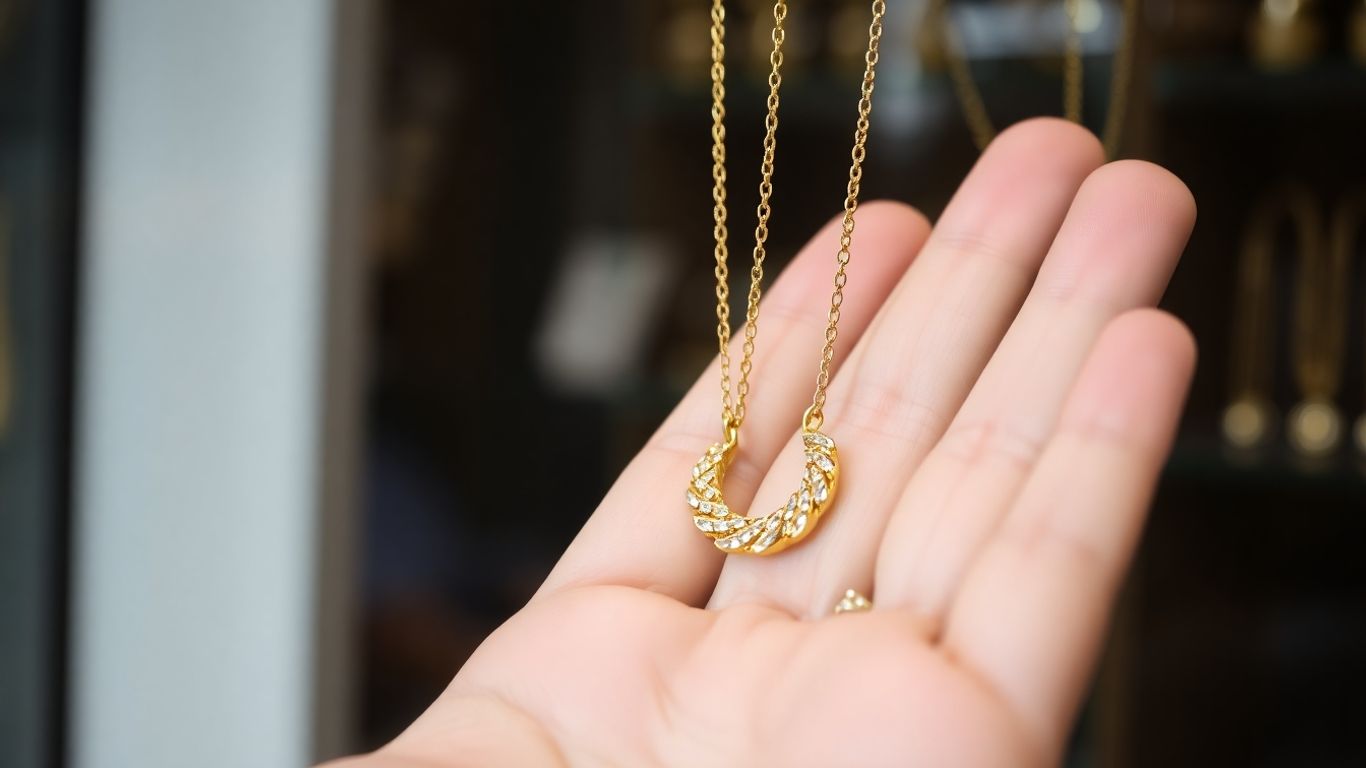
Once you've found a buyer and are ready to sell your gold jewelry, it's essential to remain vigilant and take certain precautions to ensure the transaction goes as smoothly as possible.
Don't let yourself be pushed into a sale and take your time
It's important to never feel rushed into selling. If a buyer pressures you, it's often a sign there's something to hide. Take the time to consider the offer, and compare it with other offers if possible. Selling gold jewelry should never be a decision made in haste. If an offer seems too good to be true, it probably is. Be wary of prices that significantly exceed the current gold price; this may hide less than honest intentions.
Always request a detailed receipt
This is a non-negotiable step. A professional and honest buyer will always provide you with a detailed receipt. This document should clearly state: your name and address, the buyer's name and address, a precise description of the jewelry (weight, gold grade, presence of stones), the agreed price, and the date of the transaction. This receipt is your proof of purchase and protects you in the event of a dispute. Make sure the document is signed by both parties. If a buyer refuses to provide such a document, consider this a major red flag.
Refuse offers that are too good to be true or unrealistic.
Be realistic about the value of your jewelry. If a buyer offers you a price much higher than you could reasonably expect, ask yourself questions. There could be hidden clauses, or the buyer could be trying to mislead you about the quality or weight of the gold. Likewise, if the offer is unusually low, it could indicate that the buyer is trying to take advantage of your lack of information. It's always best to get multiple opinions and offers before committing. A fair transaction is one in which both parties feel satisfied with the agreed price, without feeling like they've been cheated.
Understanding the specificities of antique or set jewelry
Do not accept the undervaluation of precious stones
When selling gold jewelry, especially if it's antique or has stones, you need to be careful. Unscrupulous buyers will often tell you that the stones in the jewelry are fake or worthless, even if they aren't. They do this to offer you a lower price. Don't be fooled by these easy arguments.
Ensure that genuine stones are returned before weighing
If your jewelry contains significant gemstones, the buyer should normally remove them before weighing the gold. They must return them to you. If the seller can't do this on-site, ask for an itemized receipt and take photos of the jewelry before leaving it. This gives you proof of what you've entrusted.
Consider the numismatic value of coins or watches
Sometimes, an old watch or gold coin can be worth much more than just the weight of the gold it contains. These items may have historical, artistic, or collectible value. This is called numismatic value for coins, or simply collectible value for watches. It's important to research these aspects before selling, as an uninformed buyer could offer you a price based solely on the weight of the gold, thus losing you money.
Risks associated with transactions between individuals
Selling your gold jewelry to another individual may seem like a good idea to avoid professional fees, but beware, the risks are very real. It's important to know that these transactions often take place without a clear legal framework, leaving you with no recourse in the event of a problem. Furthermore, valuations can be inaccurate, causing you to sell your gold well below its real value. And what about payments? You can quickly end up with a bad check or a wire transfer that never arrives.
Protecting against transactions without a legal framework
When selling your gold to a private individual, it's easy to fall into an informal transaction. Without a written contract, it's difficult to prove what was agreed upon. Therefore, it's essential to formalize the sale, even between private individuals. This can take the form of a simple itemized receipt, but a real sales contract would be even better. This document should include:
- A precise description of the jewelry sold (weight, title, description of any stones).
- The agreed price for each item.
- Full contact details of the seller and buyer.
- The date and place of the transaction.
- A statement indicating that the seller certifies that he is the legitimate owner of the jewelry.
Avoid unsecured payments and bounced checks
Payment is often the most sensitive point in a transaction between individuals. Checks, while common, present a high risk: they can bounce or be forged. It's best to opt for more secure payment methods:
- Cash payment : For small amounts, this is often the simplest and safest option, provided you can verify the authenticity of the notes. However, the law imposes limits on cash transactions.
- Instant bank transfer: Make sure the transfer has arrived in your account before handing over the jewelry. This is a traceable and relatively secure method.
- Bank check: If a check is the only option, request a cashier's check certified by the buyer's institution. This ensures funds are available.
It's crucial to never hand over your jewelry before confirming that payment is complete and secure. Don't be rushed by the buyer; take the time to double-check each step.
Favor professionals for a secure sale
Faced with all these risks, the safest solution remains to go through recognized professionals. They are experienced in these transactions, familiar with the regulations, and have the necessary tools for a fair assessment and secure payment. Even if this involves a fee, the peace of mind and the guarantee of an honest transaction are often worth it. Remember to check their reputation and official registration before committing.
Protect yourself against common scams
Unfortunately, there are malicious people out there who seek to profit from the sale of gold jewelry. You must remain vigilant to avoid falling into their traps. Offers that seem too good to be true are often a warning sign.
Identifying unscrupulous buyers
Some buyers may try to undervalue your jewelry, especially if it contains precious stones. They may claim that the stones are worthless, even though they have intrinsic value. Therefore, it's important to research the value of these stones before selling. Also, be wary of buyers who pressure you to sell or make offers that seem overly generous compared to the current gold price. These offers may be an attempt to defraud you.
Be wary of home visits or off-site estimates
Buyers who offer to come to your home to appraise your jewelry, or who want to take your gold elsewhere for an appraisal, are often best avoided. This makes the transaction less transparent and gives you less control. It's best to meet the buyer in a safe, well-marked location, such as their store or a professional office. If someone insists on coming to your home or taking your jewelry, this is a major red flag.
Don't rely solely on the prices offered
Price is important, of course, but it's not the only criterion. A buyer who offers a price much higher than the market rate could have ulterior motives. It's always a good idea to compare several offers. Remember that established professionals, those with a good reputation and a good reputation, are generally more reliable. They are required to comply with regulations and have an interest in maintaining a trusting relationship with their clients. Remember to check if they are registered or licensed, especially if they make gold buying their main business.
It's essential to stay informed about the gold price and not be fooled by promises of quick profits. A successful transaction relies on trust, transparency, and a fair assessment of the value of your assets.
It is important to remain vigilant against common deceptions. Learn to recognize them so protect your hard-earned moneyDon't fall for offers that sound too good to be true. To learn more about how to protect yourself, visit our website.
Be vigilant and sell with confidence
There you have it, you now have all the information you need to sell your gold jewelry without any unpleasant surprises. Remember: find out the current price, have your pieces appraised by several professionals, and always choose a serious and reputable buyer. A successful sale is one where you're sure you've received a fair price for your precious possessions. Take your time, don't be rushed, and your selling experience will go smoothly.
Frequently Asked Questions
How do I know if my gold jewelry is worth a lot?
To know the value of your gold jewelry, you must first look at its purity, that is, how much gold it contains. This is called the fineness. Then, you must look at the current price of gold, as it changes all the time. If your jewelry has stones, you must also consider their value.
Who should I sell my gold to to make sure I don't get scammed?
It's safer to sell your gold to established professionals, such as jewelers or specialized buyers who have been around for a long time. Be wary of people who go door to door or don't clearly identify themselves. Always ask for a detailed receipt of the sale.
Should I hurry to sell my gold if I get a great offer?
No, absolutely not! Take your time to think it over and compare offers from several buyers. If an offer seems too good to be true, it's often because there's a catch. Don't be rushed; it's your jewel and your decision.
My family necklace has old stones. Will the buyer take them into account?
Be careful, some buyers say that old stones are worthless. If the stones are really valuable and large, the buyer should remove them before weighing the gold and return them to you. If in doubt, take photos before leaving your jewelry.
Is selling my gold to a friend a good idea?
Selling your gold to an individual, even a friend, can be risky. There isn't always a clear framework, and you could run into problems with payment, for example, if the check isn't good. It's safer to go through a reputable professional.
How can I spot scams when selling my gold?
Be wary if someone offers to come to your home to appraise your gold, or if they want to take your jewelry to be weighed elsewhere. Don't be fooled by high prices, as this can be a trap. Research the person or company thoroughly before selling.