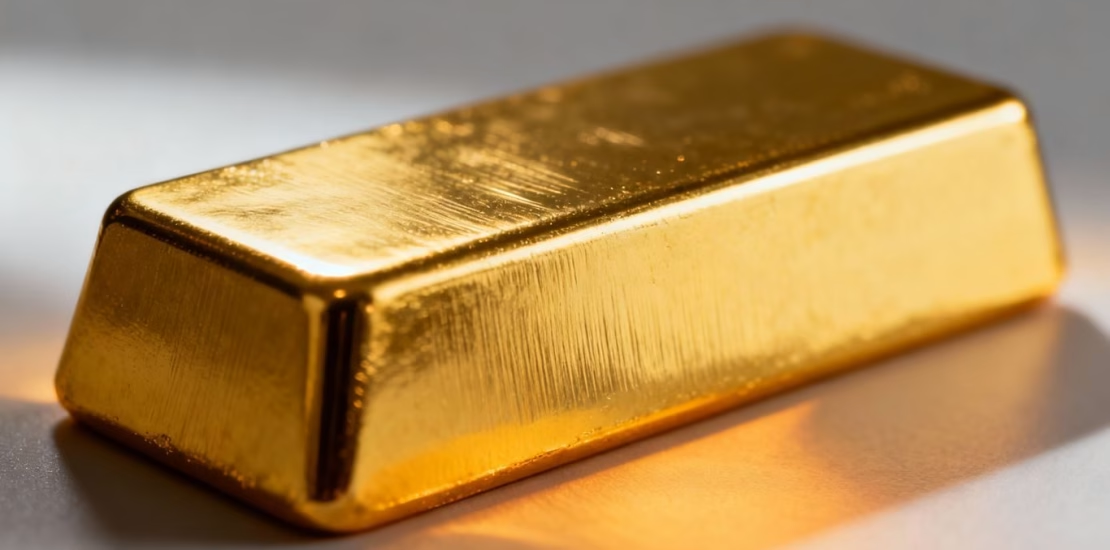
Do you own a gold bar and wonder if it's genuine? That's an excellent question, as the market can sometimes throw curveballs. Knowing how to recognize a genuine gold bar is essential to protecting your investment. Don't worry, we'll guide you through the steps to ensure your precious metal is exactly what it claims to be.
Key Takeaways
- Carefully check the official markings on the ingot, such as the manufacturer's name, weight, and purity (often 999,9‰). These markings must be clear and precise.
- Familiarize yourself with recognized purity standards and certifications, such as those of the LBMA (London Bullion Market Association), which guarantee quality and authenticity.
- If in doubt, do not hesitate to use simple home tests (such as the magnetic test) or to call on professionals for a thorough analysis.
The essential characteristics of a genuine gold ingot
When we think about investing in gold, we often picture ingots. That's normal; it's a classic. But how can you be sure that the one you're holding is real gold? There are details you should know, things that make all the difference between a genuine treasure and a fake.
Identify the markings and inscriptions
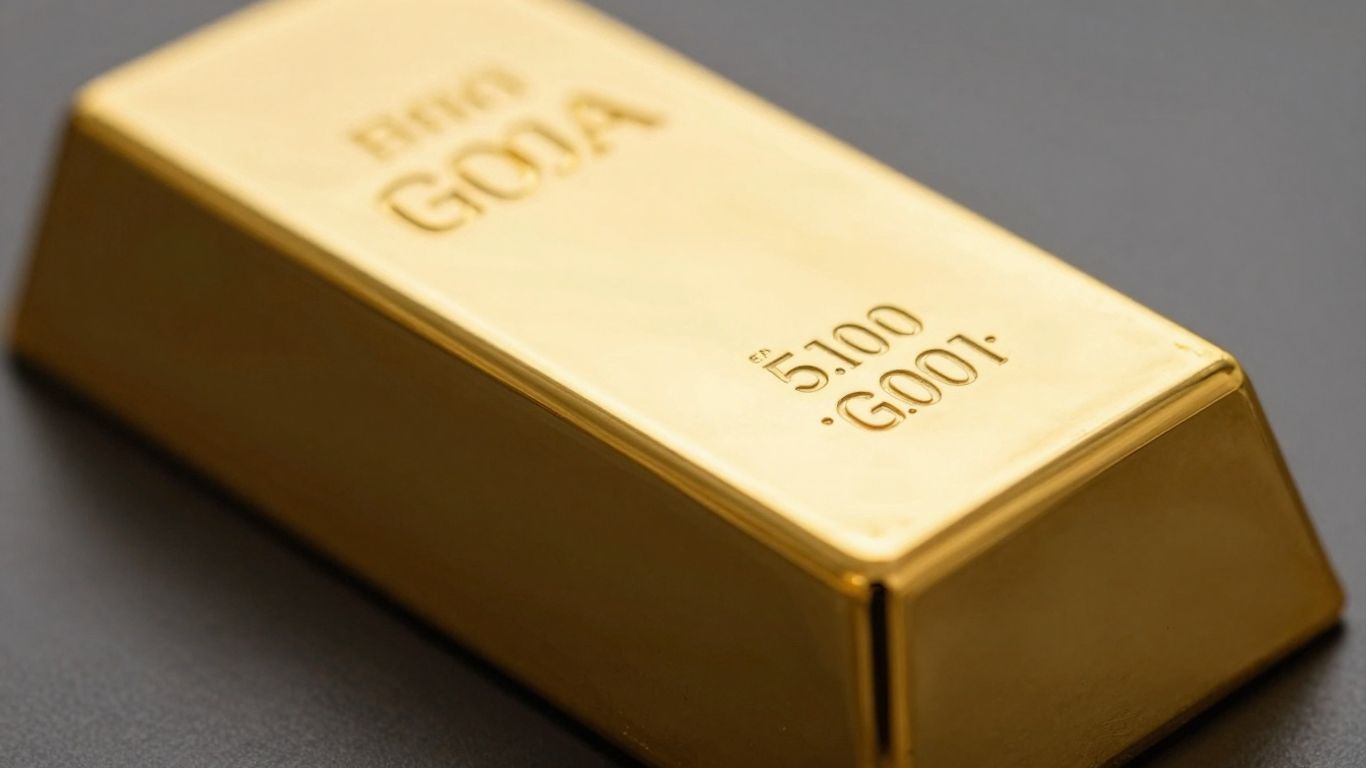
Take a good look at the ingot. A genuine ingot carries precise information, carefully engraved. You should find the manufacturer's name or logo, often a recognized refiner like Metalor, Umicore, or Heraeus. It will also be marked "Gold" or "Au," the exact weight (for example, "1 kg" or "500 g"), and most importantly, the purity. This is usually indicated in parts per thousand, such as "999,9‰," meaning it is 99,99% pure. A unique serial number is also an important hallmark for traceability.
Pay attention to the quality of these inscriptions. Spelling mistakes, blurry engravings, or a generally neglected appearance can really be a sign that something is wrong.
Understanding purity and certification standards
Investment gold must meet strict standards. The best known is that of the LBMA (London Bullion Market Association)If your gold bar is certified by the LBMA, it means it was produced by a refiner that adheres to very high quality standards. These bars are often listed as "Good Delivery," which guarantees their acceptance on international markets.
Here's what you should ideally find:
- Purity: Generally 999,9‰ (or 24 carats) for investment gold.
- Certificate of authenticity : It often accompanies the ingot, especially for smaller sizes. It must contain all the key information: weight, purity, serial number, manufacturer's name and date of manufacture.
- Serial number : Unique to each ingot, it allows it to be traced.
- Sealed: Many ingots are sold in a secure blister pack which guarantees that they have not been opened or tampered with since their manufacture.
It's important to know that even if a gold bar is clearly marked, you should always remain vigilant. Increasingly sophisticated counterfeits exist, sometimes even packaged in blister packs. Your first line of defense is to carefully examine the markings and understand the standards.
Methods to verify the authenticity of a gold ingot
Once you have a gold bar in your hands, it's natural to want to verify that it's genuine gold. Fortunately, there are several ways to do this, some you can test yourself, others that require the help of professionals.
Before attempting any manipulation, carefully examine your gold bar. Crude forgeries can sometimes betray their true nature through subtle details. For example, gold is not magnetic. If you bring a strong magnet close to the bar and it reacts, that's a very bad sign. It's a simple check, but one that can save you a lot of trouble.
Another, slightly more technical method is the touchstone. This is a special stone on which you rub your gold bar to leave a mark. Then, you apply acids of varying purities (such as 14 karat, 18 karat, etc.) to this mark. If the mark doesn't react to the acid corresponding to its presumed purity, that's a good sign. If it changes color or dissolves, it's not pure gold.
Please note that these home tests can provide an indication, but they are not infallible. They can also, if performed incorrectly, damage your gold bar.
Here are a few points to check quickly:
- Weight and dimensions: Compare them with the usual specifications for the advertised weight. A 100g ingot must have precise dimensions.
- The colour : Pure gold has a fairly distinct yellow color. If the ingot is too pale or too dark, be wary.
- The markings: Check the clarity and precision of the markings (manufacturer, purity, weight, serial number). Spelling mistakes or blurry engravings are suspicious.
If you have any doubts, or if you have just acquired a valuable gold bar, it is always safer to use professionals. They have tools and knowledge that the general public does not.
Precious metal dealers or specialist jewelers can perform more in-depth analyses. They often use spectrometers, for example. These devices analyze the metal's composition by emitting X-rays and measuring the reflected radiation. This non-destructive method provides a very precise indication of the gold's purity and the presence of other metals.
For absolute certainty, some laboratories offer even more advanced analyses, such as cupellation or neutron activation analysis. These methods are more expensive and generally reserved for very high-value transactions or ingots whose authenticity is seriously questioned. The cost of these analyses can vary, but it is often proportional to the complexity of the tests performed, ranging from a few dozen to several hundred euros.
In summary, to be sure of your decision:
- Start with simple checks at home (magnet, markings).
- If you are in doubt, use a touchstone with caution.
- For complete peace of mind, especially for large sums of money, consult a professional who can carry out more in-depth analyses.
Wondering how to be sure a gold bar is genuine? It's an important question when you're looking to invest. There are several simple ways to check its quality and ensure it's a real gold bar, avoiding any unpleasant surprises. To learn more about these methods and shop with confidence, visit our website today!
In conclusion: your gold, your security
There you have it, you now have some tips to check if that ingot you're holding is real gold. It's not always easy, I know; you see all sorts of things on the internet, and sometimes even the fakes are very well done. But by paying attention to details like hallmarks and weight, and by choosing trusted sellers, you'll give yourself the best chance. Remember that gold is, above all, a safe investment for your wealth. So, take the time you need to be sure of your purchase; your wallet will thank you!
Frequently Asked Questions
How can I be sure that my gold bar is not a counterfeit?
To be certain of your gold bar's authenticity, carefully examine the markings on it. They should be clear and precise, including the manufacturer's name, the weight, and the purity (for example, 999,9‰). If the markings are blurry or poorly done, be wary. You can also check if it's magnetic: gold is not. If you have any doubts, it's best to consult a professional.
What important information should you find on a gold ingot?
On a genuine gold ingot, you should find several essential pieces of information. There's usually the manufacturer's name or logo, which should be precisely engraved. There's also the weight (in grams or kilograms) and, most importantly, the purity, often indicated in thousandths (‰), such as 999,9‰ for very pure gold. A unique serial number is also often present to identify each ingot.
Can I perform simple tests at home to check my gold bar?
Yes, you can do a few simple checks. For example, gold isn't magnetic, so if your ingot is attracted to a magnet, it's probably a fake. You can also check the color: pure gold has a bright, fairly distinct yellow hue. If you see any discoloration or markings that look like plating, be cautious. However, for absolute certainty, it's always best to consult an expert.