You might be wondering: How do geopolitical tensions affect gold? It's a relevant question, especially when you see the headlines. Conflicts, sanctions, decisions by major powers… all of this seems to impact the price of this precious metal. Let's look at how these global events translate concretely into the price of gold, and what that might mean for you.
Key Takeaways
- Gold is often considered a safe haven asset. When the world is shaken by geopolitical crises, people tend to buy gold to protect their money. This drives up its price.
- Central bank decisions, such as changing interest rates or buying large quantities of gold, play a significant role. Economic sanctions against certain countries can also prompt central banks to purchase gold, thereby increasing demand and consequently the price.
- Military conflicts and trade wars have a direct effect on the price of gold. For example, a war can cause the price of an ounce of gold to rise rapidly. Even economic concerns, such as inflation, drive investors toward gold.
Gold, a barometer in the face of global crises
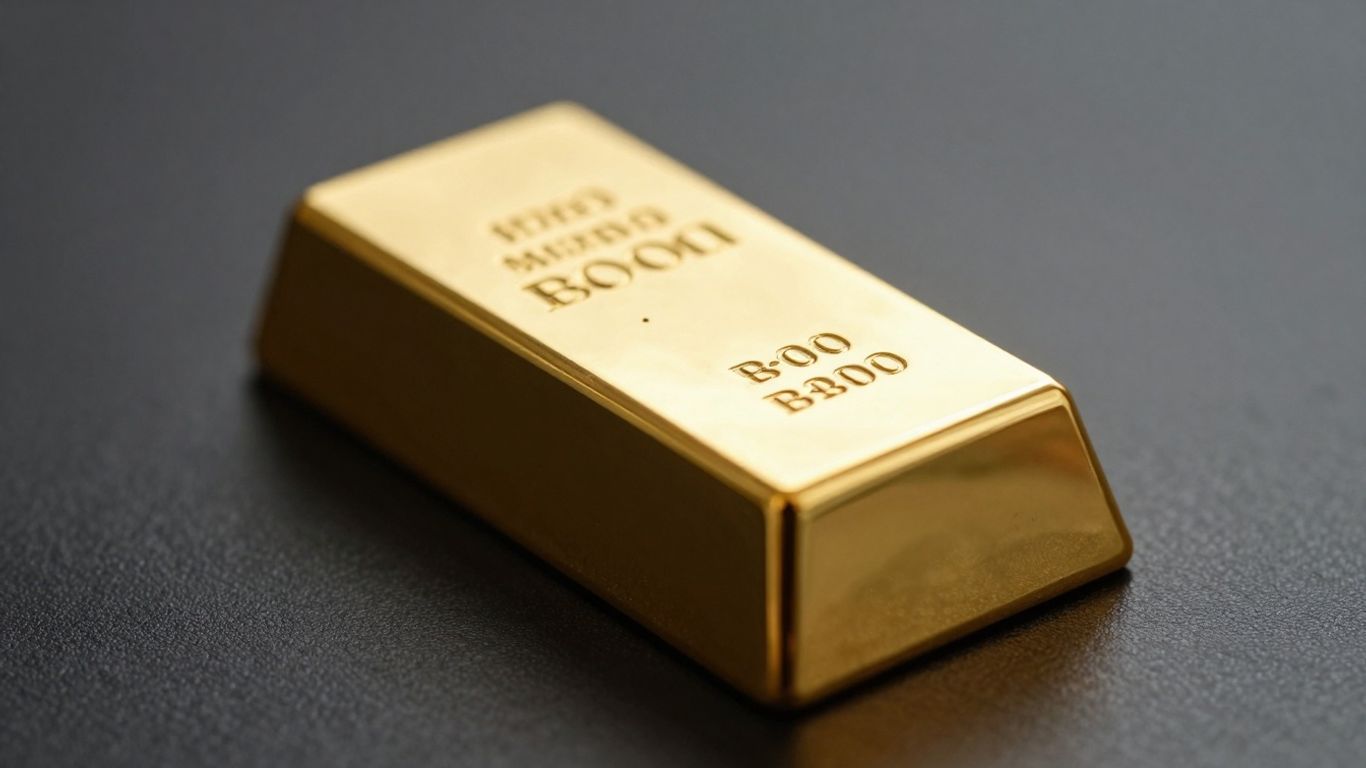
Have you ever wondered why, when things get turbulent on the international stage, we hear about gold? It's not a coincidence. This yellow metal is often seen as a symbol of wealth, but it also plays a much deeper role: it acts as an indicator, a bit like a thermometer, to measure market anxiety and investor confidence.
The impact of geopolitical tensions on gold's safe-haven status
When the news reports conflicts, tensions between countries, or political instability, that's when gold starts to shine a little brighter. Why? Because in those times, money and stocks can seem less safe. People then look for a place to keep their money secure, something that has held value for centuries and doesn't depend on government decisions or the health of a company. Gold is, in a way, the ultimate safe haven.
We saw that recently, for example. When tensions in the Middle East rose, and the dollar weakened a bit, the gold price It jumped. That makes sense, doesn't it? Investors are thinking: "It's better to have gold on hand than dollars that could lose value."
| Geopolitical Context | Impact on Gold Price |
|---|---|
| Rising tensions (e.g., Middle East) | Uptrend |
| Major political crisis | Strong demand, significant increase |
| Period of international calm | Stability or slight decline |
Conflicts and their influence on the price of precious metals
Wars are obviously a powerful driver of the gold price. Think of the war in Ukraine. As soon as the conflict broke out, we saw the price of gold skyrocket, especially in Europe. It was a fairly direct reaction: the uncertainty was enormous, and gold became a natural safe haven. People wanted to protect themselves.
This is nothing new. History is full of examples where military crises have caused the price of gold to skyrocket. It's as if, faced with the violence and unpredictability of conflicts, humanity is returning to this simple and solid metal.
Gold, by its tangible nature and its value recognized throughout the ages, offers an anchor of stability in a constantly changing world. It does not depreciate over time like fiat currency, and its scarcity makes it intrinsically precious.
Basically, when the world is in turmoil, you can often bet that gold will react. It's a bit like a reflection of our collective anxieties, materialized in a precious metal.
The mechanisms influencing the price of gold during periods of uncertainty
When the world seems a bit chaotic, you might wonder what's driving the price of gold. It's not just a matter of demand for jewelry or industry, far from it. Several factors, often linked to world events, play a significant role.
The role of monetary policies and economic sanctions
Central banks have a huge influence on the price of gold. When they decide to change their interest rates, for example, it has a direct impact. If rates rise, saving becomes more attractive, and gold, which doesn't yield any direct return, may seem less appealing. Conversely, when rates are low, gold can become more attractive. It's a bit like a balancing act.
Economic sanctions can also be a game-changer. When a country is targeted by sanctions, other countries or institutions may turn to gold to diversify their reserves, especially if they want to move away from the dollar. This increases demand and can drive up the price.
Strategic purchases by central banks
You know, central banks aren't just there to print money. They also manage enormous reserves, and gold is part of that. In recent years, we've seen many central banks buying gold. Why? To protect themselves against unforeseen events, to stabilize their currency, or simply to diversify their assets. When these large institutions buy in bulk, it creates strong demand that supports, or even drives up, the price of gold.
It's almost as if they're sending a strong signal to the market: "Gold is safe." And that also attracts private investors looking to secure their own money. It's a kind of chain reaction where institutional confidence reinforces the appeal of the precious metal for everyone.
In short, the price of gold is not set in a vacuum. It reacts to the decisions of major financial institutions, international tensions, and government strategies. It is, to some extent, a reflection of the health of the global economy and the confidence of key players in the current financial system.
When everything is uncertain, the gold price Its value can change. Global events, such as crises or political shifts, can cause it to rise or fall. It's a bit like a safe haven for money when times are tough. Want to know how these things affect the price of gold? Find out more on our website and learn how to navigate these challenging times.
So, what can we learn from all this?
So, you've seen how global events, both minor and major tensions, can really move the price of gold. It's not just a matter of speculation; it's a bit like a thermometer of global anxiety. When things are heating up somewhere, gold tends to appreciate. So, if you're wondering where to invest your money, keeping an eye on what's happening in the world can give you some clues. Gold remains a safe haven, especially when times are a bit uncertain. It's a bit like our safety net, in a way.
Frequently Asked Questions
Why does gold rise when there are tensions in the world?
When countries are in conflict or things get complicated between them, people worry about their money. They think that traditional currencies (like the euro or the dollar) could lose value. Gold, on the other hand, is considered safer. It has always maintained its value over time. As a result, many people buy gold as a hedge, which drives up its price.
Do central banks buy gold when there are global problems?
Yes, absolutely! Central banks, which manage a country's money, often buy gold when they sense the world is becoming less stable. They do this to have solid reserves that aren't dependent on the decisions of other countries or currency fluctuations. When they buy a lot of gold, it also signals to others that gold is a safe investment, and this can drive up its price.
How do economic sanctions affect the price of gold?
When sanctions are imposed, for example against a country, it can disrupt global trade and make currencies less reliable. Countries targeted by these sanctions, or those worried about what might happen to them, may turn to gold to protect their money. They may also sell other assets to buy gold. All of this increases the demand for gold and can therefore drive up its price.