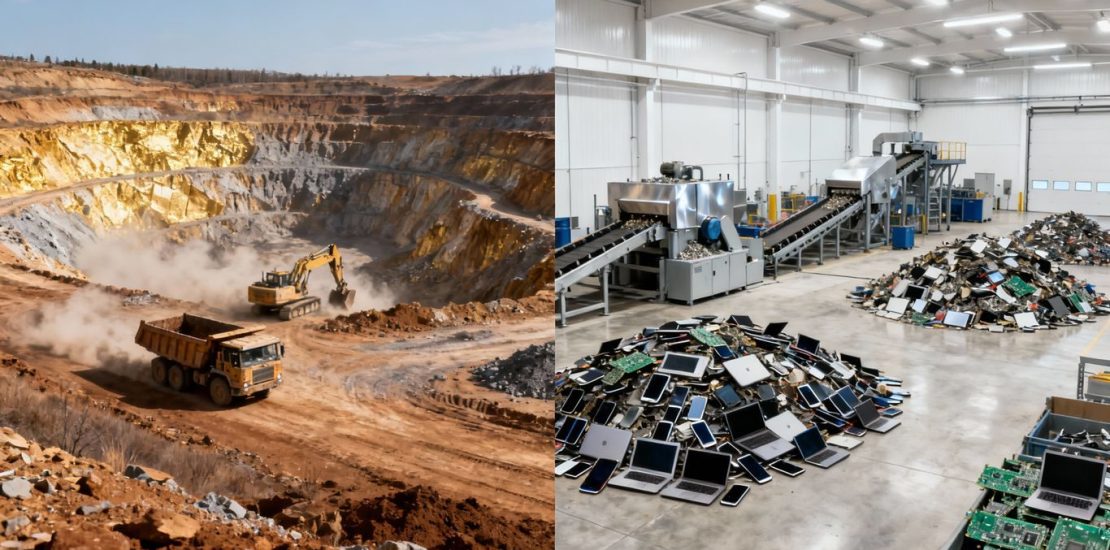
Are you wondering about the environmental impact of gold mining? It's an excellent question, because this precious metal, a symbol of wealth, hides a far less glamorous reality for our planet. The brilliance of your jewelry or the value of your investments comes at a price. Together, we'll explore the various facets of this issue, from chemical pollution and ecosystem destruction to the human consequences.
Key Takeaways
- Gold mining causes serious chemical pollution of soils and waters through the use of mercury and cyanide, and generates enormous quantities of toxic waste.
- Gold mining leads to deforestation, irreversibly alters landscapes and has harmful social consequences such as precarious working conditions and land conflicts.
- The carbon footprint of new gold is considerably higher than that of recycled gold, mainly due to the energy consumption associated with extraction and refining.
- Gold recycling offers major environmental benefits by decreasing the demand for primary gold, reducing pollution and preserving natural resources.
- Opting for recycled gold is part of a circular economy approach, requiring less energy and chemicals, and contributing to more responsible and traceable production.
The environmental impacts of gold mining
When we think of gold, we often imagine its brilliance and value. But behind this shine lies an extraction process that can leave some rather dark traces on our planet. You might be wondering what these impacts are? Brace yourselves, because they are numerous and sometimes devastating.
Chemical pollution and soil and water contamination
Gold mining, especially in artisanal or small-scale operations, often uses highly toxic chemicals. Mercury, for example, is used to bind gold to sediments. Once released, this mercury contaminates rivers and soils, eventually entering the food chain. Imagine poisoned fish, infertile land… It's a reality. Cyanide is also used in larger operations to dissolve gold from the rock. Although more regulated, its use still poses significant risks in the event of a leak or improper waste management. These substances can persist in the environment for a very long time, rendering areas uninhabitable or hazardous to health.
Chemical waste from mining can permanently poison aquatic and terrestrial ecosystems, affecting biodiversity and the health of local populations.
Deforestation and landscape transformation
Accessing gold deposits often requires clearing vast areas. This means razing entire forests. Think of rainforests, which harbor incredible biodiversity. When they disappear, entire ecosystems are destroyed. Landscapes are radically altered, transforming from lush green spaces into gaping scars in the earth. These deforested areas also serve to store enormous quantities of mining waste, which, as we have seen, can be toxic. This transformation is not merely visual; it has direct consequences for the climate and wildlife.
The massive production of toxic waste
Gold mining generates a phenomenal amount of waste, known as tailings. To give you an idea, it's estimated that several tons of waste are needed to produce a single gold ring. These tailings are not harmless; they often contain traces of the chemicals used (mercury, cyanide) as well as heavy metals and acidic substances. They are generally stored in large ponds. The problem is that these ponds are not always perfectly watertight. Rain can cause them to overflow, or worse, the dikes can break, leading to major ecological disasters, as seen in some dramatic cases where entire rivers have been polluted by millions of cubic meters of toxic sludge. Even without a dramatic rupture, small leaks can contaminate groundwater over the long term.
The social consequences of gold mining
The allure of gold, this highly coveted metal, often masks a much darker reality for the people who live near mining sites. You might be surprised to see how the search for this precious metal can disrupt lives.
Precarious working conditions and dangerous working conditions
Imagine having to work in extreme conditions, without the necessary safety equipment. This is the daily reality for many gold miners, especially in small or illegal mines. The risk of accidents, such as cave-ins, is constant. Not to mention the inhalation of toxic dust or direct exposure to hazardous chemicals like mercury. The health and safety of these workers are too often sacrificed for profit.
- Risk of serious accidents Rockfalls, falls, asphyxiation.
- Exposure to toxic substances Mercury, cyanide, fine dust.
- Lack of protective equipment Gloves, masks, helmets often missing.
- Long working hours Often in exhausting conditions.
Working conditions in some artisanal gold mines are particularly worrying, exposing miners to immediate dangers and long-term health problems, often without any compensation or support.
Conflicts related to land control and population displacements
The arrival of gold mining in a region can quickly become a source of tension. Large companies, small-scale operators, and sometimes even armed groups vie for control of gold-rich areas. This often leads to open conflict, forcing entire communities to leave their ancestral lands. These displacements are not simply a change of residence; they often mean the loss of their culture, livelihoods, and identity.
Child labor in artisanal mines
This is undoubtedly one of the most shocking aspects of gold mining. In many regions, children are forced to work in the mines. They are exposed to the same dangers as adults, but with far greater vulnerability. They miss school, lose their childhood, and suffer physical and psychological trauma that can last a lifetime. This is a blatant violation of their most fundamental rights.
Comparative carbon footprint: new gold vs. recycled gold
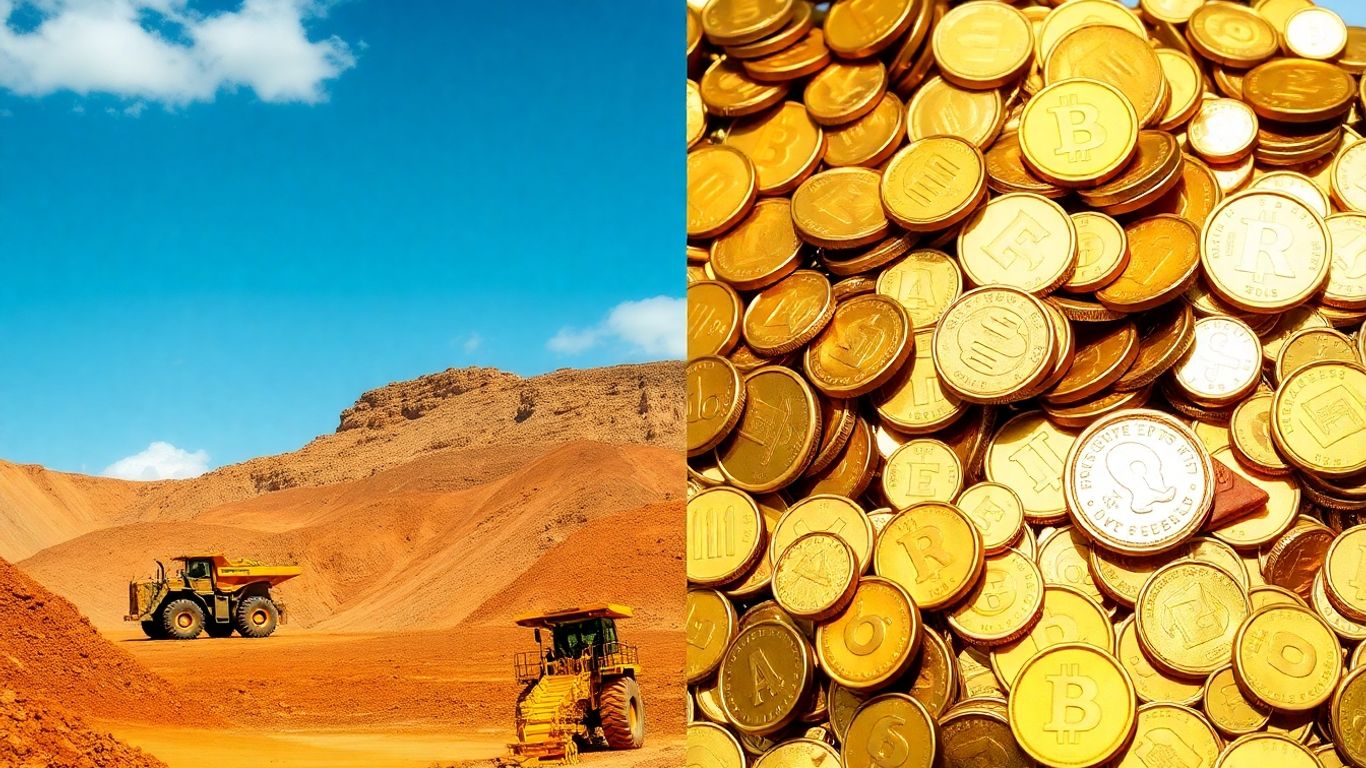
When we talk about gold, we often think of its value, its brilliance, but rarely of the energy it took to obtain it. And frankly, there's a huge difference between gold extracted from the earth and gold that's recycled. It's a bit like comparing a brand-new car straight from the factory to a used car that's already seen some use. Both have their uses, but their impact on the planet is not the same.
Energy consumption of new gold
To obtain brand-new gold, you have to dig, grind, process… In short, it's a process that requires an enormous amount of energy. Think of the huge machines running day and night, the chemicals used to separate the metal from the rock. It's estimated that producing just one kilogram of new gold can consume as much energy as a household uses over several years. It's colossal when you think about it.
- Extraction and drilling: Often in open-pit mines, this requires moving tons of earth.
- Crushing and processing: The rocks must be reduced to dust, then chemically treated, notably with cyanide, to extract the precious metal.
- Refining: The raw gold must then be purified to reach the desired level of quality.
Reducing CO2 emissions through recycling
Now, let's talk about recycled gold. This is gold that already exists, found in old jewelry, electronic components, and so on. Instead of letting it go to waste, it's collected, melted down, and given a new life. The main advantage? It eliminates all mining, which is the most energy-intensive and polluting part of the process. Recycled gold can emit up to 80% less CO2 than gold mined from the earth. This is a huge difference that weighs heavily in the ecological balance.
Here's an idea of the difference in carbon footprint:
| Gold type | Carbon footprint (kg CO₂e/kg) |
|---|---|
| Recycled gold | About 2 |
| New gold | About 14 |
Impact of transport and refining
Of course, recycling isn't entirely neutral. There's also the transportation of the materials to be recycled, the melting and purification processes. But even taking these steps into account, the impact remains far less than that of primary mining. The choice of energy source for refining and the efficiency of the process also play a role, but overall, recycled gold is a much better option for the planet.
Choosing recycled gold is a bit like choosing to repair an item rather than buy a new one. It limits waste, saves resources, and reduces pollution. It's a simple step, but one that has a real impact on our environment.
The ecological benefits of recycled gold
When we think of gold, we often picture deep mines and transformed landscapes. But there's another way, much gentler on our planet: recycling. By choosing recycled gold, you're taking concrete steps to reduce the environmental impact of mining. It's a sensible approach, and here's why.
Decrease in demand for primary gold
It makes sense, doesn't it? If we use gold that already exists, we need to extract less of it from the ground. Mining, as we know, is far from environmentally friendly. It destroys forests, pollutes water and soil, and requires an enormous amount of energy. By choosing recycled gold, you directly contribute to reducing this pressure on natural resources. It's a bit like choosing to repair an old item rather than buying a brand new one: it avoids waste and protects our environment.
Reduction of water and air pollution
The gold recycling process is often far less polluting than mining. Think of the chemicals used in mines to separate the gold from the rock, or the fine dust released into the air. Recycling, on the other hand, focuses on recovering and purifying the gold already present. Fewer harmful chemicals released, fewer greenhouse gas emissions… It makes a real difference. For example, recycling industries in Europe estimate that producing raw materials from recycled metals reduces air pollution by 80% and water pollution by 76%.
Preservation of natural resources
Every gram of recycled gold is a gram of gold that doesn't need to be mined. It may seem like a small amount, but multiplied by thousands of tons, the impact is enormous. You're also contributing to the preservation of landscapes, ecosystems, and water resources that are often damaged by mining activities. It's a long-term way of thinking, so that future generations can also benefit from the riches of our planet.
Choosing recycled gold means opting for a more environmentally friendly approach. It's a way to consume precious metals while minimizing our ecological footprint. It's a small step for you, but a giant leap for the planet.
Gold recycling: a circular economy
Reuse of existing precious metals
You know, when we talk about a circular economy for gold, it means we're trying to close the loop. Instead of constantly digging in the ground, which, frankly, isn't great for the planet, we recover the gold we already have. Think of your old jewelry you no longer wear, electronic components lying around, or even industrial waste. All of that is a potential gold mine! The idea is to transform these...
Ensuring more responsible gold mining
Faced with the environmental and social impacts of traditional mining, it is essential to seek more sustainable solutions. Fortunately, alternatives exist and are gaining ground. The idea is not to demonize gold, but to rethink how we obtain it.
The rise of recycled gold as an alternative
The gold you already own, whether it's old jewelry, coins, or even electronic components, represents a gold mine in itself. Recycling allows this precious metal to be reintroduced into the production cycle without having to dig any further into the earth. This approach significantly reduces the pressure on ecosystems. Think about it: every gram of recycled gold is a gram that doesn't need to be extracted, with all the associated chemical pollution and landscape destruction. It's a concrete way to decrease the demand for primary gold and preserve our natural resources [832a].
Labels and certifications for guaranteed ethics
For those who want to ensure that their gold, even if mined, has been extracted under fairer conditions, there are labels and certifications available. These labels act as guarantees. They attest that the gold comes from mines that adhere to strict social and environmental standards. This means that miners work in better conditions, their rights are respected, and the impact on the environment is better managed. It's a mark of trust for you and a support for communities committed to a more responsible approach. These certifications are a way to make an informed choice.
Gold traceability
Knowing where your gold comes from is a bit like knowing the origin of the food you eat. Gold traceability aims to track the precious metal from the mine to the end consumer. This ensures that it wasn't extracted under deplorable conditions, that it didn't finance conflicts, or that it wasn't produced using child labor. A robust chain of custody contributes to a more transparent and ethical industry. It's a key element in guaranteeing more responsible mining and allowing you to wear or invest in gold with peace of mind.
Committing to more responsible gold mining goes beyond simply choosing a product. It's a comprehensive approach that involves staying informed, prioritizing sustainable alternatives like recycling, and supporting initiatives that guarantee decent working conditions and respect for the environment. Your purchasing decisions have a real impact on the future of this industry.
We believe it's important to extract gold responsibly. That's why we are committed to supporting fairer and safer mining practicesBy choosing our company, you are contributing to a future where gold is extracted with care for the planet and for people. Discover how we are making gold mining more responsible on our website.
So what do we do ?
So, we've covered everything. When you look at it more closely, gold mining leaves its mark on our planet, and not a pretty one at that. Between pollution, deforestation, and everything else, it gives you pause for thought. Recycling seems like a much better option for the environment, that's clear. It requires less energy, fewer chemicals, and it avoids digging even deeper. So, if you have the choice, whether for your jewelry or even as an investment, think twice. Opting for recycled gold is a small step, but it matters for the planet. It's not always the easiest, I grant you, but it's a meaningful approach. Ultimately, it's up to you to decide what's most important, but keep in mind that your choices can make a difference.
Frequently Asked Questions
What are the main dangers of gold mining?
Gold mining can be highly polluting. Chemicals like cyanide and mercury are used, which seep into the soil and water and remain there for a long time. Furthermore, digging mines destroys entire forests and alters the landscape. It also creates a lot of waste, sometimes toxic. For example, making a single gold ring can produce up to 20 tons of waste that damages the environment.
Why is recycled gold better for the environment?
When we recycle gold, we avoid having to extract new quantities. This means fewer forests cut down, less pollution in water and soil, and above all, much less energy expended. Think of it as giving new life to something that already exists, instead of manufacturing something new that requires far more resources and pollutes more. It's a smarter and cleaner way to use gold.
Is recycled gold cheaper?
Often, yes! Producing recycled gold requires less effort and fewer chemicals, which can lower its production cost. This can translate into a more affordable price for you. Of course, there are costs involved in collecting and purifying old gold, but overall, it's an attractive, cost-effective option that's also better for the planet.
How can I tell if the gold I buy is truly ethical or recycled?
That's a good question! To be sure, you should check for labels or certifications. Labels like 'Fairmined' or standards like ISO 14001 can guarantee that the gold was produced with respect for the environment and people. Traceability is also important: it means you can follow the origin of the gold. It's like a passport for your jewelry or ingot, telling you where it comes from and how it was made.
What are the social consequences of gold mining?
Gold mining can cause serious problems for people. Mine workers often work in difficult and dangerous conditions, with little safety equipment. Sometimes, even child labor occurs in small mines. Furthermore, conflicts often erupt over who controls the land where the gold is located, which can force people to leave their homes.
Why is gold considered a safe haven?
Gold is seen as a safe haven asset because it retains its value, even when the economy falters or traditional currencies lose value. Unlike silver, which is used every day, gold is rarer and has been accepted worldwide for a very long time. Therefore, during crises, people tend to buy gold to protect their money, which helps its price remain stable or even rise.