Are you wondering what the alternatives are to mined gold? That's an excellent question, because gold, while precious, isn't the only metal used in our devices. Between recovery methods, metal valorization, and responsible management, there's a lot to explore to understand how we can do things differently. This article will shed some light on the various avenues.
Key Takeaways
- Silver, being less expensive than gold, offers an accessible alternative for investors and is essential in the industrial sectors of the future.
- Gold bars, available in various sizes such as 50g, 250g, 500g or 1g, represent traditional and recognized investment options.
- Gold has a long history as a store of value and a pillar of monetary systems, offering protection against crises.
- In electronics, copper, silver, palladium-nickel and tin are substitutes for gold, offering compromises between cost and performance.
- Gold recovery from electronic waste, although complex, can be achieved by chemical or physical methods, while also recovering other precious metals.
Money, an industrial and financial alternative
When we think of precious metals, gold often comes to mind first. But have you ever considered silver as an option? It's a metal with a rich history, used for millennia in trade and as a store of value. Ancient civilizations, from the Greeks to the Romans, already used it for their currency. For a long time, it was the metal of the people, the one that facilitated everyday transactions, unlike gold, which was often reserved for the elite.
An accessible and liquid investment
One of silver's major advantages is its price. It's much more affordable than gold, making it accessible to a wider range of investors. You can therefore build a portfolio of precious metals without having to commit astronomical sums. Furthermore, physical silver, particularly in the form of bars, is relatively easy to resell. There is consistent demand in the market, from both professionals and individuals. Silver bars, especially those certified by recognized refiners like the LBMA, are standardized products and well understood on the international market. It's a bit like having a globally recognized currency.
A strategic metal for the sectors of tomorrow
What makes silver particularly interesting today is its growing role in industry. It's no longer just a safe haven asset. Silver is an essential component in many rapidly expanding sectors. Consider solar panels: silver is indispensable for ensuring good conductivity. It's also widely used in electronics, medicine, and even cutting-edge technologies. With the energy transition and the development of new technologies, the demand for silver continues to rise. It's somewhat the metal of the future, as well as the metal of the past.
Growing demand for physical silver
This dual role, both financial and industrial, gives physical silver a particular appeal. It offers protection against inflation and economic fluctuations, while benefiting from industrial demand that sustains its value over the long term. Investing in silver bars is therefore a bit like betting on the future, on technological innovations, and on the transition to cleaner energy. It's a way to diversify your assets with a tangible asset that has proven itself throughout history and seems to have a bright future ahead. You can find bars of various sizes, from small 10g bars to 1kg bars, to tailor your investment to your objectives and budget.
The different forms of gold bars for investment
When we think about investing in gold, we often picture those massive ingots weighing a ton, kept in bank vaults. But the reality is a bit more nuanced, especially for us individual investors. There are many different formats, each with its own advantages. Choosing the right one can really make a difference to your portfolio.
The 1g gold ingot: a winning strategy
The small format is often the entry point. A one-gram bar is incredibly convenient. You can buy a little each month without breaking the bank. This is what's called the "DCA" (Dollar Cost Averaging) strategy; it allows you to smooth out price fluctuations. gold pricePlus, it's a gift that always makes a great impression, super classy for a wedding or a birth. And the best part is that it's easy to resell and the purchase is VAT-exempt in France. It's really a smart way to start building up your savings in physical gold.
The 50g gold bar: an ideal compromise
If you're looking for a good balance, a 50-gram bar is a good option. It's more affordable than a larger bar, but it offers a better price per gram than the smaller sizes. It's convenient to store; you can keep it in a safe at home or at the bank. And it's widely recognized, so if you ever need to sell it, it's fairly easy. It's a good all-rounder, not too big, not too small.
The 250g gold bar: a strategic format
Now we're moving up a notch. A 250-gram gold bar is already a significant investment. It's more attractive in terms of price per gram than smaller bars, and it remains quite manageable for storage. It's a choice made by many investors who want to secure part of their assets without tying up huge sums. It's also very liquid, meaning it's easy to resell. It's a good way to diversify your assets effectively.
The 500g gold bar: a pillar of modern finance
The 500-gram gold bar is for those with a long-term vision. It offers excellent value per gram, making it very attractive to investors looking to optimize their investment. This format is also highly valued by financial institutions, so its worth is recognized globally. It's easier to store than a one-kilogram bar, while still representing a substantial sum. It's a solid choice for protecting your wealth over the long term.
Choosing the right size gold bar is a bit like choosing the right car: it depends on your needs, your budget, and what you want to use it for. There's no one-size-fits-all solution. Carefully consider your objectives before making a decision.
The history and safe-haven value of gold
Gold, a precious metal since prehistory
You know, gold isn't a recent invention. We've been talking about it since the end of prehistory; it's actually the second metal humans learned to work with, right after copper. Archaeologists have found gold objects dating back a very, very long time, notably in a necropolis in Bulgaria. At the time, it was mainly used to adorn chieftains or for special ceremonies. The first gold coins appeared around the 8th century BC among the Lydians. And gold bars? We find written records of them dating back to Roman times. In short, gold has always been synonymous with wealth and power.
Gold as a pillar of monetary policy
Over time, gold has taken on an even more important role in our economies. It has become something of a symbol of financial stability. Think of the Louis d'or in 17th-century France; it was a benchmark. Later, the California Gold Rush of the 19th century completely reshaped the American West and boosted the economy. For a long time, gold served as the basis for our currencies; it was the gold standard. Even though this system is no longer in place, central banks around the world hold enormous quantities of gold. It's a bit like insurance for the value of their currency and for the confidence placed in them on international markets. The United States, for example, holds thousands of tons of gold.
Gold, a safe haven in the face of crises
This is where gold becomes truly meaningful for you, especially during turbulent times. You've probably heard of gold as a safe haven asset. What does that mean in practical terms? Well, when the global economy falters, inflation soars, or stock markets falter, gold tends to maintain its value, or even increase. It's a bit like a safe haven for your money. Unlike traditional currencies that can lose value, gold remains tangible and retains its purchasing power over the long term. That's why many people, both individuals and institutions, turn to gold when they sense instability approaching. It's a way to protect your assets from economic uncertainties.
Alternatives to gold in the electronics industry
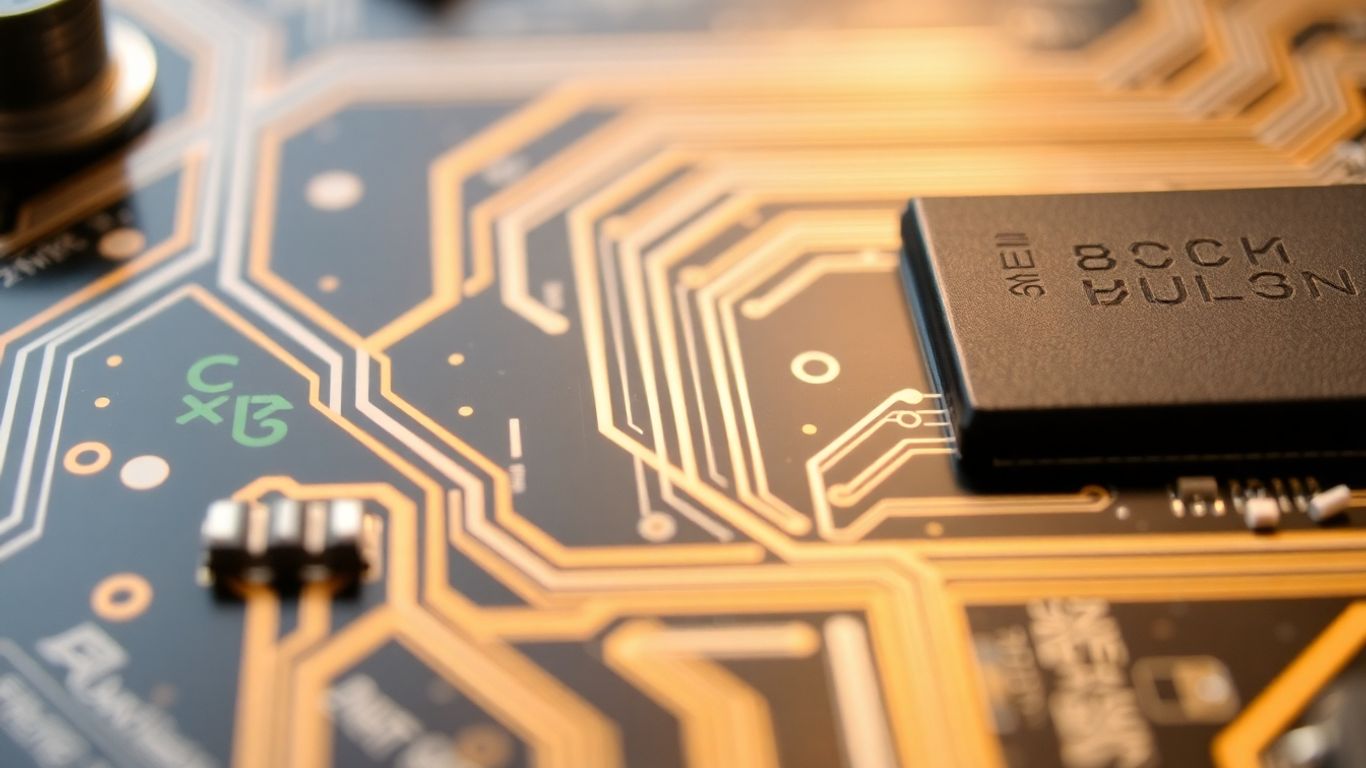
Gold is a bit of a darling in the electronics world, and for good reason. Its main quality? It never rusts, even in harsh conditions. This means that electrical connections remain reliable over the long term. Think about your devices: you want the contacts to last, right? Gold ensures this durability. Furthermore, it conducts electricity extremely well. That's why it's found in connectors, contacts, and even in some printed circuit boards where performance is paramount. It's a choice that prioritizes safety and longevity, even if its price tag can be a bit steep.
Why gold is preferred in electronics
Gold is an excellent conductor of electricity and, most importantly, it doesn't oxidize. This latter property is crucial for ensuring reliable connections over time, even in humid or corrosive environments. Imagine your smartphone or laptop: you want the internal contacts to remain efficient for years, without failure. Gold offers this guarantee of longevity and consistent performance, making it indispensable for critical components where even the slightest failure can be problematic.
Copper and silver as affordable substitutes
Fortunately, gold isn't the only option. Other metals can do the job, often at a much lower cost. Copper, for example, is an excellent conductor, far less expensive than gold. It's found everywhere in cables and circuits. Silver conducts even better than gold, but it can oxidize, making it less ideal for certain applications where very long-term reliability is paramount. However, it is used in fields like renewable energy. These metals are viable alternatives for reducing production costs, especially when extreme durability isn't required.
Here is a small comparison table to help you see things more clearly:
| Métal | Electrical conductivity (relative to silver = 100) | Corrosion resistance | Cost (indicative) |
|---|---|---|---|
| Silver | 100 | Weak (oxidizes) | Medium |
| Or | 91 | Excellent (doesn't rust) | High |
| Copper | 97 | Medium (oxidizes) | Low |
Palladium-nickel and tin: specific options
Palladium-nickel is another interesting option, especially in the automotive industry. It offers good durability and a more reasonable cost than gold. It's a good compromise between performance and budget. As for tin, it's often used for prototypes or devices that don't need to last for decades. It's an economical solution, but be careful, it doesn't tolerate humidity or salt well. Therefore, you must carefully choose your material based on the device's intended use. Think about this before you start designing your future gadgets!
The choice of a gold substitute depends heavily on the intended application. Cost, conductivity, corrosion resistance, and expected lifespan must all be considered. Sometimes, a less expensive metal will do the job perfectly well; other times, gold remains difficult to replace while guaranteeing flawless reliability.
Gold is great for electronics, but it's expensive and not readily available. That's why scientists are searching for alternative metals. They want to find materials that are cheaper and easier to source, while still maintaining the same qualities as gold so our electronic devices function properly. This research is crucial for the future of technology.
So, what do we remember?
So, that covers the alternatives to gold in electronics. As you can see, even though gold has some truly amazing properties, you can often manage with other metals like copper or tin, especially if the device isn't meant to last forever or won't be used in harsh conditions. It's a bit like choosing the right tool for the job. You just have to think carefully about what your project really needs so you don't spend more than necessary. And who knows, maybe tomorrow we'll find even smarter solutions!
Gold recovery from electronic waste
You probably have some old electronic devices lying around your house, right? Those obsolete phones, tangled cables, forgotten chargers… Well, believe it or not, behind that pile of useless objects lies a real gold mine, literally and figuratively. Every discarded device contains precious metals, and gold is one of them. It's pretty amazing when you think about it, because the amount of gold in some circuit boards can even exceed what you find in some natural mines. And the volume of electronic waste keeps increasing every year, so we might as well try to make the most of it, don't you think?
Chemical methods of gold extraction
Chemical methods are at the heart of gold recovery. They involve dissolving the gold from electronic components in specific solutions. One of the best-known is the use of aqua regia, a fairly strong mixture of acids. It's effective, but be warned, it's also quite dangerous and requires impeccable protective equipment and good ventilation. For beginners or those who want a less aggressive option, thiosulfate leaching is a safer alternative. It takes a bit longer, but it's much more manageable. There are also methods like cyanide etching, but these are things reserved for professionals; they're simply too risky for the average person.
It is important to remember that even so-called gentler methods require caution and a good understanding of the risks.
Recovering precious metals from used appliances
We tend to think of gold as rare, and that's true in nature. But in our electronic waste, it's a different story. A ton of used circuit boards can contain up to 39 grams of gold. That's far more than what's extracted from traditional mines, which, moreover, often have a disastrous environmental impact. This potential is enormous, and it's right there in our trash.
Recovering gold from old appliances is no longer just a laboratory idea. It has become a major economic and environmental challenge. The idea is to create a circular economy where these precious metals are not lost but reused. This means rethinking the entire chain: how we collect this waste, how we sort it, and how we process it to extract these metals. It's a bit like our cities becoming new mines, but without the environmental damage. We just need to find the right methods, cleaner and more efficient.
Prepare the printed circuit boards for extraction
Before you embark on chemical extraction, there are a few preparation steps you shouldn't overlook to optimize your chances and safety:
- Dismantling and sorting: Start by carefully disassembling your devices. Separate the different components, especially the motherboards, connectors, and chips that contain the most gold.
- Cleaning : Thoroughly cleans printed circuit boards to remove dust, grease, or other contaminants. Good cleaning improves the efficiency of chemical reactions.
- Removal of hazardous materials: If possible, remove any components that might be particularly dangerous or flammable before starting the extraction process.
Recycled gold and ethical labels
Faced with growing environmental and social concerns, recycled gold is emerging as an increasingly attractive alternative. Rather than extracting new resources, gold already in circulation is reused. This approach significantly reduces the ecological footprint associated with traditional mining, notably by avoiding impacts on landscapes and ecosystems.
Recycled gold: a reduced carbon footprint
The idea behind recycled gold is simple: to give a second life to the gold we already own. Think of your old jewelry, forgotten electronic components, or even certain decorative objects. These materials contain gold that can be recovered and reintroduced into the market. The recycling process requires less energy and generates less waste than primary mining. This is a concrete way to consume gold more responsibly.
Here are some advantages of recycled gold:
- Reduction of environmental impact: Less deforestation, less water and soil pollution.
- Preservation of natural resources: Gold is a limited resource; recycling helps to conserve it.
- Reduction of CO2 emissions: The recycling process is generally less energy-intensive.
- Avoid difficult extraction conditions: Less reliance on potentially dangerous or exploitative extraction methods.
The Fairmined label: a guarantee of responsibility
For those who want to go further and ensure their investment supports ethical practices, labels like Fairmined exist. This type of certification guarantees that the gold comes from small-scale, artisanal mines that adhere to strict social and environmental standards. This means that miners work in good conditions, the environment is protected, and the gold is traceable from the mine to the final product.
Investing in gold certified by ethical labels is a conscious choice that supports a fairer and more sustainable economic model. It's a way to ensure your wealth contributes positively to the world, while remaining a safe investment.
Recycled gold is like gold given a second life! And when there are labels that show it's done fairly and responsibly, it's even better. These labels help us know that the gold we buy or sell respects people and the planet. It's a simple way to make a smarter choice for our wallets and for the world. Want to learn more about how? buying or selling gold ethically Visit our website to discover all the options!
So what do we do now?
So, we've covered the various options for avoiding traditionally mined gold. Whether you're looking at silver, a promising industrial metal, or exploring alternatives in electronics like copper or tin, there are plenty of choices. Even recycled or ethically certified gold can be an option if you're absolutely set on this precious metal. The important thing is to carefully consider what matters to you: cost, environmental impact, performance… There's always a solution to suit your needs. Don't hesitate to dig a little deeper to find the one that's right for you!
Frequently Asked Questions (FAQ)
Why invest in silver instead of gold?
Silver is cheaper than gold, allowing you to start investing with a smaller budget. It's also widely used in industry, meaning there's high demand. Plus, you can easily buy and sell silver bars or coins.
What are the main advantages of a 50g gold ingot?
The 50g gold bar is a good compromise: it's not too expensive but still large enough to be worthwhile. You can buy it little by little, and it's easy to resell. It's an ideal size to start investing without tying up all your money.
Has gold always been a safe haven asset?
Yes, since prehistoric times, gold has been seen as a safe haven. In times of crisis or uncertainty, people and central banks buy gold to protect their money, because its value remains stable over the long term.
Can gold be replaced in electronics?
Gold can sometimes be replaced by copper or silver, which are good conductors of electricity. However, gold is preferred when a material is intended to last a long time, as it does not rust. Other metals such as palladium-nickel or tin are also used in certain cases.
How do you recover gold from old electronic devices?
Gold can be extracted using chemical methods, such as aqua regia or thiosulfate, but extreme caution and proper protective measures are essential. More environmentally friendly techniques also exist, but they are sometimes slower or more complex.
What is recycled gold and the Fairmined label?
Recycled gold comes from old jewelry or appliances. It is melted down for reuse, which is less polluting than mining new gold. The Fairmined label guarantees that the gold comes from mines that respect workers and the environment, making it a more responsible choice.