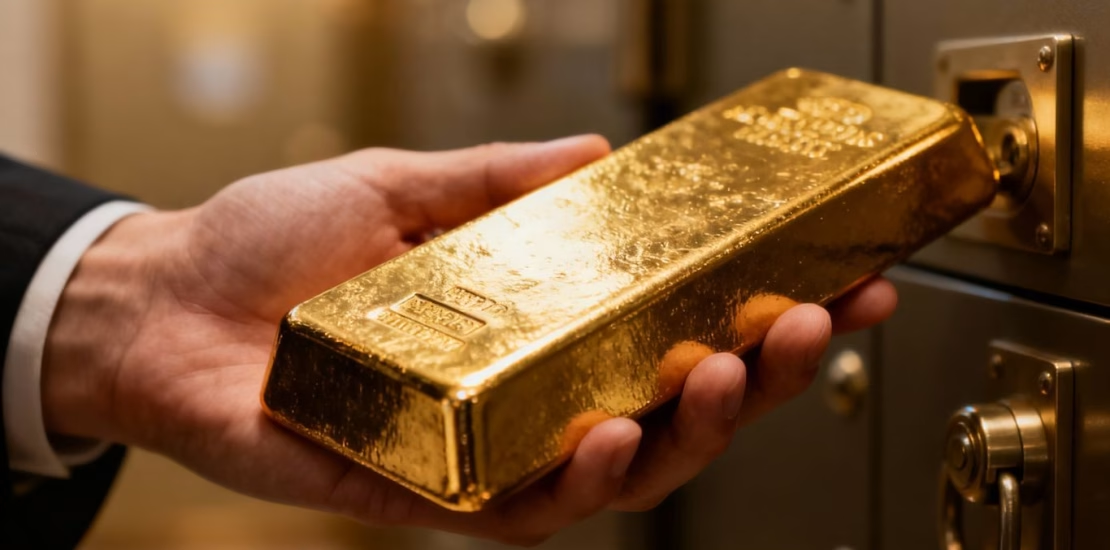
Buying gold in France might seem like a simple idea, but beware of the pitfalls! We hear about counterfeits and scams, and it can quickly become complicated to know where to invest. To help you see things more clearly and make your purchases with confidence, we'll look at how to avoid counterfeits when buying gold in France. We'll break down common scams, see how to spot fakes, and above all, what precautions to take to ensure your investment is safe.
Key Takeaways
- To avoid counterfeits when buying gold in France, you must first know how to recognize common scams, such as fake certifications or prices that are too low, and thoroughly inspect the product itself (weight, dimensions, absence of magnetism).
- It is essential to check the seller's reputation before making any purchase. Prioritize established professionals, consult online reviews, and ensure they comply with applicable standards and regulations.
- Always have your gold appraised by an independent expert before finalizing the purchase. This will guarantee the authenticity and purity of the precious metal, protecting you from sophisticated counterfeits.
How to avoid counterfeit gold when buying gold in France?
Buying gold is good, but making sure what you're buying is genuine is even better. The gold market can sometimes feel like a jungle, and unfortunately, counterfeits are a reality. They can be so well made that they can fool even the most discerning collectors. So, how can you avoid being ripped off? Follow this guide!
Identifying Common Scams When Buying Gold
Let's be honest, scams exist everywhere, and the gold market is no exception. One of the most common tricks involves certifications. You're presented with a nice-looking document attesting to the purity and origin of your gold, but beware, this document can be just as fake as the gold bar it accompanies.
- Check the recognized labels: Rely on official certifications, such as those issued by reputable organizations. A certificate of authenticity should always state the exact weight, the purity (in carats or thousandths), the name of the refiner or smelter, and a unique serial number.
- The LBMA standard: If you see the LBMA (London Bullion Market Association) logo, that's a pretty good sign. It's a leading name in the gold world.
- The suspicious price: If an offer seems too good to be true, it often is. A price well below the current gold price is a major red flag.
Be wary of sellers who cannot provide clear documentation or who pressure you into closing the deal without giving you time to think. Transparency is key.
Detecting counterfeit gold
Counterfeits can be incredibly convincing. Sometimes they're simply gold-plated, or they're made of an alloy with less precious metals. Without specialized tools, it's a real challenge. But there are a few simple tips to help you:
- The magnet test: Pure gold is not magnetic. If your coin or ingot sticks to a magnet, run away! It likely contains iron or other magnetic metals.
- Weight and dimensions: Compare the weight and dimensions of your item with the known standards for that type of coin or ingot. Even a slight difference could indicate forgery.
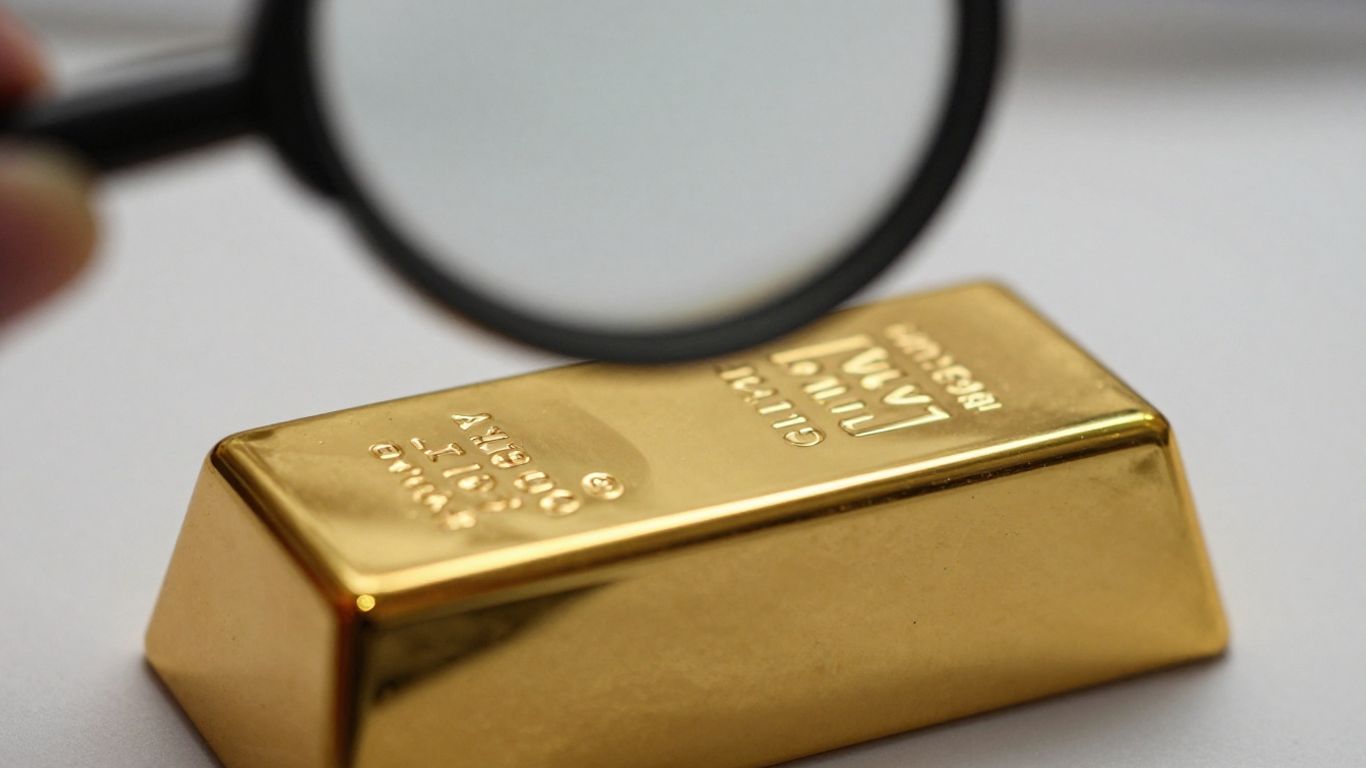
- Visual inspection: With a good magnifying glass, examine the engraved details. Counterfeits often have defects, burrs, or a less crisp finish than the original.
- Traceability: Since 2011, business transactions with private individuals must be documented. Always ask for a detailed invoice that proves the origin and authenticity of your purchase.
Essential precautions for a safe gold purchase
Buying gold is good, but doing it safely is even better. There are a few simple but important steps to follow to ensure your investment is sound and you're not buying junk.
Check the reputation of the gold seller
Before you pull out your credit card, take the time to do your research on the seller. You never know who you're dealing with online or even on the street. A reliable seller is essential.
- Do some research online: Look at what other customers are saying. Reviews on specialized websites or investor forums can give you a good idea of a company's reliability. Be wary of sellers who only have positive reviews; it sometimes smells fishy.
- Check professional affiliations: Is the seller a member of recognized organizations such as the LBMA (London Bullion Market Association)? This is a good sign of seriousness and respect for standards.
- Consult the public registers: Sometimes, a quick look at the business records can tell you about a company's history. It might seem a bit tedious, but prevention is better than cure.
Today's tip: Never rush. Take the time to choose your seller carefully. A good seller will be transparent about their products, prices, and certifications.
Require a professional gold appraisal
Once you've found a seller who seems reputable, don't hesitate to request an inspection. It's a bit like having a used car checked before buying it. It gives you peace of mind.
- Request a certificate of authenticity: This is the minimum requirement. This document must detail the exact weight, the purity (in carats or thousandths), and ideally, the origin of the gold. Verify that the certificate is issued by a recognized body.
- Compare prices: Make sure the price offered is in line with the current price of gold. If an offer seems too good to be true, it often is. Significant discrepancies are a red flag.
- Use simple tools: Pure gold is not magnetic. If you have any doubt, a simple magnet can help you detect certain alloys. Also, check the weight and dimensions against standard measurements. Counterfeits often have minor manufacturing defects.
| Characteristic | What to check |
|---|---|
| Weight | Meets the standard |
| Size | Compliance with standards |
| Magnetism | Must be absent |
| Punches | Present and clear |
Understanding regulations and legal protections
When buying gold, it's important to know that the market is governed by specific rules. These laws are there to protect you and ensure transparency. You're not left to deal with sellers on your own.
Understanding the laws on buying gold
In France, several measures have been implemented to secure your gold purchases. For example, since 2011, professionals have been prohibited from paying you in cash when you sell them gold. This measure aims to combat money laundering and keep track of who buys what. Furthermore, since 2013, these same professionals have been required to declare all their gold purchases from individuals annually. They must include your name. This helps monitor the market and prevent tax fraud. These rules aim to make transactions safer for everyone.
- Cash payments have been prohibited for professionals since 2011.
- Obligation for professionals to declare their gold purchases annually since 2013.
- Increased transparency to trace transactions.
Knowing that these rules exist is already a first step towards buying gold with confidence. They are there for your safety.
Legal recourse in cases of gold purchase fraud
Despite all precautions, fraud can still occur. If this happens to you, don't panic. There are steps you can take. First, keep absolutely everything that proves your purchase: the invoice, the certificate of authenticity, and any email or postal correspondence with the seller. These documents will be your best defense. Next, you can contact the Directorate General for Competition, Consumer Affairs and Fraud Control (DGCCRF). This organization can investigate and penalize dishonest sellers. Don't hesitate to contact consumer associations as well. They can offer advice and even assist you with legal proceedings.
Here are your options if you are a victim of fraud:
- To file a complaint: Go to a police station or contact the public prosecutor directly.
- Mediation: Look for a mediator who specializes in commercial disputes.
- Legal assistance: Consult a lawyer specializing in commercial law to learn about your rights.
It is important to know the rules and protections that exist for you When you buy or sell gold, these laws are in place to ensure everything goes smoothly and you're safe. Want to learn more about these protections? Visit our website to discover how we help you navigate the world of gold with confidence.
In conclusion: buy your gold with peace of mind
There you have it, you now have all the information you need to buy gold in France without getting ripped off. We know it can be daunting at first, with all the talk of counterfeit gold and unscrupulous sellers. But by following the advice we've given you, carefully checking the certificates, paying attention to prices, and above all, choosing trustworthy sellers, you'll maximize your chances of success. Remember that gold remains an excellent way to protect your assets. So, shop wisely and sleep soundly!
Frequently Asked Questions
How do I know if the gold I buy is real and not an imitation?
To be sure your gold is genuine, check carefully for special markings, such as a hallmark. Ingots and coins should also come with a certificate stating their purity, often 24-karat gold. Also, verify that the weight and size are normal for that type of gold. If you have any doubts, an expert can verify it for you.
What are the pitfalls to avoid when buying gold?
There are several things to be aware of. Don't be fooled by prices that are too low; they often hide a problem. Make sure the seller is legitimate and has a good reputation. Be wary of sellers who don't clearly explain the origin of the gold or provide official certificates. And above all, never pay large sums in cash, as this is often illegal and raises suspicion.
What are the important rules to know when buying gold in France?
In France, there are rules to ensure everything is safer. For example, professionals can no longer pay individuals in cash for gold purchases; this is to prevent fraud. They must also keep a record of who buys what. It's good to know this to be sure your purchase is legal and to protect yourself.