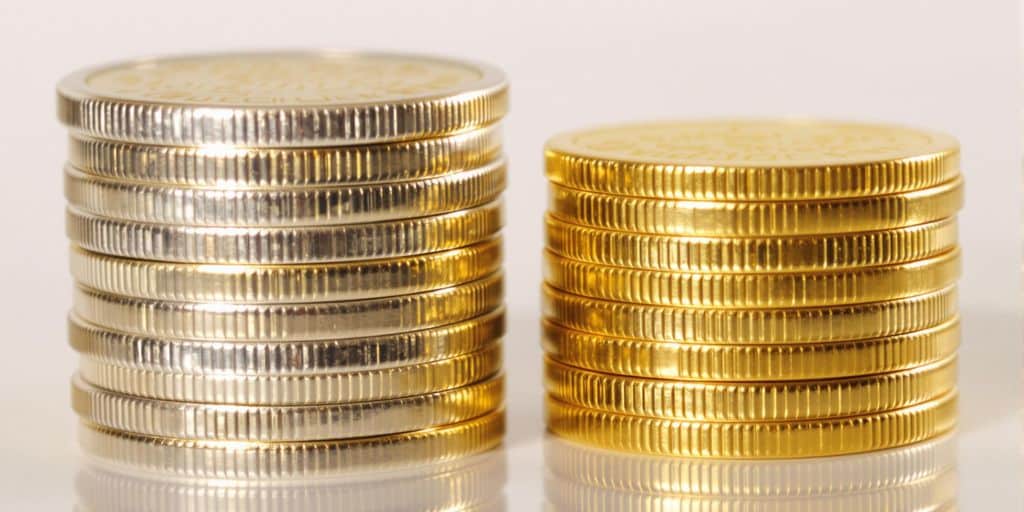
We often hear about gold when it comes to investing in precious metals. It's true, gold is a safe bet, a bit like the reliable big brother. But there's another metal, silver, that also deserves our attention. It's sometimes overlooked, yet it has real assets to complement a portfolio. So, why not take a closer look at silver, in addition to gold? That's what we're going to see together, to understand how these two can work well together in your investment strategy.
Key Takeaways
- Silver is more accessible to those on a budget than gold, which opens up investment to more people.
- Putting money in your portfolio helps spread risk and make it more resilient against market surprises.
- Silver is widely used in industry, which gives it a practical side and can influence its price differently than gold.
- Although gold is the classic safe haven, silver can also protect your savings, especially when prices rise (inflation).
- Combining gold and silver allows for a well-balanced investment, taking advantage of each other's strengths to better manage the ups and downs.
Why invest in silver as a complement to gold?
Gold is often seen as the ultimate safe haven, but silver also deserves a place in your investment strategy. Combining the two precious metals can offer significant benefits, particularly in terms of diversification and growth potential. Silver, often referred to as "the poor man's gold," has unique characteristics that make it attractive to investors.
Silver, a more accessible precious metal
One of the main advantages of silver is its lower price compared to gold. This allows investors with a limited budget to acquire a larger amount of precious metal. Silver offers an easier entry point into the world of precious metals without requiring a large initial investment. It's an attractive option for those looking to familiarize themselves with this type of asset before considering larger investments in gold. Additionally, silver's greater accessibility can make it more liquid in certain situations, facilitating transactions.
Portfolio diversification with money
Including silver in your investment portfolio helps reduce risk by diversifying your assets. Silver doesn't always react to economic fluctuations the same way gold does. For example, during periods of strong economic growth, industrial demand for silver can boost its price, while gold may remain stable. This decorrelation can help stabilize your portfolio during financial market turmoil. Think of silver as additional insurance, a safety net that can cushion shocks.
The role of money in economic fluctuations
Silver has historically served as a hedge against inflation, although its effectiveness can vary depending on the period. In times of economic uncertainty, investors often turn to precious metals, which can increase demand and, consequently, the price of silver. Furthermore, silver has a high industrial demand, giving it a certain resilience in the face of crises. It is used in many sectors, from electronics to medicine, which supports its value even when investment demand declines. It is therefore wise to think of silver as a gold investment to protect against economic hazards.
Investing in silver, alongside gold, can be a wise strategy to diversify your portfolio and protect yourself against economic uncertainty. However, it's important to understand the specific characteristics of this precious metal and consider its potential drawbacks before making a decision.
The advantages of silver over gold
Silver, often overshadowed by its gold counterpart, has certain advantages that make it particularly attractive to various investor profiles. We'll see why silver could be a wise addition to your investment strategy.
A more affordable entry point for investors
One of the most obvious advantages of silver is its price, which is generally much lower than that of gold. This financial accessibility allows beginner investors or those with limited capital to get started in precious metals without committing astronomical sums. It's a bit like choosing between a luxury car and a more modest one: both get you to your destination, but one is much easier to acquire.
The growth potential of money
Silver has often been called "the poor man's gold," but that nickname doesn't do it justice. Its growth potential is very real, and it can even outperform gold under certain market conditions.
- Silver is more volatile than gold, meaning its price can fluctuate more quickly and significantly.
- This volatility can translate into greater gains when the market is favorable.
- Of course, you have to be aware of the risks associated with this volatility, but the potential for return is undeniable.
Silver, unlike gold, is heavily influenced by industrial demand. This demand, which is constantly increasing with the development of green technologies and electronics, could well propel the price of silver in the years to come. It's a bit like betting on a growing company: the risk is present, but the potential reward is high.
Silver, an essential industrial metal
Unlike gold, whose use is primarily limited to jewelry and investment, silver is an essential industrial metal. It is found in a multitude of applications, from electronics to medicine to solar panels. This industrial demand gives silver a solid foundation, independent of financial market fluctuations. If you are looking to invest in gold, also think about silver, because its industrial demand is a significant asset.
The disadvantages of money to consider
Investing in silver, like any other asset, carries risks and drawbacks that are important to understand before taking the plunge. While silver offers undeniable advantages, it's crucial to weigh the pros and cons to make an informed decision.
Potentially less liquidity than gold
Silver, although considered a liquid asset, can sometimes be more difficult to sell quickly than gold. The silver market is shallower than the gold market, which means there may be fewer buyers available at any given time. This can lead to longer times to sell your assets or force you to accept a below-market price to close a deal quickly. In times of high demand, this is less noticeable, but in slower times, the difference can be noticeable.
The volatility of the silver price
The price of silver is known for its volatility. It can fluctuate significantly over short periods of time, which can be unsettling for investors. This volatility is due to several factors, including the smaller size of the silver market compared to gold, as well as the high industrial demand for silver. Investors should be prepared to accept these fluctuations and not panic if the price drops. It is important to consider investing in silver as a long-term investment to better withstand these fluctuations.
The challenges of storing and transporting physical money
Unlike gold, silver is bulkier and heavier, making its storage and transportation more complex and expensive. If you choose to invest in physical silver, you'll need to find a secure location to store it, such as a home safe or a bank vault. These solutions involve additional costs, such as safe rental fees or theft insurance. Additionally, transporting large amounts of silver can be risky and require special security measures. These logistical aspects should be carefully considered before purchasing physical silver. Consider the asset diversification to minimize risks.
It's important to note that investing in silver, like any investment, carries risks. It's therefore essential to do your research and consult a financial advisor before making any decisions. Never put all your eggs in one basket and diversify your investments to limit potential losses.
Optimizing your investment in precious metals
Investing in precious metals, such as gold and silver, can be a wise strategy for diversifying your portfolio and protecting yourself against economic uncertainty. However, to maximize the potential of these investments, it's important to take a thoughtful and strategic approach. This isn't just about buying gold or silver at random, but about understanding how these assets fit into an overall investment strategy.
The complementarity of gold and silver
Gold and silver, while both considered precious metals, have distinct characteristics that make them complementary in an investment portfolio. Gold is often seen as a safe haven, while silver has a greater industrial component. This difference means that their performance may vary depending on economic conditions. For example, during times of economic crisis, gold tends to perform well, while silver can be more sensitive to fluctuations in industrial demand. Diversifying between the two can help smooth out overall portfolio volatility. It is wise to diversify your investment between the two metals.
Building a resilient portfolio
A resilient portfolio is one that can withstand economic shocks and maintain its value over the long term. Building such a portfolio with precious metals requires considering several factors:
- Asset allocation: Determine the percentage of your portfolio you want to allocate to precious metals. As an atypical investment, it is often recommended not to exceed 10% of your assets.
- Investment horizon: Precious metals are generally considered long-term investments. Be prepared to hold your positions for several years to benefit from their potential.
- Risk tolerance: Assess your risk tolerance and adjust your allocation accordingly. Silver, in particular, can be more volatile than gold.
Investing in precious metals isn't an exact science, but a thoughtful approach and a solid understanding of the markets can greatly improve your chances of success. It's important to remember that past performance is not indicative of future results, and it's always possible to lose money.
The importance of asset diversification
Diversification is a fundamental principle of investing. It involves spreading your capital across different types of assets to reduce overall portfolio risk. Precious metals can play an important role in diversification because they tend to have a low correlation with stocks and bonds. This means that when stock markets decline, precious metals can rise, helping to offset losses. In addition to gold and silver, consider other asset classes such as real estate, international stocks, and corporate bonds for a optimal diversification.
Gold and silver in the face of economic crises
Gold, a historic safe haven
Gold has always been seen as a safe haven, and for good reason. For millennia, it has served as a medium of exchange and a store of value. Its rarity and durability make it a tangible asset that retains its value even when financial markets are in turmoil. Unlike fiat currencies, gold is not tied to a country's monetary policy, which protects it from inflation and devaluation.
Money as a hedge against inflation
Silver, although less frequently mentioned than gold, can also serve as a hedge against inflation. Its price tends to rise during times of inflation, as investors turn to precious metals to preserve their purchasing power. Additionally, silver has strong industrial demand, which supports its price even during times of low investment demand. It is important to note that the money volatility is higher than that of gold, which means there may be greater price fluctuations in the short term.
The performance of precious metals in times of uncertainty
In times of economic uncertainty, precious metals tend to outperform other assets. This is because investors seek safe assets to protect their capital. Gold and silver are considered safe assets because they have intrinsic value and are not tied to traditional financial markets. However, it is important to note that the performance of precious metals can vary depending on specific economic conditions. For example, during periods of strong economic growth, stocks may outperform precious metals, while during periods of recession, precious metals may outperform stocks.
Investing in gold and silver during a crisis may seem like an obvious strategy, but it's important to understand the potential risks and rewards. It's also important to diversify your portfolio and not put all your eggs in one basket.
Understanding the Silver and Gold Market
The silver and gold market is a complex ecosystem, influenced by a multitude of economic, political, and even social factors. To invest wisely, it's essential to understand the workings of this market, its key players, and the different forms of investment available. It's a bit like learning the rules of a game before you start, except here, the stakes are financial.
Factors influencing the price of silver
The price of silver is subject to many influences, making it sometimes more volatile than that of gold. Here are some key factors:
- Supply and demand : As with any commodity, the price of silver is determined by the balance between supply (mining, recycling) and demand (industrial, investment, jewelry).
- The economic situation: As silver is an industrial metal, its demand is strongly correlated with global economic growth. During periods of strong growth, industrial demand increases, supporting prices. Conversely, during a recession, demand decreases, which can weigh on prices.
- The US dollar rate: Silver, like gold, is typically priced in U.S. dollars. Therefore, a weaker dollar tends to make silver more attractive to foreign investors, which can raise its price. Conversely, a stronger dollar can weigh on the price of silver.
- Interest rates: Rising interest rates can make investments in precious metals less attractive because they do not generate income (dividends, interest). Investors may then prefer higher-yielding assets, which can lower the price of silver.
The role of central banks and industrial demand
Central banks play an important role in the gold market, but their influence on the silver market is more limited. They hold significant gold reserves, which they can buy or sell to influence prices. Industrial demand, on the other hand, is a determining factor for silver. Silver is used in many industrial applications, including electronics, photography, medicine, and renewable energy. This industrial demand represents a significant portion of the total demand for silver, making it a key factor in its price.
It's important to note that forecasts for the silver and gold markets are often difficult to make with certainty. Many factors can influence prices, and unforeseen events (economic crises, geopolitical tensions) can have a significant impact. It is therefore essential to stay informed and exercise caution before making investment decisions.
The different forms of investment in money
There are several ways to invest in silver, each with its own advantages and disadvantages:
- Physical money: This is about buying silver coins in the form of coins or ingots. It is a tangible option, but it involves storage and insurance costs. In addition, the purity and authenticity of the metal must be ensured.
- ETFs (Exchange Traded Funds): These are exchange-traded funds that track the price of silver. They offer a simple and liquid solution for investing in silver, without the hassle of storing it.
- Mining company shares: Investing in shares of companies that mine silver can be an attractive option, but it is riskier, as the performance of these companies depends on many factors (production costs, discoveries of new deposits, etc.).
- Futures contracts: These are contracts that allow you to buy or sell silver at a predetermined date and price. This is a speculative option, reserved for experienced investors, as it carries a high risk of loss.
In summary, understanding the silver and gold market requires a thorough analysis of the factors that influence prices, the players involved, and the various forms of investment available. A good understanding of these elements is essential for making informed investment decisions and optimizing your portfolio. Remember to diversify your investment between gold and silver to minimize risk.
Tips for a balanced investment
Define your investment objectives
Before diving headfirst into buying gold and silver, it's crucial to know why you're doing it. Is it to prepare for retirement, protect your capital against inflation, or simply to diversify your assets? Your goals will directly influence the amount of gold and silver you should hold. For example, if your primary goal is inflation protection, a larger allocation to precious metals might be appropriate. If it's for short-term gain, be aware of the risks associated with price volatility. Think long-term, but be prepared to adjust your strategy based on market conditions. It's important to note that the size of your wallet influences the relevance of gold.
The strategic allocation between gold and silver
Once your goals are clear, you need to determine how to allocate your capital between gold and silver. There's no magic formula, but a few principles can guide you. Historically, the gold/silver ratio has fluctuated considerably, reflecting the changing dynamics of supply and demand. Some investors prefer a larger allocation to gold, which is considered a more stable safe haven, while others focus on silver's higher growth potential.
Here are some points to consider:
- Your risk tolerance: If you are risk averse, choose gold.
- Your outlook on the economy: If you anticipate strong industrial growth, silver may be more attractive.
- The current gold/silver ratio: A high ratio could indicate that silver is undervalued relative to gold.
Consult experts for a personalized approach
Investing in precious metals may seem simple, but the market is complex and influenced by many factors. It is therefore wise to consult financial experts to obtain advice tailored to your personal situation. An advisor can help you assess your risk tolerance, define your investment goals, and develop an appropriate allocation strategy. They can also provide insight into the different investment options available (coins, bullion, ETFs, etc.) and help you choose the ones that best suit your needs. Don't hesitate to contact us. contact an advisor for personalized support.
It's important to remember that past performance is not a guarantee of future results. The precious metals market is subject to fluctuations, and it's essential to stay informed and monitor the progress of your investments. A prudent and informed approach is the key to successful investing.
To invest wisely, you have to be smart and not put all your eggs in one basket. That's how we protects his moneyIf you want to know more about how to make good choices for your money, visit our website. We'll explain it all to you.
In short, silver and gold are a good team!
Well, that's it. Gold is a bit of a star, the safe bet that reassures everyone when things are rocky. It's the classic investment, the one we know well. But silver shouldn't be underestimated. It has its own role to play, especially with industry, which increasingly needs it. It's true, it's a little more volatile, and it doesn't make fortunes overnight. But that's precisely what's interesting. Putting a little of both in your portfolio allows you to avoid betting everything on a single card. It's like having a well-balanced team; everyone brings their strengths. Gold for security, silver for the growth potential linked to the real economy. In the end, it's a matter of common sense: diversification is always a good idea to protect your savings. And besides, it keeps you from getting bored!
Frequently Asked Questions
Why is silver easier to buy than gold?
Silver costs less to buy than gold. This means you can start investing with less money. This is convenient if you don't have a large budget to start with.
How does money help me better allocate my investments?
Investing in silver alongside gold is like not putting all your eggs in one basket. If one metal doesn't perform well, the other can compensate. This makes your savings more solid.
Does money have other uses than investment?
Silver is widely used in industry, for example, to make phones and solar panels. When the economy is doing well, demand for silver increases, which can drive up its price. Gold, on the other hand, is primarily a safe haven.
Is money a stable investment?
Yes, the price of silver can change quickly, more so than gold. You have to be prepared to see its value go up and down. That's why it's a good idea not to put all your money into it.
Are there any difficulties in owning physical money?
Storing physical silver can be more complicated. Silver is less dense than gold, so for the same value, it takes up more space. It is also sometimes more difficult to sell quickly than gold.
Does silver protect as well as gold in times of economic trouble?
Gold is often seen as a safe haven in times of crisis because its price tends to hold up well. Silver, on the other hand, can also protect against inflation because its value doesn't decline the same way paper money does when prices rise.