Assessing the Damage to Your Gold Napoleon
Identify Types of Damage
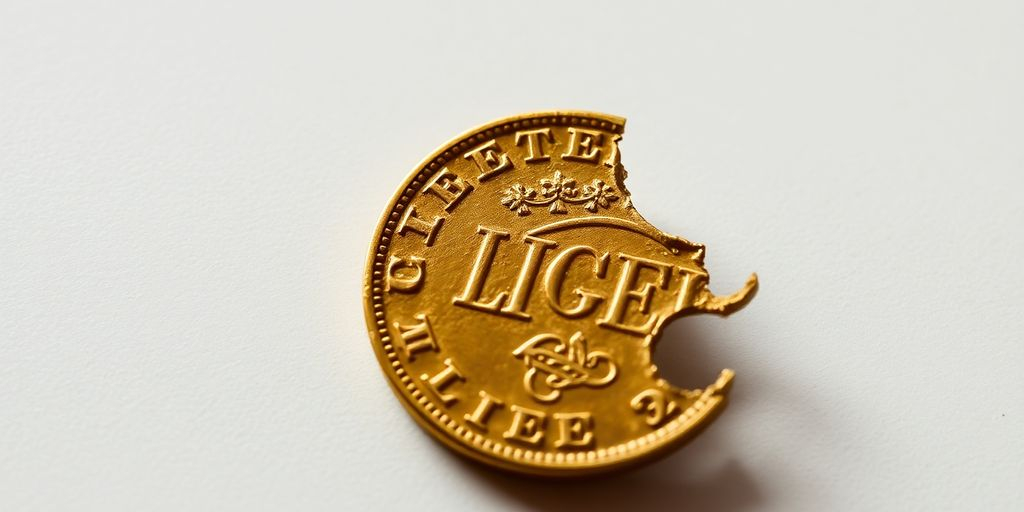
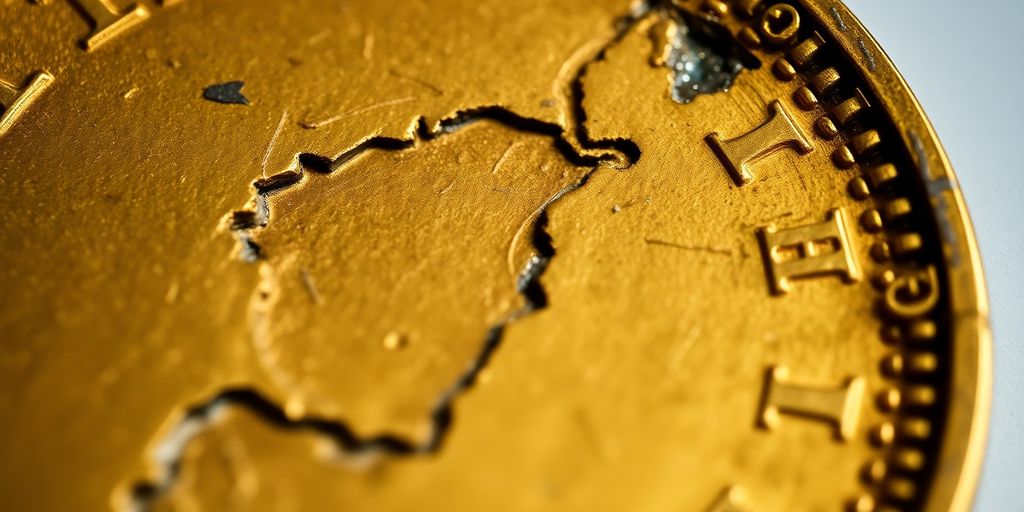
When you have a Napoleon in gold who has taken a hit, the first step is to take a good look at what is wrong. Here are some types of damage to check:
- stripes : Superficial marks that can affect appearance.
- teeth : Small impacts that can deform the part.
- Stains : Dark or oxidized areas that may require cleaning.
Using a Magnifying Glass for Close Inspection
To see details, a magnifying glass is your best friend. With this tool, you can:
- Look closely for scratches and imperfections.
- Check the purity of the gold, especially if you have a Louis d'Or (Napoleon 20 francs).
- Detect signs of counterfeiting.
Consult a Numismatic Expert
If you are unsure about the condition of your coin, do not hesitate to seek the advice of a professional. An expert can:
- Evaluate the value of your Napoleon depending on its condition.
- Give you advice on storage and sale.
- Help you understand the impact of damage on the value of your coin.
Remember: A gold Napoleon is more than just a coin, it's a piece of history!
Mistakes to Avoid When Cleaning
Never Use Chemicals
When it comes to cleaning your Napoleon in gold, absolutely avoid them chemical products. These products may damage the surface of the part and reduce its value. Instead, opt for gentle and natural methods.
Avoid Abrasive Brushes
Abrasive brushes may seem effective, but they can scratch and damage your piece. Use a soft cloth for cleaning. Here are some tips:
- Use a microfiber cloth.
- Do not rub too hard.
- Be gentle with sensitive areas.
The Consequences of Improper Cleaning
Poor cleaning can have disastrous consequences. Here's what can happen:
- Loss of value : An improperly cleaned coin may lose its value on the market.
- Permanent damage : Once damaged, it is often impossible to return to the original state.
- Difficulty in reselling : Potential buyers may be reluctant to purchase a piece that has been poorly maintained.
Always keep in mind that preserving your gold Napoleon is essential to maintain its value. Proper maintenance is key!
How to Store a Damaged Gold Napoleon
Use Sealed Bags
To keep your Napoleon in gold in good condition, it is crucial to place it in a tightly sealed bag. This helps prevent moisture and oxidation. Never mix your pieces with other jewelry, as this can damage them.
Store in a dry place
Make sure to store your piece in a dry place and away from direct light. A wooden box or drawer can work. Avoid humid places like basements or bathrooms.
Avoid Contact With Other Metals
Contact with other metals can cause chemical reactions that damage your coin. Keep it separate from other metal objects to preserve its condition.
Keeping your gold Napoleon in good condition can increase its value. Take care of your coin and it will reward you!
Key Takeaways
- Use sealed bags to prevent oxidation.
- Store in a dry, dark place.
- Avoid contact with other metals to prevent damage.
By following these tips, you will maximize the lifespan of your gold Napoleon and its market value.
Have Your Coin Appraised by a Professional
The Stages of Expertise
When it comes to having your gold Napoleon appraised, there are a few steps to follow:
- Examine the condition of the part : Look carefully to see if it has any scratches or marks.
- Check the purity : Make sure the piece is 900 gold, which is standard for Napoleons.
- Consult a professional : A numismatic expert can give you an accurate assessment.
Choosing a Trusted Expert
Choosing a reliable expert is crucial. Here are some tips:
- Look for reviews : Check out other customers' feedback.
- Check the certifications : Make sure the expert has the necessary qualifications.
- Ask for recommendations : Talk to friends or collectors.
Understanding the Value of Your Coin
Once you have had your Napoleon appraised, it is important to understand its value. Here are some things to consider:
- The state of conservation : The better condition the coin is in, the more expensive it is.
- Market demand : Some parts may be more sought after than others.
- The fluctuations of the gold price : The value of your coin may change depending on the price of gold.
Ultimately, having your gold Napoleon appraised is an essential step to ensure its authenticity and value. Don't hesitate to ask the appraiser questions to fully understand the process and results.
Options for Selling a Damaged Napoleon
Sell For Its Weight In Gold
If your Napoleon is damaged, you can still sell it for its weight in gold. This is a quick and easy option. Here are some points to consider:
- Check the weight of your part.
- Check the current price of gold on the market.
- Expect a lower price than a part in good condition.
Finding Buyers for Damaged Parts
There are specialized buyers who are interested in damaged parts. Here's how to find them:
- Look for gold buying counters in your region.
- Check out online sites that buy collectible coins.
- Ask friends or online forums for recommendations.
Compare Buyback Offers
Before selling, it is important to compare offers. Here are some tips:
- Get estimates from multiple buyers.
- Check online reviews to choose a trusted buyer.
- Do not hesitate to negotiate the proposed price.
Ultimately, selling a damaged Napoleon can be a good solution, especially if you do it carefully and with good information. Remember that every piece has its value, even if it is damaged!
To Restore or Not to Restore: What to Decide?
The Benefits of Restoration
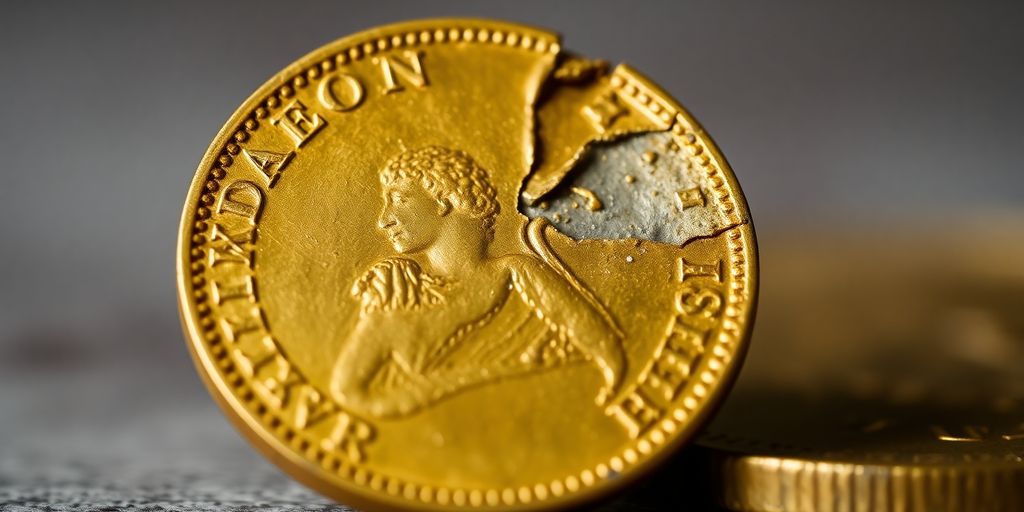
Restoring a gold Napoleon may seem like a good idea, especially if you want to bring it back to its former glory. Here are some of the benefits:
- Improved appearance: A good restoration can make the room more attractive.
- Potential value : If the restoration is done well, it can increase the value of the piece.
- Preservation: This can help protect the part from further damage.
Risks Associated With Restoration
However, there are also risks to consider:
- Loss of value: Poorly done restoration can decrease the value of the piece.
- Authenticity : Experts can detect restoration, which can affect the perception of the piece.
- Cost: Restoration costs can be high and not always worth it.
When Restoration Is Not Recommended
There are times when it is better not to restore:
- Minor Damage: If the damage is slight, it is often best to leave the part as is.
- Historical value : If the piece has great historical value, restoration may harm its integrity.
- Expertise: If you are unsure, consult an expert before making a decision.
Ultimately, the decision to restore or not depends on the condition of your gold Napoleon and your goals. Weigh the pros and cons carefully before taking the plunge!
In the dilemma of whether to restore or not, it is essential to weigh the pros and cons. Each choice has its advantages and disadvantages. If you are hesitant, remember that you can always consult our experts for advice. Visit our site to find out more and make the best decision for your assets!
Conclusion
Basically, if you have a gold Napoleon that has taken a hit, don't panic! First, avoid cleaning it, it could make it lose value. Keep it in a dry and safe place, like a sealed bag. If you really want to know how much it is worth, don't hesitate to ask a professional for advice. They will be able to tell you what it is and give you advice. Ultimately, even a little damaged, your Napoleon can still have value, so take care of it and make the right choice!