Are you interested in the gold market and wondering why it's so important to know where this precious metal comes from? That's an excellent question, because the importance of traceability in the gold market is a topic that's gaining increasing traction. Let's explore together why it's so crucial for a fairer and more secure market.
Key Takeaways
- Gold traceability helps ensure that the metal comes from ethical and legal sources, thus combating the financing of conflicts and poor working conditions.
- Various methods, ranging from certificates to digital technologies like blockchain, are used to track the journey of gold, although challenges remain, particularly with smelted gold.
- Enhanced traceability builds consumer and investor confidence, while combating illegal gold and ensuring a more transparent and secure market.
The importance of traceability for an ethical gold market
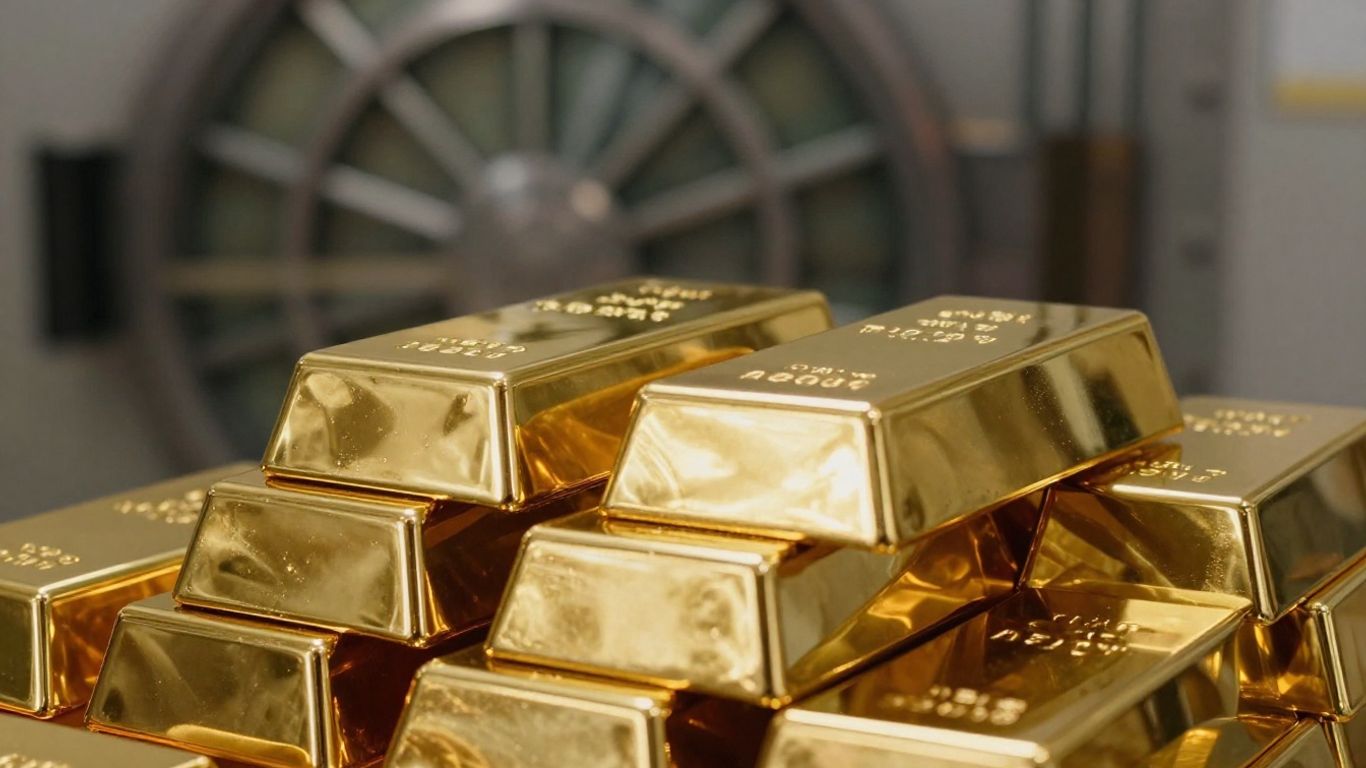
When we talk about gold, we often think of its value and its brilliance, but rarely of its journey. Yet, knowing where the gold you buy comes from, whether for jewelry or an investment, has become incredibly important. That's where traceability comes in, and believe me, it's not just a buzzword.
The challenges of gold traceability
Tracing gold is a bit like trying to find a breadcrumb in a vast forest. Imagine: gold can come from small, artisanal mines, travel through several countries, be melted down, mixed with other materials… At each stage, its story of origin can be erased. It's a real puzzle, especially when you consider that gold can unfortunately be linked to complicated situations, such as financing conflicts or exploiting deplorable working conditions.
- Loss of identity Once melted, gold loses its original characteristics, making it difficult to identify.
- Complex circuits Gold passes through many intermediaries and borders, obscuring the trail.
- Illegal gold Smuggling and money laundering make tracking almost impossible in some cases.
- Lack of harmonization Regulations vary from country to country, complicating global efforts.
The very nature of gold, its concentrated value and ease of transport, makes it a prime target for illicit activities. This presents a constant challenge for those seeking to guarantee ethical sourcing.
Methods and technologies for tracing gold
Fortunately, we're not standing idly by. Solutions are emerging to better track this precious metal. We're talking about certificates of origin, of course, but also more advanced technologies. For example, some companies are using sophisticated chemical analyses to identify the geological signature of gold, a bit like a fingerprint. Others are exploring physical or digital marking at different stages of the supply chain. The idea is to be able to say with greater certainty: "This gold comes from this mine, and it was extracted in accordance with regulations."
- Chemical and isotopic analyses : To identify the unique composition of gold according to its origin.
- Physical marking : Use of technologies to engrave or integrate discreet markers on nuggets or ingots.
- Blockchain and digital ledgers : Creation of secure databases to record each transaction and step in the gold's journey.
- Audits and certifications Organizations like the LBMA establish standards for refineries and market players, adding a layer of verification.
The impact of traceability on market trust and security
When we talk about the gold market, trust is the lifeblood, don't you think? Without it, everything collapses. Traceability is precisely what solidifies this trust, a bit like the foundations of a house. Knowing where the gold comes from, how it was extracted, who handled it… all of that is reassuring. For you, as a consumer or investor, it's the guarantee that your purchase isn't linked to shady dealings, like financing conflicts or deplorable working conditions. And let's be honest, who would want to own a piece of jewelry or invest in a metal with such a history?
Strengthening consumer and investor confidence
Imagine buying a piece of gold jewelry. If you know it comes from a mine that respects the environment and the rights of its workers, that changes everything, doesn't it? Traceability provides this information. It allows you to distinguish ethical gold from gold of dubious origin. It's the same for investors. They seek security and stability. Gold whose origin and legality can be proven is a less risky asset. Fewer scandals, fewer potential sanctions—it makes investing more secure. In short, the more traceable gold is, the more credible and attractive the market becomes for everyone.
Combating illegal gold and conflict financing
Gold is valuable, and unfortunately, it attracts those with bad intentions. We're talking about gold that finances armed groups, fuels corruption—in short, conflict gold. It's a real scourge. Traceability is your best ally in the fight against this. By following the gold's journey from the mine to your piece of jewelry, we can identify and block illegal flows. It's a long-term undertaking, but every step counts. Here are a few ways to get started:
- Implementation of stricter regulations Governments and international organizations must work together to establish clear rules.
- Technology development : Consider gold marking, advanced identification systems to know exactly where it comes from.
- Increased collaboration Businesses, governments and associations must join forces to share information and take action.
Traceability isn't just a matter of technology; it's also a matter of political will and commitment from all actors in the supply chain. Without it, illegal gold will continue to circulate and wreak havoc.
Knowing the origin of your precious metals, like gold, is incredibly important. It helps everyone feel confident and makes the market safer. When you know everything is properly tracked, you feel more at ease buying or selling. It's like having a guarantee that everything is honest and secure. To learn more about how we ensure this transparency, visit our website!
In conclusion: your gold, your peace of mind
So, now you know why tracing your gold is so important. It's not just a matter of paperwork; it's a way to ensure you're investing in something clean and ethical. When you buy gold, remember to ask where it comes from. This not only helps keep the market fair, but it also gives you a better idea of the true value of what you own. Ultimately, good traceability is like insurance for your investment, giving you peace of mind.
Frequently Asked Questions
Why is it so difficult to trace gold from its mine to us?
It's a bit like trying to follow a drop of water in an ocean! Gold travels a lot; it's melted, mixed, and passes through so many stages and countries that it easily loses track of its origin. Imagine mixing chocolates from different brands: it's difficult to then say where each little piece came from.
How can I know if the gold I buy is ethical and does not finance conflicts?
To be sure, you need to check if the gold is properly traceable. Reputable companies use methods to prove the origin of their gold, such as certificates or special technologies. Looking for labels like the LBMA's 'Good Delivery' can also help, as this signifies that the gold adheres to strict regulations.
What is the LBMA and why is it important for gold traceability?
The LBMA is like the guardian of the rules in the gold market. This London-based organization sets very high quality standards for gold, especially for bars. When a bar is certified by the LBMA, it means it is pure and has followed a controlled process, which reassures everyone about its origin and quality.