
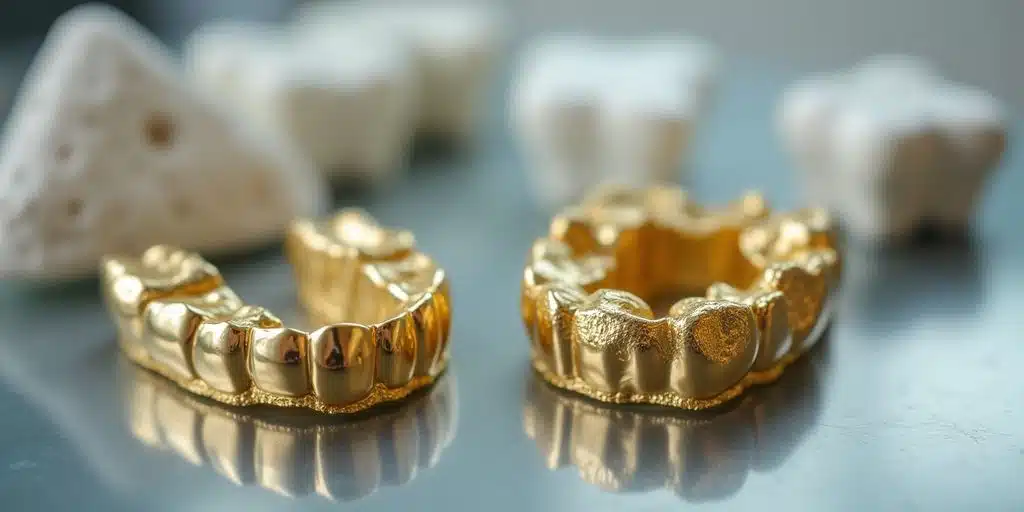
Why Remove Ceramic Before Selling Dental Gold?
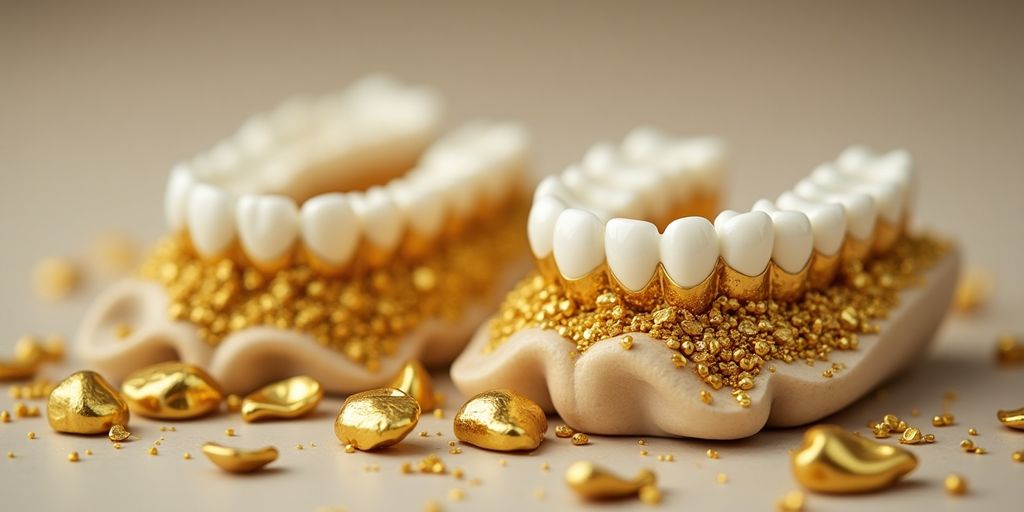
When talking about selling dental gold, it is often advised to remove the ceramic. This can really make a difference in the resale price. Indeed, the presence of ceramic can decrease the value of gold, as buyers often prefer purer materials. In addition, without ceramic, the treatment becomes simpler for those buying. They don’t have to worry about cleaning or removing residue, which can be a real hassle. Finally, it also reduces cleaning costs, as buyers can directly melt the gold without having to invest time and money in preparing it. Basically, removing the ceramic before the sale is a good way to optimize the transaction and avoid unnecessary hassle.
How to Remove Ceramic from Dental Crowns
Simple Mechanical Methods
There are several methods for removing ceramic from dental crowns. One technique is to lightly tap the crown with a hammer. This can help break up any ceramic and natural tooth debris. Then, you can use a vise to clamp the sides of the crown, which can cause the ceramic pieces to fall out. It is important not to overtighten, as this could trap pieces inside.
Use of Chemicals
If the mechanical method does not work, you can try soaking the crown in a solution of hydrochloric acid or salt overnight. After that, remove it with gloves and rinse it with clean water. This can soften the ceramic, making it easier to remove. Another option is to heat the crown with a small blowtorch and then immerse it in cold water. This thermal shock can cause the ceramic to shatter.
Precautions to Take
When working with dental crowns, be very careful. The edges of the crown can be sharp, especially after removing the ceramic. Take care of your hands and use gloves to avoid cuts. By following these steps, you will be able to remove the ceramic efficiently and safely.
The Benefits of Selling Dental Gold Without Ceramic
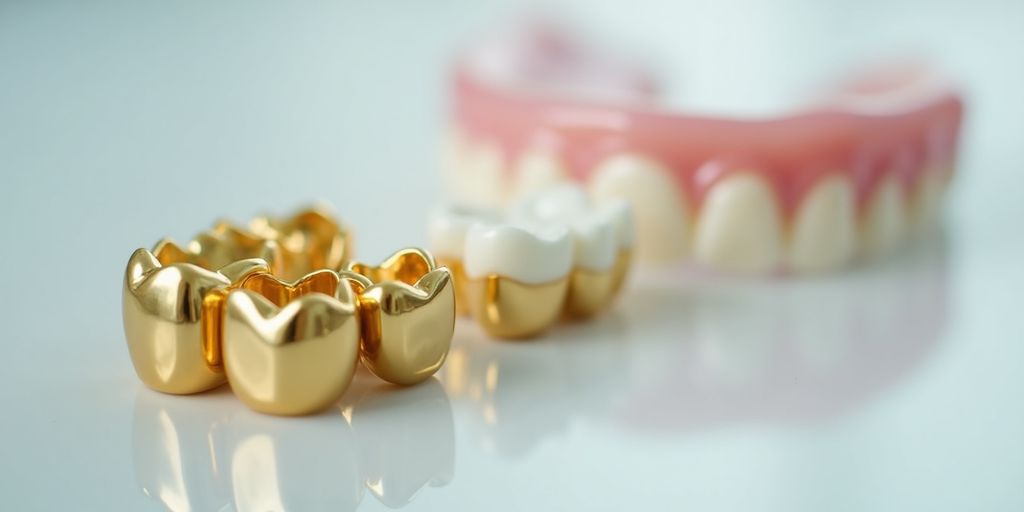
Selling dental gold without ceramic has several advantages. First, it can increase the resale value. Indeed, buyers are often willing to pay more for pure gold, without the impurities of ceramic. Plus, it makes processing easier for buyers, as they don’t have to worry about removing the ceramic themselves. It also means less hassle for them, which can make your offer more attractive. Finally, the selling process becomes faster, as there are fewer steps to follow. All in all, selling your dental gold without ceramic can really maximize your profit and simplify the transaction!
The Risks of Not Removing Ceramic
Failure to remove the ceramic before selling your dental gold can lead to several problems. La gold value may decrease if buyers see that the ceramic is still present. Indeed, this can make the sales process more complicated, as many buyers prefer pieces cleaned and ready to be founded. Also, if the ceramic is too difficult to remove, it can discourage some potential buyers, which could cause you to lose a sale. Basically, keeping the ceramic can really complicate things and cost you money in the long run.
Where to Sell Your Dental Gold for the Best Price
When it's about to sell your dental gold, choosing the right location is crucial to maximize your profit. Platforms like Goldmarket offer a secure and efficient service to sell your dental gold. They guarantee immediate payment and free evaluations based on official market prices. In addition, they accept various types of dental gold and are committed to offering you the best prices, with a refund policy if you find a better deal elsewhere.
Basically, if you want to get the best price for your dental gold, it is essential to compare offers and choose a trusted buyer. Don’t forget to check buyers’ references to avoid unpleasant surprises. Ultimately, transparency and security are the keys to a successful sale!
The Different Types of Dental Gold and Their Value
Yellow Dental Gold
Dental yellow gold is the most traditional. It has been used for centuries for crowns and bridges. Typically, it is made of 18 to 22 karat gold, which means it contains a good amount of pure gold. Yellow gold crowns are valued for their durability and resistance to wear. However, their value can vary depending on the amount of gold they contain.
Rose Gold (or Red Gold)
Rose gold, often used for jewelry, is not very common in dentistry. It is usually composed of 75% gold, 5% silver, and 20% copper. Although it is beautiful, its use in dental crowns is limited due to its composition. This can affect its value on the market.
White Gold (or Grey Gold)
White gold is another type of dental gold. It contains between 30 and 75% gold, often alloyed with palladium or silver. This type of gold is often used for metal-ceramic work. His popularity has increased in the 1980s, especially with the rise in gold prices. White gold crowns can be cheaper than yellow gold ones, but their value also depends on the amount of gold they contain.
Basically, the value of dental gold depends on its composition and purity. If you are planning to sell your dental gold, it is essential to know these details to get the best price. Remember that even small amounts of gold can have a appreciable value, especially if they are well preserved.
Tips to Maximize the Value of Your Dental Gold
Proper Cleaning Before Sale
Before you sell your dental gold, it is crucial to clean it properly. A good cleaning can really make a difference in resale value. This helps remove residue and bring out the shine of the gold. Remember to use gentle methods to avoid damaging the pieces.
Professional Assessment
It is always a good idea to have your dental gold appraised by a professional. This will give you an accurate idea of its value. This is because an expert can identify the purity of the gold and help you understand the current market. This can prevent you from selling at too low a price.
Price Negotiation
When you're ready to sell, don't hesitate to negotiate the price. Buyers often expect you to negotiate the price, so be prepared to defend the value of your dental gold. Having market information can give you an advantage when negotiating.
If you want to get the most out of your dental gold, don't hesitate to visit our site. We offer practical advice and free valuation services to help you maximize the value of your assets. Find out how to sell your gold with confidence and at a good price!
Conclusion
Basically, when you want to sell your dental gold, it is not always necessary to remove the ceramic. In fact, many pros prefer to buy the gold as is, because they can melt it down and salvage what is valuable. If you have crowns or bridges, a good cleaning can help you get a better price, but it is not always necessary. The important thing is to do your research and choose a buyer you trust. So, before you start, take the time to check out your options and don't hesitate to ask questions. Selling dental gold can be easy if you are well prepared!
