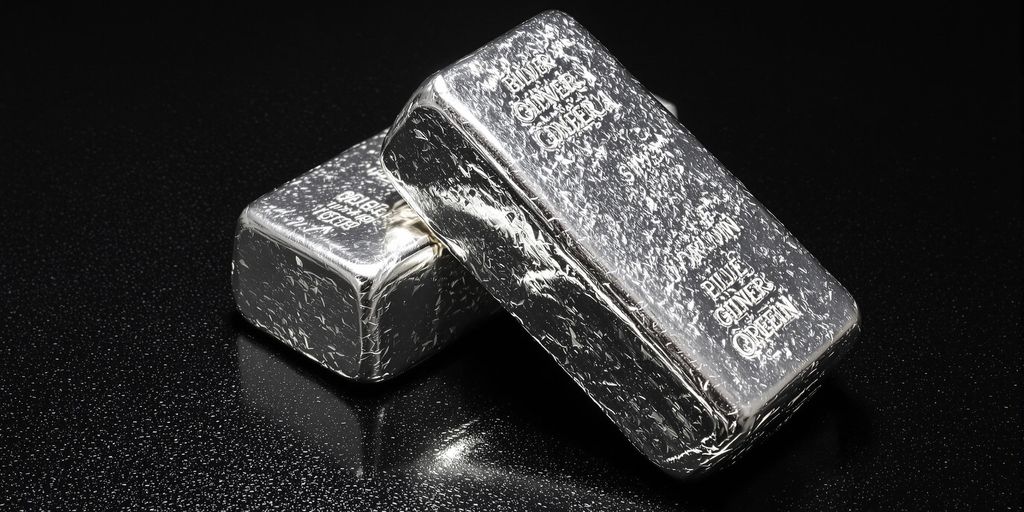
Have you ever wondered what the real difference is between 925 silver and 999 silver? It's a question many people ask, especially when it comes to jewelry or investing. Basically, the difference is the purity of the silver. But it goes a little deeper than that. Understanding these nuances is important for knowing what you're buying, how to care for it, and even for investment purposes. Let's take a look at it together, in a simple way, so everything is clear.
Key Takeaways
- 999 silver is almost pure (99,9%), very soft and mostly used for investment, not so much for everyday jewelry.
- 925 silver, or sterling silver, contains 92,5% silver and 7,5% other metals (often copper), making it stronger and perfect for jewelry.
- Hallmarks such as Amphora for 999 and Minerva for 925 are official marks that guarantee the purity of the silver.
- Oxidation of silver is normal, especially for 925 silver due to the alloy. It can be slowed down by taking care of your jewelry.
- For investment, 999 silver ingots are preferred because their purity is guaranteed and they are recognized worldwide.
Understanding the Purity of Silver
Silver, like many precious metals, is rarely used in its purest form for jewelry or art. Why? Because pure silver is too soft. It needs to be alloyed with other metals to gain strength and durability. This is where the concepts of 999 silver and 925 silver come in. Understanding these designations is essential to making informed choices when purchasing silver jewelry or items.
What is 999 silver?
999 silver, often referred to as fine silver, is silver that is 99,9% pure. It is the closest form of silver to its absolute purity that can be obtained commercially. Imagine an ingot of pure silver : it is very likely that it is made of 999 silver.
- Very malleable
- Corrosion resistant
- Mainly used for investment
What is 925 silver?
925 silver, also known as sterling silver, is an alloy composed of 92,5% pure silver and 7,5% other metals, usually copper. This alloy is much harder and stronger than 999 silver, making it ideal for making jewelry and decorative objects. The addition of copper allows for the creation of silver jewelry more durable.
The different alloys of silver
There are other silver alloys, but 925 silver and 999 silver are the most common. 800 or 950 silver can also be found, but they are less common, especially in modern jewelry. The composition of the alloy directly influences the properties of the metal, such as its hardness, color, and resistance to oxidation. It is important to know that solid silver can actually be 950, 925, or 800 silver. Only the hallmark on the object or jewelry will tell you. In France, solid silver corresponds to the name "925 silver." This name simply means that the jewelry is made of real silver as opposed to silver plating.
Understanding the different silver alloys is crucial for assessing the quality and value of a silver item. Each alloy has its own advantages and disadvantages, and the choice will depend on the item's intended use.
Characteristics of 999 silver
The purity of fine silver
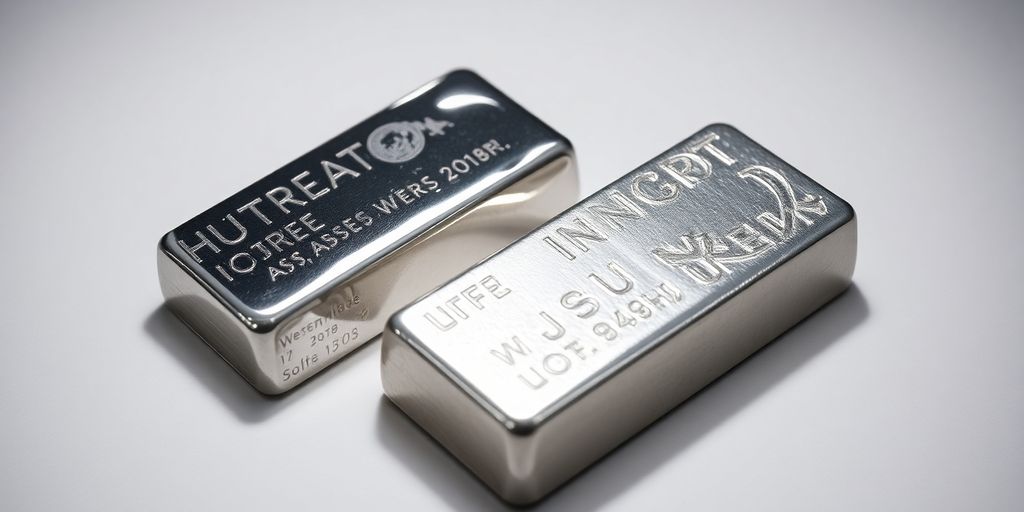
999 silver, often referred to as fine silver, is the closest thing to pure silver that can be found. It is made of 99,9% silver, with only 0,1% other elements. This high purity gives it unique properties, but also certain limitations.
Main use of 999 silver
Due to its high malleability, 999 silver is not ideal for making jewelry that requires a certain robustness. It is mainly found in:
- Investment bullion
- Collectibles
- Some electronic components
- In industry, for specific applications requiring high conductivity.
999 silver is an excellent choice for those looking to invest in physical silver or who require a highly pure material for industrial applications. However, it's important to note that its brittleness makes it less suitable for everyday use in jewelry.
The Amphora punch
In France, 999 silver intended to be sold in the form of ingots or coins must bear a specific hallmark. This hallmark, representing an amphora, is affixed by the Paris Assay Office. It guarantees that the precious metal meets the stated purity standard. It's a bit like a seal of authenticity, reassuring buyers about the quality of their investment. Without this hallmark, it's difficult to be certain of the purity of the silver.
Characteristics of 925 silver
925 silver, often referred to as sterling silver, is a standard in the world of jewelry and goldsmithing. It's an alloy that combines the brilliance of pure silver with the strength needed to create durable objects. Let's take a look at what makes it so special.
Composition of sterling silver
925 silver, as its name suggests, is composed of 92,5% pure silver. The remaining 7,5% is usually copper. Why copper? Well, pure silver is too soft to be used alone in jewelry. Adding copper hardens the metal without significantly altering its color or shine. It's important to know that other metals can be used, but if the jewelry contains nickel, it cannot be considered 925 silver. Nickel can cause allergies, especially in earrings.
Durability and use in jewelry
The presence of copper gives 925 silver a durability far superior to that of pure silver. This is why it's favored for making jewelry, cutlery, and other art objects. 925 silver is more resistant to scratches and deformation, making it an ideal choice for everyday items. It can be found in a wide variety of creations, from rings to necklaces, bracelets, and earrings.
The Minerva hallmark
In France, 925 silver objects must bear a hallmark, a sort of signature that guarantees their authenticity. The most common hallmark is the Minerva hallmark. It represents the Roman goddess Minerva and indicates that the object is indeed made of 925 silver. This hallmark is mandatory for objects weighing more than 30 grams. It is a guarantee for the consumer that the object they are purchasing is indeed made of genuine silver. If you are purchasing a 100g silver ingot, check that the punch is present.
Sterling silver is a material of choice for those seeking a balance between beauty, durability, and value. Its widespread use in jewelry is a testament to its versatility and timeless appeal.
Key differences between 925 and 999 silver
Pure silver content
The most obvious difference between 925 silver and 999 silver lies in their composition. 999 silver is 99,9% pure silver, while 925 silver contains 92,5% pure silver and 7,5% other metals, usually copper. It is this difference in purity that influences their properties and uses.
Physical properties and malleability
999 silver, being nearly pure, is extremely malleable and ductile. This means it can be easily shaped and stretched without breaking. However, this malleability also makes it softer and less resistant to scratches and deformation. This is why it is rarely used for jewelry requiring a certain robustness. 925 silver, thanks to the addition of other metals, is harder and more durable. It retains good malleability while being more resistant to wear. It is a perfect balance for creating jewelry and art objects.
Applications and uses
Due to its high purity, 999 silver is primarily used for investment bars and collectible coins. silver bars 999 silver is often preferred because its value is directly related to the price of pure silver. 925 silver, on the other hand, is the material of choice for jewelry, silverware, and decorative objects. Its durability and resistance to tarnish make it an ideal material for items that are used daily.
925 silver is an excellent choice for everyday jewelry, while 999 silver is more suitable for investment and collecting. Choosing between the two will depend on your intended use.
Here is a summary table of the main differences:
| Characteristic | 999 Sterling Silver | 925 Sterling Silver |
|---|---|---|
| Purity | 99,9% | 92,5% |
| Malleability | Very high | Élevée |
| Hardness | Low | Higher |
| Wear resistance | Low | Bonne |
| uses | Ingots, collector's coins | Jewelry, silverware, decorative objects |
Basically, if you're looking for something that shines and lasts, 925 silver is your friend. If you want to invest and store value, 999 silver is better. It's like choosing between a sports car and a safe; it depends on what you want to do!
Oxidation of silver jewelry
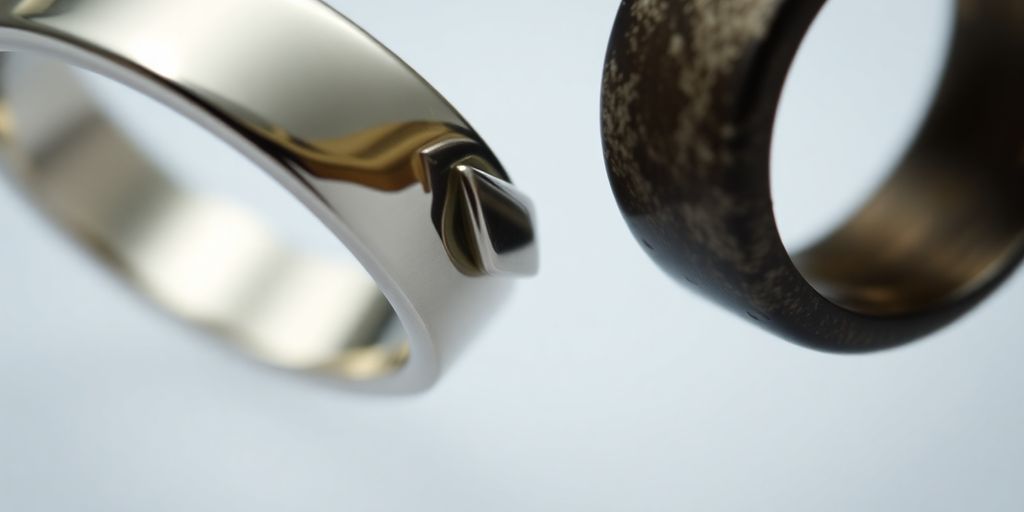
Oxidation, the natural process that dulls the shine of our silver jewelry, is a topic that often comes up. We wonder why it happens, how to prevent it, and if it really affects the quality of our precious accessories. It's a bit like watching a fresh apple turn brown: it's normal, but we wish it would last longer.
Why does silver oxidize?
Silver, unlike gold, reacts with sulfur present in the air and in certain products. This chemical reaction forms silver sulfide, a dark layer that is deposited on the surface of the jewelry. It's a bit like a patina, but less aesthetically pleasing. Pollution, perspiration, cosmetics, and even certain foods can accelerate this process. This is why some jewelry oxidizes faster than others, depending on where we live and our habits.
Oxidation prevention
Fortunately, there are ways to slow down oxidation. Here are some simple tips:
- Store your jewelry in airtight pouches or jewelry boxes lined with anti-tarnish fabric. This limits contact with air.
- Avoid wearing your silver jewelry while exercising, showering, or using household cleaners. Humidity and chemicals are the enemies of silver.
- Clean your jewelry regularly with a soft cloth and silver-specific products. There are also homemade solutions, such as a baking soda and warm water bath.
- Consider rhodium plating. To prevent oxidation of silver jewelry, jewelers offer rhodium-plated silver jewelry, which is actually silver jewelry to which a very light layer of rhodium has been applied.
Oxidation isn't inevitable. With a little care and a few simple steps, you can preserve the shine of your silver jewelry for a long time. It's a bit like taking care of your leather shoes: it takes a little effort, but it's worth it.
Impact on the quality of jewelry
Oxidation does not affect the intrinsic quality of silver. It is simply a superficial layer. However, if left untreated, it can make the jewelry less attractive. Furthermore, excessive oxidation can eventually attack the metal and weaken the solder joints or clasps. It is therefore important to clean your jewelry regularly to prevent oxidation from setting in permanently.
Recognizing real money
Okay, let's be honest, no one wants to get ripped off when buying silver. Whether it's jewelry, a decorative item, or even a bar, we want to be sure of what we're buying. There are plenty of tricks to check if it's actually silver, and not something that vaguely resembles it. I remember once when I almost bought a ring at a market; it was shining brightly, but luckily, I checked the hallmark before taking out my wallet. It saved me a big disappointment!
The importance of the punch
The hallmark is a bit like the identity card of money. It's a small mark affixed to the object that indicates its pure silver content. In France, the most common hallmarks are the Minerva hallmark for 925 silver and the Amphora hallmark for 999 silver. If you don't see any hallmark, or if the hallmark seems strange to you, be wary! This doesn't necessarily mean it's a scam, but it's worth digging a little deeper. You should know that some punches are more difficult to counterfeit than others.
Visual and audio tests
Beyond the hallmark, there are simple tests you can do yourself. First, the visual aspect: silver has a particular luster, a soft, metallic shine. If it shines too much, or if it looks a little "plasticky," that's a bad sign. Then, the sound test: if you clink a silver object, it should produce a clear, prolonged sound. A dull sound may indicate that it's another metal.
The weight of money
Silver is denser than many other metals. If you have two objects of similar size, one made of silver and the other of a less dense metal, the silver one will be heavier. Of course, it takes a little practice to really feel the difference, but over time, you develop a certain feeling.
Be careful, though, as some scammers mix less noble metals with lead to mimic the weight of silver. Therefore, testing weight alone is not enough; it must be combined with other checks.
Here are some points to remember to recognize real silver:
- Always check the punch.
- Observe the brightness and color carefully.
- Take the sound test.
- Compare the weight with other similar objects.
By following these tips, you should be able to avoid unpleasant surprises and buy silver with confidence!
Money in investment
Pure silver ingots
When we talk about investing, pure money, often in the form of silver bars, is a popular option. These ingots are generally made of 999 silver, meaning they are made of 99,9% pure silver. It's a straightforward way to invest in the precious metal without the hassle of collectible coins or jewelry. They come in a variety of sizes, from a few grams to several kilos, allowing investors to choose based on their budget and goals.
Certificates of Authenticity
When purchasing silver, especially in bullion form, you should always do so from reliable sources. A certificate of authenticity is essential. It guarantees that the silver is what it claims to be and meets the stated purity standards. These certificates are often issued by reputable refiners and include information such as weight, purity, and a unique serial number. Without this document, it is difficult to prove the value of your investment.
The silver market
The silver market, like the gold market, is influenced by various economic and geopolitical factors. It's important to monitor silver prices, interest rates, inflation, and global events that can affect supply and demand. Here are some points to consider:
- Industrial Demand: Silver is used in many industries, which influences its price.
- Currency fluctuations: Changes in exchange rates can make money more or less attractive to foreign investors.
- Global reserves: The amount of silver available can impact the market.
Investing in silver can be a good portfolio diversification strategy, but it's crucial to fully understand the risks and opportunities before taking the plunge. The market can be volatile, and it's advisable to consult a financial advisor to make informed decisions.
Understanding how money works in investing is super important. It helps you make good choices for your future. If you want to learn more aboutinvestment in precious metals, like gold, visit our site. We explain everything simply so you can get started.
In short: 925 or 999, which one to choose?
So, to put it simply, 999 silver is the purest. It's great for ingots or collectible coins, but for jewelry, it's a different story. It's too soft, it warps easily. No one wants a piece of jewelry that loses its shape after a few days, right? That's where 925 silver comes in. With its small percentage of copper, it becomes much stronger. It holds its shape, it's more resistant to everyday shocks. That's why we see it everywhere in jewelry stores. So, if you're looking for a piece of jewelry that lasts and stays beautiful, 925 is your friend. If it's for an investment or just for the pleasure of having almost pure silver, 999 is what you need. Each has its use, you just have to know what you want!
Frequently Asked Questions
What is 999 silver?
999 silver is almost pure silver, at 99,9%. It is also called “fine silver.” It is very soft and bends easily. It is mainly used to make ingots or collectible coins, but not so much for everyday jewelry because it warps easily.
What is 925 silver?
925 silver, or “sterling silver,” is a mixture of 92,5% pure silver and 7,5% other metals, often copper. This mixture makes it stronger than pure silver. This is why it is widely used in jewelry, as it is more durable and holds its shape better.
What is the main difference between 925 silver and 999 silver?
The main difference is the amount of pure silver. 999 silver is almost 100% pure, while 925 silver contains 92,5% silver and 7,5% other metals. This makes 999 silver very soft and 925 silver harder and more suitable for jewelry.
Why is 925 silver preferred for jewelry?
925 silver is ideal for jewelry because it's strong enough to resist warping while still remaining beautiful. 999 silver is too soft for most jewelry that needs to be worn frequently. It's more commonly found in valuable items that need to be kept, such as ingots.
Why does silver jewelry turn black?
Silver oxidizes (turns black) due to contact with air, moisture, and certain chemicals. It's mainly the copper in 925 silver that reacts and causes the jewelry to turn black. 999 silver oxidizes less quickly because there are very few other metals.
How to recognize a real silver jewel?
To determine if an item is genuine silver, look for a small number engraved on it, such as “925” or “999.” This is called the hallmark. There are also simple tests: silver is a bit heavy and doesn't attract magnets. Genuine silver jewelry often has a clear sound when gently tapped.