Buying collectible gold coins is a bit like going on a treasure hunt. But these days, you especially need to be wary of fakes. Between well-made copies and dubious sellers, it's easy to get scammed. In this guide, we'll see how to recognize a genuine coin, how to test its authenticity, and above all, how to avoid unpleasant surprises. It's not complicated, but you have to keep your eyes peeled and don't hesitate to ask questions. Here's how to make "Fake Collectible Gold Coins (Complete Guide)" nothing but a bad memory.
Key points to remember
- Always check the condition, markings and edge of the coin for possible signs of counterfeiting.
- Use simple tests (magnet, density, visual examination) and demand official certificates or hallmarks to guarantee authenticity.
- Favor reputable sellers and stay informed about new counterfeiting techniques to buy safely.
Understanding the characteristics of collectible gold coins
To get started in gold coin collecting, you first need to know how to recognize what gives a coin its value and authenticity. It's not so complicated once you have the right basics. We'll look together at how to identify the different parts of a coin and how to assess its condition.
Each coin has two main sides: the obverse and the reverse. The obverse is often where you'll find the main image, such as a portrait of a historical figure or a powerful national symbol. It's a bit like the coin's identity card, representing the issuing authority. The reverse is the other side. It's also sometimes called the 'tail' in everyday language. This is where you'll usually find the coin's face value, such as '10 Francs' or '20 Dollars'. Sometimes, commemorative coins have unique designs on each side, but the principle remains the same: two distinct sides, each with its own information.
Analyze the slice and its state of preservation
The edge is the rim of the coin. It can be smooth, reeded, or even have inscriptions. It's a detail that might seem minor, but it's important for authenticity. Counterfeiters sometimes overlook this detail. Then there's the condition. This is extremely important because it directly influences the price. A newly minted coin, without any signs of wear, will be much more expensive than a coin that has seen a lot of circulation. Scales are often used to rate this condition, such as the Sheldon scale, or simpler terms like 'Excellent' or 'Very Fine'. You have to carefully examine the details, the relief, and whether there are any scratches or dents. It's a bit like being a detective; you have to observe everything! To help you assess the condition, you can consult specialized guides or compare your coin with reference photos. Sometimes, professional services can encapsulate your coins with a condition report, which helps secure their value. Don't forget that even a small scratch can be a game changer in the market. The state of preservation is a key factor in the value of a collectible item.
Gold, by its very nature, does not oxidize and retains its color over time. If a coin shows signs of rust, discoloration, or marks, there is a good chance that it is not pure gold or that it is counterfeit. The density of gold is also an important characteristic; a genuine coin will sink quickly in water, while a lighter object will float or sink slowly.
Here are some points to check regarding the condition:
- The details : Are they sharp and well-defined, or rather blurry and worn?
- The stripes: Are there any scratches visible to the naked eye or under a magnifying glass?
- General wear and tear: Does the item appear to have been used a lot, or is it like new?
It is also helpful to know the exact weight and diameter of the part you are examining. This information is usually available in catalogs. gold coinsEven minor differences can indicate counterfeiting.
Methods for authenticating gold coins
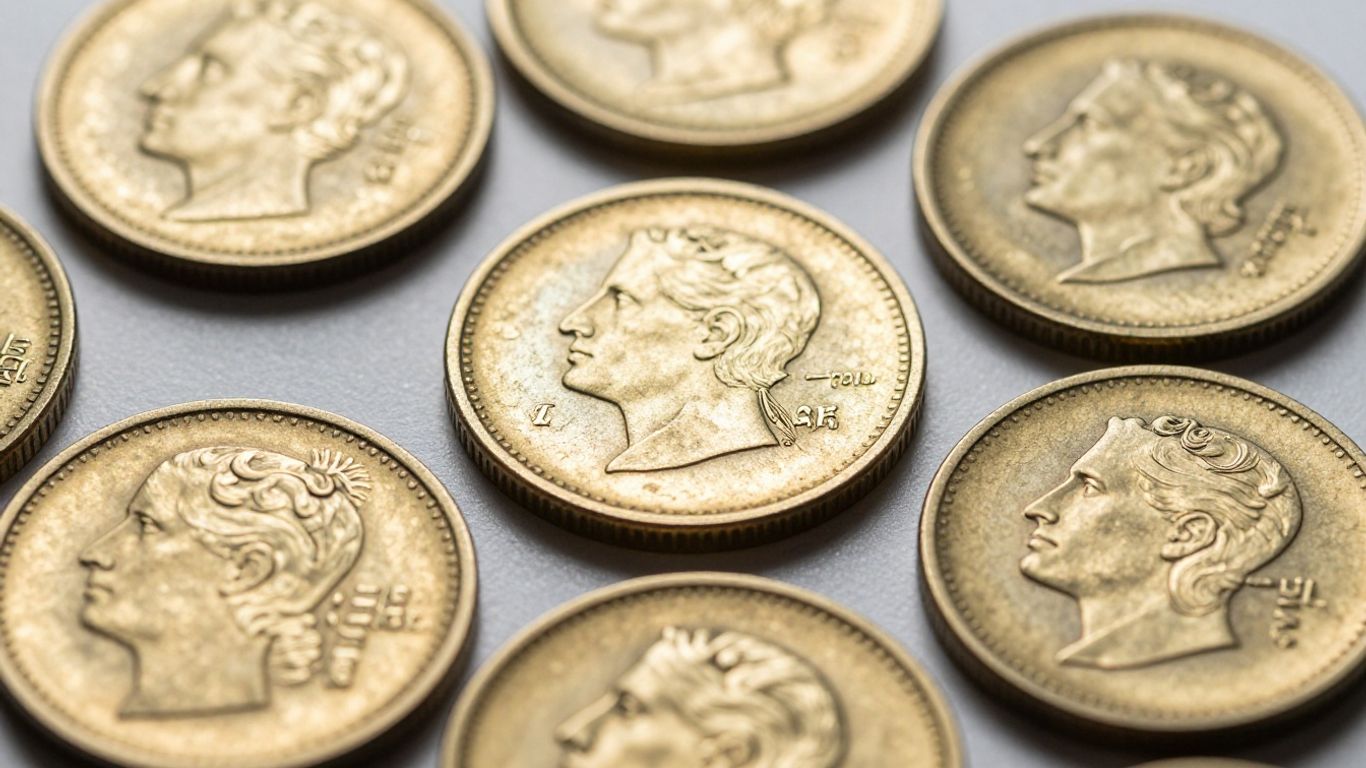
So, you have a gold coin that seems suspicious? Don't panic, there are several tricks to check if it's the real thing or a well-made imitation. It's a bit like being a detective, but with ancient coins instead of clues at a crime scene.
Physical and visual tests to detect fakes
The first step is observation. Take your coin and look at it carefully. Are the details sharp? Counterfeiters sometimes struggle to reproduce the fineness of engravings. Compare it with photos of the genuine coin if you have any. Next, there's the weight and dimensions. Gold has a very specific density. If your coin seems too light or too thick than it should be, that could be a red flag. Precision scales and calipers can be your best friends here. Don't forget to check the edge of the coin; it can sometimes reveal clues about its manufacture or alterations.
Another simple test is the magnet test. Pure gold is not magnetic. If your coin sticks to a magnet, it likely contains other metals. However, be aware that some metals used in counterfeits are also not magnetic, so this test isn't conclusive, but it can eliminate some suspects.
It's important to know that the most sophisticated counterfeits can be very difficult to detect. Counterfeiters sometimes use metals like tungsten, which has a density close to that of gold, making weight and size tests less reliable. They may even plate tungsten coins with a thin layer of gold.
Here are a few points to check quickly:
- The sound: When you drop a genuine gold coin on a hard surface, it produces a clear, sustained sound, much like a bell. A counterfeit coin will often have a duller, shorter sound.
- The colour : Gold has a very specific color. If the piece shows discoloration, greenish or black spots, especially in crevices or on worn areas, it's a bad sign. Gold does not rust.
- The ceramic test: If you have an unglazed ceramic tile, you can gently rub the coin on it. A yellow mark indicates gold; a black or gray mark means it is not. Be careful, this test can slightly scratch the coin, so use it with caution on valuable pieces.
The importance of hallmarks and certificates
Hallmarks are like your coin's identity card. They usually indicate the gold's purity (for example, 999 for pure gold, or 900 for 22 karats) and sometimes the maker. Look for these marks with a magnifying glass. If a coin that's supposed to be pure gold doesn't have a clear hallmark, or if the hallmark looks poorly made, be wary. However, keep in mind that counterfeits can also have fake hallmarks, so this isn't the only criterion to consider.
Certificates of authenticity are also very important, especially for collectible coins or bullion. A certificate issued by a recognized institution (such as the Monnaie de Paris, or numismatic certification bodies like PCGS or NGC) attests to the coin's origin, purity, and condition. If you buy a coin and it doesn't come with a certificate, or if the certificate seems questionable, ask for clarification. Sometimes, counterfeiters create fake certificates that look like the real thing, but a careful examination of the details can reveal differences. It's always best to buy coins that have been certified by recognized appraisal services, as this secures your purchase. gold purchase.
Avoid counterfeits and buy with confidence
Buying gold coins is a pleasure, but also a real obstacle course. Counterfeits are everywhere, and frankly, getting scammed can happen much faster than you think. To avoid falling into the trap, you need to incorporate a few simple habits into your buying routine.
Choose reputable and reliable sellers
Taking the time to select a trustworthy seller is already a way to avoid most unpleasant surprises. In the market, certain websites and shops stand out for their reliability and transparency. They require a detailed certificate of authenticity for every purchase and prioritize traceable transactions. For example, coins like the 20 Francs Napoleon These are easily found with reputable professionals. It's also wise to compare offers and not be tempted by anything that seems too good to be true – that's often where the most blatant scams lurk. Research the advantages of using reputable sellers in the area.secure purchase of gold coins.
Some criteria to follow:
- Carefully check the weight and purity mentioned on the coin and the certificate.
- Favor sellers offering secure packaging, sometimes sealed and numbered.
- Be wary of auction platforms: beware of offers without traceability or official paperwork.
Keeping informed about new forgery techniques
Counterfeiters are never short of ideas. So you need to stay informed about the latest tricks used to deceive collectors.
- Subscribe to specialized newsletters on the gold market.
- Regularly check the forums of enthusiasts who share recent scams.
- Don't hesitate to ask for advice from other collectors or professionals in the field.
| Tip | Purpose |n|—————————-|—————————————————-|n| Careful visual analysis | Spot inconsistent details or poor engraving |n| Certificate verification | Ensure the origin and accuracy of the data |n| News monitoring | Identify current scams |
The golden rule: as soon as you have any doubt, have the item checked before concluding the transaction or favour buying from a recognized expert.
By always maintaining a critical eye, you will avoid many disappointments and you will fully enjoy your passion for collecting gold coins.
To ensure you make a good purchase and avoid unpleasant surprises, it's important to know where to look. We help you find authentic products so you can buy with confidenceVisit our website to discover our selection and shop with confidence.
To conclude
There you have it, you now have a good idea of how to spot fake gold coins. It's not always easy, is it? Between the details to check and the ever-evolving techniques of counterfeiters, you have to stay vigilant. But with the advice we've covered, you're better equipped to make your purchases. Remember, the most important thing is to trust your instincts and don't hesitate to ask a professional if you have any doubts. Collecting should remain a pleasure, not a source of stress. So, happy treasure hunting!
Frequently Asked Questions
How can you tell if a gold coin is fake just by looking at it?
To begin, examine the coin carefully. Look for crisp, well-executed details. If the edges are uneven or the surface appears too shiny or too dull, this could be a red flag. Genuine coins often have distinct markings, such as inscriptions or clearly defined designs. If possible, compare it with photos of authentic coins to spot any differences.
What are some simple tests I can do myself to verify a gold coin?
An easy test is the magnet test. Gold is not attracted to magnets. If your coin reacts to a magnet, there's a good chance it's not pure gold. You can also check the coin's weight and size, as these should match known specifications for that coin. If you have precision scales, that's a good place to start.
Why is it so important to buy from reliable sellers?
Buying from reputable sellers is the best way to ensure you get an authentic piece. These sellers have a reputation to uphold and often work with experts who verify each item. They can also provide certificates of authenticity, giving you an additional guarantee. Avoiding offers that seem too good to be true on less regulated platforms is a golden rule to prevent falling victim to counterfeits.