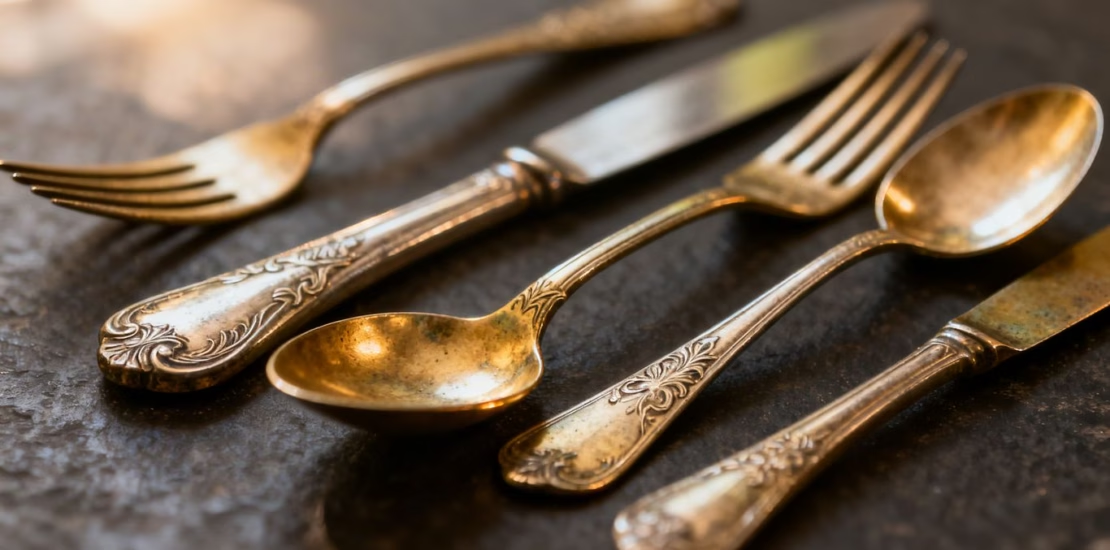
Do you have silver coins lying around and are wondering where to sell your silverware? It's an excellent idea, as these items can have real value. Whether it's a family heirloom or an impulse buy, knowing how and where to sell them is key to getting the best price. Don't worry, we'll look at the different options together so you can sell your silverware without any hassle.
Key Takeaways
- To sell your silverware, you have the choice between professionals such as antique dealers and auctioneers, or online platforms for greater simplicity.
- Before selling, it is important to know if your silverware is solid silver or silver-plated, and to look at the hallmarks which indicate its quality and purity.
- Auctioneers can appraise your items for free and sell them at auction, while online platforms offer a faster and more direct sale.
Where to sell your silverware: professional options
If you've decided to part with your silverware, it's natural to want to get the best possible price for it. Fortunately, several professionals can help you gain clarity and ensure a smooth sale. They are there to guide you, especially if you're not an expert in the field.
Consult an expert for a free estimate
Before putting your items up for sale, it's really helpful to know what you own. Sometimes, an old cutlery set inherited from your grandmother can hide a significant value. Therefore, Contacting an expert or auctioneer is an excellent first stepThey have a knack for spotting rare pieces, those made of solid silver, and those with a unique history. Often, this initial appraisal is free, allowing you to know what to expect at no cost.
- Authenticity verification The expert will confirm whether your coins are solid silver or silver-plated.
- Identification of punches These small symbols are the key to understanding the quality and origin of silver.
- Price estimate : Based on the current price of silver, the condition of the coins and their rarity.
Knowing what you're selling is the first step to avoiding being ripped off. An item that seems ordinary to you might be very valuable to a collector or a discerning enthusiast.
Auctioneers, guarantors of the value of your items
Auctioneers are recognized professionals who play a vital role in the world of art and collectibles. They possess in-depth market knowledge and know how to properly appraise your silverware. They can help you determine whether your pieces are best sold at auction or privately. Their expertise ensures that the value of your items is recognized and that they will be offered to the right audience.
- Auction organization They manage the entire process, from valuation to sale.
- Highlighting the pieces They know how to present your items to attract buyers.
- Market knowledge They are aware of current trends and prices for silverware.
Understand the value of your silverware before selling
Before you start selling your silverware, it's crucial to fully understand what you own. It's not just about the weight of the silver; there are many small details that make all the difference. If you've inherited a beautiful flatware set or collected a few pieces over the years, take the time to examine it closely.
Solid silver or silver-plated metal: how to tell the difference?
This is the first thing to clarify, because the price will be completely different. Sterling silver, as its name suggests, is composed primarily of silver. It's generally referred to as an alloy containing at least 80% pure silver, often 92,5% (the famous "925"). Silver-plated metal, on the other hand, is another metal (often copper or bronze) that has been coated with a thin layer of silver. Companies like Christofle have mastered the art of silver plating, producing magnificent pieces, but these don't have the same intrinsic value as sterling silver.
How to distinguish them?
- The weight : Solid silver is generally lighter than silver-plated metal.
- Inscriptions : Look for inscriptions like "Christofle," "Ercuis," or "Gallia" within a cartouche. If the company name is written out in full, it's often a sign of silver-plated metal. Solid silver will more likely have hallmarks (more on that later!).
- Wear and tear: Over time, sterling silver can tarnish due to oxidation. This isn't necessarily a flaw; it can even be a sign of authenticity. Silver-plated metal, on the other hand, can show signs of wear in the silver layer, revealing the metal underneath.
The importance of hallmarks in identifying the quality of silver
Hallmarks are like the identity card of your silverware. They are small marks engraved on the pieces that provide valuable information about their origin and composition. These small symbols are essential for authenticating and estimating the value of your items.
- For large sums of money: You will often find specific hallmarks. In France, for example, before 1791, there were the hallmarks of the Farmers General, which indicated the goldsmith, the town, and the year. Afterward, hallmarks such as the "Rooster" or the "Old Man" appeared, and since 1838, the "Minerva" hallmark has often been used to guarantee a purity of at least 925/1000.
- For silver-plated metal: The hallmarks are usually different, often square or rectangular, and sometimes indicate the manufacturer's mark or the level of plating.
You often need a good magnifying glass to clearly distinguish these hallmarks, especially if they've faded a bit over time. But it's worth the effort, because a clear and recognizable hallmark can really increase the value of your coins.
Knowing how to distinguish between sterling silver and silver-plated metal, and how to properly read hallmarks, is essential to avoid being ripped off and to get the best price for your silverware. It's a bit like learning a new language, the language of silversmiths and experts.
Here is a small table to help you see things more clearly:
| Characteristic | Solid Silver | Silver-plated metal |
|---|---|---|
| Composition | Alloy of silver (often 92,5%) and copper | Base metal (copper, bronze) plated with a thin layer of silver |
| Weight | Generally lighter | Generally heavier |
| Typical markings | Hallmarks (Minerva, Rooster, Old Man, etc.) | Inscriptions (Christofle, etc.), square/rectangular hallmarks |
| Oxidation | May darken over time (a sign of authenticity) | The silver layer can wear away, revealing the base metal. |
| Value | Higher | Lower |
Places and platforms to sell your silverware
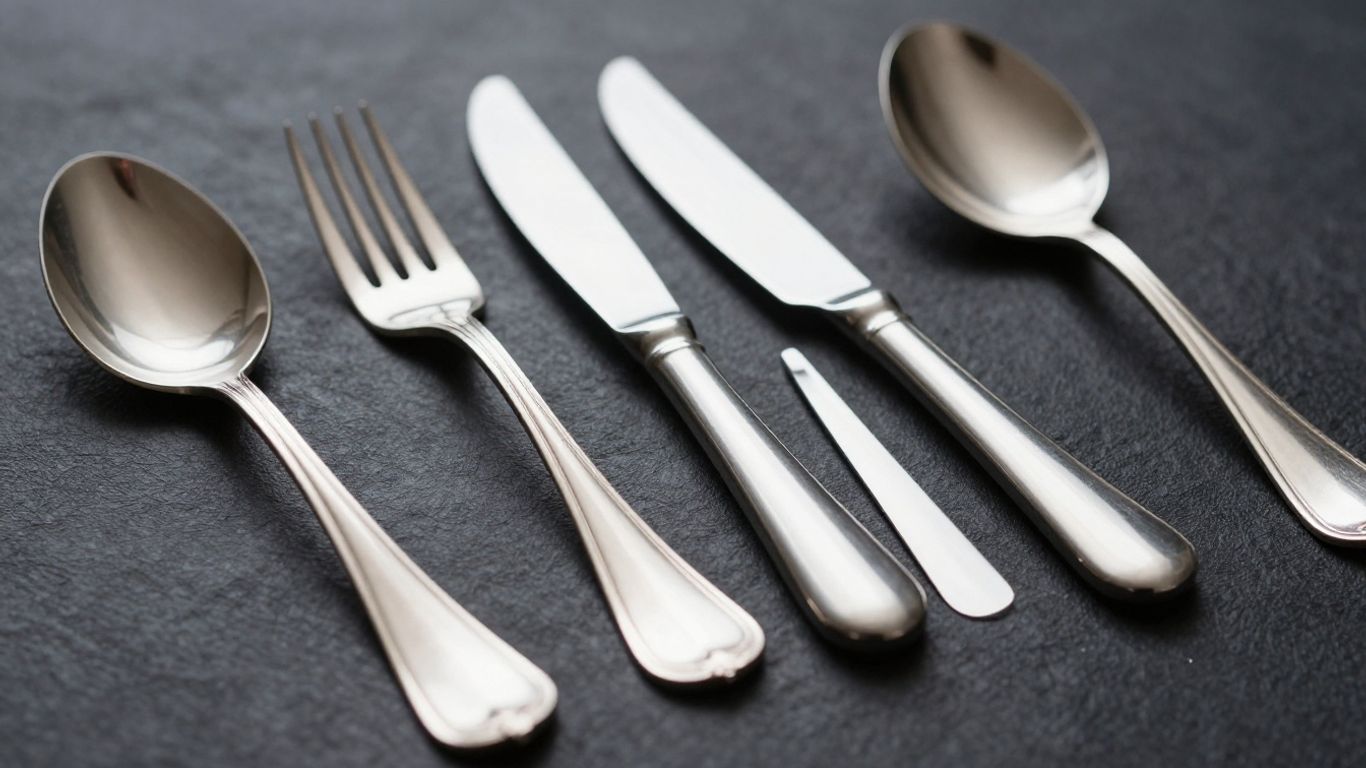
Once you have an idea of the value of your items, it's time to think about where to offer them. Fortunately, you have several options, whether you prefer human contact or the simplicity of digital.
Antique dealers and traditional auctions
Antique dealers are often the first people who come to mind when you think about selling old items. They have in-depth knowledge of styles, periods, and brands, which can be an advantage in getting a fair price. Don't hesitate to visit several shops to compare offers. Traditional auctions, organized by auctioneers, are another option. They are an excellent way to reach collectors and enthusiasts who might be willing to pay a high price for a rare item. The auctioneer handles everything, from the appraisal to the sale, including advertising the item.
Here are some points to consider when contacting these professionals:
- Expertise: Make sure that the antique dealer or auctioneer specializes in goldsmithing.
- Transparency: Ask for clear explanations on how the value is determined and on any potential fees.
- The deadline: Auctions can take time, please be patient.
- The commission: Professionals take a commission on the sale; inquire about the amount.
Selling silverware through traditional channels often requires expertise and a network of connoisseurs. This can guarantee a more secure and potentially more profitable transaction for high-quality pieces.
Online platforms for simplified sales
If you're looking for a faster and perhaps more accessible solution, online platforms are an excellent alternative. Sites like eBay, Leboncoin, or platforms specializing in selling secondhand items allow you to list your items directly to a wide audience. The advantage is that you often set your own price, and the transaction can be very quick. However, you must be careful about the descriptions you write of your items and the photos you post. A good presentation is key to attracting buyers.
Here are some tips for selling online:
- High-quality photos: Take clear photos from different angles, highlighting details and any hallmarks.
- An honest description: Mention the condition of the silverware, its material (solid silver or silver-plated metal), and any other relevant information.
- Set a fair price: Look at what is selling under similar conditions to get an idea of the market.
- Transaction security: Favor platforms that offer secure payment systems and protections for sellers.
Looking for a place to sell your silverware? There are several options. You could consider specialist shops, flea markets, or even sell onlineEach option has its advantages. For a quick and easy sale, why not check out our website? We can help you find the best home for your silverware.
So, ready to sell your silverware?
There you have it, you now have all the information you need to sell your silverware. Whether you've inherited an old flatware set or simply want to part with a few pieces, remember that the market is there. Take the time to properly identify what you own, check the hallmarks, and don't hesitate to ask an expert for their opinion. Whether at an antique shop, an auction house, or even online, there's always a way to give your silver items a new life and bring you a little something in return. Happy selling!
Frequently Asked Questions
How can I tell if my cutlery is solid silver or just plated?
To determine if your silverware is sterling silver, look for small hallmarks. These hallmarks often resemble geometric shapes or designs. If there's a small owl or the head of Minerva, it's likely sterling silver. Silver-plated items often have square or rectangular hallmarks. Weight can also be a clue: sterling silver is slightly lighter than silver-plated silver.
Where can I get my old plates and silver cutlery appraised?
To find out the true value of your silver items, it's best to consult an expert. You can contact an auctioneer, who specializes in auctions. They can tell you how much your pieces are really worth. Some antique dealers or shops specializing in buying silver may also offer a free appraisal.
Does silverware still sell well today?
Yes, silverware can still be sold, especially if it's solid silver and in good condition. People are always interested in beautiful antique objects. Rare pieces, those with a history or signed by renowned silversmiths, can even fetch very high prices, particularly at auctions. But for more common pieces, the price will depend mainly on the weight of the silver they contain.