Are you considering investing in gold to secure your assets, but worried about encountering a counterfeit? That's perfectly normal. The gold market, despite being a safe haven, can sometimes present pitfalls. Fortunately, knowing how to protect yourself against gold counterfeiting is within your reach. This article will guide you through the important steps to buy with confidence and preserve the value of your investments.
Key Points to Protect Yourself Against Gold Counterfeiting
- Understand the risks: Learn about what a fake bullion is, the different methods of counterfeiting, and the specific dangers of shopping online.
- Examine carefully: Always check the weight, density, markings, serial numbers and certificates of the ingots for any anomalies.
- Choose reliable sources: Buy your gold only from certified, trusted sellers, and don't hesitate to call on precious metals professionals.
- Use verification methods: Rely on expert appraisal and chemical testing to confirm the purity and authenticity of the gold you buy.
- Stay vigilant: Keep all your documents, be wary of offers that seem too good to be true, and continue to educate yourself to best secure your assets.
Understanding the risks of gold counterfeiting
Investing in gold may seem like a safe bet, a classic safe haven. But be careful, the market isn't without its pitfalls. Gold counterfeiting is a real thing, and if you're not careful, you could end up with metals that aren't worth much, thinking you've made a good investment. This can be costly, both financially and in terms of the trust you place in your investments. It's important to understand the risks before taking the plunge.
Basically, a fake ingot is an imitation. It may look exactly like a real ingot, but its composition is completely different. Instead of being made of pure gold, it is often made with less precious metals like copper, lead, tungsten, or mixtures. To deceive the eye and the weight, counterfeiters apply a thin layer of gold to the surface. The problem is that beneath this beautiful golden appearance, the value is much less, if any.
Counterfeiters are very imaginative when it comes to scamming you. Here are some common methods they use:
- Gold plated ingots: A thin layer of gold covers a denser metal core, such as tungsten, to mimic weight. These ingots are often difficult to spot without specialized equipment.
- Alloy ingots: They're made of a mix of metals, with just a small amount of gold to give the illusion. It's deceptive, but it's no match for real metal.
- Fake certificates: Sometimes the ingot itself may be authentic, but the accompanying certificate of authenticity is a fake. This makes traceability impossible and poses major problems.
Shopping online is convenient, but when it comes to gold, you have to be extra careful. Deals that seem too good to be true online are often a warning sign. It's easy to stumble upon unscrupulous sites selling counterfeits. Without being able to examine the product closely, people rely on photos and descriptions that may be misleading. It's therefore important to carefully check the seller's reputation and be wary of unusually low prices. When shopping online, it's best to turn to recognized and certified sellers who offer guarantees on the authenticity of their products. Remember to compare prices and read reviews before making your decision. It's important to know that offers too tempting can hide unpleasant surprises.
It's essential to stay informed and vigilant. Don't rush into your purchases, especially online. Take the time to do your research and understand the risks before investing your money in gold.
Identify the signs of a counterfeit gold bar
When faced with the temptation of gold, it's essential to remain vigilant. Counterfeiters are increasingly adept at imitating the appearance of bullion, but certain details can tip you off. Careful observation and a good understanding of the characteristics of authentic gold are your best weapons.
Check the weight and density of the ingot
Pure gold has a specific density. If you hold a bar in your hand, it should have a certain weight for its size. Fake bars are often made with less dense metals, such as tungsten or copper, and then coated with a thin layer of gold. While they may appear to be the correct weight at first glance, further checking the density can reveal the deception. To do this, measure the volume of the bar and divide it by its weight. If the calculated density doesn't match that of pure gold (approximately 19,32 g/cm³), be suspicious.
Examine design details and markings
Look carefully at the markings on the ingot. Genuine ingots usually have clear information such as the name of the foundry, weight, purity (often indicated in carats or thousandths, for example, 999,9‰), and a unique serial number. Counterfeits may have blurred, misaligned, or even absent markings. Design details, such as edges, corners, and surface, should be clean and precise. Fake ingots may have imperfections, burrs, or a less than perfect finish. Careful observation of the inscriptions and the quality of manufacture is an essential first step.
The Importance of Serial Numbers and Certifications
Unique serial numbers and certificates of authenticity are key to verifying a bar. Reputable manufacturers associate each bar with a specific serial number, which must match the one on the certificate of authenticity. This certificate, often issued in a sealed blister pack, contains detailed information about the bar, including its weight, purity, manufacturer's name, and serial number. If the certificate appears forged, incomplete, or if the serial number doesn't match, this is a major red flag. It's always a good idea to be able to verify the validity of this information with the manufacturer if possible. Remember that investment gold bars should ideally come with a certificate of authenticity and a unique serial number to confirm their origin [e235].
Beware of offers that seem too good to be true. An abnormally low price is often a sign of a counterfeit. Gold has an intrinsic value that fluctuates depending on the market, but a drastic price reduction is rarely a sign of a good deal.
Choose reliable sources of supply
When you decide to invest in gold, choosing your seller is really the first step to avoiding trouble. It's a bit like choosing a plumber to fix a leak: you want someone competent and trustworthy. So, take the time to carefully select the seller or platform you're going to use. Don't rush into anything; it's important.
Favor certified and recognized sellers
To start, look for established, registered, and certified professionals. This is already a good sign. Think about companies that have been around for a while and have a good reputation. They often have guarantees on their products, such as certificates of authenticity that tell you exactly what you're buying. It's a bit like having a warranty on an electronic device; it's reassuring. You really need to do your homework before committing. Look for online reviews and see how long the company has been around; a long history can be a sign of seriousness. If you see a lot of negative comments, people complaining about low prices, a lack of transparency, or delivery issues, that's a red flag. A reputable seller will generally have a good online reputation, with positive feedback from satisfied customers. It's also advisable to check whether the seller is certified by recognized organizations, such as the LBMA (London Bullion Market Association), which certifies gold refiners. Buying gold from these refiners means having a guarantee of purity and quality recognized worldwide.
Be wary of overly tempting offers
Sometimes you see ads that seem too good to be true. Prices well below the current gold price, incredible promotions… Beware. Gold has a fluctuating value, but it remains fairly stable on the market. If an offer seems really too good, there's a good chance it's a counterfeit or a scam. Always compare prices with the current gold price. An honest seller will offer you a fair price, in line with the market, with a small margin to cover their costs and profit. Remember that the gold price is public and easily verifiable.
The importance of purchasing documentation
When buying gold, make sure you get all the necessary documents. This includes a detailed invoice that includes the weight, purity, price, date of purchase, and the seller's contact information. If you're buying bars or coins, they must be accompanied by a certificate of authenticity. This certificate, often issued by the refiner or manufacturer, guarantees that the metal is pure gold and meets established standards. Keep all these documents safe. They are proof of your purchase and the authenticity of your investment. If you resell it, these documents will be essential to prove the origin and quality of your gold. It's a simple step, but one that can save you a lot of trouble later on.
Methods of verifying the authenticity of gold
So, you've got your bar or coin, now how can you be sure it's not a fake? This is a super important question, because getting ripped off happens more often than you might think. Luckily, there are several ways to check if your gold is real.
Professional assessment by experts
The first thing to do if you have any doubts is to call a professional. Jewelers, numismatists, and precious metal specialists are experienced in handling gold and know how to recognize the telltale signs. They have specific tools, such as precision scales or density measuring devices, that can confirm the exact weight and dimensions of your coin or bar. It's a bit like going to the doctor when you're not feeling well; they have the expertise to diagnose the problem. Don't hesitate to request an appraisal, especially for large amounts. It's an investment in your peace of mind.
Chemical tests to confirm purity
There are also chemical tests that can give you a fairly accurate idea of gold purity. The most well-known is the nitric acid test. Be careful with this, though, as acid is corrosive. Basically, you rub a small portion of the metal on a touchstone, then apply a drop of acid. The reaction (or lack thereof) indicates whether it's gold and its purity. For example, pure gold (24 karat) doesn't react to dilute nitric acid, while alloys react differently depending on their composition. It's a bit more technical, but it gives reliable results. If you're not comfortable with this, leave it to the pros, of course.
The use of specialized equipment
Beyond visual tests and traditional methods, there are more sophisticated devices for verifying gold. Gold testers, for example, analyze the electrical conductivity or resistance of the metal, properties that vary depending on its composition. For even more in-depth analysis, spectrometers can determine the exact composition of an alloy, revealing the presence of other metals and confirming the purity of the gold. These tools are often used by professionals, but some models are available to individuals who want a more in-depth check. Real gold is not magnetic; if your item is attracted to a magnet, be wary.
It's important to know that gold jewelry is often an alloy. This is what gives it its color (yellow, pink, white) and strength. An 18-carat gold jewelry piece, for example, contains 75% pure gold and 25% other metals. Investment bars, to be internationally recognized, must often meet the standards of the LBMA (London Bullion Market Association). These bars are generally 999,9‰ pure.
Additional protection strategies for investors
Even if you've taken every precaution when purchasing gold, it's always a good idea to have a few extra tips to secure your gold investment. Think of it as a double check, just to be absolutely sure.
Keep certificates and records
This is really the basics. Whenever you buy gold, make sure you keep all the paperwork that goes with it. This includes receipts, certificates of authenticity, and even any exchanges you had with the seller. If there's ever a problem, a dispute, or even a simple question about the origin of your gold, these documents are your best proof. It's a bit like having an ID card for your precious metal. Keep them in a safe place, away from moisture and fire.
Financial education as a prevention tool
Staying informed is your best friend. The more you know about the gold market, the different verification methods, and the pitfalls to avoid, the less vulnerable you will be. Don't hesitate to read articles, follow trusted experts, and ask questions. Understanding how the market works and how to spot fakes will give you increased confidence and allow you to make more informed choices about your assets. It's an investment in yourself that protects you in the long run.
The importance of bullion traceability
Traceability is like your bullion's passport. Knowing where it comes from, who made it, and ensuring it hasn't been tampered with is essential. Quality bullion often bears unique serial numbers, and this information should match the certificates provided. If a seller can't give you these details, or if the information seems unclear, that's a red flag. Think of it like tracing the journey of an art object: every step counts to ensure its authenticity and value.
Let's be honest, who doesn't love a good deal? But when it comes to gold, a deal that seems too good to be true often is. If someone offers you gold at a price well below market value, chances are it's a fake or there's something fishy going on. Caution is advised; always choose quality and transparency over a bargain price. It's worth paying a little more to be sure you're getting real gold.
Alternatives to secure your gold assets
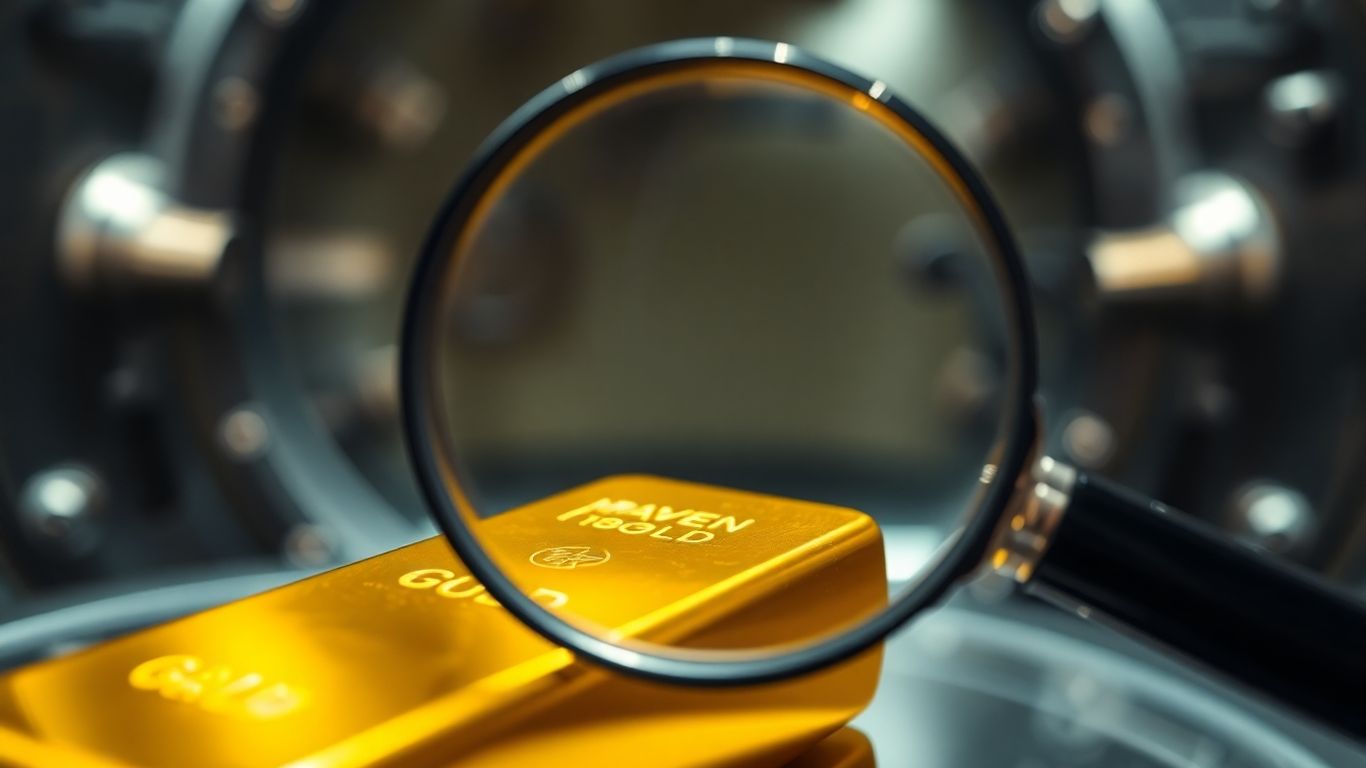
If the idea of buying gold bars seems complicated or you're still worried about the risk of counterfeiting, know that there are other, equally effective ways to protect and grow your assets. These alternatives allow you to enjoy the benefits of gold without the constraints of physically owning bars. The important thing is to stay informed and choose reliable sources for your investments.
Investing in Authenticated Gold Coins
Gold coins, such as Napoleons or Sovereigns, are an excellent option. They are often easier to verify than ingots because they have well-established designs and are produced by official mints. Furthermore, their value can sometimes exceed that of the metal they contain, due to their rarity or historical significance. It is essential to purchase them from reputable dealers to ensure their authenticity. You can find a wide selection of certified and sealed investment coins, with secure delivery options.
Gold-backed exchange-traded funds (ETFs)
For a more modern and paperless approach, gold-backed ETFs are an attractive option. These funds hold physical gold, and their shares are traded on an exchange. This means you can buy and sell ETF shares like traditional stocks, without having to worry about storing or securing physical gold. It's a simple way to gain exposure to gold in your portfolio.
Understanding the Value of Gold Jewelry
Although gold jewelry often contains less pure gold than bars or coins, it can still be an investment. The important thing is to buy it from reliable sources, such as reputable jewelers, and to ensure it bears the appropriate hallmarks. The value of a piece of jewelry can also include the craftsmanship and design, which can make it more attractive than a simple bar for some. Keep in mind that reselling jewelry can be more complex than reselling standardized precious metals.
Protecting your assets is important. Gold is a safe investment that can help you get through difficult times. There are several ways to:invest in gold to secure your belongings. Want to know more about the different options?
Discover how to secure your assets with gold on our website. We'll guide you through making the best choices.
In conclusion: your vigilance is your best ally
Simply put, protecting yourself from fake gold coins requires careful attention and preparation. Investing in gold is a good way to diversify your assets, but you really need to be careful about what you buy. By choosing trusted sellers, doing your due diligence, and staying informed, you can buy gold with greater peace of mind. Remember, gold is precious. By treating it with the care it deserves, you'll protect your money and sleep soundly.
Frequently Asked Questions
How do I know if my gold bar is real and not an imitation?
To be sure, you need to look at several things. First, the weight and size should be within the expected range for gold. Then, any markings, such as the manufacturer's name or number, should be clear and well-made. Trusted sellers also provide a document stating that this is true. If you have any doubts, it's best to ask an expert to check it out.
What are the dangers if I buy gold online without paying attention?
Buying gold online without due care is risky. You could receive a fake bar that's worthless. Dishonest sellers can also disappear with your money. That's why it's essential to buy from trusted sites that have good reviews and clearly explain how they work.
Are serial numbers and certificates on gold bars still reliable?
Serial numbers and certificates are good clues, but they can also be forged. A fake certificate can look just like the real thing. Therefore, don't rely solely on these documents. You should also check the weight and quality and buy from reputable sellers who guarantee authenticity.
Where is the best place to buy gold to avoid counterfeits?
The safest bet is to buy from reputable and trusted sellers. Consider banks, trusted jewelers, or reputable precious metal dealers. They have procedures to ensure the gold is authentic, and they'll give you the proper documentation.
How can I check the authenticity of gold myself, without going through an expert?
There are a few simple checks you can make. For example, gold is a fairly heavy metal, so if an ingot feels too light for its size, be wary. You can also check for any suspicious markings or engravings. However, to be absolutely sure, hiring a professional is the best option.
What are other ways to invest in gold without buying bullion?
Yes, there are other ways! You can buy gold coins, which are often easier to verify. There are also investment funds (like ETFs) that track the price of gold, or even gold jewelry, although their value also depends on the work of the jeweler.