

Investing in gold has become an increasingly popular option, especially in times of economic uncertainty. For those wondering how to convert their bank savings into gold, it's essential to understand the reasons behind this investment, the different forms of gold available, and the steps to follow for a secure purchase. This article guides you through these crucial aspects to make an informed choice.
Key points
- Gold is a safe haven in times of economic crisis and inflation.
- There are several forms of gold to buy, such as bars, coins, and certificates.
- Choosing an authorized seller and verifying the authenticity of the gold are essential for a secure purchase.
- Purchase costs include transaction fees, storage fees and tax implications.
- Selling gold should be carefully considered, taking into account the market and the best platforms available.
Reasons to invest in gold
Gold, that brilliant yellow metal, has always fascinated humanity. But beyond its aesthetic appeal, it represents a safe bet, an investment that stands the test of time. So, why convert part of your bank savings into gold? Let's take a closer look.
Gold as a safe haven
In times of economic uncertainty, gold tends to shine even brighter. When stock markets falter and currencies lose value, gold retains its appeal. It's a bit like having a parachute in case of financial freefall. Investors turn to it to protect their capital, which drives up its price. It's a classic, almost instinctive reaction. Imagine this: stocks fall, inflation skyrockets, and boom, everyone rushes to buy gold. It's what we call a safe haven, an asset that retains its value, or even increases in value, when everything else collapses. In fact, investment firms are well aware of this aspect.
History of Gold as an Investment
The history of gold is intimately linked to that of humanity. Since ancient times, it has served as a currency, a symbol of wealth and power. Pharaohs, kings, emperors—all have succumbed to its charm. And this fascination has never waned. Over the centuries, gold has proven its ability to weather economic crises, wars, and revolutions. It has always been there, immutable, reassuring. It's a bit like an old friend you can always count on. This safe investment has crossed the ages.
The advantages of gold against inflation
Inflation is the enemy of savings. It gradually erodes the value of money. But gold tends to perform well in times of inflation. Generally, when prices rise, the gold price also increases. It's a bit like protecting itself from monetary erosion. It's not an absolute guarantee, of course, but it's a significant asset. Moreover, if you're wondering whether it's a good idea to buy gold right now, it's essential to study the gold price before investing. Thus, it's wiser to sell when the price of gold is breaking records because it allows investors to make significant capital gains. On the contrary, when the price of the metal is low, it's generally the best time to buy gold.
Investing in gold is a bit like taking out insurance against economic downturns. It doesn't necessarily pay regular dividends, but it can prevent you from losing too much money in the event of a crisis. It's a diversification strategy, a way to protect your assets over the long term.
The different forms of gold to buy
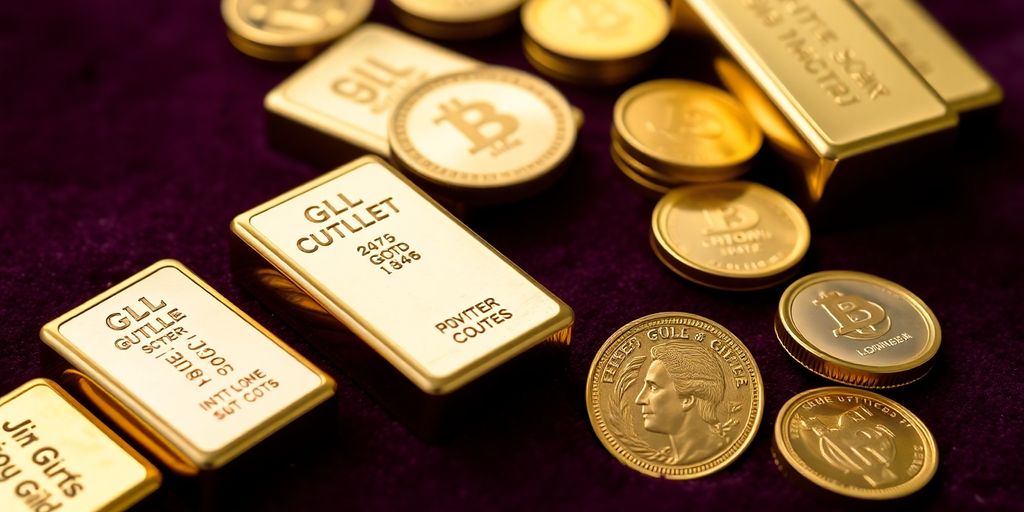
So, you've decided to turn some of your savings into gold? It's a good idea, but you should know that there are several ways to do it. We're not just talking about ingots like in the movies. Here's a quick overview of the options available to you.
Gold ingots
The ingot is the classic. When we think of investing in gold, this is often the image that comes to mind. An ingot is pure gold, generally 99,99%.They come in different sizes, ranging from a few grams to several kilos. Obviously, the larger the ingot, the more expensive it is. But be careful, a large ingot can be more difficult to resell quickly if you need cash.
The advantage of gold bullion is its purity and universal recognition. It's a bit like having a safe, tangible investment. However, you have to think about storage, because you don't just leave a gold bullion lying around.
gold coins
Gold coins are another interesting option. They are often more accessible than ingots, and there are all kinds: modern coins, antique coins, collector coins... Some coins, like the Napoleon or the Sovereign, are very popular and easy to buy and resell. To be considered investment gold, the coins must have a purity of at least 900 thousandths.
Here are some examples of common gold coins:
- Napoleon (20 francs)
- British Sovereign
- South African Krugerrand
- American Eagle
The advantage of coins is their liquidity and collectible potential. Some rare coins can appreciate in value over time, in addition to the value of the gold they contain. It's a bit like combining business with pleasure. If you're interested in investing in coins, you can look at investment coins.
Gold in the form of certificates
If you don't want to bother with physical gold storage, you can opt for gold certificates. Basically, you buy a piece of paper representing a certain amount of gold stored in a vault. This is a convenient solution, but you should choose the certificate issuer carefully and check the storage and redemption conditions.
The benefits of certificates:
- No storage worries
- Ease of buying and selling
- Possibility to invest small amounts
On the downside, you don't physically own the gold, which can be a disadvantage for some. It's a bit like having a title deed without actually owning the house. So, you need to weigh the pros and cons carefully before taking the plunge.
How to buy gold safely
Buying gold, whether to diversify your portfolio or hedge against inflation, requires a cautious approach. It's crucial to take certain precautions to avoid scams and ensure the quality of your investment. Here are some tips for buying gold safely.
Choose an authorized seller
Choosing the right seller is crucial. Choose a recognized, well-established professional. purchasing counters and the sale of precious metals are an option, but make sure they comply with the applicable regulations. Check that they have the necessary authorizations to offer this type of investment. Don't hesitate to consult the blacklists of financial authorities, even if they are not exhaustive.
- Check the seller's seniority and reputation.
- Check online reviews and discussion forums.
- Ask for references and contact previous clients.
Check the authenticity of gold
Before purchasing, it is imperative to check the authenticity of the gold. There are several ways to ensure you are not buying a counterfeit.
- Examine the punches and markings carefully.
- Use a magnet: gold is not magnetic.
- Have the gold tested by an independent expert.
Investing in gold is good, but investing wisely is even better. Don't rush into it; take the time to do your research and verify the authenticity of what you're buying. A little caution can save you a lot of disappointment.
Online vs. In-Store Shopping Options
Gold can be purchased online or in-store, each with its own advantages and disadvantages. Buying online may seem more financially advantageous, with potentially lower premiums. However, it is also riskier. If you choose this option, be sure to use a reputable site and carefully check the delivery terms, including insurance in case of loss or theft and tracking of the package until receipt. Buying gold gold coins In-store allows for direct inspection of the product, but may involve higher fees.
| Characteristic | Online purchase | Purchase in store |
|---|---|---|
| Price | Generally lower | Generally higher |
| Convenience | Very convenient | Requires travel |
| Risque | Higher (counterfeiting, theft) | Lower (direct inspection) |
| Expertise | Less direct advice | Personalized advice possible |
Costs associated with buying gold
Investing in gold is much more than simply buying a bar or a few coins. You also need to consider all the additional costs that can quickly add up. These include direct costs, but also tax implications that can impact your investment.
Buying and selling costs
When you buy gold, whether in bars or coins, there are fees to expect. These fees can vary considerably from one seller to another. It is therefore crucial to compare prices and commissions before taking the plunge. Typically, commissions range from 0,5% to 4% of the transaction amount. Also, don't forget shipping costs if you opt for physical delivery.
Storage costs
If you choose to store your physical gold at home, you won't have any direct costs, but you will need to invest in a secure vault. If you prefer a more secure solution, such as a bank vault or specialized storage, you will need to factor in annual fees. These costs can range from €80 to €500 per year, or even more, depending on the size of the vault and the level of security offered. It's important to weigh the pros and cons carefully, as these fees can eat into your long-term profits. Also consider insurance to cover the risk of theft or loss.
Tax implications
Gold taxation is a complex subject. In France, all gold sales must be declared. You generally have two options: the flat-rate tax on precious metals (TMP), which is a fixed percentage of the sale price, or capital gains tax. TMP is often simpler, but capital gains tax can be more advantageous if you have held your gold for a long time, as it benefits from a progressive reduction over time. It is important to understand the tax rules to optimize your investment. Don't hesitate to consult a tax advisor for more clarity. Buying gold during economic crises can be a good idea, but you must understand the tax implications.
Keep in mind that investing in gold is a long-term investment. Only buy if you're certain you won't need the funds in the near future. Otherwise, you risk having to sell at a lower price than you originally bought. Also, always diversify your investments and don't rely solely on gold.
Strategies for selling your gold
When to sell your gold
Knowing when to sell your gold is crucial to maximizing your profits. The ideal timing depends on several factors, including your financial goals, risk tolerance, and market conditions. It is important to carefully monitor the Gold prices and understand the economic trends that may influence it. For example, if you need cash quickly, selling when the price is high may be a good option. Conversely, if you believe the price of gold will continue to rise, it may be wise to hold on to your investment.
How to assess the value of your gold
Properly assessing the value of your gold is an essential step before selling it. Several factors come into play:
- The weight of gold: Expressed in grams, ounces, etc.
- The purity of gold: Indicated in carats (24 carats being pure gold).
- Current market price: Varies based on supply and demand.
- Transaction fees: May impact the final price.
It is recommended to have your gold appraised by several professionals to obtain an accurate estimate and avoid unpleasant surprises. Do not hesitate to consult a tax expert if you have doubts about the tax optimization of your investment.
The best platforms to sell
Choosing the right platform to sell your gold is crucial. You have several options:
- Jewelry stores and currency exchange offices: Convenient for small quantities, but prices may be less competitive.
- Precious metal brokers: Generally offer better prices, but may require minimum quantities.
- Online platforms: Allows you to compare offers and sell remotely, but it is important to choose reliable and secure sites.
Before selling, make sure you understand the fees associated with each platform and check their reputation. Comparing offers is essential to getting the best possible price. Remember to keep all proof of purchase to prove the origin and value of your gold.
Here is a simplified comparison table of the platforms:
| Platform | Benefits | Drawbacks |
|---|---|---|
| Jewelry stores | Proximity, simplicity | Often lower prices |
| brokers | Competitive prices, expertise | Minimum quantities sometimes required |
| Online platforms | Easy comparison, distance selling | Requires reliability verification, fraud risks |
Risks associated with investing in gold
Okay, gold is cool. It shines, it's reassuring, we talk about it as a safe haven. But be careful, don't kid yourself, there are risks too. It's not Peru every day. You have to be aware of what you're getting into, otherwise, watch out for the fall!
Gold Price Volatility
The thing about gold is that its price pretty much does what it wants. One day it skyrockets, the next it plummets. It's not like a savings account where you're guaranteed to earn a few euros every year. The gold market is influenced by many factors: the global economy, interest rates, geopolitical tensions, etc. In short, it's a bit like Russian roulette. If you need your money quickly and the price is at its lowest, you're in trouble.
Risks of counterfeiting
Well, that's the big danger. Fake ingots, fake coins, there are plenty of them on the market. Especially if you buy online or from unclear sellers. You have to be super vigilant and check the authenticity of what you're buying. authorized seller can help avoid scams. Just because it shines doesn't mean it's gold, eh!
Storage issues
If you buy physical gold (bars, coins), you have to think carefully about where you're going to store it. Leaving it lying around in a drawer isn't a great idea. You'll need a safe, or you'll need to rent a secure storage space. And that costs money. Not to mention the risk of theft, even if you have a good security system. It's a bit like having a large stack of bills at home; you don't want anyone to know.
Investing in gold isn't just about buying and waiting for a return. You have to monitor the market, be ready to sell at the right time, and above all, secure your investment. It's a bit like playing chess; you have to anticipate the moves and not be surprised.
Optimizing your gold investment
Investing in gold can be optimized with a few key strategies. It's not just a matter of buying and waiting, but rather actively managing your investment to maximize returns and minimize risks. Here are some avenues to explore.
Diversification of your portfolio
Never put all your eggs in one basket. This is a basic principle of investing, and it applies to gold as well. Gold can serve as a safe haven, but it shouldn't make up your entire portfolio.
- Stocks
- Obligations
- Real Estate
- Or
A careful allocation between these different asset classes can reduce the overall volatility of your portfolio and potentially improve your long-term returns. Remember to rebalance your portfolio regularly to maintain your target allocation.
Tax Strategies for Gold
Gold taxation can be complex, but there are strategies to optimize it. For example, choosing between precious metals tax and capital gains tax can have a significant impact on your net gains. If you have the purchase invoice, you can opt for the capital gains tax with a reduction after several years of detention.
- Keep your purchase invoices safe.
- Find out about the applicable tax thresholds and allowances.
- Consult a tax expert for a personalized strategy.
Long-term storage of gold
Gold is often considered a long-term investment. To get the most out of it, it's important to store it properly. Whether you choose to store it at home, in a bank vault, or through specialized services, make sure your gold is well protected. Long-term storage also allows you to benefit from capital gains tax deductions after a certain number of years. Consider diversification of your savings for better management of your assets.
To maximize your gold investment, it's essential to choose your coins and bars wisely. Consider diversifying your purchases and following market trends. Don't wait any longer to secure your financial future! Visit our website to discover our offers and advice on investing in gold.
In Summary
In conclusion, converting your bank savings into gold can be a valuable strategy, especially during times of economic uncertainty. Gold, as a safe haven, has proven its ability to preserve wealth over time. Whether you choose to purchase coins, bars, or other forms of gold, it's essential to be well-informed and choose reliable purchasing channels. Also consider the security of your investment, whether through bank vaults or specialized companies. Ultimately, diversifying your investments between gold and other assets can help you better manage risk and optimize your wealth.
Frequently Asked Questions
Why invest in gold ?
Gold is considered a safe haven, meaning it retains its value even during economic crises.
What are the different ways to buy gold?
Gold can be purchased in the form of bars, coins or even certificates.
How can you be sure you are buying genuine gold?
It is important to choose an authorized seller and verify the authenticity of the products.
What are the costs associated with buying gold?
There are buying and selling fees, as well as storage costs if you decide not to keep the gold at home.
When is it best to sell your gold?
It is advisable to sell your gold when prices are high, but you should also assess its value regularly.
What are the risks associated with investing in gold?
Gold prices can be volatile, there is a risk of counterfeiting, and storage can be problematic.
