
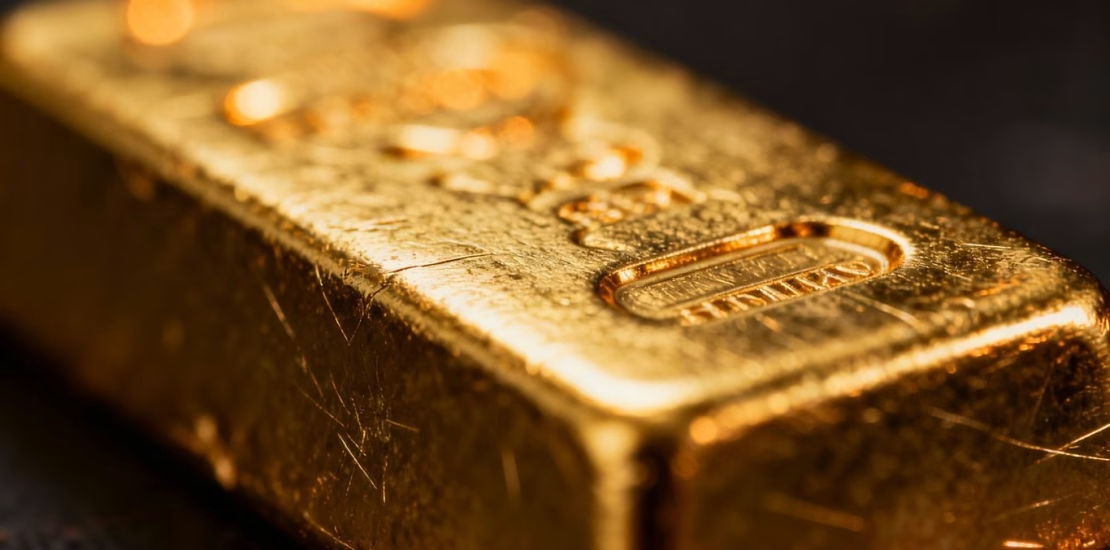
When we talk about gold and long-term wealth management, we often think of it as a safe haven. It's true, gold has stood the test of time. We've seen it used as currency, as a store of value, and even today, many consider it a cornerstone for building and protecting their wealth over the long term. It's not just about flashy displays of wealth; it's a strategy for securing one's financial future, especially in turbulent times. So, how does it work in practice, and why does it remain relevant today?
Key Takeaways
- Gold is a historical safe haven asset, which has proven its ability to withstand crises and retain its value over the long term, unlike fiat currencies which can be subject to inflation.
- Investing in gold, whether in the form of coins or bars, allows you to diversify your assets with a tangible asset that is less dependent on stock market fluctuations.
- Numismatics, the study and collection of ancient coins, can also be a way to invest in gold, combining historical interest with potential for appreciation.
- Various formats of gold exist for investment, from small investment coins to ingots of different weights, offering flexibility and accessibility according to individual objectives.
- Physical gold is often seen as a bulwark against economic instability, helping to preserve purchasing power and pass on a solid legacy to future generations.
Gold, a Timeless Ally for Your Heritage
Why Gold Remains a Safe Haven Through the Ages
Gold has been talked about for millennia, hasn't it? From the pharaohs to today, it has always had this special aura. It's not just for looking pretty in jewelry, far from it. When times get a little uncertain, when markets panic or inflation runs rampant, people turn to gold. It's almost a reflex. Why? Because, unlike banknotes which can lose value overnight, gold retains its allure. It has survived empires, wars, economic crises, and it's still there, solid. It's this constancy that makes it a safe haven. You can touch it, see it, physically possess it, and that's reassuring. It's not a promise on paper; it's a tangible material that has proven its value throughout the ages. Just think, the Lydian kings were already using it as currency more than 2500 years ago! That's no small thing.
The Unique Characteristics of Gold for Investment
What's great about gold is that it has properties that make it truly special for investment. First, it's rare. You can't just mass-produce it like you can print money. Second, it's durable; it doesn't corrode or degrade over time. A 20-gram gold bar you buy today will still be a 20-gram gold bar in 100 years, with the same purity. That's not the case for many other materials. It's also malleable, which has allowed it to be made into all sorts of coins and bars over time. And then, it's recognized worldwide. Whether you're in Paris, Tokyo, or New York, a certified gold bar speaks to everyone. There are no language barriers or borders for gold. It's a universal value, and that's pretty convenient for an investment.
Gold vs. Fiat Currencies and Inflation
So, gold versus currencies like the euro or the dollar is a bit like the battle between stability and volatility. Fiat currencies are what we use every day, but their value depends on the trust we place in them and the decisions of central banks. When they print too much money, or when the economy is struggling, their value can plummet. That's where inflation comes in: your 100 euros today won't buy as much as your 100 euros from 10 years ago. Gold, on the other hand, tends to move in the opposite direction. When inflation rises, the gold price This often happens. It's as if gold is saying, "Okay, your currencies are losing value, but mine is keeping its value, or even increasing." That's why many people buy it when they feel inflation is going to climb too high. It's a way to protect their purchasing power. It's not a 100% guarantee, nothing is, but historically, it has worked quite well.
Gold is a bit like insurance for your money. When everything is going well, you don't necessarily think about it, but when the clouds gather, you're glad to have it on hand.
Diversifying Your Capital with Tangible Assets
When we talk about wealth, we often think of real estate or stocks. But there are other options, more tangible things, that can really help balance things out. I'm talking about precious metals, like gold and silver. They're not just for looking pretty in a display case, you know. These metals have value that comes from their rarity and their utility, not just from what a government decides. That's what makes them interesting for diversification.
Historical Gold Coins: A Bridge Between Past and Future
Old gold coins are like holding a piece of history in your hand. Take, for example, the $10 US Eagle Indian Head coin. It's not just a piece of metal; it's a coin that has stood the test of time, crafted by artisans of another era. These coins have value that comes from two things: the weight of gold they contain, of course, but also their history and rarity. This makes them incredibly appealing to those who like to have unique items in their collection. And they're quite easy to resell, as many people are looking for them, whether for investment or for collecting.
Owning a historical gold coin is a bit like possessing a tangible fragment of economic history, an asset that has survived the ages and continues to fascinate.
Gold Bars: Stability at Your Fingertips
If you're looking for something simpler, gold bars are the way to go. They're there, solid, with a clear value based on their weight and purity. You can find them in all sizes, from the small 20g bar, perfect for starting out without breaking the bank, to the large 500g or 1kg bars for those who really want to invest. The advantage is that their value is quite stable, especially when things are bad elsewhere. They're a bit like a rock you can lean on when the economic storm hits.
| Ingot Format | Weight (grams) | Purity | Accessibility |
|---|---|---|---|
| Small Ingot | 20 | 999.9 ‰ | Very easy |
| Medium Ingot | 250 | 999.9 ‰ | Bonne |
| Large Ingot | 1000 | 999.9 ‰ | Less easy |
Silver, a Precious Metal with Many Facets
We often talk about gold, but silver isn't bad either. Historically, it was the people's metal, the one used for everyday commerce. Today, it retains this dual role: it's a safe haven asset, but it's also incredibly important for many industries, such as electronics and solar panels. This means that demand comes not only from investors, but also from businesses. Silver bars, like the 250g bar, are a good way to diversify your assets without spending as much as on gold. It's a bit like gold's more affordable cousin, but just as solid in the long run.
Investing in Gold: A Long-Term Strategy
Understanding the Intrinsic Value of Gold
Gold isn't just a shiny metal, you know. It's been considered beautiful and valued for millennia. Since antiquity, civilizations have used it for religious purposes, and later as a form of currency. The Romans stored massive ingots, and kings in the Middle Ages did the same. Even today, central banks around the world have plenty of it in their vaults, demonstrating a country's economic power. Basically, gold has always had value and has weathered every crisis. It's not a passing fad; it's something that has stood the test of time.
How to Build Solid Wealth Through Gold
When it comes to building a solid asset base, gold is a bit like laying bricks of trust in your foundation. It's a tangible asset; you can touch it, see it. Unlike currencies, which can lose value due to inflation or central bank decisions, gold retains its purchasing power over the long term. That's why people use it to protect themselves against economic crises or currency devaluation. Furthermore, in France, the tax treatment on resale is quite favorable, especially if you hold your gold for more than 22 years. This allows you to grow your capital without too much red tape.
The Transmission of a Golden Heritage
Passing on an inheritance is often a family affair, and gold is a perfect fit. It's a bit like leaving a secure legacy to your children or grandchildren. Gold bars, for example, are easy to store, whether at home in a safe or in a bank. And besides, it's something with universal value, so no matter where they are in the world, they'll always be able to get something out of it. It's a way to ensure their financial security for the future, something that doesn't depreciate like an old car or a trendy item. It's a gift that transcends generations, in short.
The Different Formats for Investing in Gold
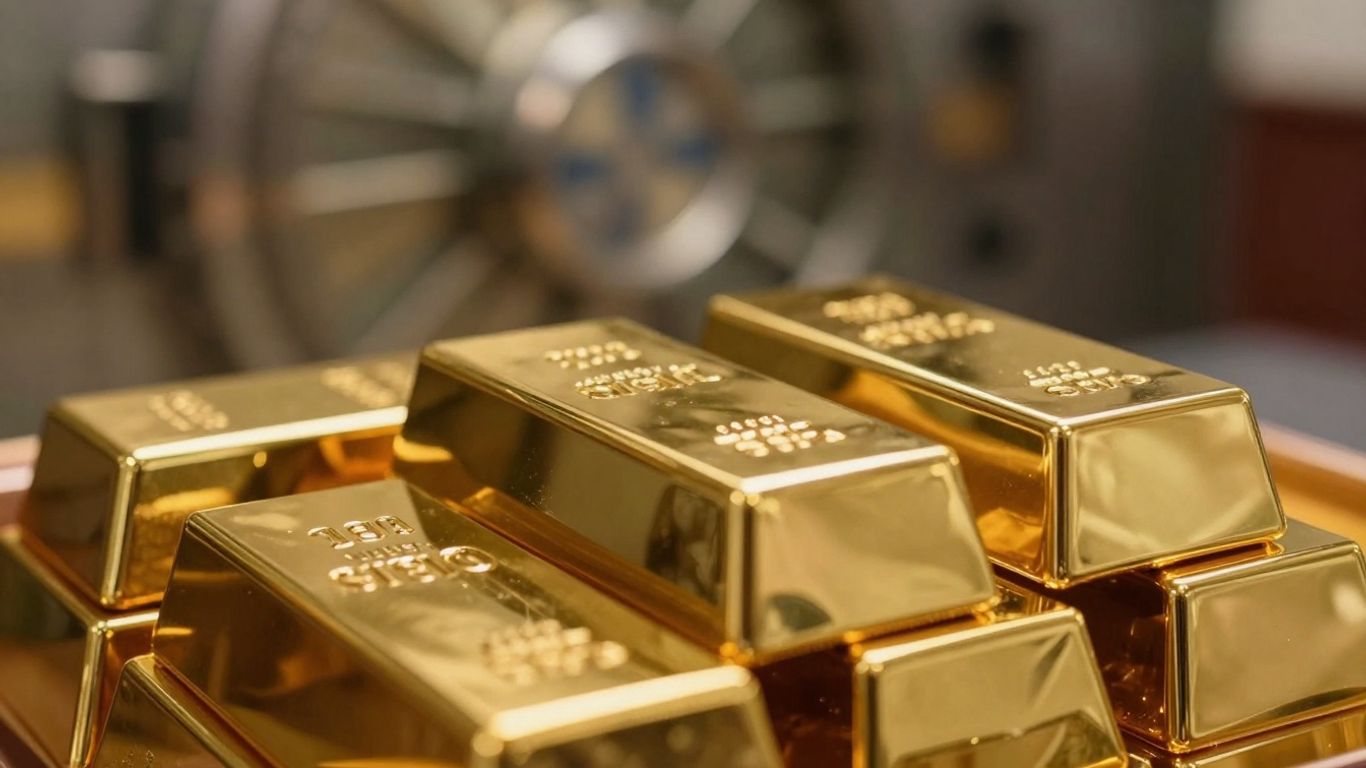
When we think about investing in gold, we often picture large ingots, a bit like in the movies. But in reality, there are many different ways to do it, and that's good news! It means we can find the format that suits us best, whether we're a small saver or someone who wants to invest a larger sum.
Investment Gold Coins: Accessibility and Liquidity
Gold coins are a classic investment. They've existed for centuries and have always held a universally recognized value. The great thing about coins is that they're often easier to resell than gold bars, especially the more common ones like the... Napoleon or the Philharmonic. They are also more affordable, allowing you to start investing without breaking the bank. Think about it: buying a piece of music is a bit like buying a small piece of history that has intrinsic value.
The advantage of coins is that they are often easier to trade and store than large ingots. They're a bit like the investor's Swiss Army knife.
Gold Bars: Stability at Your Fingertips
Gold bars are the ultimate safe investment. They come in all sizes, from small 1-gram bars to large 1-kilo bars, or even more. The great thing about gold bars is that the price per gram is generally more attractive as the weight increases. For example, a 50g bar will be more economical than buying five 10g bars. That's why many people who want to build a solid asset base prefer heavier bars. They are also very pure, often 999,9‰, which guarantees maximum quality.
| Ingot Format | Price per Gram (Indicative) |
|---|---|
| 1g | Higher |
| 10g | Medium |
| 50g | More interesting |
| 1kg | The most advantageous |
Silver, a Precious Metal with Many Facets
We talk a lot about gold, but we mustn't forget silver! It's also a precious metal, and it has an equally rich history. Silver served as common currency for a long time; it was more accessible than gold. Today, it has a dual purpose: it's a store of value, but also an essential component in many modern technologies, from electronics to solar panels. Investing in silver, for example in the form of 1kg bars, is a way to diversify your assets with a tangible asset that also has industrial potential. It's a little less
Numismatics: More Than Just a Collection
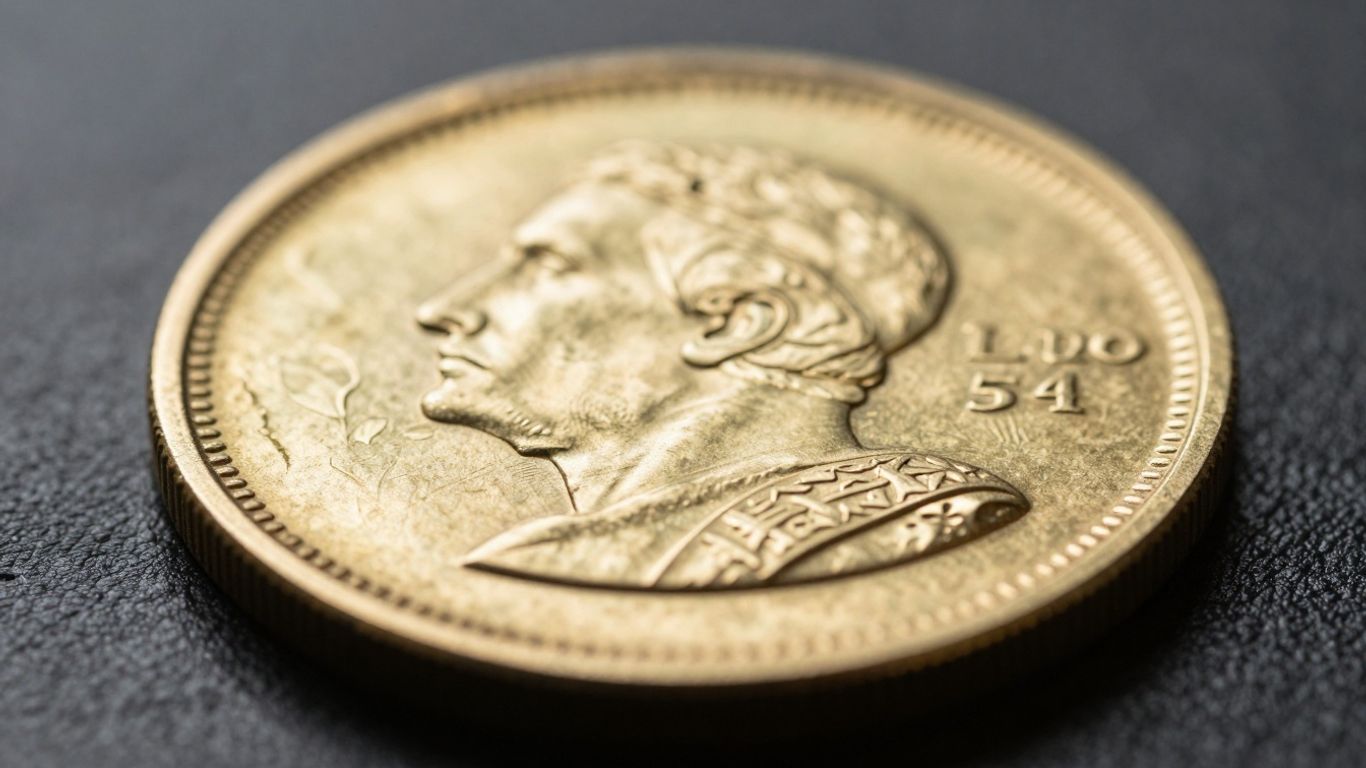
The History and Value of an Ancient Coin
When we talk about numismatics, we're not just talking about old coins lying around in a drawer. It's the study of coins and medals, something that can really help us understand the past, especially ancient history. Each coin is a bit like a mini history book. It tells the story of a country, its rulers, and its significant events. For example, the very first known gold coin, the Croeseid, dates from the 7th century BC and comes from Lydia. It features lion heads, the royal symbol of the time. It's amazing to think that this little thing has survived so many centuries.
The value of an antique coin is not solely determined by its weight in precious metal. Its history, rarity, and state of preservation play a significant role in its value.
The Criteria That Define a Piece's Rarity
So, what makes a coin rare and therefore more sought after? Several factors come into play. First, its condition. A coin in mint condition, known as "Fleur de Coin" (FDC), is worth significantly more than a worn one. There are even grading systems, such as the Sheldon scale, to assess this precisely. Next, there's the mintage: how many were struck? The fewer there were, the rarer the coin. For example, the 20 Francs Marianne Rooster, although very popular, had limited mintages in some years, which adds to its appeal. The year of minting also matters, especially if it corresponds to a particular historical period or if the coin was later restruck with an earlier date, like the "Pinay restrikes" of the Marianne Rooster. Finally, its own history, its provenance, can also add to its value. A piece that belonged to a famous person or that was found in an important archaeological site takes on an added dimension.
Here are some factors that influence the value of a coin:
| Criterion | Description |
|---|---|
| Conservation state | From "Fairly Good" (AB) to "Mint Condition" (FDC), wear and tear impacts the price. |
| Draw | The number of copies minted. The fewer there are, the rarer the coin. |
| Year of minting | Some years are more sought after for historical reasons or due to rarity. |
| Purity (Title) | The percentage of gold in the coin (often 900‰ or 916‰ for gold coins). |
| Weight | Direct influence on the intrinsic value of the metal. |
Collecting Gold to Preserve One's Heritage
Collecting gold coins isn't just a hobby; it can be a truly intelligent way to grow your wealth over the long term. Unlike stocks, which can soar or plummet, gold retains its intrinsic value. It has been a recognized safe haven for centuries. Consider the $20 US Double Eagle or the George V Gold Sovereign. These coins have weathered economic crises and have consistently maintained, or even increased, their value. They are tangible; you can touch them, physically possess them, which provides a security that intangible assets don't always offer. Furthermore, these coins are often easier to pass on than other assets. They are compact, easy to store, and their value is internationally recognized. It's a way to preserve your capital and pass it on to your children or grandchildren, leaving them a concrete and stable legacy.
Securing Your Financial Future with Gold
Gold as a Bulwark Against Economic Turbulence
When markets panic and traditional currencies seem to lose their luster, gold often acts as a safe haven. It's a bit like having comprehensive insurance for your money. We've seen periods of rampant inflation, and suddenly, gold showed it could maintain its value, even increase it. It's not just a matter of speculation; it's a value that has endured through the ages, from the pharaohs to today's central banks. Central banks, in particular, always hold a significant amount of gold; it gives them a kind of credibility, a guarantee of stability when things are turbulent everywhere.
Owning physical gold offers peace of mind. It's a tangible asset, something you can touch, that isn't subject to government decisions or stock market fluctuations. It's a way to regain some control over your savings when the outside world seems a bit chaotic.
How Gold Protects Your Purchasing Power
We all have this feeling that our money is gradually losing value. That's inflation, that insidious little monster that erodes purchasing power. Gold, however, has this ability to resist. When prices rise, the price of gold tends to follow, or at least not collapse like some currencies do. Think of it as a shield. You buy gold, and even if the cost of living increases, the value of your gold is more likely to remain stable, or even rise. It's a way to ensure that what you've saved today will still be able to buy you roughly the same thing tomorrow, and even in ten years.
| Year | Average Price of Gold (per ounce) | Inflation Index (estimated) |
|---|---|---|
| 2010 | $ 1224 | 1.6% |
| 2015 | $ 1160 | 0.1% |
| 2020 | $ 1770 | 1.4% |
| 2025 (estimated) | $ 2000 | 2.5% |
The Benefits of Investing in Physical Gold
Investing in physical gold is a bit different from playing the stock market. Here, you have something tangible in your hands. Whether it's coins or bars, it's an asset with intrinsic value, independent of the financial markets. And then there's the tax aspect. In France, for example, reselling investment coins and bars often benefits from favorable tax treatment, especially if you hold onto your gold for a considerable time. This is significant when considering estate planning. Furthermore, gold is easy to resell, anywhere in the world. It's a kind of universal currency; if needed, you can convert it into cash quite quickly. This combination of safe-haven status, protection against inflation, attractive tax treatment, and liquidity makes it a solid choice for securing your financial future.
Want to protect your money for the future? Gold is a safe haven that can help you build a more stable financial future. It's a bit like setting aside savings that retain their value, even when things change. Think of it as a smart way to make your money work for you over the long term. Want to learn more about how gold can help you? Visit our website to discover all the possibilities and start securing your future today!
So, shall we get started?
So, that covers everything. Gold isn't just something shiny; it's a safe investment, a bit like an old friend you can count on when times get tough. Whether it's in bars, coins, or even ETFs for the more modern investors, it's there, solid. It's not the kind of investment that will make you rich overnight, let's not get carried away. But for a little extra income over the long term, for the peace of mind of owning something tangible, it's definitely worth considering. And let's face it, there's a certain class to owning a little gold at home. So, if you're still hesitating, remember that it's a bit like planting a tree: the best time was twenty years ago, but the second best time is now. See you soon for more advice!
Frequently Asked Questions
Why is gold considered a good investment?
Gold is like a treasure that has always retained its value. Even when the prices of other things rise or fall, gold often remains stable. This is because, unlike silver, which we use to buy things, we cannot produce as much of it as we want.
Does gold protect against inflation?
Yes, gold helps protect your money when prices rise (that's inflation). When banknotes are worth less, gold tends to appreciate. It's like a shield for your purchasing power.
What is an investment gold coin?
An investment gold coin is a coin made primarily for its gold content. It's easy to buy and sell, and it's often cheaper than gold bars. It's a good way to start investing in gold.
What is the difference between a gold bar and a gold coin?
A gold ingot is like a bar of pure gold, often used by large investors. An investment gold coin is a currency that has an official value but is primarily bought for the amount of gold it contains. Coins are often easier to exchange for smaller sums.
Is silver as good an investment as gold?
Silver is also a precious metal and can be a good investment. It's less expensive than gold, making it more accessible for beginners. Besides being a store of value, it's also used in many modern technologies.
How can one pass on a golden inheritance to one's children?
Gold, whether in coins or bars, is a tangible asset. You can leave it to your children as an inheritance, just as you would a house or other valuables. It's a way to pass on wealth that will last for generations.
