
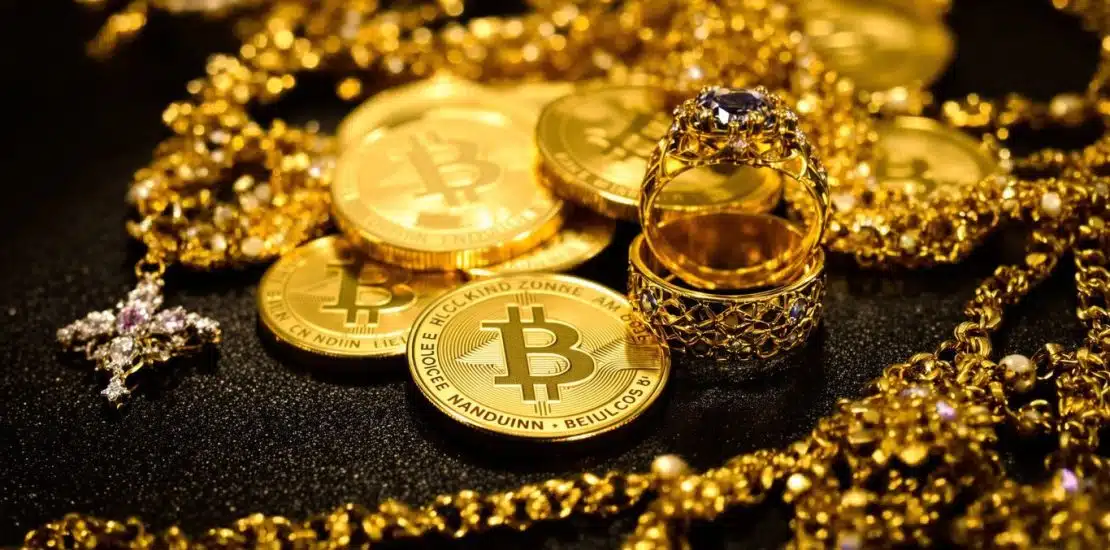
Are you wondering whether it's better to buy gold for investment or for pleasure? That's a great question, because gold can indeed serve both purposes, but not in the same way. Whether you're thinking of the shiny coins you wear or the bars you see in movies, it's important to understand that these forms of gold are quite different, especially when it comes to their value and how they're treated for tax purposes. Understanding these distinctions is essential to making informed choices, whether your goal is to grow your capital or simply treat yourself.
Key Takeaways
- Investment gold, like bars and some coins, is defined by its high purity (often 999,9‰) and its primary purpose is the preservation and growth of capital.
- Gold jewelry, usually made of less pure alloys (such as 18K or 14K), combines the intrinsic value of gold, craftsmanship, design, and sentimental value.
- Investment gold benefits from a VAT exemption on purchase in France, unlike jewelry which is subject to it.
- Resale taxation differs: investment gold may be subject to Precious Metals Tax (TMP) or capital gains on the sale of goods, while jewelry may have specific regimes.
- Gold coins and bars offer more direct liquidity and are often easier to resell than jewelry, whose value can be more subjective.
Gold and Jewelry: Distinguishing Investment from Pleasure
When we talk about gold, we often think of two things: the jewelry that shines around our necks and the ingots that we imagine tucked away in a safe. But be careful, these two forms of gold are very different, especially if your goal is to invest or simply to treat yourself. It is therefore essential to understand the nuances to make the right choices.
The definition of investment gold
Investment gold is gold you purchase with the primary goal of increasing your capital. We're talking about specific forms like internationally recognized gold bars or coins. The primary goal is to maintain, or even increase, its value over time. It's often seen as a hedge against inflation or difficult economic times. To be considered as such, this gold must have a very high purity, generally 999,9 thousandths, or 24 carats.
Jewelry gold: a different world
Gold found in jewelry is another story. It's often mixed with other metals, such as copper or silver. Why? To give it color—think rose gold or white gold—and, above all, to make it stronger and easier to work with. Its value doesn't depend solely on its weight in pure gold. It's also linked to the craftsmanship, the design, the presence of precious stones, and, of course, the brand. It's an object with a strong aesthetic and often sentimental dimension.
The criteria for investment gold
For a precious metal to be officially recognized as investment gold, it must meet well-defined criteria, especially in Europe. These rules are intended to ensure that it is easy to sell and recognized on global markets. In general, it must be:
- Gold ingots or bars of a weight, fineness and shape accepted by the precious metals markets.
- Gold coins that meet certain conditions:
- Struck after 1800.
- Have been legal tender in their country of origin.
- Be sold at a price that does not exceed by more than 80% the value of the gold they contain.
- Be recognized by market professionals.
It's important to clearly distinguish between these two worlds. One focuses on pure financial performance, while the other often combines beauty with intrinsic value. Understanding this difference is the first step in making an informed choice, whether you're looking to grow your wealth or simply treat yourself to a beautiful object.
Gold coins: a historic and accessible safe haven
If you're looking to diversify your wealth with tangible assets, gold coins are an excellent option. They're often more affordable per unit than larger bars, allowing you to invest gradually. Additionally, some coins have historical or numismatic value beyond their gold content. Their liquidity is generally very good, as they're well-known and in-demand on the market. It's a bit like having insurance for your wealth, a way to maintain your purchasing power even in uncertain times. Gold is that safe bet that stands the test of time, a pillar in diversifying your investments.
The 20 Francs Marianne Coq Or: a national symbol
The 20 Francs Marianne Coq is arguably the most iconic gold coin in France. Minted between 1899 and 1914, it depicts Marianne, the symbol of the Republic, and a proud rooster. It was even re-minted after the war, which explains why you can find more recent vintages with older minting dates. It is a highly sought-after coin, easy to trade, and benefits from favorable taxation. In addition to its gold value, it carries a piece of French history, which makes it particularly attractive. It is an excellent entry point for those new to investing in precious metals, as its price is relatively affordable compared to other larger coins.
The Gold Philharmonic: prestige and international liquidity
The Austrian Philharmonic, launched in 1989, is a modern bullion coin that has quickly gained popularity. It is known for its exceptional purity of 999,9‰, meaning it is virtually pure gold. Its design, featuring musical instruments of the Vienna Philharmonic Orchestra, gives it an undeniable artistic cachet. It was the first European bullion coin denominated in euros, making it much easier to trade internationally. Its liquidity is excellent, and it is available in several sizes, including the 1/2 ounce (approximately 15,55 g), making it more accessible for diversifying your portfolio. It is a wise choice if you are looking for a coin that is beautiful, pure, and easy to resell anywhere in the world.
The 10 Dollar US Eagle Indian Head: An American Classic
The 10 Dollars US Eagle Indian Head is an American gold coin that has endured throughout history. Minted between 1907 and 1933, it is prized for its unique design, the work of a renowned sculptor. It features an Indian head on the obverse and an eagle on the reverse. Like many gold coins, it is considered a safe haven, stable in times of economic uncertainty. Its high demand, both among collectors and investors, ensures good liquidity on the global market. Owning this coin is a bit like owning a piece of American monetary history. In France, it also benefits from favorable tax treatment upon resale, making it an attractive investment for diversifying your assets. It's a classic that has proven itself over time.
Gold bars: purity at the service of your heritage
When we talk about investing in gold, bullion often comes to mind. This is understandable, as it represents a very pure form of gold, specifically designed for the preservation and transmission of your wealth. Unlike jewelry, its value is almost exclusively linked to its weight and purity.
The 2g gold bar: flexibility and an exceptional gift
Small is practical. The 2-gram gold bar is ideal for starting to invest without breaking the bank, or for giving a truly meaningful gift. It's a bit like buying stocks, but in a tangible and much more beautiful version. You can buy several over time, which smooths out market fluctuations. It's a smart way to build your wealth little by little. And frankly, giving a gold bar makes a statement, right? It's a gift that lasts, perfect for a wedding, a birth, or even a professional award. It's a symbol of lasting wealth.
The 20g gold bar: a strategic balance
The 20-gram bar is a bit of a happy medium. It's more affordable than a large bar, but it still offers a good amount of pure gold. It's a format that allows for good flexibility: you can resell it more easily if you need cash, without having to part with a large portion of your assets. It's also more advantageous than gold coins in terms of price per gram, as there's no premium linked to collectability or rarity. It's a strategic choice for those seeking a good balance between security and accessibility. Think of it as a solid investment, but one that remains manageable.
The 250g gold bar: security and simplified storage
With the 250-gram ingot, you're taking your wealth security to the next level. It's a format that offers a good compromise between weight and ease of storage. It's less bulky than a one-kilo ingot, but it still represents a substantial amount of pure gold. Its purity is guaranteed, often 999,9‰, which is the standard for investment gold. It's internationally recognized, so you can easily resell it anywhere in the world. It's a safe choice for securing part of your savings over the long term. It's also VAT-exempt in France, which is a significant advantage. It's a bit like the pillar of your gold wealth, a tangible asset that gives you a certain financial independence. Don't forget to check that your ingot is LBMA certified for international recognition.
Gold bars represent purity in its raw state. They are designed to preserve your wealth over time, without frills. Their value is direct, linked to the quantity of fine gold they contain. They are a tangible investment, a safe haven that has stood the test of time and continues to provide reassurance in a sometimes uncertain economic world.
Gold jewelry: the art of combining business with pleasure
When we talk about gold jewelry, we're entering a completely different realm than coins or ingots. Of course, there's the weight of the gold, but that's only part of the story. Jewelry is often an object charged with emotion. It could be an engagement ring, a necklace inherited from your grandmother, or a bracelet given for a significant event. This sentimental value is inestimable and makes each piece unique in your eyes. This is the magic of jewelry: it combines the preciousness of the metal with the art of creation and the memories it carries.
The intrinsic and emotional value of jewelry
The price of a piece of jewelry is therefore not limited to its weight in gold. Several factors must also be considered that add to its value:
- The work of the craftsman: The complexity of the design, the finesse of the manufacturing.
- The brand : Some jewelry houses have a reputation that adds to the value.
- Precious stones: The presence of diamonds, sapphires or other gems can significantly increase the price.
- The history of the jewel: An antique or personal piece of jewelry may have additional value.
Which jewelry should you choose for an investment?
If you're considering jewelry as an investment, there are certain criteria to consider. Opt for pieces made of gold of reasonable purity, such as 18-karat gold (75% pure gold), which offers a good balance between strength and value. Pieces from renowned jewelers or those featuring quality stones can also increase in value over time. Also consider the simplicity of the shapes to facilitate possible resale. It's important to research the provenance and characteristics of each piece to make an informed choice. Consider insure your jewelry to protect them.
Liquidity of jewelry versus gold coins
Let's be honest, reselling a piece of jewelry is often less straightforward than reselling an investment gold coin like the 20 Franc Marianne Coq. Jewelry has a more subjective value, linked to its aesthetics and condition. The jewelry resale market is less standardized than that of coins or ingots. However, a piece of jewelry in good condition, with an interesting story or from a reputable brand, can find a buyer at an attractive price. You just have to be patient and surround yourself with the right people for the transaction.
Taxation and Purity: The Key Differences Between Investment Gold and Jewelry
When it comes to gold, it's easy to get confused, especially when it comes to understanding how it's taxed and what its true value is. Between the gold you buy to make your money grow and the gold that adorns your neck or fingers, there are important distinctions, particularly in terms of tax and purity. It's not always easy to navigate, so let's take a closer look.
Differences in purity and their impact on value
Gold is great, but its purity changes everything. For gold that is considered an investment, such as ingots or certain coins, the rule is simple: the purer, the better. We generally speak of a purity of 99,5% (or 995 thousandths) for ingots, and at least 90% (900 thousandths) for recognized investment coins. This high gold content ensures maximum intrinsic value, directly linked to the price of the precious metal.
Jewelry, on the other hand, is another story. To make it more durable and easier to work with, jewelers mix it with other metals, such as copper, silver, or zinc. These are called alloys. The most common purities for jewelry are 18 carats (75% gold, or 750 thousandths) or 14 carats (58,3% gold, or 583 thousandths). This difference in purity has a direct impact on value: a piece of jewelry, even if it is magnificent, will have a lower intrinsic gold value than an ingot of the same weight, because part of this weight is not pure gold.
| Gold Type | Typical Purity (in thousandths) | Main Composition |
|---|---|---|
| Investment gold | 999,9 ‰ (24 carats) | Pure gold |
| Jewelry (18 carats) | 750 ‰ (18 carats) | 75% Gold, 25% other metals (copper, silver, zinc, etc.) |
| Jewelry (14 carats) | 583 ‰ (14 carats) | 58,3% Gold, 41,7% other metals (copper, silver, zinc, etc.) |
No VAT on investment gold
This is a point that makes all the difference when purchasing. When you buy gold for investment, such as ingots or specific investment coins, you benefit from a VAT exemption in France. This is a significant tax advantage that makes the acquisition more financially attractive. However, when you buy gold jewelry, VAT is included in the price. This is a major difference that partly explains why investment gold is often the preferred choice for building wealth.
The absence of VAT on the purchase of investment gold is a direct tax advantage that reduces the acquisition cost compared to jewelry.
Resale taxation: regimes and exemptions
How you'll be taxed when you decide to sell your gold depends on several factors, including the type of gold and how long you've held it. For investment gold, you generally have two tax regimes to choose from:
- The Precious Metals Tax (TMP) : It applies to the total amount of the sale, with a flat rate. It is often simpler if you have not kept your proof of purchase or if you have made a significant capital gain.
- Capital Gains Tax (CGT) : This scheme is based on the difference between the sale price and the purchase price (the capital gain). There is an annual allowance based on the holding period, which can lead to a total exemption after 22 years. This is generally more advantageous if you have proof of purchase and have held the gold for a long time.
For jewelry, resale taxation is a little different. If you sell a piece of jewelry, it is often considered personal property. Taxation is generally based on the capital gain, but exemption conditions may vary. For example, if you cannot prove the purchase date and price, a flat-rate tax may apply to the full sale amount. It is therefore always advisable to keep your jewelry purchase receipts, especially if they are of significant value.
In summary, understanding these differences in purity and taxation is essential to making informed choices, whether your goal is to invest or simply to treat yourself.
Silver: a precious metal with many facets
While gold often gets all the attention, we shouldn't forget about silver, another precious metal with a rich history and a promising future. You know, silver isn't just what's used to make jewelry or tableware. It played a huge role in our history, serving as a form of currency long before gold became the symbol of wealth we know today. Ancient civilizations, from the Greeks to the Romans, used it commonly. It's a metal that has survived the ages, and it continues to be relevant.
Silver, a metal of history and future
Silver has a fascinating history. It's been used as currency, as a store of value, and even in rituals. It's a metal that's always been around, in trade, in treasures. But what's interesting today is its growing role in industry. Think electronics, solar panels, medicine... silver is everywhere. This industrial demand, combined with its safe-haven status, makes it an attractive investment for diversifying your wealth. It's a bit like having an asset that has both historical value and future potential linked to technology. It's a pretty unique combination, don't you think?
Why invest in a 50g silver bar?
If you're wondering where to start with silver, a 50g bar can be a good starting point. It's a fairly manageable size, neither too small nor too large. It allows you to acquire a significant amount of silver without having to invest a huge sum all at once. It's also practical for storage. And it must be said that silver is much more affordable than gold, which makes it accessible to more people. It's a way to enter the world of precious metals without breaking the bank. What's more, in France, investment silver is exempt from VAT, which is a significant advantage. It's a bit like buying gold, but with a lower entry fee.
Here are some reasons why a 50g silver bar might interest you:
- Accessible safe haven: It protects you against inflation and economic worries.
- Industrial demand: Its use in growing technologies ensures continued demand.
- Affordable price : Perfect for starting to invest in precious metals.
- Easy resale: It is a recognized product, therefore quite easy to resell.
Silver is like gold's quiet cousin. It has a similarly long history, growing industrial utility, and is more accessible to your portfolio. It's an option worth seriously considering if you're looking to diversify your investments.
The 20g silver ingot: a strategic choice
The 20g silver bar is yet another interesting option. It's an even smaller format, which makes it super flexible. You can buy several to spread out your purchases over time, or to have the option to resell a small amount if you need to without touching a large bar. It's a bit like having small denominations of precious metal. It's LBMA certified, which means it's internationally recognized, and that's important when thinking about resale. It's a good balance between the security of a tangible asset and the flexibility of a small format. If you want diversify your portfolio Without complicating your life, the 20g silver ingot is an avenue to explore.
Silver is more than just a shiny metal! It can be used to make beautiful jewelry, special pieces for collecting, or even as a great way toinvestIt's a bit like a treasure that has many uses. Want to know more about how money can be useful to you? Visit our website to discover all its facets!
So, investment gold or jewelry? Your final choice.
Ultimately, you've seen that there are several ways to own gold. Whether you prefer the security of a smooth ingot, the historical charm of an antique piece, or the beauty of a piece of jewelry that reminds you of a special moment, each option has its merits. The important thing is to understand what you're buying. Investment gold is primarily about putting your money to work, with clear tax rules. Jewelry is a little different: there's the gold itself, but also the craftsmanship, the design, and what it represents for you. It can be a beautiful addition to your estate, but also think about what you could do with it if you needed to sell it. Ultimately, whether you're looking to protect your savings or simply treat yourself to something beautiful and durable, the choice is yours. Weigh the pros and cons, and treat yourself with full knowledge of the facts.
Frequently Asked Questions
What is the difference between gold used for jewelry and gold used for investing?
Investment gold, such as bullion or certain coins, is very pure, often 99,9%. Gold for jewelry is mixed with other metals to make it stronger and give it different colors. Its purity is therefore lower.
Why does investment gold not have VAT, while jewelry does?
When you buy gold as an investment, you don't pay VAT, which makes the purchase more attractive. However, when you buy jewelry, VAT is already included in the price. That's a big difference!
What are the taxes when I resell gold, whether it is jewelry or investment gold?
When you resell gold, there are taxes. For investment gold, you can choose between a tax on actual profits or a flat tax. For jewelry, it's a little different; there are specific rules for resale taxes.
Is investment gold worth more than gold jewelry?
Generally, investment gold is worth more for the same weight because it is much purer. The value of a piece of jewelry also depends on its design, brand, and the stones it contains, not just its weight in gold.
What are the most common forms of gold for investing your money?
The most common forms of gold investment are bars, which are large blocks of pure gold, and gold coins, which have a history and are recognized worldwide. Jewelry can also be an investment, but it's a little different.
Why is it important to keep receipts when buying gold?
It's very important to keep your gold purchase receipts. They prove that you actually purchased gold, and they're needed to calculate taxes when you resell it. Without a receipt, things can be complicated.
