Are you interested in collectible gold coins and want to know how much they cost? That's an excellent question, as the price of these numismatic treasures can vary enormously. Between the premium on the metal, transaction fees, and the intrinsic value of the coin itself, it's easy to get lost. This article, 'Collectible Gold Coins: Fees (A Complete Guide),' is here to shed some light on the subject. We'll look at what influences the price, how to evaluate a coin, and how to make your purchases with complete peace of mind. Get ready to become an expert on the subject!
Key Takeaways
- Understanding the different fees (premium, commission, etc.) is essential to assessing the total cost of a collectible gold coin.
- The state of preservation, rarity, year of minting and history of a coin are determining factors in its value.
- Comparing offers, verifying authenticity, and choosing safe storage methods are important steps to buying and storing your coins safely.
Understanding the costs associated with purchasing collectible gold coins
When you decide to buy collectible gold coins, there's more to consider than just the price of gold. You need to understand all the additional costs involved, as they can significantly impact the final cost of your investment. It's a bit like buying a car: the advertised price isn't always the price you pay once all the options and taxes are included.
Differences between bonus, commission, and hidden fees
The first thing to know is that there are several types of costs. The most common is the Prime The bonus is the difference between the gold price The premium is based on the coin's intrinsic value and the price at which it is sold. This premium covers several factors: the craftsmanship of the coin, its history, its rarity, and, of course, the seller's profit. Some highly sought-after coins, such as Napoleons or Sovereigns, command a higher premium because they are popular and have numismatic value.
Then there are commissions. Sellers, whether they are physical stores or online platforms, take a commission on the sale. This is their compensation for the service they provide. This commission can be a fixed amount or a percentage of your purchase. It's important to clearly ask about the commission rate.
And then, watch out for hidden fees. These are costs that aren't always openly discussed. They could include storage fees if you buy parts you won't receive immediately, shipping costs that can be high if you're not careful, or transaction fees for certain payment methods. You really need to read all the fine print and ask questions to avoid unpleasant surprises.
Here is a small table to help you see things more clearly:
| Fee type | Description | Examples |
|---|---|---|
| Prime | Difference between intrinsic value and selling price | Additional cost related to rarity, history, manufacturing |
| Commission | Seller's remuneration | Percentage on sale, fixed fees |
| Hidden fees | Costs not explicitly disclosed | Delivery, storage, transaction, insurance |
It's always wiser to request a detailed quote that includes all these elements before committing. Good transparency from the seller is a sign of trust.
The role of authenticity and certification in the final cost
The authenticity of a collectible gold coin is paramount. An authentic coin, especially one that is recognized and sought after, will have a higher value. This is where certification comes in. Specialized organizations (such as PCGS or NGC, although better known for ancient coins) can assess and certify a coin's condition and authenticity. This certification has a cost, of course, but it provides undeniable security for the buyer.
A certified part guarantees that it meets the stated standards. For example, if a part is described as
Essential criteria for evaluating the value of a collectible gold coin
The importance of the state of preservation and gradations
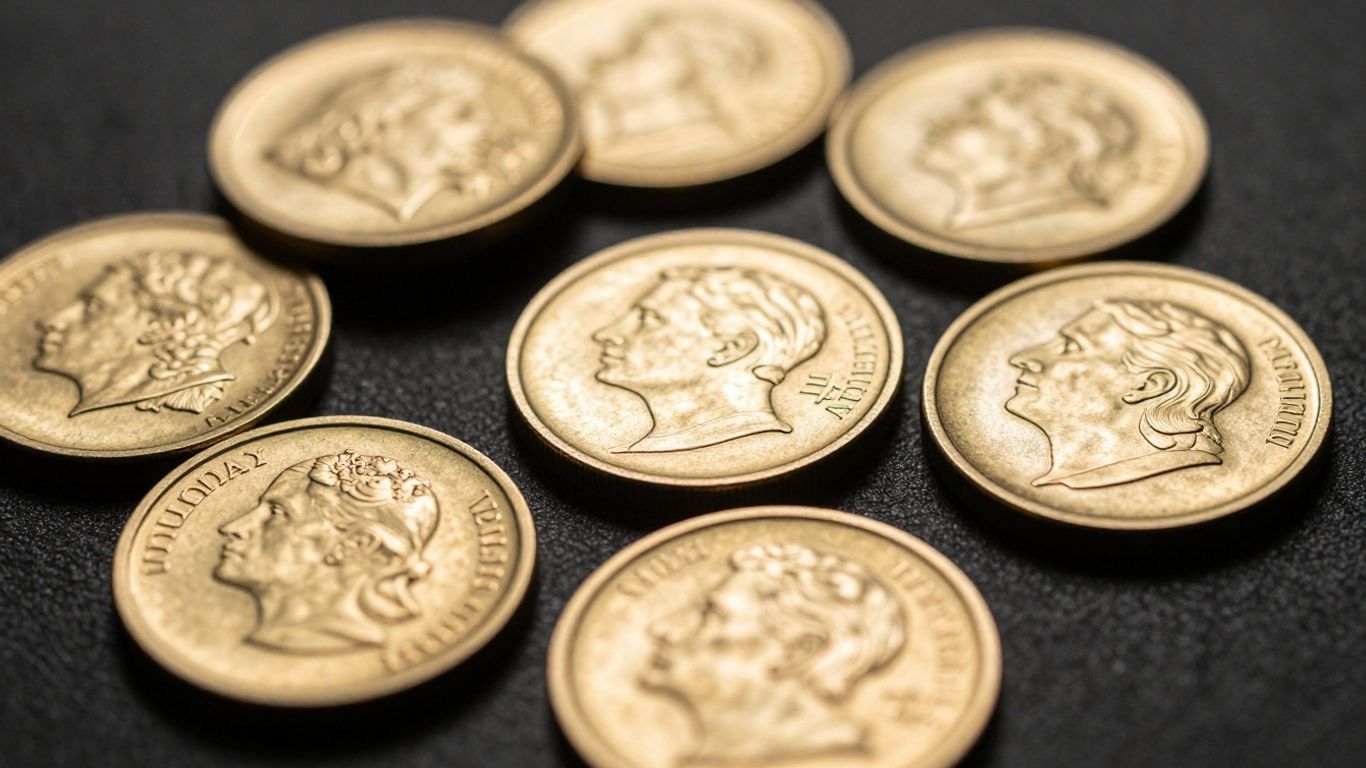
When you evaluate a gold coin, its condition is a factor that changes everything. A slight scratch or lack of relief can surprisingly lower the price. In numismatics, very specific grading levels are used. In France, the most common scale has 8 grades:
- AB: Quite beautiful
- B: Beautiful
- TB: Very beautiful
- TTB: Very very beautiful
- SUP: Superb
- SPL: Splendid
- FDC: Flower Corner
Each step on this scale can influence the price by 10 to 300%, or even more. The closer you get to "mint condition," the more the market is willing to pay. Many coins go through grading companies like PCGS or NGC, which encase the coins and assign an international grade: this is a real advantage for resale.
Keeping your coins in their original packaging, avoiding handling them with bare hands, and controlling humidity or dust all matter more than you might think to their value.
The influence of rarity, print run, and history on price
The price of a coin is never limited to its weight in gold. Several other criteria are taken into account:
- Scarcity The rarer the coin, the more it attracts collectors. This can be due to a small original mintage, or simply because few copies are still in circulation.
- Draw The number of copies produced at the time of minting. Limited editions are often more valuable.
- History A piece that embodies a period, a king, a significant event (wars, commemorations) or that has a specific design always generates more interest.
Here is a simple comparison table:
| Criterion | Impact on value | Concrete example |
|---|---|---|
| Scarcity | Very high | Napoleon Rare vintage gold |
| Limited edition | High | Kookaburra Special Edition |
| A remarkable story | Moderate to high | Gold Sovereign (specific king) |
| Pure gold (999 fineness) | Medium | Austrian Philharmonic |
When demand surges or during crises, the premiums on historically significant or rare coins skyrocket. Conversely, some very common coins, even in good condition, will hardly exceed the value of the gold they contain.
If you're looking for a piece that will outlast trends, aim for a balance between rarity, good condition, and a strong story—this is the best combination to see your investment grow over the long term.
Practical tips for buying and storing your gold coins safely
When you are considering buying collectible gold coins, it is not enough to simply spot the most beautiful or the cheapest coin. The security of your purchase and how you store your coins will make all the difference in the long run.
Compare offers and avoid scams when buying
Before you pull out your credit card, take some time to analyze the situation. Counterfeits are common, and some unscrupulous sellers take advantage of the naivety of newcomers. Here's how to find your way around:
- Favor recognized professionals who provide certificates of authenticity and comply with market standards.
- Always check the live gold price to avoid unjustified surcharges.
- Beware of offers that are "too good to be true": if the price is significantly below market value, the risk of fraud is high.
- Compare the fees (commission, premium, shipping) and ask for a written breakdown before confirming your purchase.
- Don't buy blindly at a private sale. Prefer the certified merchants or specialized institutions.
| Points to check when making a purchase | Why? |
|---|---|
| Certificate / Seal | Guarantee authenticity |
| Price transparency | Avoid hidden margins |
| Clear contact with the seller | For after-sales service or advice |
| Secure payment method | Protecting against fraud |
Take the time to ask your questions beforehand. Never let haste guide a decision, even if the seller insists on urgency or supposed rarity.
Storage methods to preserve the value of coins
After the purchase, the real question is: where to store your coins? You must think about security but also about their physical preservation so that they retain all their value (or even their premium) over the years.
Some concrete options:
- Bank safe The safest option for large sums of money. Your coins benefit from maximum security and insurance.
- Home safe : Practical solution, but you will need to invest in a good burglary-proof safe and notify your home insurance company.
- Specialized childcare service Some companies offer high-security safes, with tailor-made insurance contracts and direct resale options.
- Personal storage : If you choose to keep your coins at home, avoid the temptation to handle them (no cleaning, no contact with bare hands) to avoid micro-scratches or oxidation which easily lower their value.
Key recommendations:
- Do not remove the coins from their seal.
- Store them away from variations in temperature and humidity.
- Inform at least one trusted person about the existence and location of the storage, especially if you own several rooms.
In short, securing your investment means paying close attention at every stage: from purchase to daily care. Small oversights are what cost the most with gold coins. If you are diligent, you'll maximize your chances of preserving and perhaps even growing your collection.
To buy and keep your gold coins safely securityIt's important to follow a few simple tips. Remember to carefully check the authenticity of each coin and store it in a safe place, away from prying eyes. If you're looking for more detailed advice or want to start investing, our website is here to help. Discover how to secure your gold purchases today!
In conclusion, your adventure in the world of gold coins
There you have it, you now have all the tools you need to embark on the fascinating world of collectible gold coins. Remember that each coin tells a story, and your own journey as a buyer or collector is just beginning. Take the time to choose carefully, compare, and above all, enjoy every discovery. It's a world where patience and curiosity are your greatest allies. So, ready to add a new coin to your collection or make your first investment? The adventure awaits!
Frequently Asked Questions
How can you tell if a collectible gold coin is authentic?
To be certain of authenticity, check if the coin has a certificate from a specialized laboratory such as PCGS or NGC. These experts examine the coin and place it in a special capsule with its quality rating. If the coin is listed on the stock exchange, that's also a good sign, as it indicates it's in very good condition and has an official exchange rate.
What makes one gold coin more expensive than another?
Several factors influence the price. First, its condition: a coin without any scratches is worth more. Second, its rarity: if there aren't many of them, it will be more expensive. The history behind the coin, such as whether it belonged to a famous person or was minted for a special event, can also increase the price.
How can I keep my gold coins safe at home?
To properly preserve your coins, handle them with gloves to avoid leaving oil stains. Store them in special acid-free plastic sleeves, such as polyester ones. You can also keep them in a safe at home or even in a bank safe deposit box for maximum security. Consider insuring them as well.