Have you ever wondered how you know if the silver you're buying is truly pure? It's an important question, especially if you're investing or value the quality of your jewelry. In fact, there are several ways to check this, and it's a little more complex than you might think. Let's take a look at the different methods and points to look out for to be sure of the purity of your silver. Hold on tight, we're going to demystify all this!
Key Takeaways
- The purity of silver is measured by its “fineness,” often expressed in thousandths (for example, 925 for sterling silver).
- Pure silver (999 or 999,9) is softer than sterling silver (925), which contains other metals to make it stronger.
- Chemical tests, such as nitric acid, or more modern technologies, help to verify the composition of silver.
- Certificates of authenticity and international standards (like the LBMA for bullion) are super important to ensure quality.
- Condition and weight are also important criteria, especially for collector's items.
Understanding the Purity of Silver
Definition of the title of money
When discussing the purity of silver, the term "fineness" is often used. It's a way of expressing the amount of pure silver contained in an item, whether it's an ingot, a coin, or a piece of jewelry. The title is generally expressed in thousandths. For example, a fineness of 999 means that the item contains 99,9% pure silver. This is important to understand because it directly influences the value of the silver. The higher the fineness, the purer the silver, and therefore, the more expensive it is. It's a bit like when you buy coffee, you want to know if it's pure Arabica or a blend, it changes everything!
Difference between pure silver and sterling silver
Pure silver is the closest thing to 100% silver (usually 99,9% or higher). It is very malleable, which makes it difficult to use to make items that need to be durable. This is where sterling silver, also known as 925 silver, comes in. Sterling silver is an alloy made of 92,5% pure silver and 7,5% of another metal, often copper. This addition of copper makes sterling silver harder and more durable, making it ideal for making jewelry, silverware, and other everyday items. So, if you see a piece of silver jewelry with the "925" stamp, you now know it's sterling silver. It's a good compromise between purity and strength. It's important to note that the purity of silver influences its value.
Common alloys and their percentages
Silver, like other precious metals, is rarely used in its 100% pure state for making objects. Other metals are added to improve its hardness, wear resistance, or even color. Here are some common alloys:
- Sterling silver (925): 92,5% silver, 7,5% copper (most common).
- Britannia Silver (958): 95,84% silver, 4,16% other metals (often copper).
- 900 silver: 90% silver, 10% other metals.
These percentages are important because they determine the value of the item. A silver ingot 999 will be more expensive than a sterling silver item because it contains more pure silver. Other metals used in alloys can vary, but copper is the most common. Other metals such as zinc or nickel can be added to change the color or properties of the alloy.
Understanding the different alloys and their percentages is essential to properly assessing the value of the silver you own or want to buy. This allows you to make informed choices and avoid unpleasant surprises. It's a bit like knowing the ingredients in a dish before ordering it; you know what to expect!
Purity Assessment Methods
There are several ways to determine if your silver is silver, and more importantly, its purity. From traditional methods to the latest technologies, there are plenty of options. It's important to properly assess purity, whether for investment, collecting, or simply to ensure the quality of a piece of jewelry.
Traditional chemical tests
Chemical testing is a bit old school, but still effective. The nitric acid test is a classic. You make a small scratch on the object, apply a drop of acid, and observe the reaction. If it reacts in a certain way, it indicates the presence of silver, and even gives an idea of its purity. It's not super precise, but it's quick and relatively reliable, especially for silver and gold.
Advanced analysis technologies
Now we're moving up a gear. We're talking about X-ray fluorescence spectrometry (XRF), Raman spectroscopy, and electrolytic analysis. These methods are much more precise than chemical tests. XRF spectrometry, for example, can determine the elemental composition of a sample without damaging it. Raman spectroscopy, on the other hand, identifies the molecular composition. And electrolytic analysis, although destructive (a sample must be taken), offers incredible accuracy, down to 0,001% for some metals. These technologies are extremely useful for authenticating precious metals with unparalleled precision. They allow for a non-destructive analysis and reliable.
The importance of certificates of authenticity
A certificate of authenticity is like your silver's identity card. It must include several key pieces of information: the name of the smelter, the ingot's unique identification number, the exact weight, and of course, the purity level. It's a guarantee that what you have is what you're told it is.
A certificate isn't just a piece of paper. It's proof that your silver has been tested and validated by experts. Without it, it's difficult to prove its value, especially if you plan to resell it one day.
Here are some points to check on a certificate:
- The correspondence between the serial number of the ingot and that of the certificate.
- The presence of a security hologram.
- The name and logo of a recognized organization (such as the LBMA, which we will discuss later).
Physical characteristics of pure silver
Pure silver is a bit like the superhero of metals: it has powers (well, properties) that make it unique. Let's break it all down to learn more about it.
Specific luster and color
Pure silver is all about shine. Its shine is truly special, a luminous white with a small touch of gray. This is what differentiates it from white gold or platinum, which have different reflections. When it is well polished, it can almost serve as a mirror!
Thermal conductivity properties
Silver is an excellent conductor of heat. If you touch a piece of pure silver, it will feel cold at first, but it will quickly warm up when it comes into contact with your skin. This is because it absorbs and conducts heat very quickly. This is why it is sometimes used in electronic applications to dissipate heat.
Comparison with other white metals
Silver isn't the only white metal, but it does have some distinctive characteristics. For example, platinum is denser and more corrosion-resistant, but it's also more expensive. White gold, on the other hand, is actually an alloy of gold with other metals, which alters its color and properties. Here's a quick comparison chart:
| Métal | Color | Thermal conductivity | Corrosion resistance |
|---|---|---|---|
| Pure silver | Brilliant white | Very high | Average (tarnishes over time) |
| Base Plate | Grey White | Élevée | Very high |
| White gold | White (may have yellow highlights) | Variable (depends on alloy) | Bonne |
Pure silver is a truly interesting metal, but it also has its drawbacks. It tends to tarnish when exposed to air and certain sulfur compounds. That's why it's often mixed with other metals to make it more durable, as in sterling silver.
In short, pure silver shines brightly, conducts heat like a pro, and has properties all its own. If you're looking to get your gold valued for free in Versailles, do not hesitate to call on experts to find out more about this precious metal.
Quality criteria for coins and ingots
The role of the LBMA and Good Delivery standards
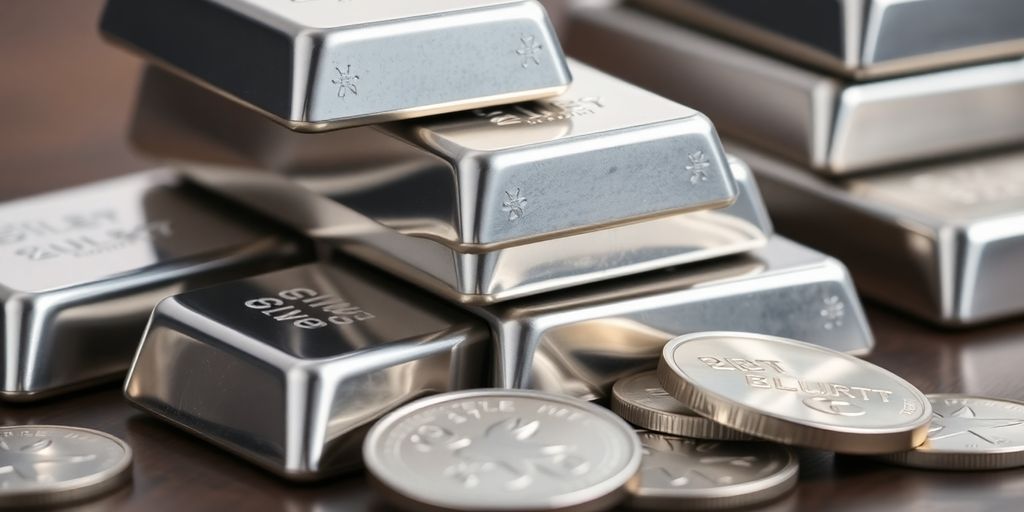
The London Bullion Market Association (LBMA) plays a central role in standardizing the silver market. It establishes the “Good Delivery” standards that ingots must meet to be traded on the professional market. These standards concern the weight, purity (grade), shape, and marking of the ingots. For a foundry to be accredited by the LBMA, it must comply with strict refining and quality control criteria. It's a bit like the Controlled Origin label for cheese, but for silver. LBMA-certified ingots are recognized worldwide, which facilitates their trade and guarantees their value. This is a guarantee of confidence for investors.
The state of conservation of numismatic coins
Condition is a determining factor in the value of numismatic coins. A scale is used to assess this condition, ranging from "Fairly Fine" (FQ) to "Fairly Uncirculated" (FDC). A FDC coin is in perfect condition, as if it had just been minted. Condition directly influences the price on the collector's market. A rare coin in poor condition will have less value than a more common coin in perfect condition. It's a bit like a classic car: the better it is preserved, the more it is worth.
Here are the main grades used in French numismatics:
- AB (Quite Beautiful)
- B (Beautiful)
- TB (Very Beautiful)
- TTB (Very Very Beautiful)
- SUP (Superb)
- SPL (Splendid)
- FDC (Flower Coin)
Weight and diameter as indicators
Weight and diameter are important indicators for verifying the authenticity of coins and bars. Significant variations from official specifications may indicate counterfeiting. Weight is usually expressed in grams or ounces, while diameter is expressed in millimeters. These measurements must match the data provided by the manufacturer or certifying body. It's a bit like checking the dimensions of a spare part for a car: if it doesn't match, there's a problem. It's therefore important to know the exact specifications of the coin or bar you own. To choose between silver bars and coins, we must understand these criteria well.
Sterling silver and its particularities
Composition and use of 925 silver
Sterling silver, often referred to as 925 silver, is an alloy composed of 92,5% pure silver and 7,5% other metals. Most often, this complement is copper, but other metals can be used to modify the properties of the alloy. This combination is essential because pure silver is too malleable to be used alone in the manufacture of durable objects. The addition of copper increases its hardness and strength, making it ideal for jewelry, silverware, and various decorative objects. It is rarely found in bullion, as investors prefer fine silver.
Advantages and Disadvantages of Sterling Silver
Sterling silver has a number of advantages and disadvantages that are important to consider:
Advantage:
- Financial accessibility: Silver is generally more affordable than gold, platinum, or palladium, making sterling silver jewelry accessible to a wider range of budgets.
- Neutral aesthetics: Its neutral gray color enhances most gemstones and easily matches different clothing styles.
- Versatility: It is suitable for both everyday jewelry and special occasions.
Disadvantages:
- Tarnishing: Sterling silver tends to tarnish over time due to its reaction with sulfur in the air. This tarnish can be removed with proper cleaning.
- Scratch sensitivity: Silver is a relatively soft metal, making it more susceptible to scratches than other metals like gold. Regular polishing can help smooth out these imperfections.
Sterling silver is a popular choice for those seeking an affordable and aesthetically pleasing precious metal. However, it's important to be aware of its tendency to tarnish and sensitivity to scratches, and to take the necessary steps to care for it properly.
Care and cleaning tips
To preserve the beauty of your sterling silver items, here are some care and cleaning tips:
- Regular cleaning: Clean your sterling silver jewelry regularly with a soft, non-abrasive cloth to remove dirt and fingerprints. You can also use silver-specific cleaning products. Be sure to dry the item thoroughly after cleaning.
- Proper storage: Store your sterling silver jewelry in a cool, dry place away from direct sunlight and moisture. Use cloth pouches or lined jewelry boxes to prevent scratches and tarnishing. Avoid storing multiple pieces of jewelry together, as they may scratch each other.
- Avoid contact with chemicals: Remove your sterling silver jewelry before swimming, exercising, or using household chemicals, lotions, perfumes, or hairsprays. These products can damage the silver and accelerate tarnishing.
By following these simple tips, you can extend the life of your sterling silver items and keep them in perfect condition. It's important to note that the difference between pure silver and sterling silver is significant, especially in terms of use and durability. For those interested in differences between monetary money and industrial money, it is essential to understand that sterling silver is rarely used in a monetary context due to its alloy composition.
The intrinsic value of money
Calculating the price of 925 silver
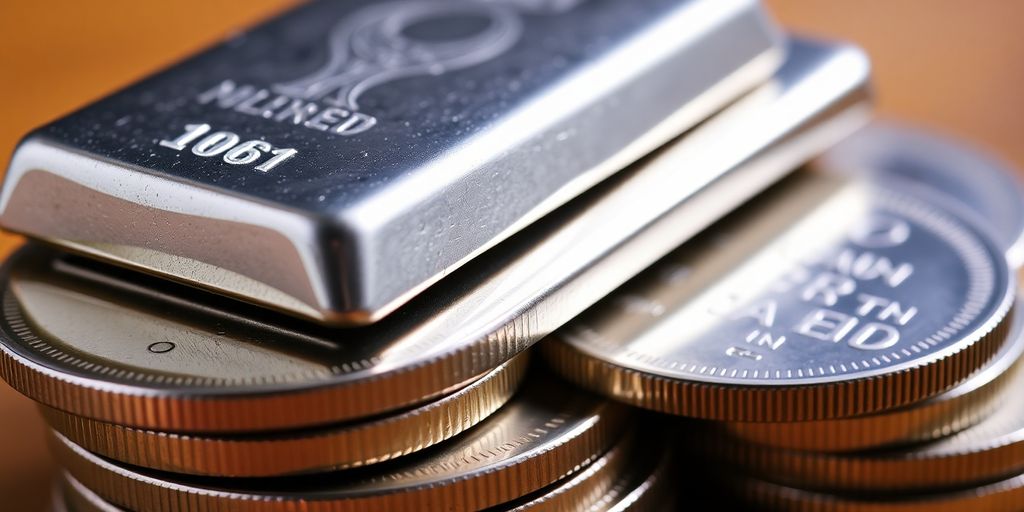
Okay, let's talk silver, but not the kind you've got lying around in your wallet. We're going to look at the value of silver, the precious metal. When we talk about 925 silver, or sterling silver, we're talking about an alloy composed of 92,5% pure silver and 7,5% other metals, often copper. But how do you calculate the price of this stuff?
The calculation is actually quite simple: it is based on the official silver price. Imagine you want to know the intrinsic value of a 925 silver bracelet. You'll need two pieces of information: the bracelet's weight (in grams) and the current silver price (usually expressed in euros per troy ounce). Once you have this information, you can use the following formula:
(Weight of the object in grams) x (Silver price in euros per gram) x 0,925 = Intrinsic value of the object in euros
Be careful, the price of silver fluctuates constantly, so you should use the most recent price possible to get an accurate estimate. You can find this price on websites specializing in precious metals or on stock exchange platforms. It's a bit like tracking stock prices, except this one is for silver! And remember, this formula gives you the intrinsic value, that is, the value of the metal itself. The final sale price may be higher, as it includes manufacturing costs, the seller's margin, etc.
Influence of the official silver rate
The official silver price is a bit like the weather for farmers: everyone keeps a close eye on it. This price, set on global financial markets, has a direct influence on the price of everything made of silver, whether it's jewelry, coins, or bars. But how does it work, in practice?
Imagine that the price of silver skyrockets. Suddenly, silver becomes more expensive. Jewelry manufacturers will have to pay more for their raw material. The result? They will likely raise their selling prices to compensate for this increase. It's a bit like when the price of gasoline increases: everything becomes more expensive because transportation costs more.
Conversely, if the price of silver falls, manufacturers can afford to lower their prices. This is good news for consumers, who can buy silver items for less. However, it's important to keep in mind that the selling price doesn't depend solely on the price of silver. Other factors come into play, such as brand, design, manufacturing quality, and so on.
Basically, the official silver price provides a basic guideline, but the final price can vary depending on many other factors. It's a bit like the price of a car: the cost of raw materials is important, but the brand and options also play a role.
Impact of supply and demand
Supply and demand are the yin and yang of the silver market. These two opposing forces influence each other and largely determine the price of silver. If supply exceeds demand, prices tend to fall. If demand exceeds supply, prices tend to rise. It's simply the law of the market.
But what influences the supply and demand of money? Several factors come into play:
- Mining production: The more silver is extracted from mines, the greater the supply. Discoveries of new deposits can lower prices, while production problems can raise them.
- Industrial demand: Silver is used in many industries, including electronics, photography, and medicine. High industrial demand can drive up prices.
- The investment: Investors buy silver as a safe haven, especially during times of economic uncertainty. Strong investment demand can drive prices higher.
- Stocks: Silver stocks held by governments, central banks, and private investors can influence the supply available on the market. Selling these stocks can lower prices.
Basically, the supply and demand for silver are influenced by a multitude of factors, making the silver market quite complex and volatile. That's why it's important to stay informed about economic and financial news to understand market trends and anticipate price movements. And if you want to invest in silver, don't hesitate to consult a financial advisor for personalized advice. They can help you assess the purity of the silver and make the right decisions.
In short, the price of silver is a delicate balance between supply and demand, influenced by economic, industrial, and financial factors. It's a bit like a seesaw: if one side becomes too heavy, the seesaw tips.
Authentication and traceability of money
Silver authentication and traceability have become major concerns for both investors and collectors. With the growing sophistication of counterfeiting, it's essential to understand the methods and technologies that guarantee the authenticity and provenance of silver. You don't want to end up with fakes. silver bars!
The unique identification number of the ingots
Every decent silver bar has a unique identification number. This number, engraved directly on the ingot, is a bit like its fingerprint. It allows you to trace its journey from production to sale. This number is usually accompanied by other information, such as weight, purity, and the name of the smelter.
Here are some key facts about this issue:
- It is essential to check the concordance between the number engraved on the ingot and that appearing on the certificate of authenticity.
- This number allows industry professionals to track the ingot throughout the supply chain.
- If there is any doubt about the authenticity of an ingot, this number can be used to carry out checks with the foundry or specialist organisations.
The role of protective seals
Protective seals play a crucial role in preserving the integrity of silver bars. These tamper-evident packages ensure that the bar has not been altered or counterfeited since its production.
Protective seals are often numbered and contain complex security features, such as holograms or microtext. It is important to verify the integrity of the seal before purchasing an ingot. A damaged or missing seal may be a sign of attempted fraud.
Verification of holograms
Holograms are increasingly used to secure silver bars and coins. These three-dimensional images, which are difficult to reproduce, help ensure the authenticity of the product.
To verify a hologram, you must:
- Examine it from different angles to observe the image changes.
- Use a magnifying glass to check for microtext.
- Compare the hologram with official references provided by the manufacturer.
It is important to note that the presence of a hologram alone is not enough to guarantee the authenticity of a product. Counterfeiters are increasingly adept at reproducing these devices. This is why it is recommended to combine this verification with other authentication methods, such as chemical tests or ultrasonic analysis.
Knowing where your money comes from and where it goes is incredibly important. It ensures everything is clear and honest. We take great care to trace your money so you can rest assured. To learn more about how we guarantee the security of your transactions, visit our page on the buying and selling of gold and silver.
In short: money isn't that simple!
So, we've seen a lot about silver purity. The important thing to remember is that it's not just a matter of "pure" or "not pure." There are levels, like "fine" silver or "sterling," and each has its own little peculiarities. For an investor, the difference between 999 and 999,9 may seem minimal, but it matters. And then, for jewelry, sterling silver, even if it's less pure, is super common and has its advantages, even if it tarnishes a little. In short, knowing these details helps you make the right choices, whether for an investment or just for a nice piece of jewelry. It's a bit like anything else, the more you know, the better!
Frequently Asked Questions
What is the purity of silver?
Silver purity, also called “grade,” tells us how much pure silver there is in an item. It is often expressed in thousandths; for example, 925 silver means that there are 925 parts of pure silver out of 1000. The higher this number, the purer the silver.
What is the difference between pure silver and sterling silver?
Pure silver is almost 100% silver (like 999 or 999,9 thousandths). Sterling silver, on the other hand, is a mixture of 92,5% silver and 7,5% other metals, often copper. Copper is added to make it stronger, as pure silver is somewhat soft.
How do you know if silver is really pure?
To verify purity, chemical tests, such as the nitric acid test, can be performed. Special machines, such as those that use spectroscopy, can also do this without damaging the object. Certificates of authenticity are also very important for proving the purity of an ingot or coin.
How to recognize pure silver by eye?
Pure silver has a very bright white color and a soft luster. It conducts heat very well, so a pure silver object will feel cool at first and will quickly warm to the touch. These signs can help identify it, although more thorough testing is safer.
Why is sterling silver so popular?
Sterling silver is a good choice for jewelry because it's harder than pure silver and more resistant to shock. It's also less expensive than gold. However, it can darken over time, so it needs to be cleaned regularly to keep it looking its best.
How is the value of sterling silver calculated?
The value of sterling silver depends on the market price of silver, its weight, and its purity (92,5%). To determine its value, multiply the weight of the item by the current price of silver, then by 0,925. The demand and supply of silver can also affect its price.