
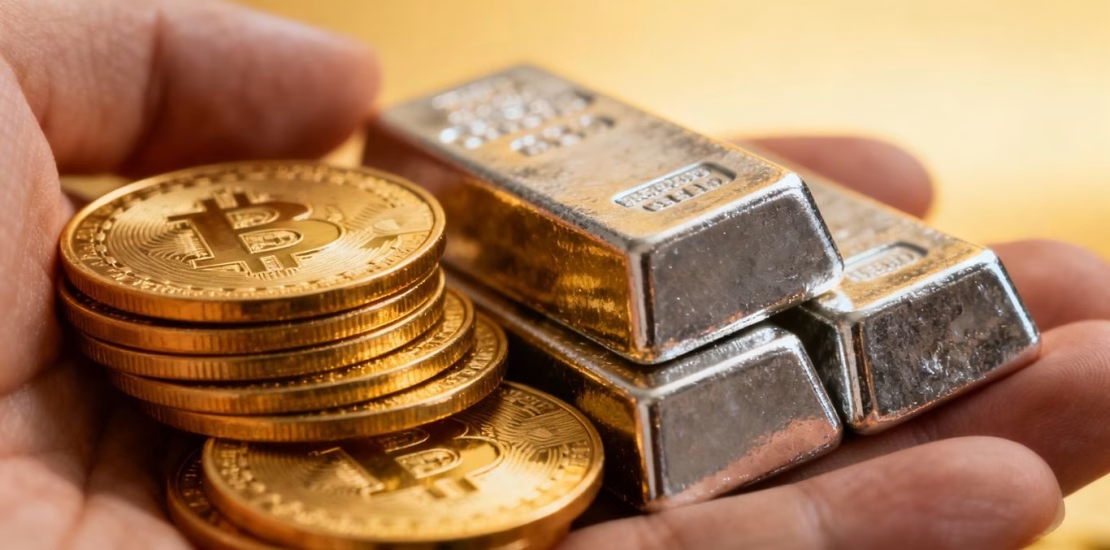
Asking yourself whether to invest in physical silver in 2026 is a bit like looking at an old treasure map. We know the metal has value, but we wonder if it's the right time to dig deeper. Silver isn't just for jewelry or Grandma's silverware. It's a metal that has stood the test of time, used as currency, as a store of wealth, and today, it's even essential in many new technologies. So, is it worth putting your savings into bars or coins? Let's take a look at that together, without overthinking it.
Key Takeaways
- Money is a value that has stood the test of time, used since antiquity for trade and as a store of wealth. It has a much longer history than many other investments.
- Unlike gold, silver is also extremely important for industry, particularly in renewable energy and electronics. This gives it a dual appeal: a safe haven asset and a strategic metal.
- Investing in physical silver is more affordable than investing in gold. You can start with smaller amounts, making it accessible to more people.
- Certified silver bars and coins, such as those that meet LBMA standards, are easy to resell worldwide. This is an advantage for liquidity.
- In France, physical investment money benefits from attractive taxation, notably the absence of VAT on purchase, which can make the investment more profitable.
Why Invest Your Money in White Metal?
Money That Has Survived Through the Ages
Money isn't just something shiny, you know. Humans have been using it for millennia. The Greeks, the Romans, the Chinese—everyone used it. It was currency, a store of value, the way to trade without having to lug around cows. Even in the Middle Ages, it was incredibly important to the monetary system. And then, with the colonies, tons of mines were extracted from Latin America to make coins that became benchmarks. In short, money isn't new; it has endured through the ages and has always had value.
Money has a rich history, serving as currency and a store of value since antiquity, traversing civilizations and eras without losing its importance.
A Safe Haven Asset That Protects Against Inflation
When the economy takes a turn for the worse, when inflation spirals out of control and currencies lose value, silver holds firm. It's a bit like a shield. It retains its purchasing power. Unlike gold, which is sometimes seen as something only the wealthy can afford, silver is more accessible. It allows more people to protect themselves when times are uncertain. It's a tangible asset; you can touch it, see it. It provides reassurance when markets are in turmoil.
A constantly growing industrial demand
And what makes it even more interesting is that silver isn't just for making jewelry or bullion. It's incredibly important in a multitude of industries. Think of solar panels, electronics, medical equipment, new technologies… all of these use silver. And with the energy transition and the development of these sectors, the demand for silver is only increasing. It's not just a safe haven asset; it's also a strategic metal for the future. This provides yet another reason for its value to continue rising in the long term.
The Concrete Advantages of Investing in Money
A More Affordable Entry Ticket Than Gold
Frankly, let's be honest: gold is alluring, but the initial investment can quickly become a drain on your wallet. That's where silver comes in, like the unsung superhero of investing. For the same weight, you'll pay significantly less for silver than for gold. This means that even with a tighter budget, you can build up a nice reserve of precious metal. It's perfect for beginners or those who want to diversify without spending all their savings. Think of it this way: with €1000, you can buy an amount of silver that would only give you a tiny fraction of gold. That's a considerable advantage when you really want to add tangible assets to your portfolio.
Guaranteed Ease of Resale
When you buy physical silver, a question that quickly arises is: "What if I want to resell it?" Good news: silver resells quite easily. Unlike certain works of art or collectibles that require a very specific buyer, silver bars and coins, especially if they are certified and of good purity (like 999,9‰), are in demand. Whether from specialized professionals or even private individuals, there's a market. It's a bit like having an international currency that everyone understands. It gives you peace of mind; you know your money won't be tied up indefinitely if you need to access cash.
A Tax System That Works in Your Favor
This is a point that often pleases investors in France. Physical silver, when considered investment currency (generally in the form of bars or coins of a certain purity), benefits from rather favorable tax treatment. The major advantage is the exemption from VAT on purchase. This saves you a significant sum immediately. Furthermore, for resale, there are potentially very advantageous tax regimes, notably the exemption of capital gains after a certain holding period. This isn't the case for all investments, so it's a compelling argument to seriously consider.
Physical silver is a bit like the Swiss Army knife for investors: accessible, easy to resell, and with tax advantages that simplify things. It's not just a metal; it's a real option for securing and growing your money over the long term.
How to Choose Your Silver Ingot Wisely?
So, you're embarking on the adventure of physical silver? Great idea! But before you snap up the first gold bar you see, there are a few things you should know. It's a bit like choosing a good pair of shoes: they have to be the right size, the right material, and above all, you have to like them and they have to last. It's the same with silver, but with slightly more technical criteria. Let's take a look at that together.
When we talk about silver bars, we're generally aiming for the very highest purity. The standard is 999,9‰, meaning it contains 99,99% pure silver. This is a sign that you have a quality product, recognized by professionals. Lower purity could mean the seller is trying to sell you something cheaper, or that it's an older product that no longer meets current standards. So, always aim for 999,9‰, it's the guarantee of a solid investment.
The LBMA stands for London Bullion Market Association. Essentially, it's like the ultimate quality label for precious metals. When a gold bar is LBMA certified, it means it was produced by a refiner who adheres to extremely strict rules regarding quality, purity, and ethics. It's a bit like the gold bar's identity card, guaranteeing it will be accepted worldwide without any issues. If you see this logo, it's a good sign; you can buy with complete confidence.
Silver bars come in many different sizes, from small 10-gram bars to large ones weighing several kilograms. The choice of weight really depends on your budget and what you intend to do with it. If you're just starting out and don't have a huge amount of capital, smaller bars (like 50g, 100g, or even 250g) are easier to buy and resell. This also allows you to spread out your purchases over time, a bit like making small, regular purchases rather than one large purchase. For those with more experience and a larger budget, larger bars (1kg, 5kg) are often more attractive in terms of price per kilogram. But be aware that they require more storage space and are more difficult to resell in small quantities.
Choosing the right weight is a bit like choosing the right shoe size: it must be adapted to your foot (your wallet) and to the use you are going to make of it (your investment strategy).
Here is a small table to help you visualize:
| Ingot weight | Benefits |
|---|---|
| 10g - 100g | Accessible, easy to resell, ideal for beginners |
| 250g - 500g | Good price/weight compromise, easy to store |
| 1kg and more | Best price per kilo, for big investors |
In short, to choose your gold bar wisely, look at the purity (999,9‰), the certification (LBMA if possible), and the weight that matches your strategy and portfolio. It's not rocket science, but it avoids unpleasant surprises!
Physical Cash: An Asset to Diversify Your Portfolio
An Ideal Complement to Stocks and Bonds
So, we talk a lot about stocks, bonds, all that virtual stuff on the markets. It's great, it can bring in big returns, but it can also collapse in an instant. Physical money is different. It's something you can touch, something that has had intrinsic value for centuries. Think of it as a kind of insurance for your portfolio. When the stock market goes haywire, the money stays put. It doesn't depend on a company's performance or a central bank's decisions. It's a bit like having a solid brick in a world that's constantly changing. It helps balance things out, to avoid putting all your eggs in one basket, you know?
Protection Against Economic Instability
We've seen in recent years that the global economy isn't always smooth sailing. Between crises, rising inflation, and geopolitical tensions, things can quickly become chaotic. In those moments, physical cash becomes your best friend. It's a safe haven, a bit like gold, but often more accessible. When currencies lose value, the metal retains its purchasing power. It's a way to protect yourself against the devaluation of your money and keep part of your wealth safe from economic storms. It's not an absolute guarantee—nothing is—but it's a strategy that has proven its worth.
Physical cash is a bit like having a supply of drinking water when everything else is dry. It doesn't solve everything, but it helps you get by.
A Means of Intergenerational Transmission
Are you thinking about the future? Are you considering what you'll leave to your children, your grandchildren? Physical money is a great way to pass on something tangible. Unlike stocks, which can disappear or lose all their value, a silver bar remains a silver bar. It's tangible, it has a value recognized worldwide. It's an asset that passes down through generations without much trouble. And it's also a way to teach younger generations about the value of real things, the importance of diversification and financial prudence. It's a meaningful inheritance.
Where to Buy Physical Money with Confidence?
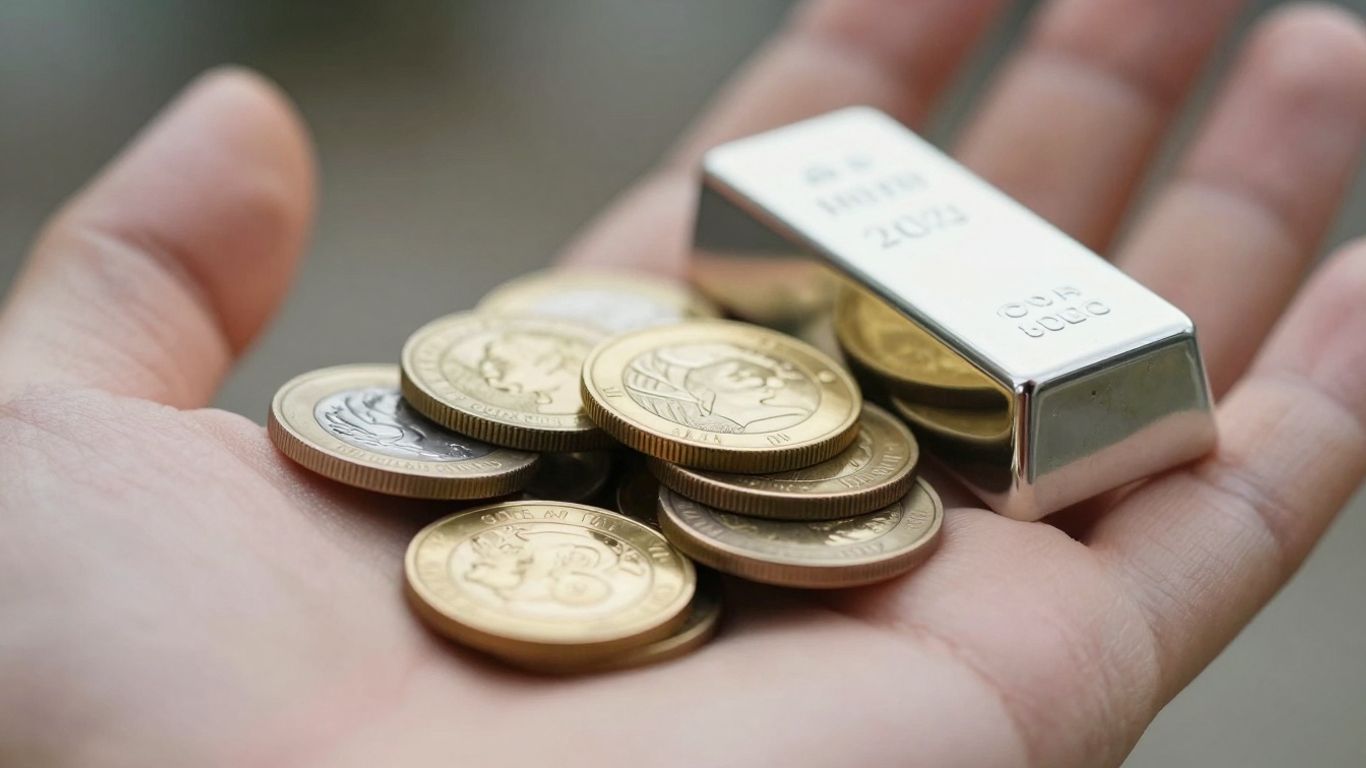
So, you've decided to take the plunge and invest in physical silver? Great idea! But now, the big question: where can you find this precious metal without getting ripped off? Don't panic, we'll look at that together.
Choose a recognized and certified reseller
It's a bit like choosing a mechanic: you want someone trustworthy who knows their stuff. When it comes to saving money, this means favoring established professionals, whether online or in physical shops. Check if they're recognized by organizations like the LBMA (London Bullion Market Association). This is a kind of quality label that guarantees the metal is pure and the seller is reputable. Companies that clearly display their certifications and have positive customer reviews are generally a good sign. Avoid offers that seem too good to be true; they often reek of scams.
Compare prices and commissions
When you buy silver, there's the price of the metal itself, but also additional fees. Each seller has their own margin and commissions. That's normal; they have to make a living! But it's worth trying to find the best value for money. Don't hesitate to compare prices for the same ingot or coin, taking into account the purity and weight, of course. Sometimes, a small difference in commission can represent a significant sum, especially if you're buying in large quantities. Also, remember to check if there are delivery charges and whether they are insured.
Secure your purchase and delivery
Once you've found the right seller and the right product, you need to think about security. If you're buying online, make sure the website is secure (you know, the little padlock in the address bar?). For delivery, choose insured and discreet shipping options. Some sellers even offer to store your money in secure vaults, which can be a good option if you don't have a safe place at home. In any case, keep all certificates of authenticity and invoices safe and sound. This is proof that your money is indeed yours and of its quality.
Buying physical cash is a bit like buying a used car: you have to be vigilant, do your research, and don't hesitate to ask questions. It's better to spend a little more time finding the right place than to have regrets later.
Points to Consider Before Investing
Before you rush headlong into buying silver bars or coins, there are a few things to keep in mind. It's not just a question of where to buy, but also how to manage your investment properly once you have it. Think of it like buying a car: you don't just have to choose it, but also think about where to park it, how to insure it, and how to resell it when you're tired of it.
Secure Storage of Your Gold Bars
So, you've got your beautiful silver bars at home. Great! But now, where do you put them to keep them safe? If you have a small amount, a good old-fashioned home safe might do the trick. But if you start accumulating, say, several kilos, it gets more complicated. We really need to think about security, because money attracts attention. Having home insurance that covers precious metals is a good idea. Alternatively, there are specialized companies that offer storage services in ultra-secure vaults. It's a bit more expensive, but it can save you a lot of worry and sleepless nights.
Understanding Additional Costs
When buying physical silver, we often think about the price of the metal itself. But beware, there are often hidden costs, or at least, not always obvious ones. There's the manufacturer's premium, which is a bit like the cost of producing the ingot or coin. Then there are transaction fees when you buy, and especially when you sell. These fees can vary considerably from one seller to another. You also have to consider storage fees if you opt for an external solution, and insurance costs. All of this adds up and can eat into your potential profits. So, it's essential to compare offers carefully and read the fine print.
Anticipating Resale and its Taxation
Investing is good, but thinking about how you're going to get your money back is even better. Reselling physical silver can be simpler than you think, especially if you've bought certified and recognized products like those with the LBMA label. Professionals and even other individuals are often interested. However, you need to be clear about the tax implications. In France, the sale of precious metals is generally subject to capital gains tax. There are two options: either a flat tax, or a tax on the actual capital gain if you can prove the purchase price and associated costs. It is therefore important to keep all your purchase invoices and certificates of authenticity safe. This will allow you to calculate your earnings and file your taxes correctly when the time comes. Failing to plan ahead could cost you dearly when you resell.
Before investing in gold, there are a few important points to consider. Make sure you thoroughly research the market and the different options available. This is a crucial step in making a sound decision. To help you gain a clearer understanding and make the best choices, explore our... advice on our website.
So, shall we launch in 2026?
Okay, so we've covered everything. Investing in physical silver in 2026 is definitely worth a try. It's not gold, that's for sure, but it has its advantages. It's more affordable to start with, the industry is quite dynamic, and let's be honest, having something tangible in your hands is reassuring. Just don't put all your eggs in one basket, as always. Diversification is key. And if you're tempted, remember to do your research and choose a trustworthy seller. There you have it, you know almost everything!
Frequently Asked Questions
Why is silver considered a good investment?
Silver is attractive because it's used in many industries, such as electronics and solar panels. It has also stood the test of time as a store of value, meaning it retains its worth even when prices rise (inflation). Furthermore, it's cheaper than gold, making it easier to buy.
Does money protect against inflation?
Yes, money is often seen as a protection against inflation. When prices rise, the value of money tends to increase as well, which helps to maintain the purchasing power of your money.
Is it easy to resell physical money?
Generally, yes. Physical silver, especially in the form of certified bars, is recognized worldwide. There are always buyers, both professionals and individuals, which makes reselling it quite simple.
How to choose a silver ingot?
Several things need to be considered: the purity of the metal (it should be very pure, like 99,9%), whether the ingot is certified by a recognized organization like the LBMA (this guarantees its quality), and the weight. Choose a weight that corresponds to your budget and investment strategy.
Where can one safely buy physical money?
It's best to buy from well-known and reputable sellers who specialize in precious metals. Check that they have good reviews and provide certificates of authenticity. Compare prices and fees before making your decision.
What are the risks when buying physical silver?
You need to be careful where you store your money to avoid theft. There are also fees to consider, such as those associated with buying and potentially reselling. It's good to understand how reselling and taxes work before investing.
