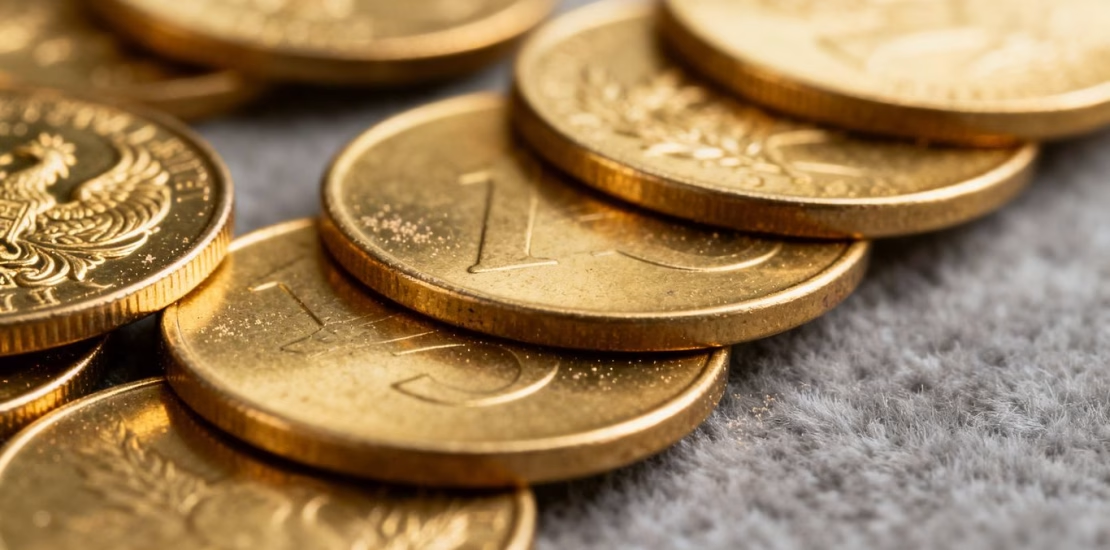
Do you have gold coins gathering dust in a drawer and wonder how to sell them for the best price? Whether you inherited a collection or simply want to part with some, this article is for you. We'll guide you through the important steps of selling your gold coins, from understanding their value to finding the right buyer. Follow this guide to maximize your profits.
Key Takeaways
- Accurately identifying your gold coins, noting their characteristics such as weight, purity, year of minting, obverse and reverse, is the first step to estimating their value.
- The state of preservation (quality) and rarity are determining factors for the price of your gold coins; a coin in perfect condition (SPL) will be more valuable.
- Choosing the right sales channel (numismatic firm, online sales, exchange) and properly preparing your coins (without cleaning them!) will help you get the best possible price.
Understanding the Value of Your Gold Coins
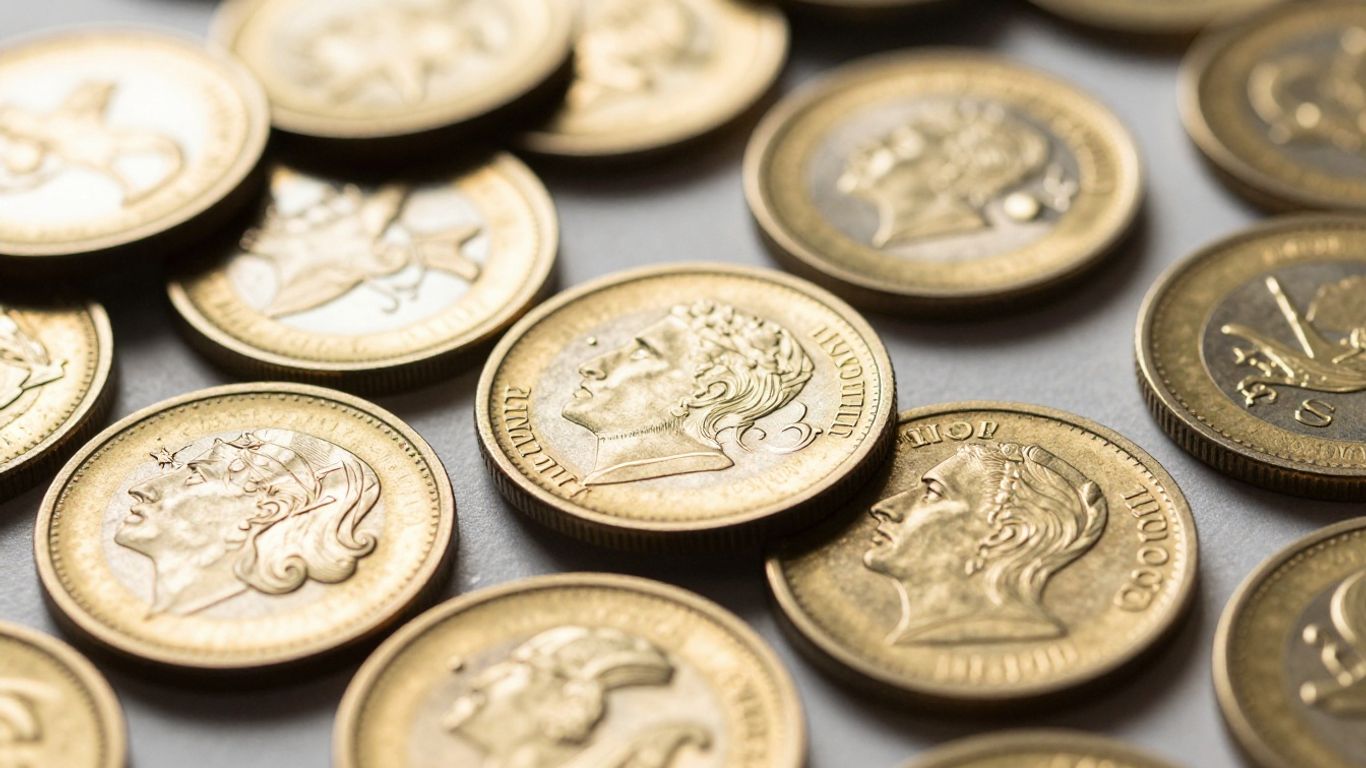
Before you even think about selling your gold coins, it's crucial to fully understand what you own. It's a bit like selling a classic car; you wouldn't list it for the same price as an old Twingo, would you? The same applies to gold coins, and several factors come into play when determining their true value.
To begin, you need to examine the details of each coin. Consider the obverse and reverse: what is depicted? Often, you'll find national symbols, portraits of sovereigns, or important dates. These elements tell a story and can influence collectors' interest. You should also note the coin's exact weight, its diameter, and especially its purity. This is often referred to as the fineness, expressed in thousandths (like 999,9‰ for pure gold) or in carats. A pure gold coin will not have the same value as an 18-karat gold coin, for example. Don't forget the year it was minted either; an older coin isn't necessarily more valuable, but it may have particular historical significance.
Key points to check:
- The metal and its purity This is the basis of value. Pure gold (999,9‰) is the most sought after.
- The weight Expressed in grams or ounces, it determines the quantity of gold.
- The year of striking It provides historical context and can indicate rarity.
- The designs (Obverse and Reverse) They may have cultural or historical significance.
- The slice Smooth, striated, or with inscriptions, it is part of the details.
The condition of your coin is a bit like a person's health. A coin that has seen a lot of circulation, with scratches, dents, or visible wear, will be worth less than a coin that looks brand new. This is what we call its state of preservation. Experts use scales to rate this, ranging from 'fair' to 'mint' (which means perfect condition, without any signs of circulation). The closer the condition is to mint, the higher the value. Rarity also plays a huge role. If only a few examples of a coin were minted, or if so few have survived to this day, its value can skyrocket, even if it's not in perfect condition. It's the law of supply and demand: the rarer and more sought-after something is, the more expensive it is.
The condition of a coin is often more important than its year of minting for its value. A rare but damaged coin may be worth less than a common coin in perfect condition. Therefore, honesty is key in your appraisal.
Here are some criteria for assessing the condition:
- The relief Is it still clearly marked or is it worn down?
- Legibility of the inscriptions Are the legends (the engraved texts) still clear?
- Bumps and scratches Has the room suffered any blows or scratches?
- The velvet of the strike This is the original finish of the piece. If it is still present, that's a good sign.
Strategies for selling your gold coins
Once you fully understand the value of your gold coins, it's time to consider selling them. This step requires some thought to ensure you get the best possible price. Don't rush; every decision counts.
Choosing the right sales channel
There are several ways to sell your parts, and the choice will depend on what you're looking for: speed, best price, or simplicity. Each method has its advantages and disadvantages.
- Online sale : Platforms like eBay or Delcampe allow you to reach a wide audience. This is convenient if you can't travel. However, be aware of the commissions charged on each sale and the need to write accurate descriptions with good photos.
- Numismatic fairs and exhibitions: These events are perfect for meeting other collectors and professionals. You can exhibit your pieces and speak directly with potential buyers. It's a great option if you enjoy interacting with people and want to connect with fellow enthusiasts.
- Numismatic firms and specialist dealers: These experts can provide a quick appraisal and direct purchase. They know the market well and can make you a fair offer, especially for rare or valuable items. Keep in mind that they take a commission, usually between 20% and 30%.
- Auction: For very valuable pieces, using an auction house can be an excellent solution to maximize the selling price, although this involves costs and a longer timeframe.
Choosing a sales channel is a strategic decision. Weigh the pros and cons of each option based on your priorities: speed, discretion, or profit maximization.
Prepare your pieces for sale
Before putting your items on the market, proper preparation can make all the difference. It's not about cleaning them at all costs, but rather about presenting them in their best light.
- Do not clean your parts yourself: Unless you're an expert, cleaning can damage the patina and diminish the piece's value. Leave it to the professionals or future buyers.
- Gather all the information: Have readily available details about the origin, year, metal, weight, purity, and any certifications you possess. The more precise information you provide, the more confident the buyer will be.
- Take quality photos: If you are selling online or sending photos to an expert, make sure they are clear, well lit, and clearly show all the details of the item, including any defects.
- Be realistic about the price: Do your research to find out the current value of your items. Seeking professional advice is often the best approach to avoid undervaluing or overvaluing your possessions.
Do you have gold coins to sell? It's a great way to make some extra money. There are several tips and tricks for selling them successfully and getting the best price. Be sure to research their current value. To help you with this, discover our advice on our website.
To conclude your gold coin selling adventure
There you have it, you now have all the information you need to sell your gold coins. Whether you inherited a collection or simply wish to part with it, remember the importance of properly appraising your treasures. Take the time to understand their history, condition, and true value. Don't hesitate to consult professionals if you have any doubts. Selling is also a way to pass on these pieces of history and allow other enthusiasts to discover them. Good luck with your endeavors!
Frequently Asked Questions
How can I tell if my gold coin has value?
To determine the value of your gold coin, carefully examine its characteristics. Consider its condition (whether it's damaged or not), its weight, its purity (how much gold it contains), and whether it's a rare coin. Sometimes, the year it was minted or the number of copies produced also plays a role. If you have any doubts, it's best to consult an expert or look at specialized catalogs.
Do I need to clean my coins before selling them?
Warning: Do not clean an item! Cleaning an item can decrease its value, as it can leave marks or damage its surface. Experts often prefer items in their original condition, even if they appear a little dull. If your item is very dirty, consult a professional before doing anything.
What is the best place to sell my gold coins?
To sell your gold coins, you have several options. You can visit a dealer specializing in antique coins (a numismatist), who can make you an offer. You can also try selling them online on auction sites, where you might get a better price if several people are interested. For very valuable collections, an auction house is sometimes the best solution.