
You've decided to invest in gold, an excellent choice for securing your assets. But be aware that how you store your gold is just as important as how you acquired it. Improper storage can not only damage your precious metals but also cause you to miss opportunities or, worse, expose you to unnecessary risks. This article will guide you to avoid common mistakes when storing gold.
Mistakes to avoid when storing gold
- Choosing a safe and suitable location is the first step in protecting your gold. Avoid easily accessible locations or those exposed to the elements.
- Don't neglect documentation and insurance. Keeping invoices and certificates, and considering specific insurance, are key points for security and resale.
- Understanding taxation, particularly for inherited gold, is essential to avoid unpleasant surprises when reselling.
Mistakes to avoid when storing your gold
Storing gold, whether coins or bars, requires careful attention to preserve its value and condition. Failing to give it serious consideration can lead to unpleasant surprises. Let's look at how to avoid the most common mistakes.
Choosing the right location for your precious metals
Where you store your gold is more important than you might think. A poor choice can expose your valuables to unnecessary risks. It's not just about hiding it, but about actively protecting it.
- Avoid extreme conditions: Humidity and temperature fluctuations are the enemies of gold. A damp basement or an overheated attic are very bad ideas. Gold can tarnish or even oxidize under unfavorable conditions.
- Consider physical security: Keeping a large amount of gold at home, even in a safe, carries risks. Theft is a major concern. If you have a substantial sum, consider safer solutions such as a bank safe deposit box or a specialized security company.
- Discretion is key: If you opt for home storage, choose a truly unexpected location. Obvious places like drawers or cupboards are the first to be searched in the event of a break-in. Think of hiding places that no one would even consider.
Storing your gold should not be an afterthought. A well-chosen location is the first line of defense against the loss or degradation of your investment.
Protect your gold coins and bars
Beyond location, how you handle and physically store your coins and ingots is crucial. The slightest negligence can impact their value.
- Use gloves and bags: When handling your coins or ingots, always wear cotton gloves. This prevents fingerprints, which can oxidize over time and leave permanent marks. For storage, high-quality sealed bags designed to prevent oxidation are ideal. They also protect against moisture.
- Don't clean your parts unnecessarily: It can be tempting to want to polish your gold coins, but this is a common mistake. Cleaning, especially with chemicals or abrasive pads, can scratch the surface, alter the patina, and consequently diminish the coin's numismatic or collectible value. If cleaning is absolutely necessary, do so extremely gently, using lukewarm water and a very soft cloth, and only if the coin has no particular value beyond its gold content.
- Avoid contact with other metals: Do not mix your gold coins with other metals, especially less precious ones. Some metals can react chemically with gold, causing stains or discoloration. Keep each type of precious metal separate.
Pitfalls to avoid when storing your gold
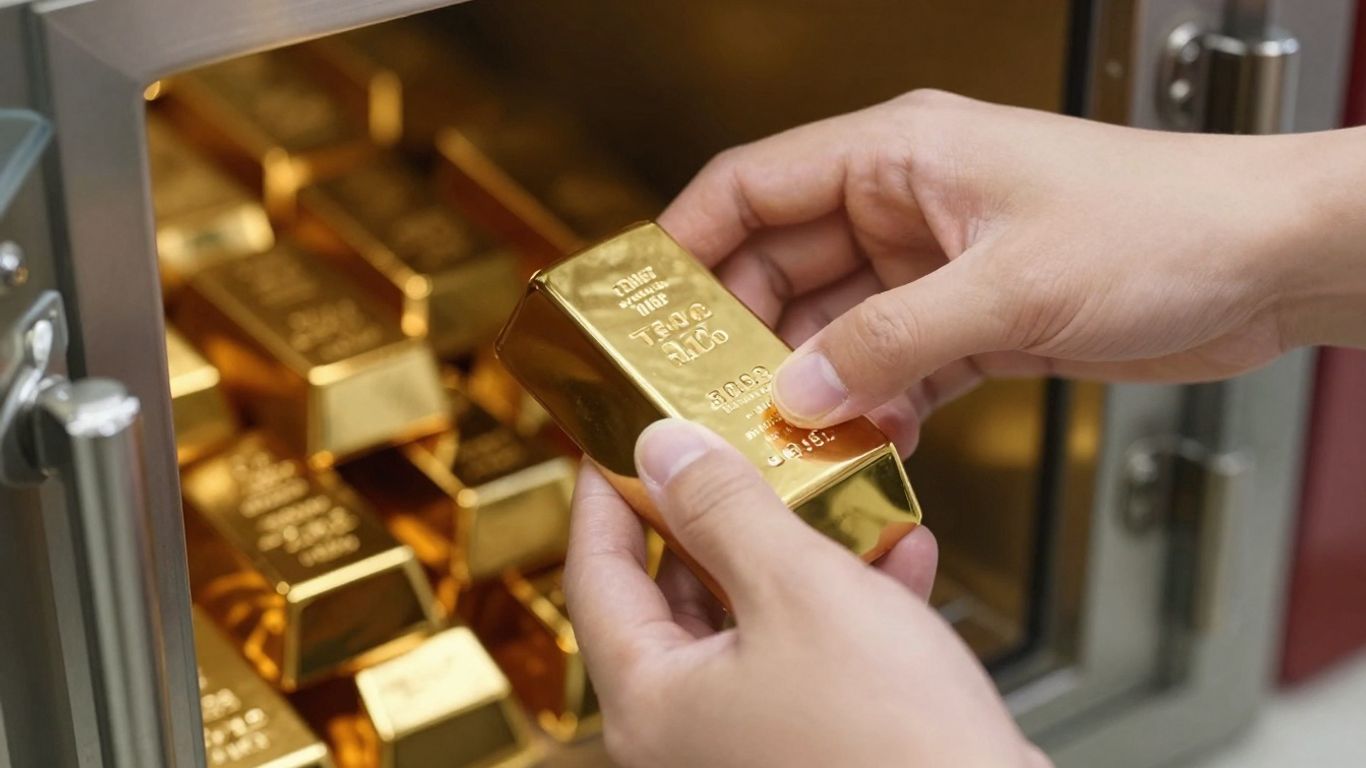
Storing gold, whether coins or bars, requires careful attention to avoid common pitfalls. It's a bit like taking care of a valuable object; you need to know what to do and, above all, what not to do.
Don't neglect the documentation and insurance.
It's a common mistake to think that gold is just gold and doesn't require any paperwork. But think again! Having all the necessary documents is crucial. This includes purchase invoices, certificates of authenticity, and even documents proving the origin of your gold, especially if you inherited it or received it as a gift. These documents serve as proof of ownership and can be useful for tax purposes or if you decide to sell. Think of them as your gold's identity card. Without them, things can get complicated.
- Keep your purchase invoices. They prove the price at which you acquired your gold.
- Keep the certificates of authenticity. They guarantee the quality and purity of your coins or ingots.
- Document the origin of your gold. Especially for inherited assets, this can have an impact on taxation.
And what about insurance? If you have a significant amount of gold, it's wise to check if your home insurance covers this type of asset in case of theft or damage. Sometimes, you'll need to take out additional coverage. Don't leave your valuables unprotected.
It's easy to underestimate the importance of documentation. Yet, it's key to proving ownership of your gold and to smoothly managing tax matters, especially during inheritance. Don't neglect it.
Understanding the Taxation of Inherited Gold
Inherited gold is a bit like a family treasure, but it comes with its own set of rules, especially regarding taxes. In France, when you inherit gold, it's considered movable property and becomes part of the estate. This means it can be subject to inheritance tax. Fortunately, there are exceptions: the surviving spouse and civil partner are generally exempt. For other heirs, there are allowances, but be aware that the remaining portion is taxed progressively. It's therefore highly advisable to thoroughly research the relevant tax laws. specific tax rules that apply to your situation. Ignoring these details can lead to unpleasant surprises. If you have any doubts, consulting a wealth management professional is an excellent idea to optimize the transfer of this inheritance.
Storing your gold is important, but beware of mistakes that could devalue it! There are simple tips to keep your precious metal in good condition and worry-free. Don't let small errors ruin your investment. To find out how How to best protect your gold and avoid common pitfalls, visit our website today!
In conclusion: your gold, well kept, well valued
So, now you know what to do and, more importantly, what not to do when storing your gold. It's not that complicated in the end, but it does require a little attention. Think about it carefully, because your gold is a bit like a member of the family; you have to take care of it so that it retains its value. So, make the right choices to ensure your investment remains sound, year after year. We wish you all the best!
Frequently Asked Questions
Where is it safest to keep my gold?
For peace of mind, it's best not to keep all your gold at home. Consider a safe deposit box at a bank or with a company specializing in the safekeeping of valuables. These places are extremely secure and protect you against theft.
Do I need to clean my gold coins and bars?
In general, it's best to avoid cleaning your gold coins and bars. If you rub them too hard or use unsuitable products, you risk damaging them and lowering their value. If you absolutely must clean them, use a very soft cloth and lukewarm water with a little mild soap.
Why is it important to keep my gold papers?
Keeping your invoices and certificates of authenticity for your gold is super important! These documents prove you are the rightful owner and can help you sell your gold more easily and for a better price. It's like having your treasure's identity card!