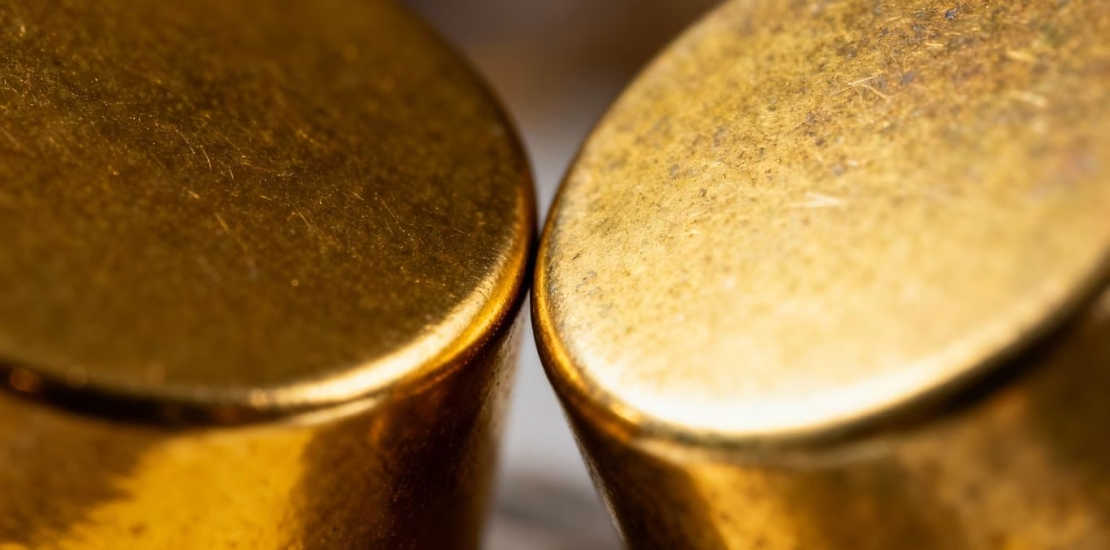
Do you have an object that looks like gold, but you're not sure what it really is? It's easy to mistake gold for brass, as both metals have an attractive yellow color. But don't worry, knowing how to tell the difference between gold and brass is simpler than you think. Follow these few steps to identify the precious metal.
Key Takeaways
- Observe the color and luster carefully: gold generally has a deeper shine and a richer yellow hue than brass.
- Assess the weight and density: gold is significantly heavier than brass of equal volume, a difference you can often feel.
- Check for tarnish or oxidation: pure gold does not tarnish, while brass may show signs of discoloration over time.
Identify the visual and tactile differences
It's not always easy to distinguish between gold and brass at first glance. However, if you take the time to observe carefully, you can often eliminate any doubt before even resorting to more in-depth tests.
Observe the color and the sheen
- Gold displays an intense, brilliant, and quite unique yellow, while brass often tends toward a greener or duller yellow. If you place two objects side by side under good lighting, you should be able to see the difference in hue, especially if you've ever seen pure gold.
- The luster also differs: gold seems to shine from within, with a warm light, while brass will have more of a metallic but cooler and less deep reflection.
- If the object bears a mark or hallmark indicating 18K, 750, 14K, etc., this is a strong indication that it is gold. Brass generally has neither a carat nor this purity indicated, but it may nevertheless bear the word "brass" or "brass" discreetly stamped on it.
| Métal | Colour | Chandelier | Marking/punching |
|---|---|---|---|
| Or | Deep yellow | Very bright, warm | 10K, 14K, 18K… |
| Brass | Pale yellow/greenish | Rather dull, colder | "brass" |
Note that the color can vary depending on the gold alloy, so also check the other indicators!
Evaluate the weight and density
Here's a super simple trick: hold both objects in your hands. Gold, even at comparable sizes, will feel much heavier than brass. It's one of the few metals where this difference in density is immediately noticeable.
- Gold has a very high density (approximately 19,3 g/cm³), while brass is rather between 8,5 and 8,7 g/cm³.
- If you have a small scale and a way to measure volume (by water displacement, for example), you can calculate the density and quickly decide. But often, touch alone is enough.
- Roll the object in your palm: gold gives the feeling of a surprising weight for a small volume, which is not at all the case with brass.
| Métal | Density (g/cm³) |
|---|---|
| Or | ~ 19,3 |
| Brass | ~ 8,5 - 8,7 |
In general, if you find the object "lighter than expected", there is a good chance that it is brass, especially for massive objects with a golden appearance.
- Compare the sensation when lifting the object.
- If possible, weigh it and compare its size to a real piece of jewelry or a gold ingot.
- Take note of any obvious difference in heaviness: it is often very revealing.
Many people are surprised the first time they pick up a real solid gold jewel, how heavy it is compared to its modest appearance.
Testing the physical and chemical properties
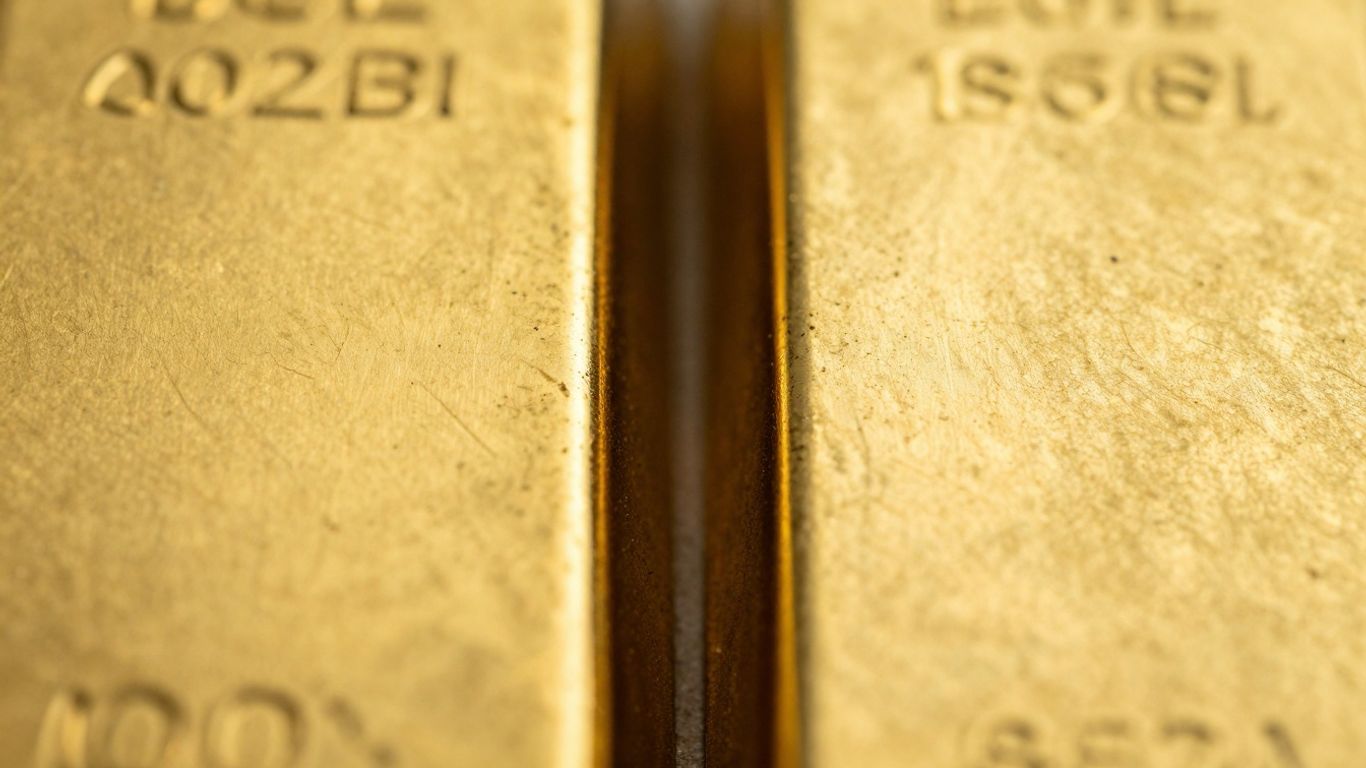
Beyond visual appearance, there are more advanced tests to distinguish gold from brass. These methods rely on the fundamental differences in their properties.
Check for tarnish or oxidation
Gold, as everyone knows, doesn't tarnish. This is one of its most prized qualities. Brass, on the other hand, is an alloy of copper and zinc, and like copper, it can react with air. This reaction is oxidation, and it manifests as discoloration, a dull appearance, or even a greenish tint in some areas. If you notice areas that seem to have lost their luster or that display a different hue, there's a good chance it's brass. However, be aware that the absence of tarnish doesn't guarantee 100% that it's gold, as a gold alloy can also show signs of wear, but the presence of oxidation is a near-certain indicator of brass.
It's always safer to perform this type of test on an inconspicuous part of the object. Look for an edge, the underside, or an area that will be hidden anyway once the object is used. This prevents damage to the overall appearance if you make a mistake or if the test is a little too aggressive.
Use hardness and marking tests
Gold is a relatively soft metal, especially if it's pure (24 karat). Brass, being an alloy, is generally harder. A simple trick is to gently rub the metal on an unglazed ceramic surface, such as the underside of a plate or tile. Gold will leave a golden mark, while brass will leave a black one. This is a fairly revealing test.
It's important to note that the hardness of gold can vary depending on its alloy. Pure gold is very soft, but gold alloyed with other metals to make it more durable (as in jewelry) will be harder. However, it will generally remain less hard than brass.
Another, more technical method involves using specific acids to test the metal's reaction. Applying a small drop of acid to an inconspicuous area can reveal the metal's nature. Brass will react, often with effervescence or discoloration of the affected area. Gold, however, should not react to these acids. If you are unsure or if the object has significant value, it is always best to consult a professional who can perform these tests safely.
To determine if your gold is genuine, it needs to be tested. We can verify its physical and chemical properties for you. This is an important step in understanding the true value of your precious metal. Discover how we perform these tests on our website!
So, shall we recap?
There you have it, you now have a few tips to avoid being fooled by the difference between gold and brass. It's true that it can be a little confusing at first, especially if you're not the type to examine every detail. But with a little attention to the color, the weight, and by looking for small hallmarks, you should be able to tell the difference more easily. And if you're still unsure, remember that a professional is always there to help you. Don't panic, you'll soon become an expert at telling the difference!
Frequently Asked Questions
How can you tell if an object is gold or brass just by looking at it?
To distinguish gold from brass by eye, carefully observe their color and luster. Gold has a deeper yellow hue and a brighter sheen. Brass, on the other hand, often appears somewhat duller. Consider comparing them in good lighting to clearly see the differences.
Do gold and brass have the same weight?
No, gold is much denser than brass. If you take two objects of the same size, one gold and the other brass, the gold one will feel noticeably heavier in your hand. This is a significant difference that helps tell them apart.
Can brass become tarnished like gold?
Pure gold doesn't tarnish; that's one of its qualities. Brass, on the other hand, can react with air and oxidize, giving it a dull or discolored appearance. If you see areas that have lost their shine or changed color, there's a good chance it's brass.