Are you wondering how to invest in gold without risk? That's an excellent question, as gold has always been seen as a safe investment, especially in times of economic uncertainty. But be careful, 'without risk' doesn't mean there are no precautions to take. You need to fully understand the different options available to you and the specific characteristics of each. This article will guide you so you can make informed choices and best protect your assets.
Key points
- Physical gold, in the form of bars or coins, is a recognized safe-haven asset. However, it requires special attention regarding its storage and security.
- Alternatives such as ETFs or mining shares allow you to invest in gold without physically owning it, but they involve other types of risks and fees.
- For a successful investment, it is important to assess the volatility of gold, understand its liquidity and choose the format (bar or coin) best suited to your objectives.
Understanding the different forms of investing in gold
When we think about investing in gold, we often picture shiny ingots or antique coins. And it's true, that's part of the story! But the world of gold investing has expanded considerably. It's important to know that there are several ways to invest your money in this precious metal, each with its own advantages and disadvantages. Understanding these differences is the first step to making an informed and risk-free choice.
Physical gold: bullion bars and investment coins
This is the most direct method. You buy gold that you can touch, see, and most importantly, own. We're talking about two main forms here:
- Ingots and ingots: These are blocks of pure gold, usually certified by reputable refiners. They come in a wide range of weights, from small 1-gram bars to large bars weighing several kilograms. The choice of weight will depend on your budget and objectives. Smaller bars are more affordable for beginners or as gifts, while larger bars can be more cost-effective for larger purchases.
- Investment coins: These are coins minted by states, containing a defined and internationally recognized quantity of gold. Famous examples include the French Napoleon, the South African Krugerrand, and the Canadian Maple Leaf. They have the advantage of often being easier to resell than gold bars because they are well-known and in high demand.
Physical gold has the advantage of being a tangible asset, a classic safe haven that can provide reassurance during times of uncertainty. However, you must consider its secure storage (safe, bank) and the associated costs (insurance, storage).
Alternatives to physical gold: ETFs and mining stocks
If you prefer a more modern and less restrictive approach in terms of storage, there are indirect options:
- Gold-backed ETFs (Exchange Traded Funds): These are exchange-traded funds that track the price of gold. By buying a share of an ETF, you invest in the performance of the precious metal without having to physically own it. It's a very liquid solution and easy to manage through a standard brokerage account. The drawback is that you are dependent on market performance and the fund's management fees.
- Mining company shares: You can invest in companies that mine gold. Their performance is linked not only to the price of gold, but also to their own management, their extraction capacity, and the discovery of new deposits. This is a potentially more profitable investment, but also a riskier one, as it combines the risk of the gold price with the specific risk of each company.
Choosing between physical gold and these alternatives really depends on what you're looking for: the tangible security of owning gold, or the simplicity and liquidity of the financial markets. There's no single right answer, just the one that best suits your situation.
Choosing the right format for investing in gold
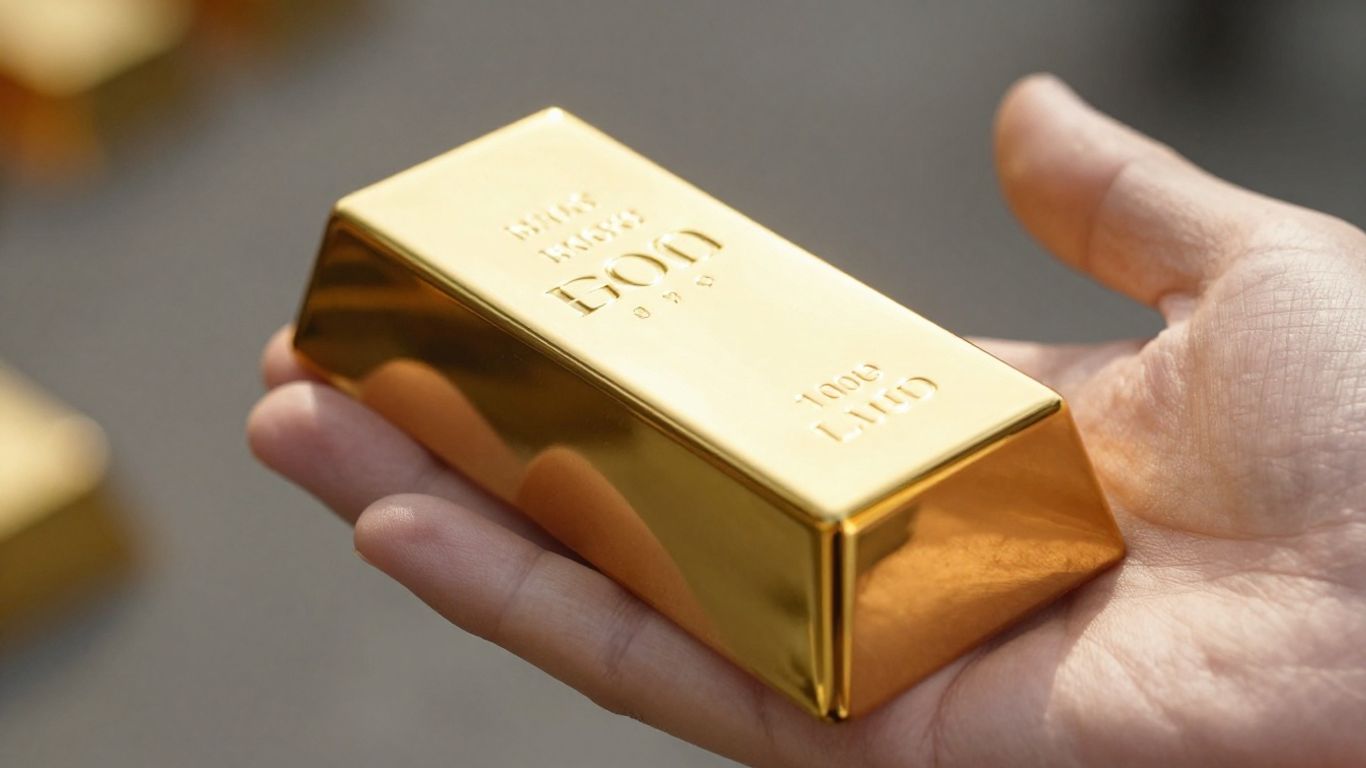
So, you've decided to take your first steps into the world of gold, which is an excellent way to diversify your assets. But gold comes in many different forms, and you need to choose the one that suits you best. It's a bit like choosing between a new or used car; each option has its advantages and disadvantages.
Gold bars: a strategic choice to secure your assets
If you're thinking long-term and truly want something tangible in your hands, gold bars are the ideal solution. Think of them as a solid store of value, a bit like a personal safe. They come in all sizes, from a small 1-gram bar to a large 1-kilogram bar. To start, sizes like 50g or 100g are often a good compromise. They're easier to store and resell than very large bars, while also offering a better price per gram than the smallest sizes.
- Accessibility: You can start with small ingots; there's no need to have thousands of euros all at once. It's perfect for buying little by little.
- Security: A certified gold bar guarantees you have pure gold. Look for those that come with a certificate of authenticity; it's extremely important for resale.
- Storage: You'll need to think about where to keep it safe. A safe at home, a bank safe deposit box – it's up to you to decide what makes you feel most secure.
Buying gold bars is a bit like building a wall, brick by brick. Each bar added strengthens your assets and gives you added peace of mind in the face of economic uncertainties.
Gold coins: a historic and liquid investment
Gold coins are a different story. They have historical value, and some are even true collector's items. Think of Napoleons, Sovereigns, or Krugerrands. The advantage is that they are often easier to resell than gold bars because they are well-known and in demand. It's a bit like owning collectible currency that appreciates in value.
- Liquidity: Investment coins are generally easier to trade on the market. If you need to sell quickly, this is an advantage.
- Diversity : There's an incredible variety of coins, some with a premium due to their rarity or history. That can make investing a bit more fun.
- Acknowledgement : The most common investment coins are recognized worldwide, which facilitates their resale, even abroad.
The choice between bars and coins really depends on what you're looking for: the purity and simplicity of a bar, or the historical significance and ease of transaction of a coin. Take the time to compare prices, premiums, and fees before making your decision. It's your money, so it might as well work well for you!
Precautions for a successful gold investment
Investing in gold is good, but doing it safely is even better. There are a few points to keep in mind to ensure your investment is truly worry-free.
Assessing the volatility and liquidity of gold
Gold, as they say, is a safe haven asset. This means that in times of crisis, when markets are in turmoil, gold tends to hold its own, or even rise. But be careful, it's not a perfectly straight line. The price of gold can still go on a rollercoaster, sometimes falling faster than rising, especially after reaching its peak. So you have to be prepared for that and not panic if the price dips a little. It's a bit like the tide; it rises and falls.
As for liquidity, that's pretty good news. Gold, whether in the form of bars, coins, or even ETFs, is quite easy to resell. It's a bit like cash; you can convert it into currency fairly quickly if you need it. However, you have to consider the taxes that apply to resale, as these can significantly impact your final profit. It's therefore essential to anticipate these fees to avoid any unpleasant surprises.
Secure the storage of your physical gold
If you've chosen to invest in physical gold, such as bars or coins, the question of storage becomes extremely important. You can't just leave it lying around anywhere!
Here are some tips for properly storing your gold:
- At home : If you choose this option, you'll need a sturdy, well-anchored safe, and ideally, specific insurance to cover theft or damage. Also, be discreet; don't tell everyone you have gold at home.
- In bank safe: It's a more secure option because the bank has robust security systems. However, it has an annual cost, and you don't have immediate access to your gold; you have to go through the bank.
- From specialist companies: There are companies that offer secure storage services for precious metals. They often have ultra-secure warehouses and appropriate insurance coverage. It's a good alternative if you want to delegate the security.
No matter which solution you choose, it's always wise to diversify. Don't put all your gold in one place. And remember to regularly check that your security systems are still working properly and that your insurance is up to date. Vigilance is key to ensuring your investment remains sound.
To ensure your gold purchase goes smoothly, there are a few important points to know. It's not just about grabbing the first gold bar you see! You need to do your research to make the best choice and avoid unpleasant surprises. Remember to check the gold's purity and compare prices. It's a bit like choosing a good video game: you should read reviews before buying it. If you want clear and simple advice on how to invest wisely, our site is here to help. Come and discover how to make a smart and risk-free gold purchase!
So, ready to take the plunge?
There you have it, you now have all the information you need to invest in gold, without necessarily taking undue risks. Whether you opt for small ingots of a few grams or larger coins, the important thing is to fully understand what you're doing. Remember to compare prices, choose reliable sellers, and above all, don't put all your eggs in one basket. Gold is good, but diversification is even better for peace of mind. So go ahead, but do it wisely!
Frequently Asked Questions
Is gold really risk-free?
Gold is often seen as a safe investment, especially during times of global economic downturn. It tends to maintain, or even increase, its value when other investments decline. However, its price can still fluctuate. Therefore, it's more accurate to say it's less risky than other assets, but not entirely risk-free. Diversifying your portfolio—that is, not putting all your eggs in one basket—is always a wise strategy.
How to choose between a gold bar and a gold coin?
It's a bit like choosing between buying one large package of something or several small ones. Gold bars, especially larger ones, often have a better price per gram, which is good if you want to invest a significant sum and plan to hold the gold for a long time. Coins, on the other hand, are often easier to resell in small quantities and can have historical or collector value that adds to the value of the gold itself. To begin with, small coins or small bars are often more practical.
Where can I keep my gold safely?
This is a really important question! You can keep it at home in a sturdy safe, but you need to think about insurance. Another option is to entrust it to a bank vault or to companies specializing in the safekeeping of precious metals. These latter options are often more secure, but they come at a cost. The most important thing is that you feel safe and secure with the place where you choose to store it.