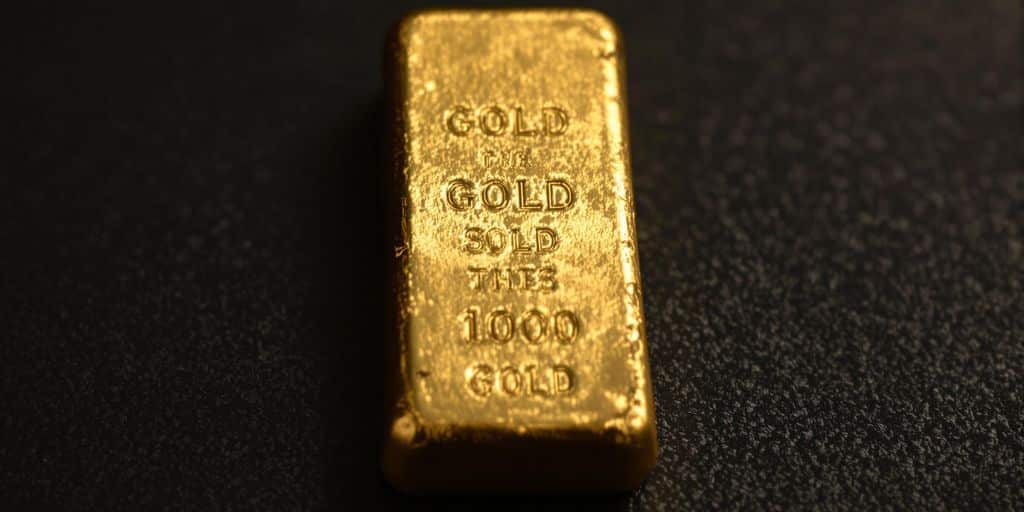
Do you have an old gold bar lying around and are wondering how much it's really worth? It's not always easy to know, especially with antique bars. There are quite a few things to look at to get a fair idea of its value. We're going to try to break it all down together so you can best estimate your treasure. Hold on tight, we're going to see how to estimate the true value of an antique gold bar.
Key Takeaways
- The value of an antique gold bar depends primarily on its weight and purity. The heavier and purer it is, the more valuable it is.
- Le gold price changes all the time. You have to look at market prices to get a fair estimate.
- An ingot without a certificate or with unusual markings is risky. Professional authentication is an important step.
- The physical condition of the ingot and the costs associated with the sale can influence the final price. A damaged ingot may be worth less.
- Beware of counterfeits! Always have an ingot inspected by an expert before buying or selling.
Understanding the fundamental characteristics of an antique gold bar
Weight and purity: essential criteria
When it comes to antique gold bars, weight and purity are really the two most important things to look at. It's a bit like when you buy a used car, you check the engine and the mileage. For gold, it's the same, but more precious. Weight, usually expressed in grams or troy ounces, directly influences value. The heavier it is, the more expensive it is, which makes sense. Purity is measured in carats. A gold bar pure gold (24 carats) is obviously more sought after than an ingot with alloys. It's like comparing a pure diamond to one with inclusions.
The importance of the serial number and the founder
The serial number is a bit like the ingot's identity card. Each ingot has a unique number that allows it to be traced and its authenticity verified. This is extremely important, especially for antique ingots, because it allows us to trace its origin and ensure that it hasn't been tampered with. The founder's name is a bit like the artist's signature. Some founders are more renowned than others, and this can influence the ingot's value. It's like collecting watches; a Patek Philippe will be more valuable than a less prestigious brand.
The role of the certificate of authenticity
The certificate of authenticity is proof that the ingot is what it claims to be. It's a document that lists all the characteristics of the ingot: its weight, purity, serial number, the name of the foundry, etc. It's a bit like having the papers for a car; it proves that you are the owner and that everything is in order. Without a certificate, it's much more difficult to prove the value of an ingot, and it can even make it impossible to sell.
Imagine buying a masterpiece without a certificate of authenticity. You could end up with a worthless copy. It's the same with gold bars; the certificate is your guarantee.
Here are some key elements typically found on a certificate of authenticity:
- The exact weight of the ingot
- The purity level of gold (expressed in thousandths, such as 999.9)
- The unique serial number
- The stamp and signature of the certifying body
The impact of gold price on real value
The price of gold is a bit like the weather: it changes all the time! And inevitably, this has a direct impact on the value of your gold bar, especially if it's old. Imagine, you have a gold bar you inherited from your grandfather. Its sentimental value is inestimable, but its real value—the one you're interested in if you want to sell or insure it—is closely linked to the current price of gold. The higher the price, the more your ingot is worth. It's that simple.
How is the price of gold determined?
The price of gold is somewhat the result of a large global auction that takes place constantly. Supply and demand are the basis. The more people who want to buy gold, the higher the price, and vice versa. But that's not all. Major stock exchanges, such as those in London or New York, play a huge role. They serve as a meeting place for buyers and sellers, and it is there that reference prices are set. These prices are expressed in US dollars per troy ounce (approximately 31,1 grams). It is also important to know that the gold price may vary depending on its purity (the number of carats).
Factors influencing market fluctuations
The gold market is a bit like a rough sea. There are many factors that can make the waves, that is, the price of gold, rise or fall. Interest rates, for example, have an impact. When rates are low, gold becomes more attractive because it doesn't pay interest, but it retains its value. So do the monetary policies of central banks. If a central bank prints a lot of money, it can create inflation, and gold is often considered a safe haven during times of inflation. Geopolitical events, such as wars or political crises, can also cause the price of gold to rise, as investors seek protection. Finally, physical demand for gold, particularly for jewelry or industry, also plays a role.
Gold is often seen as a safe haven in times of economic uncertainty. Investors turn to it to protect their capital when stock markets are unstable or currencies are weak. It's a bit like insurance against financial turmoil.
Use reference quotes for a fair estimate
To estimate the value of your antique gold bar, it's not enough to look at the first price you find. You need to use reference quotations. These quotations are published by major exchanges and are updated in real time. You can easily find them online, on specialized websites, or on the websites of precious metals brokers. Once you have the gold quote, you need to multiply it by the weight of your bar (in troy ounces) and its purity level. Don't forget to factor in any fees, such as broker commissions or taxes. Here's a simplified example:
- Gold price: 2000 € per troy ounce
- Ingot weight: 10 troy ounces
- Purity: 99,99% (pure gold)
Gross value of the ingot: €2000/ounce x 10 ounces = €20
Of course, this is only an estimate. The actual value may vary depending on the condition of the bar, its rarity, and market demand. But it already gives you a good idea of the price you can expect.
Authentication and traceability of ancient ingots
Why authentication is crucial
Authenticating an antique gold bar is essential for several reasons. It guarantees that the ingot is indeed gold, that it has the announced grade, and that it is not a counterfeit. Without authentication, it's impossible to determine the bar's true value, and the buyer is taking a considerable risk. Imagine buying what you think is a gold bar, only to later discover it's worthless! That's why this step is absolutely essential. Furthermore, authentication allows you to trace the bar's history, which can add value, especially if it belonged to a historical figure or came from a famous mine.
Recognized certification bodies
There are several recognized certification bodies worldwide. These organizations employ experts who use advanced techniques to verify the authenticity and purity of bullion. Some of the most well-known include:
- The London Bullion Market Association (LBMA): This is one of the world's leading gold certification bodies. LBMA-certified bars are recognized and accepted worldwide.
- The Professional Coin Grading Service (PCGS) and the Numismatic Guaranty Corporation (NGC): Although specialized in coins, these organizations can also certify bullion, particularly those of numismatic interest.
- Independent analytical laboratories: These laboratories use techniques such as spectrometry to determine the exact composition of the ingot.
Having an ingot certified by one of these organizations can increase its value and facilitate its sale. It's an investment that can prove profitable. Don't hesitate to contact one precious metals expert to guide you through this process.
Identify historical marks and hallmarks
Antique gold bars often bear marks and hallmarks that can reveal their origin and history. These marks may include:
- The name of the smelter or refiner: These marks identify the company that produced the ingot.
- Serial number: Each ingot has a unique number that allows it to be traced.
- The titration: Indicates the purity of the gold (for example, 999.9 for pure gold).
- Assayer's Marks: These marks guarantee that the ingot has been tested and meets purity standards.
It's important to know that the absence of these markings doesn't necessarily mean the ingot is fake. Some antique ingots were produced without all of these markings. However, the presence of authentic markings is a positive sign. It's therefore important to be familiar with them and know how to interpret them. A quality magnifying glass can be a valuable tool for examining these details.
Here is a summary table of the information that can be found on an ingot:
| Information | Utilité AND FINALLY, THE CONTENT FOR THE WEBPAGE:
Why authentication is crucial
Authenticating an antique gold bar is a bit like verifying someone's identity before sharing a secret with them. It's a guarantee that what you have in your hands is what you think it is. Without this verification, you could very well end up with a simple, worthless block of metal instead of a valuable investment. This is especially important when it comes to antique ingots, as they often have a history and specific characteristics that can influence their value. Authentication also ensures that the ingot meets the stated purity standards. In short, it's a step that shouldn't be overlooked.
Recognized certification bodies
To ensure the authenticity of your ingot, it's best to use recognized certification bodies. These organizations have the expertise and tools necessary to verify the composition and origin of the ingot. Some of the best-known include:
- LBMA (London Bullion Market Association): This is a sort of quality label for gold bars. LBMA-certified bars are accepted worldwide.
- Specialized analysis laboratories: These laboratories use techniques such as spectrometry to determine the exact composition of the metal.
- Some numismatic experts: They can authenticate old ingots that are of historical or collectible interest.
Getting your bullion certified may be costly, but it's an investment that can save you a lot of hassle. Plus, a certified bullion will be easier to sell and will have a higher value. If you're considering a inheritance sharing, this step is all the more important.
Identify historical marks and hallmarks
An antique gold bar often bears marks and hallmarks that tell its story. These marks may indicate:
- The name of the founder: This is the company that manufactured the ingot.
- Serial number: Each ingot has a unique number that allows it to be traced.
- The titration: It indicates the purity of the gold (for example, 999.9 for pure gold).
- Assayer's marks: These guarantee that the ingot has been tested and meets purity standards.
These marks can be difficult to identify, especially if they're old or worn. That's why it's often necessary to hire an expert to decipher them. But once identified, these marks can provide valuable information about the ingot's origin and value. It's a bit like cracking a secret code that reveals the history of your ingot.
It's important to know that the absence of certain markings doesn't necessarily mean the ingot is fake. Some antique ingots were produced without all of these markings. However, the presence of authentic markings is a positive sign. It's a bit like having clues that confirm the authenticity of your ingot. The more clues you have, the more certain you can be of its value.
Additional elements that influence value
The state of conservation of the ingot
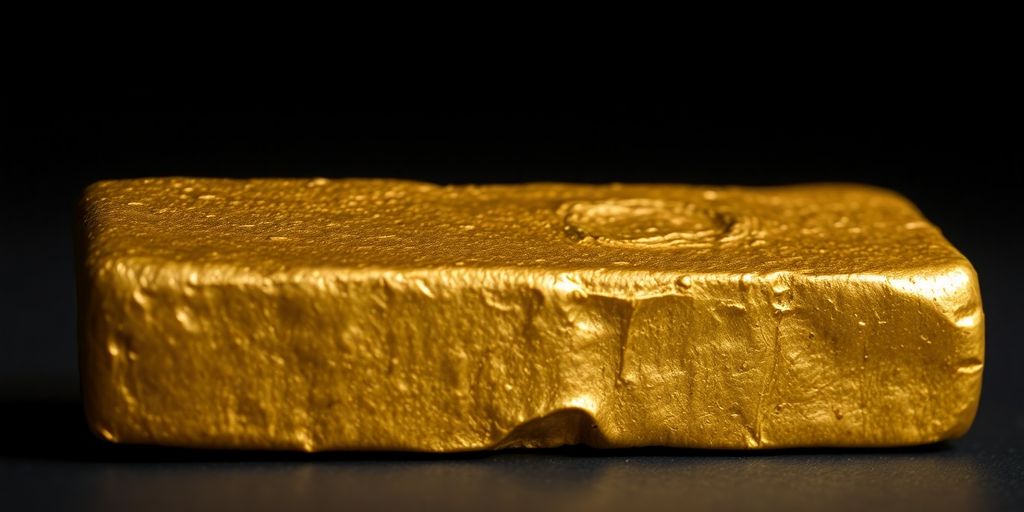
The condition of an antique gold bar is a bit like the condition of a classic car: it matters a lot. An ingot in perfect condition, without scratches or significant marks, will be worth much more than a damaged ingot. Imagine two bars of identical weight and purity, but one has been kept in a vault, safe from attack, while the other has been sitting in an attic for decades. The price difference can be astonishing. Collectors are willing to pay a premium for a bar that has survived unscathed. It's a bit like buying a rare book: condition makes all the difference.
Additional costs to consider (brokerage, taxes, transport)
When discussing the value of a gold bar, we must not forget all the costs that are added to the price of the gold itself. We tend to focus on the price of gold, but there are other factors to consider. For example:
- Brokerage fees: If you buy or sell your bullion through an intermediary, they'll charge a commission. This can vary quite a bit from one broker to another, so it's important to shop around.
- Taxes: In France, there is a tax on the sale of precious metals. It is 36,2% on the capital gain, but there is a 5% annual reduction starting from the third year of ownership. This is good to know for calculate your capital gain !
- Shipping and insurance costs: If you need to transport your ingot, you'll need to factor in costs to secure and insure it. You can't send an ingot through the post like a regular letter.
It's important to accurately calculate all these costs to get a clear idea of the true value of your bullion. Otherwise, you risk unpleasant surprises at the time of the transaction.
The importance of original seals
Original seals are a bit like the Holy Grail for an antique gold bar. If your bar is still in its original packaging, with the seal intact, its value can skyrocket. Why? Because it guarantees that the bar has not been tampered with, is in its original condition, and that its weight and purity match the certificate. It's a guarantee of authenticity and quality. Imagine a gold bar Sealed for decades, never opened: it's a bit like a time capsule. Collectors are willing to pay a lot for it. On the other hand, if the seal is broken, the value of the bar can drop, even if the gold is still there. It's a bit like buying a bottle of rare wine with a broken cork: it loses its value, even if the wine is still good.
Avoiding traps and counterfeits
Purchasing an antique gold bar can be a wise investment, but it's imperative to remain vigilant against the risks of counterfeiting and other scams. A thorough understanding of verification techniques and precautions is essential to secure your investment.
Recognizing fake ingots and alloys
Identifying a fake gold bar requires careful attention. The first step is to check the certificate of authenticity, if it is available. However, even with a certificate, it is crucial to conduct additional checks. Here are some points to consider:
- Weight and dimensions: A fake ingot may have slightly different dimensions or an incorrect weight compared to standard specifications. Use a precision scale and caliper to compare with official data.
- The markings: Carefully examine the foundry markings, serial number, and purity mark. Minting errors, irregularities, or missing markings are red flags.
- The magnet test: Gold is not magnetic. If a bar is attracted to a magnet, it most likely contains another metal.
- The density test: Gold has a very high density. Measure the volume of the ingot by submerging it in a measuring jug filled with water, then divide the weight by the volume. Compare the result with the density of pure gold (19,3 g/cm³). A significantly different result indicates an alloy or counterfeit.
It's important to note that some fake bars are made from tungsten, a metal with a density close to that of gold. These counterfeits are particularly difficult to detect without specialized equipment.
Risks of buying without a certificate
The lack of a certificate of authenticity significantly increases the risk of acquiring a fake ingot. Without this document, it is difficult to verify the origin, purity, and exact weight of the ingot. Although it is possible to sell ingots without a certificate, this can impact the price. Here are some major risks:
- Difficulty in reselling: Potential buyers will be reluctant to acquire a bar without a certificate, which significantly reduces its liquidity.
- Undervaluation: Even if the ingot is authentic, its lack of certification may lead to its value being underestimated by professionals.
- Risk of counterfeiting: Without proof of authenticity, it is impossible to guarantee that the ingot is pure gold and not an alloy or a counterfeit.
The importance of consulting an expert
Given the complexity of authenticating antique gold bars, it is strongly recommended that you consult a numismatic expert or a professional specializing in precious metals. These experts have the experience and equipment necessary to conduct in-depth analyses and detect even the most sophisticated counterfeits. They can perform non-destructive tests, such as X-ray fluorescence spectrometry, to determine the bar's exact composition without damaging it. In addition, they can advise you on the bar's true value and help you avoid market pitfalls. Hiring an expert is a wise investment to secure your purchase and avoid significant financial losses.
The different sizes and their implications on value
From ingots to 12,5 kg ingots
Gold, the precious metal, comes in a variety of forms, ranging from modest ingots to imposing 12,5 kg bars. This diversity in size is not insignificant and directly influences the value and accessibility of the investment. Ingots, often ranging from 1 gram to 100 grams, are prized for their more affordable entry price, making them accessible to a wider range of investors. At the other end of the spectrum, 12,5 kg bars, also known as "Good Delivery" bars, are primarily used by central banks and institutional investors. Between these two extremes, there are a variety of intermediate sizes, such as 1 ounce (31,10 grams), 50 grams, 100 grams, 250 grams, 500 grams, and 1 kg bars, each with its own advantages and disadvantages in terms of price, liquidity, and ease of storage.
The impact of size on liquidity
The size of a gold bar has a direct impact on its liquidity, that is, how easily it can be converted into cash without significant loss of value. Smaller bars, such as ingots, are generally more liquid than larger bars. It's easier to find a buyer for a small bar because the outlay is lower. Additionally, small bars can sell more quickly because they're easier to transport and store. Large bars, on the other hand, can be harder to sell quickly because they require a buyer with a large amount of cash. However, they can command a better price per gram because manufacturing and transaction costs are spread over a larger quantity of gold. Therefore, it's important to consider the desired liquidity when choosing the size of a gold bar.
Choosing the right size for your investment
Choosing the size of a gold bar should be tailored to your investor profile and financial goals. Several factors should be considered:
- Available budget: Smaller bars are more accessible to investors on a limited budget.
- Investment objectives: If the goal is to diversify your portfolio and protect against inflation, small bars may be sufficient. If the goal is to make a significant long-term investment, large bars may be more appropriate.
- Investment horizon: If the investor plans to sell their gold in the short term, smaller bars are more liquid. If the investor plans to hold their gold for the long term, the bar size is smaller.
- Ease of storage: Small ingots are easier to store than large ingots.
- Risk tolerance: Small ingots allow you to split your investment and limit risks. gold coins can also be a good alternative.
It's important to note that the price per gram can vary depending on the size of the bar. Smaller bars often have a higher price per gram than larger bars due to manufacturing and distribution costs. Therefore, it's advisable to shop around before making your choice.
The market for old gold bars in France
The antique gold bullion market in France has specific features that are important to understand before investing or selling. Unlike other countries, France does not have a regulated market specifically dedicated to antique bullion, which influences transactions and prices.
The absence of a regulated market for French ingots
In France, there has been no regulated market for gold bullion since 2004. This means that transactions are mainly carried out over-the-counter, between individuals, with precious metals dealers, or via specialized platforms. This lack of formal regulation can make estimating value more complex and requires increased vigilance. It is therefore important to be well informed about the estimation of the value before launching.
The specificities of transactions within France
Transactions of old gold bars in France are characterized by:
- A wide variety of stakeholders: from individuals to professionals, including banks (which are increasingly less interested in this type of transaction). Bank branches are increasingly less interested in gold coins because they lack the specialists to value them.
- The importance of trust: the reputation of the seller or buyer is paramount, especially in the absence of a strict regulatory framework.
- Sometimes high appraisal fees: some institutions may charge significant fees to assess the value of an ingot.
It's advisable to compare offers from several professionals before finalizing a transaction. Don't hesitate to request detailed quotes and inquire about the commissions charged.
The influence of the international market on local prices
Although the French market for antique gold bars is unregulated, it remains heavily influenced by the international gold market. The price of gold, quoted in dollars per ounce, serves as the basis for determining the value of bars in euros. Fluctuations in the global market, exchange rates, and geopolitical events therefore have a direct impact on prices in France. It is therefore important to monitor the price of gold and understand the factors that influence it. sell gold at the best price.
Want to know more about old gold bars in France? It's a super interesting topic! To understand everything about buying and selling gold, and even see the current prices, take a look at our site. We explain everything to you simply.
In summary: correctly appraise your old gold ingot
There you have it! Estimating an antique gold bar isn't just about looking at today's price. You really need to take several things into account: the weight, of course, but also the purity of the gold, and above all, the history of the bar. A certificate is a real plus; it gives you confidence. And don't forget that the gold market is constantly changing. So, before you do anything, take the time to do your research. If you have any doubts, it's best to seek the advice of a professional. This will avoid unpleasant surprises and you'll be sure to get a good deal, whether you're selling or buying.
Frequently Asked Questions
What is a gold bar?
A gold bar is a block of pure gold, often used to store large quantities of gold. They are carefully crafted to ensure their quality and purity. Each bar is marked with its weight and purity so its origin can be traced. They are purchased for investment or historical reasons. People like them because they hold their value well and protect against inflation and economic problems.
How to estimate a gold bar?
To know how much a gold bar is worth, you need to consider several factors. First, its weight: the heavier it is, the more expensive it is. Second, its purity: pure gold (24 carats) is the most valuable. The price of gold changes constantly, so you need to look at the current rate. You also need to consider fees like brokerage fees, taxes, and shipping. To get a clear idea, it's always best to seek expert advice.
How is the price of gold determined?
The price of gold is set by the global market, primarily in London. It fluctuates based on supply and demand, economic and political events, and even mine production. The price of a troy ounce (approximately 31,10 grams) in dollars is often used as a benchmark.
What is a certificate of authenticity for a gold bar?
A Certificate of Authenticity is an important document that describes your bullion. It lists its purity, weight, serial number, and the name of the person or company that manufactured it. This document is essential for proving that your bullion is real and has the advertised characteristics. It also helps you sell it more easily and prove its value.
Can you sell a gold bar without a certificate?
Yes, it's possible to sell a gold bar without its certificate, but it's more difficult and you risk getting a lower price. The certificate is proof of the bar's origin and quality. Without it, the buyer takes a greater risk, which can lower the selling price. It's always better to present it for a simpler and more advantageous transaction.
How to recognize a fake gold bar?
To avoid fake ingots, you must be very vigilant. The best thing to do is to buy from reputable and reliable sellers. Always check for a certificate of authenticity. Fake ingots can be made of other metals, such as tungsten, coated with a thin layer of gold. An expert can use special tools to check the density and composition of the metal, which helps identify counterfeits.