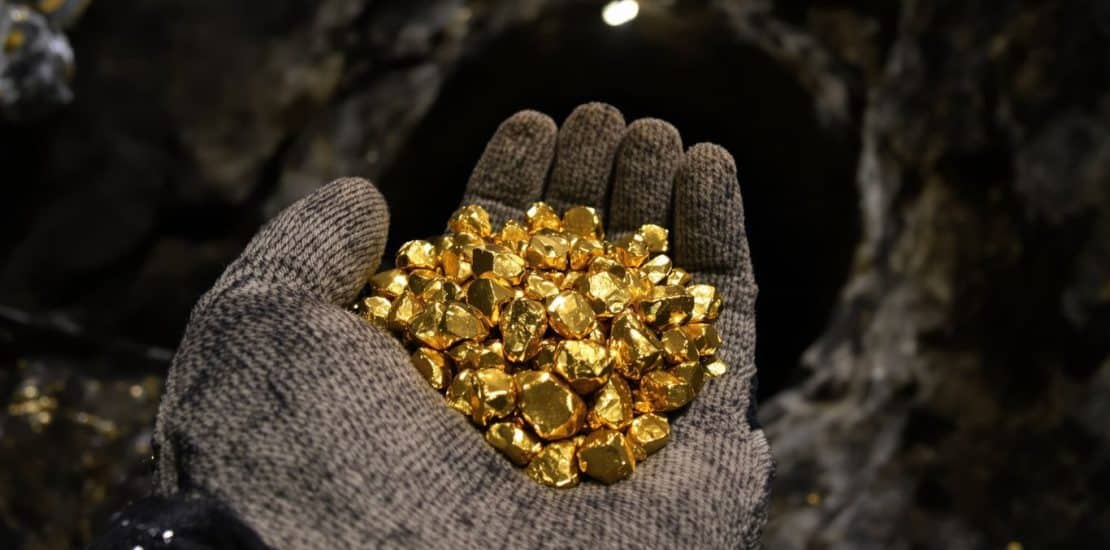
Wondering how investing in gold mines works? It's a relevant question when you think about this precious metal. Gold has always been seen as a safe bet, especially in uncertain times. But investing in gold isn't just about buying bars or coins. There's also an entire industry behind it: gold mining. Let's take a closer look to shed some light on the process.
Key Takeaways
- Gold has historically been a safe haven, providing stability in times of economic uncertainty and serving as a diversifying asset.
- Investing in gold can be done through physical gold (bars, coins) or indirectly through shares of mining companies.
- Purchasing gold bars, often LBMA certified, offers guaranteed purity and international recognition.
- Investing in physical gold in France benefits from tax advantages, including VAT exemption on purchase.
- Gold mining companies represent another way to invest, but carry specific risks related to the operation and management of the company.
Understanding Gold Mining Investment
Investing in gold is a bit like stepping back in time, but with a touch of financial modernity. Gold has been talked about for millennia, and for good reason. It has survived through the ages, empires, and economic crises, still shining brightly.
Gold, a historic safe haven
You've probably heard of gold as a safe haven. It's true. When markets are tumbling, stocks are plunging, and uncertainty reigns, gold tends to hold its value, or even increase in value. Think about history: kings, central banks, everyone has always wanted to have gold reserves. It's a bit like a natural safe for your money. Even if the dollar loses its value over time, gold has shown that it can maintain its purchasing power over the very long term. That's reassuring, isn't it?
Precious metals as diversification assets
Beyond gold, there are also silver and platinum, which are considered precious metals. The idea is not to put all your eggs in one basket. If you already have stocks and bonds, adding precious metals to your portfolio is like adding insurance. In 2022, for example, while stocks and bonds were losing value, gold and silver held up quite well. This helps smooth out any major shocks to your portfolio. It's a way to protect yourself if things ever go wrong in more traditional markets.
The importance of gold in the global economy
Gold isn't just for jewelry or the bullion you see in movies. It has very real uses in industry, such as electronics and dentistry, thanks to its conductivity and resistance to corrosion. But its value is primarily linked to economic factors and the trust people have in it. Central banks hold huge amounts of it because it symbolizes a country's economic power. It's a bit like a confidence thermometer in the global economy. When confidence falls, demand for gold tends to rise.
The different forms of investment in gold
When we talk about investing in gold, we often think of bullion, but there are actually several ways to get your hands on this precious metal. It's a bit like choosing how you want to get around: you can take a car, a bicycle, or even a bus. Each option has its pros and cons, and it's no different for gold.
Investing in physical gold: bars and coins
This is the most direct method, the one that gives the feeling of owning something tangible. You can buy gold in the form of bars or coins. Bars are a bit of a classic choice, often used by those who want to invest larger sums. They come in all sorts of sizes, from small 1-gram bars to large bars weighing several kilos. It's pretty simple: you buy, you store. But be careful, storage can be expensive if you want to be sure no one comes along to steal it. You'll need to consider a safe, insurance, or a secure storage service. All of this adds costs that can reduce your profit.
Gold coins are a different story. They often have historical and numismatic value in addition to their intrinsic gold value. Think of Napoleons, for example. They're easier to handle for small amounts, and their history can add a layer of interest. But their price can also be influenced by their rarity or condition, which can make things a little more complicated than for a simple bar.
Gold bars: accessibility and flexibility
If you're just starting out or prefer not to lock up a large sum at once, gold bars are a great option. They're simply smaller gold bars, often 1 gram, 2 grams, 5 grams, 10 grams, etc. The advantage is that you can buy gold little by little, much like you're saving for a project. This allows you to spread out your purchases over time, which is a good strategy to avoid buying all your gold at the peak of the market. For example, buying a 2-gram bar every month is easier to manage than buying a 24-gram bar all at once. Plus, these small bars often come in sealed packaging with a certificate of authenticity, which gives you a guarantee of purity and weight. It's convenient, easy to resell, and allows you to maintain some flexibility in your investment.
Gold Investment Coins: History and Value
When we talk about investment gold coins, we often think of coins with a history. Take, for example, the famous 20 Franc Marianne Coq coin. It was minted at one time, then re-minted later, but it remains a recognized and sought-after gold coin. These coins have a value that depends not only on the price of gold, but also on their history, their rarity, and sometimes even their state of preservation. It's a bit like collecting stamps or old coins, but with the added bonus of gold. They are often easier to trade than large ingots, and their value can even increase if they become rare or particularly sought-after by collectors. It's a way to invest in gold while having an object with a soul, a history. It's also a way to diversify your assets with assets that have a strong cultural and historical dimension.
Gold, beyond its intrinsic value, often carries with it a history that can influence its perception and market demand. Understanding this historical dimension can help you better understand the value of an investment gold coin.
How does buying gold bars work?
Buying a gold bar is a bit like acquiring a small piece of history and tangible value. But how does it actually work? It's simpler than you think, and it starts with understanding what makes these golden bars valuable.
LBMA Certified Gold Bars
When it comes to gold bars, it's important to know that they're not all created equal. To be sure you're getting a quality product, you need to look to the LBMA, the London Bullion Market Association. It's a bit like the guarantor of quality in the world of gold. LBMA-certified bars are recognized worldwide, which means that if you decide to resell them, you'll have no trouble finding a buyer. They're made by refiners who adhere to very strict standards, so you know exactly what you're buying: pure gold.
Gold bar sizes: from 1g to 1kg
One of the great things about gold is that it comes in so many different sizes. Whether you're on a budget or looking to invest a larger amount, there's bound to be a bar for you. There are tiny bars, like 1 gram or 2 grams, perfect for getting started or as a gift. Then there are the intermediate sizes, like 10g, 20g, 50g, 100g, 250g, or 500g. These are a good compromise between affordability and value. And of course, there are the larger bars, like 1kg, which are often favored by more seasoned investors or institutions. Each size has its advantages, whether for storage, resale, or simply for managing your budget.
The manufacture and purity of gold bars
Making a gold bar is a fairly precise process. Raw gold is first refined to a very high level of purity, usually 999,9 parts per thousand, meaning it's nearly pure. Then, this gold is either molded or stamped into the shape of the bar. Stamping is a bit like engraving gold with a press; it produces a clean, precise result. Casting is when the molten gold is poured into a mold. Either way, the end result is an ingot that often bears a unique serial number and comes with a certificate of authenticity. This certificate is your guarantee that the bar is what it claims to be: pure gold, crafted according to the rules of the art.
Buying physical gold means owning a tangible asset that has stood the test of time. It's a way to protect yourself against inflation and economic crises, much like insuring your assets. The various formats available make this investment accessible to everyone, regardless of your initial capital.
The tax advantages of investing in gold
When we think of investing in gold, we often imagine the metal itself, its intrinsic value, its beauty. But there's another aspect, often less discussed but just as important: taxation. Knowing how gold is treated by taxes can really make a difference in the final return on your investment. It's a bit like knowing the rules of the game before you start playing; it avoids unpleasant surprises.
VAT exemption on investment gold
One of the first things that makes physical gold attractive is that you don't have to pay Value Added Tax (VAT) on it. This is great news, especially when compared to other consumer goods. When you buy a gold bar or coin recognized as
Liquidity and resale of gold
Liquidity of the gold market
When we talk about investing in gold, a question that often comes up is: will I be able to sell it easily if I need to? This is where the concept of liquidity comes in. Basically, it's how easily you can turn your gold into cash without losing too much of its value. And on this point, gold does quite well. The gold market is huge, truly global. Transactions take place every day, all over the world. Think about it, billions of dollars worth of gold change hands every day. It's a bit like the currency market; it's very active.
Compared to other investments, such as real estate, reselling physical gold is generally much faster. You don't need to find a single buyer who will want your exact home. There's always a demand for gold, whether from individuals, jewelers, or even other investors. It's this constant demand that makes gold so liquid.
Facilitate the resale of your precious metals
So, how can you ensure that reselling your gold goes as smoothly as possible? The secret is to choose what you buy carefully from the start. Gold bars and coins that are internationally recognized, such as those certified by the LBMA (London Bullion Market Association), are the easiest to resell. Why? Because everyone knows them, their purity is guaranteed, and buyers know exactly what they're buying. It's a bit like having an ID card for your gold.
If you've purchased slightly rarer gold coins or bars from lesser-known brands, it may take a little longer to find the right buyer and the right price. You also need to think about storage. If your gold is stored properly and securely, and you still have the certificates of authenticity, it makes things much easier when it comes time to resell. Keep your invoices, certificates, anything that proves your gold is authentic and of good quality.
The role of professionals in gold resale
When you decide to sell your gold, you have several options. You can go through specialized online platforms, precious metals stores, or sometimes even banks. These professionals are there to help you. They know the market, they know how to value your gold, and they can offer you a fair price.
It's important to compare offers. Resale margins can vary from one dealer to another. Some may charge a higher commission than others. Don't hesitate to request several quotes before deciding. They can also advise you on the best time to sell, based on current gold prices. In short, working with reliable dealers allows you to sell your gold with confidence and get the best possible return on your investment.
Choosing the right time to invest in gold
So, you're wondering when's the best time to get your hands on gold? It's a question many people ask, and frankly, there's no one-size-fits-all answer. It's a bit like trying to predict the weather, but with economic factors instead.
Follow the evolution of the price of gold
Le gold priceIt moves. It goes up, it goes down, a bit like a roller coaster. To know when to buy, you have to keep an eye on this price. You can see it as an indicator of the health of the global economy, in a way. When things are going badly elsewhere, gold often tends to do well. That's why many see it as a safe haven. If you see the price rising, it can mean that people are worried about the economy and looking to secure their money. Conversely, if things are going well, gold may be less attractive.
Factors influencing the price of gold
Several things can move the price of gold. Inflation, for example. When prices rise and your money loses value, gold can become more attractive because it tends to hold its value over the long term. Interest rates also play a role. If rates are low, gold can seem more attractive than other investments that yield little return. And then there are global events: wars, political crises, all of these can send the price of gold soaring as people seek safety. It's a bit of a barometer of global anxiety.
Purchasing strategies to smooth out fluctuations
Since predicting the perfect time is nearly impossible, many investors prefer a gentler approach. One popular method is to buy a small amount of gold regularly, regardless of the price. This is called dollar-cost averaging (DCA). The idea is that if the price is low, you buy more, and if it's high, you buy less. Over the long term, this helps smooth out fluctuations and avoid putting all your money in at the wrong time. It's a bit like buying small errands instead of filling up your tank with gas.
Gold isn't just a metal; it's also a symbol of stability in a rapidly changing world. Considering buying it when the news is bad can be a good idea, but buying regularly is often smarter for your wallet.
Here are some investment formats that can help you diversify your purchases:
- Gold bars: Available in a wide range of weights, from the smallest (1g) to the largest (1kg), they are a sure value. Sizes like 50g or 250g offer a good balance between affordability and value.
- Gold coins: Pieces like the Napoleon 20 Francs or the 10 Dollar US Eagle have a history and intrinsic value that can make them interesting, in addition to their gold content.
- Ingots: These are small ingots, often weighing between 1g and 50g. They are perfect for getting started or as gifts, and allow you to invest gradually without committing a large sum at once.
Investing in gold mining companies
Beyond physical gold, another way to gain exposure to the gold market is to invest in companies that mine this precious metal. This is a different approach, with its own advantages and disadvantages.
Mining company shares
When you buy shares in a gold mining company, you become a part-owner of a portion of that company. Your investment is therefore tied to its ability to find, extract, and sell gold profitably. The price of these shares can be influenced by the price of gold, of course, but also by the company's management, its discoveries of new deposits, its operating costs, and even the political situation in the countries where it operates. There are also exchange-traded funds (ETFs) that group several of these mining companies together, providing instant diversification within this sector. These ETFs can be an attractive option if you want to reduce the risk associated with a single company.
Risks associated with mining investment
It's important to understand that investing in mining companies carries specific risks. For example, a mine may contain less gold than expected, or extraction costs may increase unexpectedly. Company management may make decisions that don't benefit shareholders, or regulatory or environmental issues may arise. Furthermore, the stock price of these companies is often more volatile than that of physical gold itself, as it is influenced by many factors specific to the company and the stock market in general. Therefore, it's important to do your research and understand these risks before taking the plunge.
Canada's role in the global mining industry
Canada plays a leading role in the global mining industry, particularly in gold mining. The country is recognized for its geoscientific expertise and favorable regulatory environment for mining investments. The Toronto Stock Exchange (TSX) and the TSX Venture Exchange (TSX-V) are home to a significant portion of the world's public mining companies, making it a hub for exploration and mining financing. Many international companies rely on Canadian expertise to identify areas with high mineral potential. If you're considering investing in mining companies, Canada is a market to consider carefully for opportunities. The country's commitment to environmental, social, and governance (ESG) standards is also an increasingly important factor for investors concerned about the sustainability of their investments. Interestingly, gold recycling, while less directly related to mining, supports a circular economy and reduces the need for new mining, which is a more responsible approach to planetary resources. Recycled gold supports a circular economy.
Investing in mining stocks means betting on a company's ability to transform natural resources into profits, while being exposed to the vagaries of exploration and managing a complex activity.
Want to make your money grow by investing in gold? companies that extract this precious metal can be a good way to go. It's a bit like buying shares in companies that are digging for gold. To learn more about how to choose these companies and start investing, visit our website today!
To conclude your adventure in gold
So, now you have a good idea of how investing in gold works. It's not that complicated when you look at it more closely, even if it does require a little thought. Whether you choose bars, coins, or even mining company shares, the important thing is to understand what you're doing. Think about your goals, your budget, and don't hesitate to ask for advice. Gold is a bit like an old friend; it's there when things aren't going well. So, go for it, but do it smart!
Frequently Asked Questions
Why is gold considered a safe bet?
Gold is seen as a safe bet because it maintains its value even when the economy is doing poorly. When other investments decline in value, gold tends to remain stable or even increase. It's like a shield for your money in times of crisis.
What are the different ways to buy gold?
You can buy gold in several forms. There's physical gold, such as ingots or coins. Ingots are like bars of pure gold. Coins are gold coins that have historical value in addition to their weight in gold. It's a bit like collecting treasure!
How do you know if a gold bar is good quality?
To be sure of the quality of your gold bar, check if it is LBMA certified. This is a kind of international quality label that guarantees that the gold is pure and comes from a recognized smelter. It's like having a guarantee on your purchase.
Do I have to pay taxes when I sell gold?
In France, when you sell gold, there are special rules. Often, you can avoid paying taxes on the profits if you hold the gold long enough. It's a bit like the government thanking you for investing for the long term!
Is it easy to resell gold?
Yes, gold is very easy to resell. It's a global market, so there's always someone willing to buy gold. Think of it as having a universal currency. You can sell it to professionals or even to other individuals.
When is the best time to buy gold?
The price of gold changes constantly, much like stock prices. To buy wisely, you need to follow the price of gold and understand what makes it rise or fall, such as the state of the economy or bank decisions. One tip is to buy a little at a time so you don't buy when the price is too high.