Are you wondering how the price of gold is evolving, especially with 2026 approaching? It's a question many people ask. Gold, this precious metal, has always fascinated and served as a safe haven. But understanding its price, especially for those considering selling gold for scrap, requires looking at several factors. Let's examine together what drives price movements and how it works.
Key Takeaways
- The price of gold is set on global markets, primarily in London, by a system called 'fixing', which balances supply and demand. There is also a real-time price, available 24 hours a day.
- Central banks play a significant role because they hold large quantities of gold in their reserves, which can influence the market. Demand for jewelry manufacturing or in industry (electronics, for example) is also a determining factor.
- History shows that the gold price It has experienced significant rises and falls, often linked to economic crises or currency changes. It is seen as a safe investment in times of uncertainty.
Understanding the price of gold
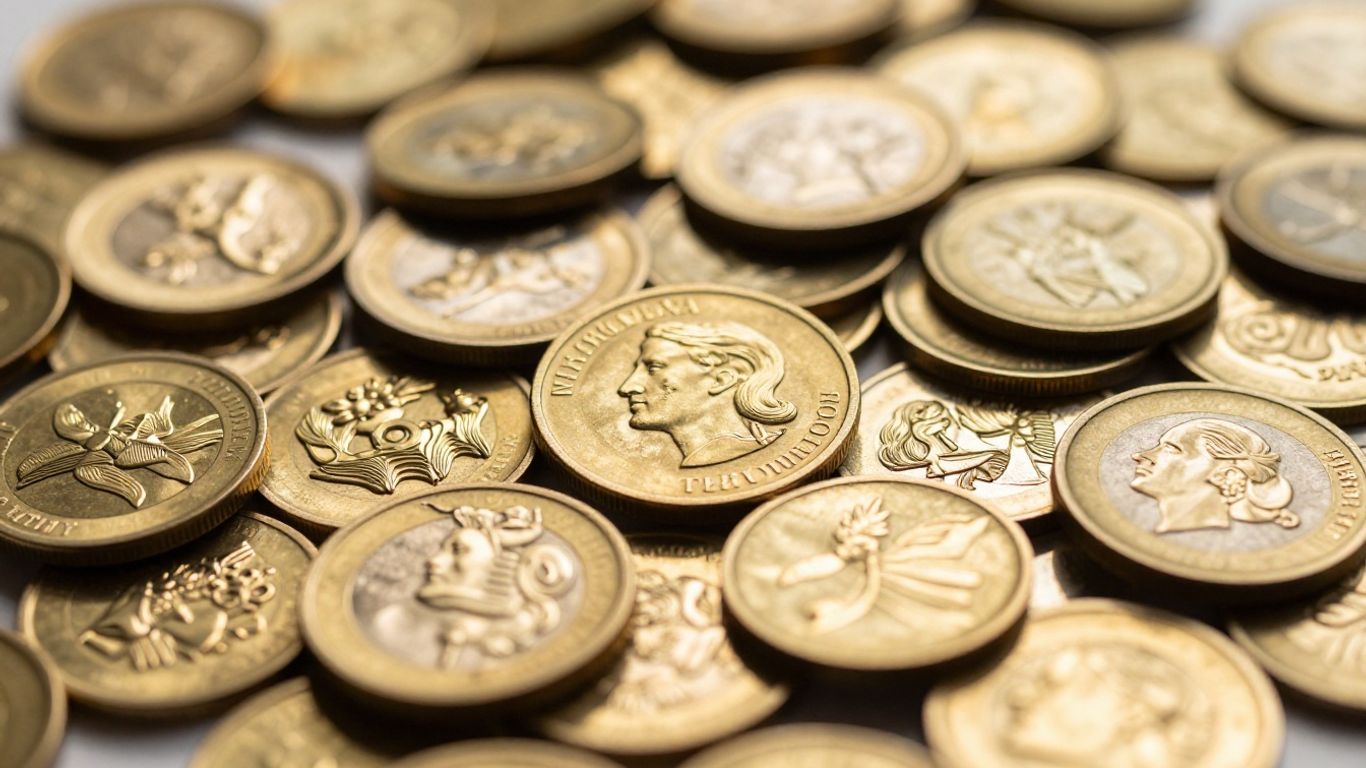
Are you wondering how the price of gold is determined and what makes it fluctuate? That's an excellent question, because understanding these mechanisms is the first step for anyone interested in gold, whether for investment or simply out of curiosity. The price of gold isn't set arbitrarily; it results from a complex set of interactions in global markets.
The mechanisms for fixing the price of gold
The price of gold, like that of many other commodities, is primarily influenced by supply and demand. However, gold has unique characteristics that make it special. Price determination is largely achieved through a system called "fixing." There are two fixing sessions per day, organized by the London Bullion Market Association (LBMA) in London, the nerve center of the global gold market. These sessions, one in the morning and one in the afternoon, establish a reference price in dollars and euros, based on the transactions of the main market participants (banks, dealers, etc.).
Beyond this fixed price, there is also a continuous price, which reflects real-time trading on the markets 24/24. This is the price you will most often see displayed on financial websites. It is important to note that the "spot" price (the immediate price) may differ slightly from the price of physical bars or coins, due to manufacturing and transportation costs, and a possible premium.
Here is an overview of current prices (as of February 26, 2026):
| Product | Spot Price (€) | Spot Price (USD) | Prime (%) |
|---|---|---|---|
| Gram of gold | €141,59 | US $ 167,04 | N/A |
| ounce of gold | € 4 | US$5 | N/A |
| Kilo of gold | € 141 | US$167 | N/A |
The price of gold is a sensitive indicator of global economic tensions. Its value is often seen as a safe haven in times of uncertainty.
The historical evolution of the price of gold
The history of gold prices is marked by periods of high volatility, often linked to major geopolitical or economic events. For a long time, gold served as a monetary standard, the famous "gold standard," where currencies were directly convertible into a fixed quantity of gold. This system was abandoned by the United States in 1971, marking a significant turning point.
The 1970s saw a spectacular surge in the price of gold, reaching a historic peak in 1980. After that, the price experienced a long period of decline before resuming a more pronounced upward trend from the 2000s onwards. This recovery was fueled by several factors, including the search for a safe haven in the face of financial crises and increased demand, particularly from central banks and emerging countries.
Here are some key points of this development:
- Before 1971: Gold is linked to currencies via the gold standard, its price is relatively stable.
- 1970 years : End of convertibility into gold, sharp rise in prices due to inflation and oil shocks.
- Peak of 1980: The price of an ounce of gold has reached approximately $850.
- Years 1980-2000: During a period of decline and stagnation, gold is less attractive.
- Since 2000: With a sustained upward recovery, gold is once again becoming a major safe haven in the face of crises.
Understanding these major historical trends helps you better understand current and future movements in the price of gold.
Factors influencing the price of gold
Wondering what makes the price of gold fluctuate? It's a bit like a complex recipe, with several ingredients playing a role. You can't just say "gold costs this much" without looking at everything else that's going on around it.
The role of central banks and states
Central banks, you know, those large financial institutions that manage a country's currency, have a fairly direct influence on the price of gold. They often hold enormous quantities of gold in their vaults, a bit like insurance. When they decide to buy or sell part of their reserves, it can move the market. For example, if a central bank buys a lot of gold, demand increases, and therefore the price tends to rise. Conversely, if they sell, the price can fall.
- Central Banks' Gold Reserves They represent a significant portion of the world's gold reserves. The United States, for example, holds an impressive amount.
- Monetary policies Central bank decisions regarding interest rates or the amount of money in circulation can also influence the perception of gold as a safe haven asset.
- Geopolitical stability : In times of global uncertainty, states may seek to secure their assets by turning to gold, which increases demand.
Gold has always been seen as a safe haven asset, especially when things get complicated on the global economic or political scene. It's something of an ultimate refuge when other markets are too risky.
The impact of industrial and jewelry demand
Beyond central banks, there are us, the people, and businesses. Demand for gold doesn't come solely from investors. Industry also uses gold, particularly in electronics and dentistry, because it's an excellent conductor and it doesn't rust. And of course, there's jewelry. When people want to treat themselves or give jewelry as gifts, the demand for gold increases, especially in countries where the culture of wearing gold jewelry is very strong, such as India and China.
Here are some points to remember:
- jewelry This is a major driver of gold demand. Holidays, weddings, or simply the desire to wear beautiful jewelry boost sales.
- Industrial use Although less visible, gold is used in many technological products. Its demand is therefore linked to the health of these sectors.
- Coins and ingots The purchase of physical gold in the form of coins or bars by individuals is also a key factor. When people seek to protect their savings, they often turn to gold.
The price of a gram of gold today, February 26, 2026, is approximately €141,59 (spot price). But be aware that when you buy coins or bars, there's often a small premium added, as with Vera Valor coins where it's around 3,20%. This clearly shows that the price of physical gold isn't just the price of the pure metal; it also reflects the added value of the product itself.
Several things can cause the price of gold to change. For example, what's happening in the worldEvents like wars or economic problems can make gold more attractive to people looking to protect their money. Demand from jewelers and manufacturers also plays a role, as do central bank decisions. To better understand how these factors influence each other, visit our website where we explain everything in more detail.
So, ready to get started?
There you have it, you now have a better understanding of how the price of gold works and why it fluctuates. Whether you're thinking of buying gold to protect your money or simply out of curiosity, I hope this information is helpful. Remember that the market can be a bit unpredictable, so do your research before making any decisions. And if you have any questions, don't hesitate to ask professionals for advice. Good luck!
Frequently Asked Questions
How is the price of gold decided every day?
The price of gold is set twice a day, in the morning and afternoon, during a ceremony called the "fixing." Banks and traders from around the world meet virtually to trade gold. They adjust the price until the number of buyers matches the number of sellers. It's a bit like a global auction to find the right price.
Why are central banks buying so much gold?
Central banks consider gold a safe haven, especially when the global economy is experiencing difficulties. Holding gold allows them to maintain a degree of financial stability, much like having a safety net. It's also a way to demonstrate the strength of their currency.
Does the price of gold change all the time?
Yes, the price of gold can fluctuate a lot. It's influenced by many things: what people want to do with it (jewelry, industry), whether central banks buy or sell it, and even what's happening in the world (crises, uncertainties). That's why it's important to follow its evolution if you're interested in gold.