Buying gold and silver may seem like a good idea, especially during times of economic uncertainty. However, it's easy to fall into some pitfalls that can be costly. In this article, we'll explore common mistakes to avoid when buying gold and silver to help you make informed choices and secure your investment.
Key points
- Beware of scams, such as fake bullion and dubious sellers.
- Find out about the taxation of gold and silver before purchasing.
- Always check the gold price before making a transaction.
- Avoid impulse purchases and take time to think.
- Keep your coins in their original condition to maintain their value.
Avoiding Common Scams
When you're buying gold, you really need to keep your eyes peeled. You can never be too careful, and there are plenty of bad actors out there. It's best to be well-informed to avoid getting scammed. Here are some common scams to be aware of to protect your investment.
The Fake Ingots
This is a classic gold scam. Ingots that look real, but are actually filled with another, less precious metal. To avoid this, always check the certificate of authenticity and buy from reputable sellers. A good test is to check the weight and dimensions of the ingot: if they don't match the standards, it's suspicious. Don't hesitate to have the ingot appraised by a professional before finalizing the transaction. There are methods to verify the authenticity of my gold coins.
Fraudulent Websites
Beware of sites that offer prices that are too good to be true. These are often scams. They take your money, and you never see the gold. Before buying, check that the site is secure (https), has clear legal notices, and positive customer reviews. A site that has been around for a long time and has a good reputation is generally safer. Be wary of sites that pressure you to buy quickly; this is often a warning sign.
Street Vendors
Avoid buying gold from sellers who approach you on the street or come to your home without asking. These people are often unreliable and may sell you fake products or rip you off on the price. If you are interested, ask to meet the seller in a safe, public place, and always have the gold inspected by an expert before paying. Remember, discretion is key when it comes to investing in gold. precious metals.
Knowing Gold Taxation
This is one thing you absolutely mustn't overlook when you're starting to buy gold: taxes. It's not the most fun thing, but it's super important to avoid unpleasant surprises. We'll break down the taxes, exemptions, and obligations together so you're on top of things.
Transaction Taxes
So, how does it work in practice? When you buy investment gold (bars or coins), you generally don't have to pay VAT. That's already good news, right? However, when it comes to resale, things get a little more complicated. In France, you have two options:
- Precious Metals Tax (TMP): This is a flat rate of 11,5% (this may change in 2025, so check!) on the sale price. You don't need to provide any supporting documents; it's quick and easy.
- Capital Gains Tax (CGT): If you can prove the purchase price of your gold (with an invoice), you can opt for this tax. It's 36,2% on the capital gain (the difference between the purchase price and the sale price), but it benefits from a 5% annual reduction starting from the third year of ownership. After 22 years, you're exempt! It's a little more complicated, but it can be more advantageous if you've kept your invoices and made a nice capital gain.
Quick tip: Always keep your purchase receipts safe. This can save you a lot of money when you resell, especially if the price of gold has risen significantly!
Possible Exemptions
Well, the good news is that there are cases where you don't have to pay these taxes. For example, if the sale of your gold is less than 5 euros, you are exempt from the TMP. It's always good to know! It's important to find out about the exemption conditions to avoid unpleasant surprises.
Tax Obligations
When you sell gold, even if you're tax-exempt, you still have some obligations. If the sale exceeds €10, you must declare it to the tax authorities. It's a simple formality, but don't forget it. And then, as we said, always keep your receipts; they can be useful in case of an audit. Basically, be transparent, it avoids worries. Don't hesitate to get help from an expert for the declaration of your precious metals.
Don't Check Gold Price
This is a mistake many people make, especially when they're just starting out with gold investing. They think, "It's gold, it's still valuable," and they dive right in. Big mistake! The price of gold, like that of any other asset, fluctuatesNot checking it is a bit like driving with your eyes closed.
The Importance of Quotation
Gold's price is a bit like its health report card. It tells you how it's doing, whether it's the right time to buy, sell, or do nothing at all. Ignoring this information means depriving yourself of an essential tool for making informed decisions. Imagine buying a car without looking at the market price... that's not done, is it?
How to Track Fluctuations
Tracking the price of gold isn't rocket science. There are plenty of ways to do it:
- Specialized finance websites (Boursorama, Les Échos, etc.)
- Mobile applications dedicated to precious metals
- Directly from your broker or financial advisor
The trick is to stay informed regularly. You don't need to check every hour, but a quick daily or weekly glance helps you spot trends and anticipate changes.
The Best Sources of Information
Beware of sources! Not everyone tells the truth, especially online. Focus on reputable sources, reputable financial news sites, and independent expert analyses. Be wary of "gurus" who promise you quick and easy profits. This is generally the best way to get ripped off. Here are some reliable sources:
- Major economic newspapers (Le Monde, Financial Times)
- The websites of central banks (Bank of France, ECB)
- Reports from major financial institutions (Goldman Sachs, JP Morgan)
| Source | Reliability | Update frequency | Cost |
|---|---|---|---|
| Boursorama | Élevée | Daily | Free |
| The echoes | Élevée | Daily | Paid |
| Bank of France | Very high | Variable | Free |
| Financial Advisor | Variable | On request | Variable |
Making Impulsive Decisions
We've all been there: an offer that seems too good to be true, the fear of missing out... and then, presto, we dive in without thinking. In the world of gold and silver investing, this is a recipe for disaster. You really need to calm down and take the time to think things through.
The Risks of Rush Purchases
Impulse buying is a bit like going grocery shopping when you're hungry: you end up with things you didn't really want and that cost a lot. In the case of gold, this can mean buying at an inflated price, getting sold junk, or simply not understanding what you're buying. The main risk is losing money, stupidly. Imagine seeing a shiny coin, falling in love, and then discovering it's worth less than you paid for it. Ouch.
The Importance of Reflection
Before you take out your credit card, take a deep breath. Ask yourself the right questions: Do I understand this investment? Is the price right for the Gold prices current? Do I know the seller? A little research, a price comparison, can avoid a lot of problems. It's like when you buy a used car: you don't sign without having tried it, right?
Avoid Offers That Are Too Good
If an offer seems too good to be true, it probably is. Scammers are adept at luring people with promises of easy profits. Be wary of huge discounts, incredible bonuses, and salespeople pressuring you to buy right away. Patience is a virtue, especially when it comes to your money.
Rushing into things often means failing. Take the time to research, compare, and reflect. Your wallet will thank you.
Ignore the condition of the parts
It's a common mistake, but it can be costly. The condition of a gold or silver coin has a direct impact on its value, especially when it comes to collectibles. A damaged, scratched, or cleaned coin won't have the same value as one in perfect condition. It's as simple as that.
The Impact of the State on Value
A coin's condition influences its value in two main ways: its intrinsic value (the value of the precious metal it contains) and its numismatic value (its value as a collectible). A badly worn coin can be bought for its weight in gold, while a mint-condition coin can be worth much more. The difference can be huge, especially for rare coins.
How to Evaluate the Condition of a Coin
Evaluating the condition of a coin is a bit of an art. There are grading scales, but experience plays a big role. Here are some points to check:
- General wear and tear: Are there any scratches, dents, or faded areas?
- The patina: This is the layer that forms naturally over time. It can add value, but an artificial patina is a bad sign.
- Typing errors: Some defects can be natural and even intended, but you have to know how to identify them.
Cleaning Mistakes
Above all, never clean your coins! This is one of the worst things you can do. Cleaning, even delicately, can remove the natural patina and significantly decrease the value of the coin. Collectors prefer coins in their original condition. If you have any doubts, always seek expert advice. It is important to follow the market trends to properly evaluate your parts.
Imagine you find an old coin in the attic. Your first instinct might be to clean it to make it shine. Big mistake! You risk devaluing it. It's best to show it to a numismatist before doing anything.
Not Asking About Sellers
This is a classic mistake, but a potentially costly one. We get so excited about buying gold or silver that we forget to do our homework on the seller. It's like buying a car without checking the history: you could be in for some nasty surprises!
How to Identify a Reliable Seller
There are several clues that can help you find a trustworthy seller. First, check their seniority. A long-established seller generally has a proven track record. Next, see if they have a physical address. It's always more reassuring to know where to find them in case of a problem. Finally, don't hesitate to ask for references or certifications you should know about.
Warning Signs
Beware of offers that seem too good to be true. If a seller offers unusually low prices, there's something fishy going on. Also, avoid those who pressure you to close the sale quickly. An honest seller will give you time to think. Beware of sellers who refuse to provide clear information about the origin of the gold or silver. transparency is paramount.
The Importance of Customer Reviews
Reviews from other customers are a wealth of information. Check forums, online review sites, and social media to see what people think of the seller. A large number of positive reviews is a good sign, but don't just look at the overall rating. Read the reviews carefully to understand the seller's strengths and weaknesses.
Never rush. Take the time to compare prices, check information, and read reviews. A little caution can save you a lot of money and hassle.
Forget Hidden Fees
It's easy to focus on the gold price or money by the gram, but be careful! There are often hidden fees that can really impact your investment. We're talking about additional costs that you don't necessarily see at first glance, but which add up and reduce your return. It's a bit like buying a house: the purchase price is just the beginning, there are taxes, notary fees, etc.
Additional Costs to Consider
When we talk about hidden fees, what exactly do we mean? Well, there are several things to look out for:
- Seller's commissions: Some sellers charge a more or less significant commission on each transaction. This is normal; they must earn a good living, but you should be aware of these fees and compare them.
- Storage costs: If you don't keep your gold at home, you'll have to pay to store it in a safe or secure warehouse. These fees can vary considerably.
- Insurance costs: To protect your investment against theft or loss, it is advisable to insure it. Again, it's important to compare offers.
- Transaction fees: Every time you buy or sell gold, there may be transaction fees, especially if you use an online platform.
How to Evaluate Fees
To avoid unpleasant surprises, you need to do your homework. Here are some tips:
- Request a detailed quote: Before committing, ask your seller for a quote that details all costs, not just the price of gold.
- Compare the offers: Don't settle for the first offer you receive. Compare prices and fees from different sellers.
- Read the small print: Contracts can contain hidden clauses that could be unfavorable to you. Take the time to read everything carefully.
Common Fee Mistakes
Many people get scammed by not paying attention to fees. Here are some mistakes to avoid:
- Focus only on the price per gram: This is a classic mistake. Price per gram is important, but it's not the only factor to consider.
- Do not ask for a detailed quote: That's the basics. If you don't know what the fees are, you can't compare them.
- Blindly trusting the seller: Even if the seller seems friendly, it is important to verify all the information they give you.
Remember that hidden fees can significantly reduce your return. Take the time to carefully evaluate them before making a decision. A well-informed investment is a successful investment!
Poor Conservation of Precious Metals
We don't always think about it, but how you store your gold and silver matters a lot. It's not just a matter of hiding them under the mattress! Poor storage can really reduce their value over time. So, might as well do things right, right?
Best Storage Practices
Okay, so how do we do it? Here are some ideas:
- Use suitable containers: Special plastic boxes, soft fabric pouches—in short, anything that prevents scratches and abrasions. Hermetically sealed bags, like those supplied by GOLDMARKET, are ideal for preventing oxidation.
- Control the environment: A dry place with a stable temperature is ideal. Avoid damp basements or overheated attics. Humidity is the enemy!
- Don't mix everything up: Separate gold from silver and avoid contact with other metals or jewelry. They can scratch or oxidize. Never store your coins with your gold or silver jewelry because they can transmit traces of oxidation to your pieces and damage them.
Remember to regularly check the condition of your precious metals. A quick glance from time to time can help detect problems before they become serious.
The Risks of Poor Storage
If you neglect conservation, this is what can happen:
- Oxidation: Silver, in particular, tends to turn black over time. It's not pretty, and it diminishes its value.
- Scratches and wear: Coins and ingots can become scratched if they are not properly protected. This may seem trivial, but for collectors, it's a deal breaker.
- Depreciation: Ultimately, all this translates into a loss of value. Better to avoid that, right?
The Impact on Value
The state of preservation directly influences the resale price. A scratched or oxidized coin will be worth less than one in perfect condition. This is logical, but it's worth remembering. If you're storing inherited gold correctly, you ensure that you maintain its value.
| Type of Damage | Impact on Value | Prevention |
|---|---|---|
| Oxidation | Significant drop | Store in a dry place, in airtight bags |
| stripes | Moderate decline | Individual containers, delicate handling |
| Deformation | Significant drop | Shock protection, proper storage |
Not Diversifying Your Investment
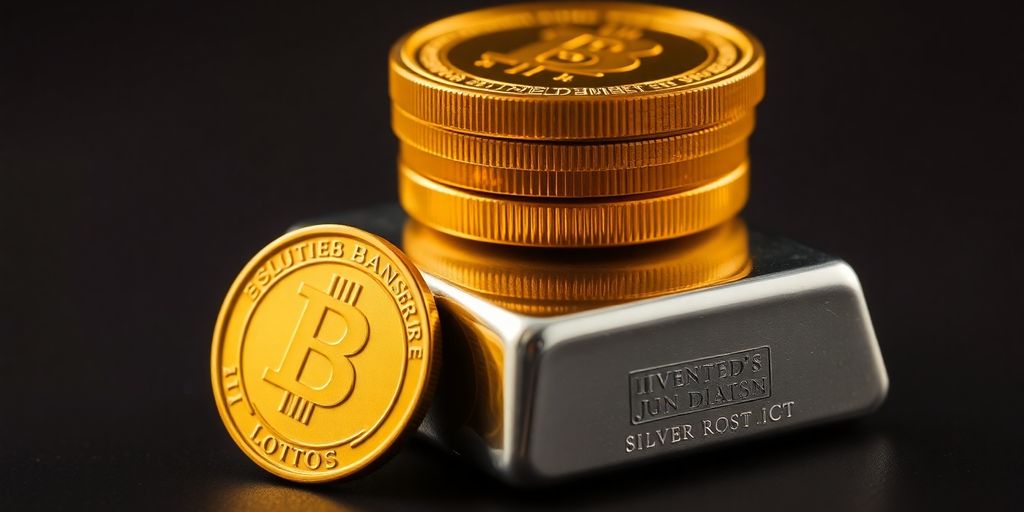
It is often said that you should not put all your eggs in one basket, and this is especially true when it comes to investing inor and silver. Focusing solely on these precious metals may seem safe, but it carries significant risks. Imagine this: if the gold market declines, your entire investment is affected. It's a bit like betting on a single horse in a race.
The Benefits of Diversification
Diversification is a bit like having a safety net. By spreading your money across different types of assets, you significantly reduce risk. If one investment doesn't perform well, others can compensate. It's a more balanced and less stressful approach. Consider including stocks, bonds, real estate, and even cryptocurrencies (with caution!).
How to Diversify Effectively
Diversification doesn't mean investing in anything and everything. It has to be done intelligently. Here are some tips:
- Define your goals: What is your investment horizon? What level of risk are you willing to accept?
- Analyze the different assets: Understand how they work and how they react to market fluctuations.
- Distribute your capital: Don't put all your money into one type of asset. Create a balanced portfolio.
- Regularly reassess: The market changes, and so do your goals. Adjust your portfolio accordingly.
Diversification isn't just about buying a bunch of different things. It's about understanding how they complement each other and how they can protect you in the event of a crisis. It's a long-term strategy that requires a little thought, but it can really make a difference.
Mistakes to Avoid in Diversification
Be careful, diversification doesn't mean doing anything. Avoid these common mistakes:
- Over-diversifying: Having too many investments can make managing your portfolio complicated and dilute your gains.
- Not understanding your investments: Don't invest in something you don't understand, even if everyone is talking about it.
- Follow the fashions: Don't be influenced by current trends. Do your own research and make informed decisions.
Neglecting Expert Advice
Frankly, jumping into buying gold and silver without seeking professional advice is a bit like flying blind. You can quickly get lost and make costly mistakes. It's not just a matter of flair; you need specific knowledge.
The Importance of Consulting Professionals
Calling on an expert means ensuring you have all the cards in hand. They know the market inside and out, the pitfalls to avoid, and can give you personalized advice based on your situation. It's a bit like having a GPS for your investment. They can help you understand the market fluctuations and make informed decisions.
How to Find a Good Expert
Finding the right expert is crucial. Here are some tips:
- Word of mouth: Ask people around you if they know anyone you can trust.
- Certifications: Check that the expert has the necessary certifications.
- The experience: Favor someone who has experience in the field.
Common Listening Mistakes
Even when consulting an expert, there are mistakes to avoid:
- Do not ask questions: Don't hesitate to ask any questions that come to mind, even if they seem silly.
- Blindly following the advice: An expert is there to advise you, not dictate your behavior. Use your best judgment.
- Do not verify the information: Always check the information the expert gives you, you can never be too careful.
Listening to expert advice is great, but you also need to do your own research and form your own opinion. It's your money, after all! Investing should be thoughtful and tailored to your needs.
Not Following Market Trends
It's a mistake to think that the gold and silver market is static. In reality, it's influenced by a multitude of economic, political, and even social factors. Ignoring these trends is a bit like flying blind. You risk buying highs and selling lows, which is never a good idea, trust me.
How to Stay Informed
To avoid getting scammed, you need to stay informed. Here are some tips:
- Read the specialist press: Sites like GoldMarket give you valuable information on market developments.
- Follow the economic news: Central bank decisions, inflation, interest rates, all have an impact on the price of gold.
- Consult experts: Don't hesitate to seek advice from professionals. They can help you decipher trends and make the right decisions.
Indicators to Watch
Some indicators are more important than others. Keep an eye on:
- Interest rates: When they are low, gold becomes more attractive.
- Inflation: Gold is often considered a safe haven during times of inflation.
- Geopolitical events: Crises and conflicts can drive up the price of gold.
Mistakes Related to Inaction
Doing nothing is also making a decision. And sometimes, it's the wrong one. Here are some mistakes to avoid:
- Waiting for the "right time": The market is unpredictable, and the "right time" may never come.
- Panic on a drop: Fluctuations are part of the game. Don't sell everything at the first sign of a scare.
- Trust your intuition alone: Investing isn't about fortune-telling. Base your decision on facts and analysis.
Basically, the idea is not to be passive. Educate yourself, analyze, and adapt your strategy based on market trends. This is the key to investing with confidence and making your gold and silver grow.
In the world of investing, it's easy to get carried away by market trends. However, it's often wiser to follow your own path. Don't rush into buying what's trendy. Take the time to consider your choices and needs. To learn more about how to invest wisely in gold, visit our website!
In Summary
So, now you have an idea of the mistakes to avoid when buying gold or silver. It's not that complicated, but you have to remain vigilant. Always check prices, don't be fooled by overly tempting offers, and above all, don't clean your coins! Keep them in good condition to preserve their value. By following these tips, you can invest without too much stress and enjoy your gold with complete peace of mind. So, are you ready to take the plunge?