
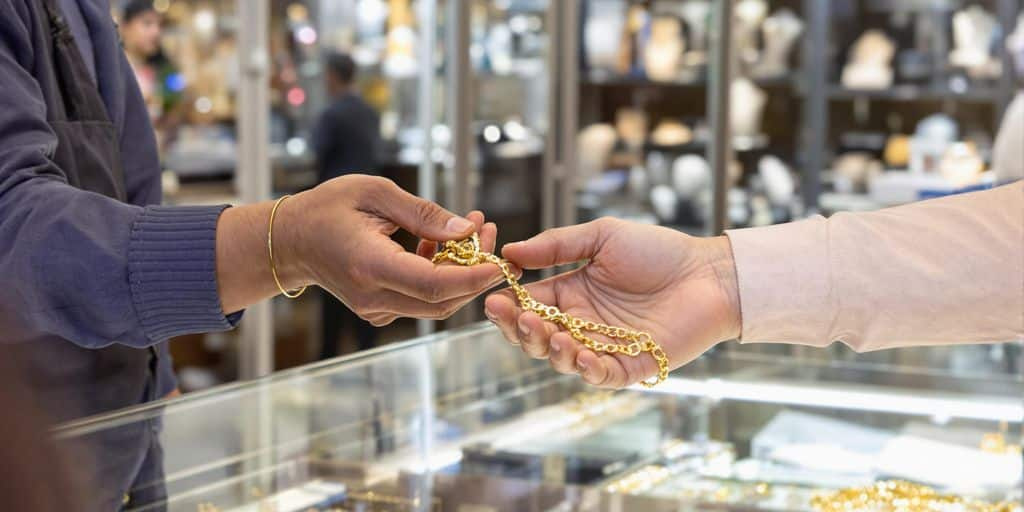
You may be wondering, “Can I pawn jewelry without a certificate of authenticity?” This is a common question for those looking to secure a pawn loan. In this article, we’ll explore the requirements, the types of jewelry accepted without a certificate, and the importance of this document in the appraisal and pawning process. Whether you have gold, silver, or even damaged jewelry, there are options to consider.
Key points
- It is possible to pawn jewelry without a certificate, but this may affect its value.
- Solid gold, silver, and even broken jewelry can be accepted as collateral.
- A certificate of authenticity can increase the value of your jewelry during appraisal.
- The absence of a certificate may result in a less favorable evaluation of your jewelry.
- There are alternatives to pledging, such as direct sales or personal loans with collateral.
Conditions for pawning a piece of jewelry
When considering pawning a piece of jewelry, there are several things to know. It's not just about showing up with your ring and hoping for the jackpot! There are rules, paperwork, and the condition of the jewelry matters a lot. It's a bit like when you want to sell your car; you have to provide the registration document, the technical inspection, etc. Here, it's the same, but adapted to the item you want to pawn.
Documents required for the pledge
When it comes to jewelry, it's often a little trickier. We're not just talking about the value of the precious metal, but also the potential presence of precious stones, their quality, their size... In short, it gets complicated! The most important thing is to prove that the jewelry legally belongs to you. Here's what you'll usually be asked:
- An identity document (ID card, passport, etc.).
- Recent proof of address (electricity bill, rent receipt, etc.).
- The purchase receipt for the jewelry (if you still have it, of course). This is always a plus, as it gives you an idea of the initial value.
Appraisal of the value of the jewel
The appraisal is the crucial step. This is where we determine how much you can borrow on your jewelry. Several factors come into play:
- The weight and purity of the precious metal (gold, silver, platinum). The purer it is, the more it is worth.
- The presence and quality of precious stones (diamonds, emeralds, rubies, etc.) can quickly increase the value.
- The brand and age of the jewel. A branded jewel may have a value more important than a standard piece of jewelry.
- The general condition of the jewelry (scratches, wear, etc.).
You should know that the appraisal is often done by an expert. They will examine your jewelry from every angle to determine its true value. Don't expect to be offered the same price you paid for it, especially if it's been a while. The market fluctuates, and the condition of the jewelry plays a big role.
Importance of the condition of the jewel
The condition of your jewelry really matters. A piece in perfect condition will be more valuable than a damaged one. Consider cleaning your jewelry before displaying it. It won't increase its intrinsic value, but it can make a good impression. Here are some points to consider:
- Cleanliness : A clean piece of jewelry is more pleasant to look at and gives a better impression.
- Absence of damage: Scratches, dents, missing stones, all of these things reduce the value.
- Operation: If it's a watch or jewelry with a mechanism, make sure it works properly.
Jewelry accepted without a certificate of authenticity
We often wonder if a certificate of authenticity is necessary to pawn a piece of jewelry. The answer is no, not always! Fortunately, many types of jewelry can be accepted even without this document. The main thing that matters is the material and its weight. Let's take a closer look.
Types of Solid Gold Jewelry
When we talk about solid gold, we often think of antique jewelry, the kind we treasure. The good news is that most gold jewelry massive are accepted, even without a certificate. This includes necklaces, bracelets, rings (even wedding bands), and earrings. The pawnshop will mainly be interested in the weight and purity of the gold (the number of carats).
Silver and platinum jewelry
Silver and platinum are also precious metals, but their value is generally lower than that of gold. However, solid silver or platinum jewelry can also be accepted as collateral without a certificate of authenticity. The appraisal will be done in the same way as for gold: based on the weight and purity of the metal. It's important to know that silver tends to oxidize over time, which can affect its value. Platinum, on the other hand, is more durable.
Broken or damaged jewelry
What if your jewelry is broken? Don't panic! Even damaged jewelry can be pawned. Of course, its value will be lower, as it can't be resold as jewelry. However, the precious metal it contains retains its value. The pawn shop will therefore assess the weight of the metal and make you an offer accordingly. It's always better than nothing, right?
It's important to note that even without a certificate, the pawnshop will still conduct an appraisal to determine the jewelry's value. This appraisal may include tests to verify the purity of the metal and ensure it isn't counterfeit. Don't hesitate to ask for an explanation of the appraisal process and the criteria used.
The importance of the certificate of authenticity
The certificate of authenticity is a bit like your jewelry's identity card. It provides crucial information about its composition, origin, and value. Without this document, evaluating and securing your jewelry can become more complex. Imagine trying to sell a car without a registration document—it's possible, but it raises questions, right?
Role of the certificate in the assessment
The certificate of authenticity is tangible proof of the quality and authenticity of your jewelry. It details the characteristics of the materials used, such as the carat of gold, the weight and purity of diamonds, and the origin of precious stones. This document allows the expert to more accurately assess the value of your property. It's a bit like having an appraisal report on a house before selling it: it gives the buyer confidence and justifies the price.
Consequences of not having a certificate
The absence of a certificate of authenticity does not mean that your jewelry is unsaleable or impossible to pawn. However, it can complicate the process. The appraiser will need to conduct more extensive testing to determine the composition and quality of the materials, which can take more time and potentially affect the final appraisal. Additionally, some establishments may be reluctant to accept jewelry without a certificate, or offer a lower appraisal as a precaution. Therefore, it is important to understand the necessary documents for an accurate assessment.
Alternatives to the Certificate of Authenticity
If you don't have a certificate of authenticity, don't panic! There are alternatives. A detailed purchase invoice can provide useful information about the jewelry. You can also have it appraised by a gemologist or jewelry expert. This appraisal will provide you with a document attesting to the value and authenticity of your jewelry, which can serve as a substitute for the original certificate. It's an investment that can prove profitable if you want to pawn or sell your jewelry at a fair price.
The absence of a certificate may result in a more conservative valuation, but it does not necessarily preclude the pledge. The important thing is to inquire with different establishments and compare their offers to obtain the best possible estimate.
How jewelry appraisal is carried out
Jewelry appraisal is a bit like a survey. You don't just look at whether it's pretty; you try to understand its true value. It's a process that requires expertise and precision.
Expert Assessment Process
When you bring a piece of jewelry in for an appraisal, the first step is often a visual examination. The appraiser will examine the piece carefully, looking for hallmarks, distinctive marks, or signs of wear. Then, they will likely use specialized tools, such as a jeweler's loupe, to examine the details more closely. The goal is to determine the composition of the metal, the authenticity of the gemstones, and the quality of the workmanship.
Evaluation criteria
Several criteria come into play when evaluating a piece of jewelry. Here are the main ones:
- The weight and purity of the precious metal: For gold, we speak in carats. The higher the number of carats, the purer the gold content of the jewelry. Weight is also a determining factor.
- The quality and size of the gemstones: For diamonds, the 4Cs (carat, clarity, color, cut) are used. For other stones, color, clarity, cut, and rarity are evaluated.
- The general condition of the jewel: A piece of jewelry in perfect condition will have more value than a damaged piece of jewelry.
- The brand and history of the jewel: A piece of jewelry signed by a famous designer or with a special story can be worth much more.
Market value estimate
The market value estimate is the final step of the appraisal. The expert will consider all the criteria mentioned above, as well as the current market price of precious metals and gemstones. He will also consider the demand for this type of jewelry. Sometimes, it may be interesting to sell jewelry second-hand, as they may have a higher value than their mere weight in precious metal.
It's important to understand that estimating market value isn't an exact science. It can vary from one appraiser to another and is influenced by market conditions. That's why it's advisable to have your jewelry appraised by several experts before making a decision.
The risks of pledging without a certificate
Pawning jewelry without a certificate of authenticity may seem like a quick fix, but it's important to be aware of the potential risks. Lack of this document can affect your jewelry's valuation and lead to significant financial consequences. Here are some points to consider before making your decision.
Suboptimal assessment
Without a certificate, it is more difficult for the expert to fully authenticate your jewelry. This may lead to a lower valuation than its actual value. The expert will have to rely solely on appearance and on-site testing, which may not be enough to determine the exact quality of the materials or the origin of the jewelry. For example, a diamond could be undervalued if its exact grade cannot be confirmed without documentation.
Possibility of financial loss
A suboptimal appraisal directly translates to a lower pawn loan. If you need a large sum of money, this can be problematic. Furthermore, if you fail to repay the loan on time, you risk losing your jewelry, which will have been appraised at a price lower than its true value. It's a bit like sell family gold without knowing its exact value: we risk not getting the best price for it.
Difficulties when reselling
If you decide to reclaim your jewelry after the pledge period, you may encounter difficulties if you wish to resell it later. The absence of a certificate of authenticity can deter potential buyers, who will be less inclined to pay full price for a piece whose origin and quality are not guaranteed. This can make reselling longer and more difficult, and may even force you to lower your price to find a buyer.
It's therefore crucial to carefully weigh the pros and cons before pawning jewelry without a certificate. If possible, try to get an appraisal from several experts and research other financing options before making your final decision.
Here are some points to consider:
- The assessment could be lower.
- You could get a smaller loan.
- Future resale could be complicated.
Alternatives to Pawning Jewelry
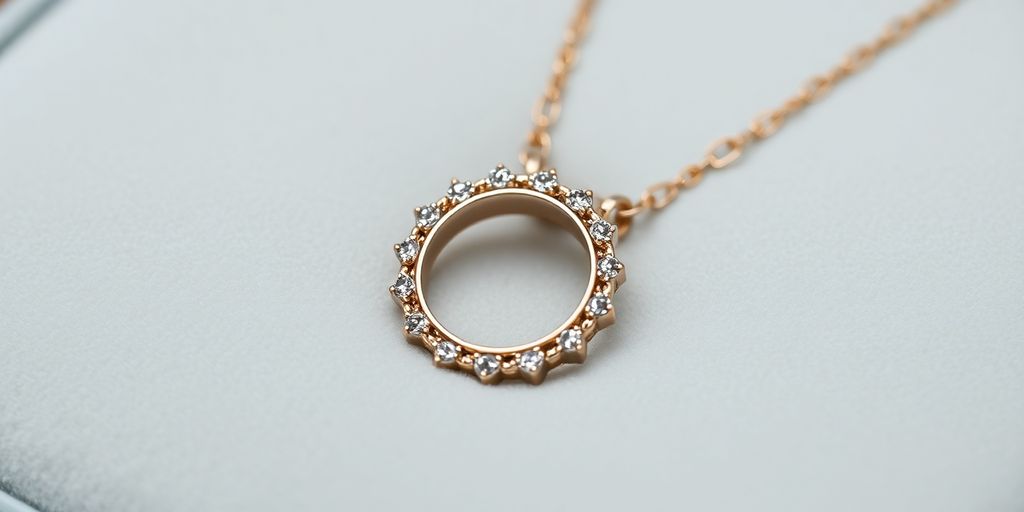
If the idea of pawning your jewelry makes you uncomfortable, know that there are other options. Sometimes, you can find solutions that are more suited to your financial and emotional situation. Let's explore some options together.
Direct jewelry sales
Direct selling is a quick and easy option. You sell your jewelry and receive immediate money. This is a permanent solution, but it can be worthwhile if you don't intend to recover your jewelry. It is important to have your jewelry appraised by several professionals to get the best price. You can sell jewelry in gold, silver or with precious stones.
Personal loans with collateral
Instead of specifically pledging your jewelry, you can opt for a personal loan by offering other assets as collateral. This could be a car, real estate, or other valuable assets. The advantage is that you keep your jewelry while still obtaining the necessary funds. Interest rates can vary, so shop around.
Jewelry exchanges
Some jewelry stores offer exchanges. You can trade in your old jewelry for new ones, or for a credit note to use in their store. This is a good option if you want to refresh your collection without spending extra money. Appraising your jewelry for exchange is crucial; make sure it's fair.
Tips to maximize the value of your jewelry
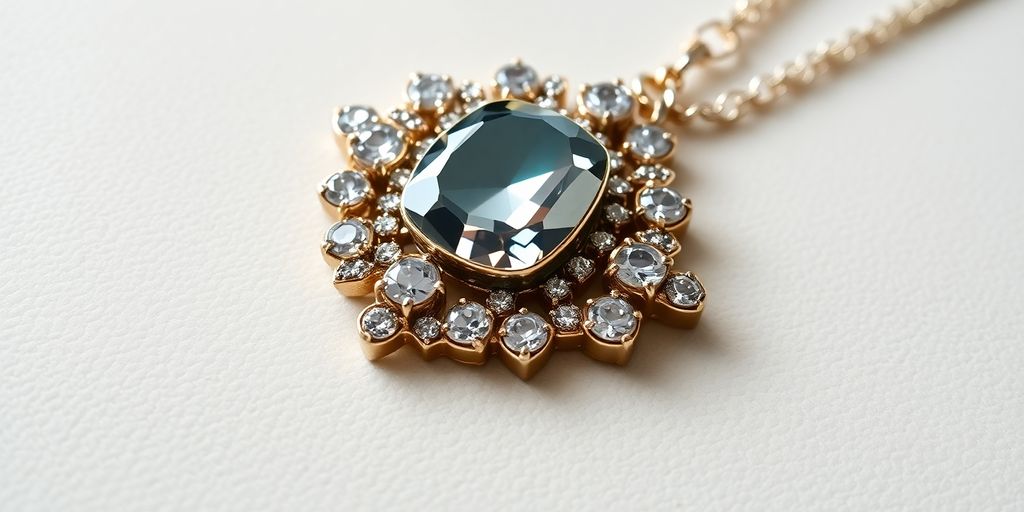
Preparation before the assessment
Before going to a medical establishment jewelry pledge, take the time to properly prepare your items. Gently clean your jewelry to remove dirt and dust. This will help the appraiser better assess its overall condition. Gather all the documents you have, even if you don't have a certificate of authenticity. Purchase receipts, previous appraisals, or any other paperwork can help prove the value of your jewelry.
Choosing the right establishment
Not all pawn shops are created equal. Do your research and compare offers from different pawn shops. Consider their reputation, rates, and experience in jewelry appraisals. Don't hesitate to ask for recommendations from those around you. A reputable and competent establishment will be better able to offer you a fair and advantageous appraisal.
Price negotiation
Don't settle for the first offer. Negotiation is an important step in getting the best price for your jewelry. Research the current price of gold and gemstones. Highlight the strengths of your jewelry, such as its condition, rarity, or sentimental value. Be prepared to decline an offer that doesn't suit you.
It's always a good idea to have your solid gold jewelry appraised by several professionals. Prices can vary, and it's best to be sure you're getting the most value for your property. Don't hesitate to shop around to get a fair and competitive offer.
Here are some points to consider when negotiating:
- Know the intrinsic value of your jewelry (weight of gold, quality of stones).
- Be aware of the market value of similar jewelry.
- Do not hesitate to ask for explanations on the proposed assessment.
To get the most out of your jewelry, it is essential to take good care of it and have it assessed regularly. Consider having it professionally cleaned and keeping it in a safe place. If you would like to know more about how to maximize the value of your jewelry, visit our site for helpful tips and tricks!
Conclusion
Basically, pawning jewelry without a certificate of authenticity is entirely possible. While a certificate can help prove your jewelry's value, it's not always necessary. Experts can appraise your pieces on-site, taking into account their condition and composition. So, if you have jewelry lying around and need a financial boost, don't hesitate to ask. Just be careful where you go, as offers can vary. Ultimately, the important thing is to know what you have and don't hesitate to ask for an appraisal.
Frequently Asked Questions
Can you pawn jewelry without a certificate of authenticity?
Yes, it is possible to pawn jewelry even without a certificate of authenticity, but this may influence the valuation.
What types of jewelry are acceptable for a pledge?
Solid gold, silver, as well as broken or damaged jewelry may be accepted.
Why is the certificate of authenticity important?
The certificate proves the quality and origin of the jewelry, which can increase its value during appraisal.
How is a piece of jewelry appraised?
An expert examines the jewelry, checking its purity, weight, and general condition to estimate its value.
What are the risks of pledging without a certificate?
Without a certificate, the jewelry may be undervalued, which may result in financial loss.
What alternatives are there to pawning jewelry?
You can consider selling the jewelry directly, applying for a personal loan, or exchanging jewelry.
