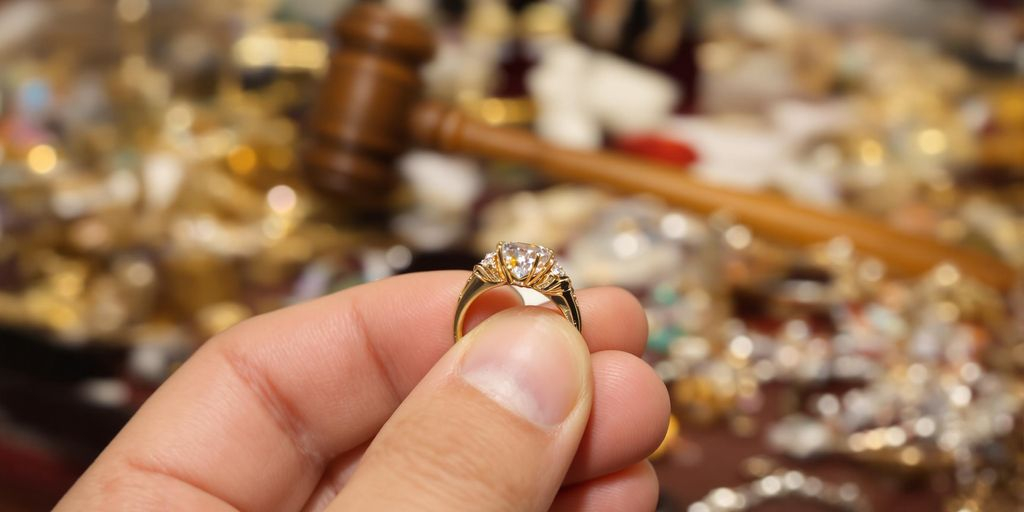
In the auction world, it's a common question to ask: Can I buy back my jewelry at auction? This question is essential for those who want to recover a specific piece of jewelry. This article will guide you through the different conditions and aspects to consider when buying jewelry at auction.
Key points
- It is possible to buy back a piece of jewelry during an auction under certain conditions.
- Bidders have specific rights, but also obligations.
- The auctioneer must follow specific rules during the sale.
- There are different types of jewelry that can be bought back, such as gold or silver.
- Fees may apply upon redemption, including sales charges and taxes.
The conditions of repurchase during the auction
Understanding the buyout process
So, the idea of buying back your own jewelry at auction might seem strange, right? But it's actually an option, although it's subject to very specific rules. A buyback is when the original owner of a piece of jewelry, or someone acting on their behalf, participates in the auction and wins the item. The goal is often to prevent the jewelry from being sold at too low a price. It's a kind of safety net, but be careful, you have to understand how it works to avoid any surprises.
Bidders' Rights
When you participate in an auction, you obviously have rights. Every bidder has the right to clear and transparent information about the item being sold. This includes its condition, authenticity (whenever possible), and any other relevant information. Bidders also have the right to participate freely in the auction, without pressure or manipulation. But, and this is important, they also have the obligation to pay the hammer price if they win the auction. There is no right of withdrawal here, except in exceptional cases. So think carefully before raising your hand! By the way, if you wish sell jewelry safely, it is important to know these rights.
The auctioneer's obligations
The auctioneer is like the conductor of the sale. They have obligations to all stakeholders, both sellers and buyers. They must organize the sale fairly, respecting the rules and laws in force. They must also ensure that the information on the items offered for sale is accurate and complete. And above all, they must guarantee the transparency of the auction process. No favoritism, no price manipulation. If a buyer refuses to pay, the auctioneer can put the item back up for sale via a "foul bid" and charge the original buyer the difference in price.
The auctioneer plays a crucial role in the smooth running of the sale. They must ensure the integrity of the process and that all parties are treated fairly. They are the ones who guarantee trust in the auction system.
Types of jewelry affected by the buyback
It's important to know that not all jewelry is equal at auction, and some types are more likely to be repurchased by their original owner. The decision to repurchase often depends on the jewelry's sentimental value, but also on its market value. Let's take a look at this together.
Gold and silver jewelry
Gold and silver jewelry are frequently subject to repurchase, especially if their precious metal value is high. The price of gold constantly fluctuates, and sometimes the auctions do not reflect the real value of the metal. In this case, the owner can choose to buy back their jewelry to resell it later or have it melted down.
- Gold: Gold jewelry of all carats (9k, 14k, 18k, 22k, 24k) can be bought back.
- Money: Solid silver jewelry (925/1000) is also affected, although its value is generally lower than that of gold.
- Rooms: Gold or silver coins can be redeemed if their numismatic value is greater than their metal value.
Jewelry with precious stones
Jewelry adorned with precious stones (diamonds, rubies, emeralds, sapphires) is often bought back if the auction does not reflect the value of the stones. The valuation of these jewels is complex and depends on several factors (size, purity, color, carat). If you have jewelry with stones, it is important to carefully assess the value before the sale.
It's important to note that the value of gemstone jewelry isn't limited to the value of the stones themselves. The setting, design, and designer's signature can also influence the price.
Broken or damaged jewelry
Even broken or damaged jewelry can be repurchased. Although it can no longer be worn in its original state, it retains value as a precious metal. Additionally, some parts (stones, clasps) can be salvaged and used to create new jewelry. It should be noted that some professionals buy broken jewelry, which can be an interesting alternative to buying at auction.
In summary, almost any type of jewelry can be considered for repurchase, but the decision will always depend on the specific situation and the owner's goals.
The steps to buying a piece of jewelry at auction
Buying back a piece of jewelry you've put up for auction can seem complicated, but with the right steps, you can do it successfully. Here's a step-by-step guide to help you navigate the process.
Preparation before the sale
Even before the auction begins, careful preparation is essential. The first step is to fully understand the value of your jewelry. Have your jewelry appraised by several independent experts. This will give you a clear idea of its market value and help you set a realistic reserve price. Don't hesitate to consult the auction sites to give you an idea of market prices.
Next, set a maximum budget you're willing to spend to repurchase your jewelry. Factor in sales fees and potential taxes. It's crucial not to exceed this budget, even if you get emotional during the sale.
Finally, familiarize yourself with the auction house's terms of sale. Understand the fees, payment terms, and specific rules regarding repurchase.
How to bid correctly
During the auction, remain discreet and attentive. If you decide to bid, do so strategically. Start with small increases to avoid drawing attention to yourself too soon. Observe other bidders and gauge their interest in your jewelry. If the competition is strong, be prepared to raise your bids, but always within your budget.
If you can't be there in person, look into remote bidding options, such as telephone or online bidding. Make sure you understand how these systems work before using them.
Finalize the buyout
If you win the auction, congratulations! The next step is to finalize the purchase. Quickly introduce yourself to the auctioneer or their team to confirm your identity and your intention to purchase the jewelry. You will then be required to pay the bid amount, as well as any applicable sales fees and taxes. Make sure you understand the details of these fees before proceeding with payment.
Once payment is complete, you can collect your jewelry. Carefully check its condition before leaving to ensure it hasn't been damaged during the sale.
Buying your own jewelry at auction can be a great way to avoid selling it at too low a price. However, it's important to be well prepared and follow the rules of the sale to avoid unpleasant surprises. Keep in mind that there are fees associated with this transaction, and it's essential to factor them into your budget.
Fees associated with the buyout
Purchasing your own jewelry at auction may seem like an ideal solution, but it's crucial to understand the associated costs. These costs can quickly add up and impact the profitability of the transaction. It's therefore important to do your research before taking the plunge.
Auction fees
Auction fees are an essential element to consider. These fees are usually a percentage of the hammer price, that is, the price at which the jewelry is ultimately sold. This percentage varies from one auction house to another, and it is essential to inquire about the scale of fees applied before participating in the auction. These fees cover the costs of organizing the sale, advertising, and the auctioneer's remuneration. It is also important to note that these fees are added to the hammer price, which increases the total cost of the purchase.
Taxes on repurchased jewelry
Taxes applicable to repurchased jewelry depend on several factors, including the type of jewelry and the transaction amount. In France, for example, the sale of gold jewelry is subject to a flat-rate precious metals tax if the sale price exceeds €5. This tax amounts to 000% of the sale price. It is therefore important to inform yourself about the current legislation to avoid unpleasant surprises. If you are considering sell jewelry of a certain value, it is best to consult a tax expert to understand the tax implications of your redemption.
Costs of expertise
Before purchasing your jewelry, it may be a good idea to have it appraised. Although this represents an additional cost, an appraisal helps confirm the jewelry's true value and ensure that the hammer price is justified. The appraiser can also identify any flaws or peculiarities that could affect the jewelry's value. The cost of an appraisal varies depending on the complexity of the jewelry and the reputation of the appraiser. It is advisable to request several quotes before choosing an appraiser.
It's important to note that appraisal fees aren't always necessary. If you know your jewelry well and have a clear idea of its value, you may decide to forgo it. However, in the case of valuable or antique jewelry, an appraisal is strongly recommended.
Here is an example of a summary table of potential costs:
| Fee type | Indicative amount | Remarks |
|---|---|---|
| Auction fees | 15-25% of the auction price | Varies by auction house |
| Tax on precious metals | 6,5% of the sale price (if > €5000) | Applicable in France for gold |
| Cost of expertise | 100-500 € | Varies by expert and jewel |
In short, buying jewelry at auction involves costs that must be taken into account when assessing the suitability of the transaction. Proper preparation and a clear understanding of the costs will allow you to make an informed decision.
Alternatives to buyouts during auctions
If the idea of buying your jewelry at auction is stressful, know that there are other options. Sometimes, these alternatives can even be more advantageous, depending on your situation and the type of jewelry you own. Let's explore these different avenues together.
Direct sale to a jeweler
Selling directly to a jeweler is a quick and easy option. You get an immediate estimate and often quick payment. However, it's important to compare offers from several jewelers to ensure you get the best price. Jewelers evaluate jewelry based on the weight of precious metals, stones, and the aesthetic value of the item. Don't hesitate to ask for a free gold estimate before making your decision.
Online sales
Selling online offers a wider reach and can potentially attract more buyers. There are many platforms specializing in the sale of pre-owned jewelry.
Here are some popular platforms:
- Etsy
- eBay
- Vestiaire Collective
However, it's crucial to take high-quality photos, write detailed descriptions, and manage shipments carefully. Additionally, commission fees can reduce your final profit. Make sure you understand each platform's terms of sale before you begin.
Expert assessment
Before deciding on a selling method, it's a good idea to have your jewelry appraised by an independent expert. A professional appraisal will give you a clear idea of your jewelry's true value, allowing you to negotiate more effectively with potential buyers. An expert will consider several factors, such as the quality of the materials, the jewelry's age, rarity, and condition.
It's important to note that each option has its pros and cons. Take the time to carefully weigh the pros and cons before making a decision. Don't hesitate to consult several professionals to get informed opinions and maximize your chances of selling your jewelry at the best possible price.
The legal implications of the takeover
Right of withdrawal
The right of withdrawal is a delicate subject in the context of auctions. Unlike traditional purchases where a cooling-off period is often granted, auctions generally deviate from this ruleOnce the auctioneer says "sold," the sale is considered final. Therefore, there is no going back, except in the case of an obvious error, which is reported immediately. This is why it is crucial to think carefully before bidding.
Auction sales contracts
Auctions are governed by specific contracts. These contracts define the obligations of each party: the seller, the buyer, and the auctioneer. It is important to read these contracts carefully before participating in a sale, as they specify the conditions of sale, applicable fees, and possible remedies in the event of a dispute. These contracts may also address the issue of the authenticity of the jewelry and the consequences if a fake is discovered after the sale. It is possible to sell jewelry safely by following the rules.
Responsibilities of the parties
Each actor involved in an auction has well-defined responsibilities:
- The seller is responsible for the accurate description of the jewelry offered for sale.
- The buyer is required to pay the hammer price.
- The auctioneer must ensure the smooth running of the sale and guarantee the transparency of the auctions.
In the event of non-payment by the buyer, the auctioneer may initiate a "following bid" procedure, which consists of putting the item back up for sale and making the defaulting buyer bear the difference in price obtained. It is therefore essential to carefully assess your financial capacity before bidding.
Tips for a successful buyout
Buying your own jewelry at auction may seem simple, but a few tips can help you optimize your strategy and avoid unpleasant surprises. Here are some tips for successfully completing this delicate transaction.
Evaluate the value of your jewelry
Before you buy your jewelry, it's crucial to know its true value. Don't rely solely on memories or sentimental value. Have your jewelry appraised by an independent professional. This will give you a solid basis for determining the maximum price you're willing to pay. You can also sell jewelry to a professional if you don't want to go through auctions.
- Have several appraisals carried out to compare the estimates.
- Consider the current price of precious metals if your jewelry contains them.
- Don't forget to consider the overall condition of the jewelry (wear, scratches, etc.).
Choosing the right time to buy back
Timing is essential at an auction. Wait for the right moment to bid. Don't rush in right from the start, as the price can quickly rise. Watch other bidders carefully and wait for enthusiasm to die down. The ideal time to intervene is often when the bidding begins to slow down.
Remember that auctions are unpredictable. Your jewelry may generate unexpected interest and the price may skyrocket. Set a maximum budget and stick to it, even if it means forgoing the purchase.
Learn about the market
Before selling, research the market for jewelry similar to yours. Consult previous auction catalogs, specialized websites, and press articles. This will give you an idea of the prices charged and allow you to assess whether the starting price is realistic. The more informed you are, the better prepared you will be to make informed decisions. It is important to carefully ask about the terms of sale before you begin.
Proper preparation is essential for a successful purchase. Start by assessing the value of your gold items. Research market prices and choose a trusted professional. Don't hesitate to compare offers to get the best price. For more advice and information, visit our website and discover how to maximize your purchase!
Conclusion
In short, buying a piece of jewelry at auction is possible, but it requires a little preparation. You need to understand the auction rules and be prepared to act quickly. If you have a piece of jewelry that you cherish, don't hesitate to inquire about the repurchase conditions. Also, consider consulting experts to assess the value of your jewelry before you take the plunge. Ultimately, auctions can be a great opportunity, but it's essential to stay informed and vigilant.
Frequently Asked Questions
Can I buy back a piece of jewelry during the auction?
Yes, you can buy back your jewelry during the auction, but it depends on the auction house's rules.
What types of jewelry can be repurchased?
All jewelry, including gold, silver, and even damaged jewelry, can be bought back.
Are there any fees associated with buying back jewelry?
Yes, there may be auction fees and taxes payable upon repurchase.
How does the buyout process work?
The process begins with pre-sale preparation, followed by the auction and finalization of the purchase.
What are the alternatives to buying back during auctions?
You can sell directly to a jeweler, use online platforms, or have your jewelry appraised by an expert.
What are my rights as a bidder?
As a bidder, you have the right to know the conditions of sale and to request information on fees.