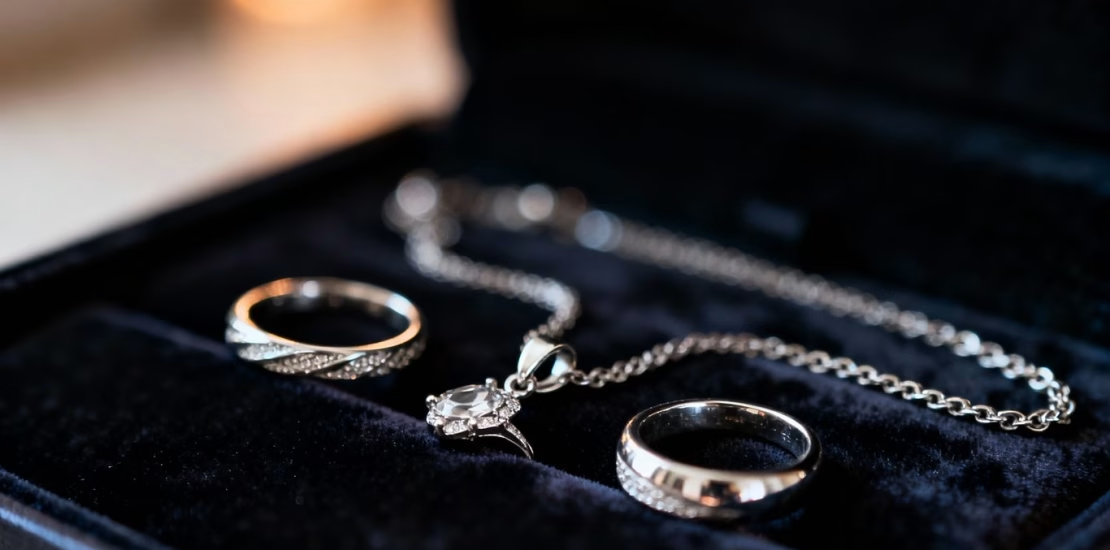
Receiving silver jewelry as part of an inheritance is a bit like opening a treasure trove of memories. Sometimes these pieces hold strong sentimental value, but let's face it, we can't keep everything we inherit. If you find yourself with silver jewelry you don't know what to do with, selling it can be a good option. This article will guide you through the steps of selling your silver jewelry after an inheritance, from appraisal to the final transaction.
Key Takeaways
- Understanding the value of your inherited silver jewelry is the first step. This includes identifying the silver's purity and recognizing distinctive hallmarks.
- Hiring an expert for a reliable appraisal can help you get the right price for your jewelry, especially if it contains gems or is of a special design.
- Several options are available to you for selling: specialist shops, online platforms, auctions, or even direct sales.
- Properly preparing your jewelry for sale, by cleaning it and gathering the relevant documents, can make a difference during the transaction.
- Pay attention to practical aspects such as market prices, potential fees, and ensure that the transaction and payment are secure.
Understanding the Sale of Silver Jewelry After an Inheritance
Receiving silver jewelry as part of an inheritance can be a wonderful surprise, but also a headache. You find yourself with pieces that have sentimental value, but also monetary value. And sometimes, you don't quite know what to do with them. That's when the idea of selling might take root. But before taking the plunge, it's important to understand the situation.
Family Heritage and Silver Jewelry
Silver jewelry is passed down through generations. Think of necklaces, bracelets, rings, brooches… they often have a story to tell. They were worn by your grandmother, your aunt, and carry memories with them. It's not just metal; it's a piece of family history. Sometimes, they are quite old pieces that have survived through the ages. You can find everything: simple everyday jewelry, but also more elaborate, even antique, pieces that have real value.
Why Sell Inherited Silver Jewelry?
There are several reasons why someone might want to sell their jewelry. First, we don't necessarily use everything we receive. Perhaps the style isn't right for us, or we already have enough jewelry. Then there's the financial aspect. Silver jewelry can represent a significant sum of money. If we have projects, renovations, or simply need cash, selling can be a good solution. And sometimes, we'd rather these pieces go to someone who will appreciate them for their true value, rather than having them languish in a drawer.
It's important to remember that selling inherited jewelry isn't about denying your family history. Rather, it's a way to give these objects a new life, a fresh start, and to generate a profit that can be useful today.
The Different Types of Silver Jewelry Found
In an estate sale, you might stumble upon an incredible variety of silver jewelry. You'll often find pieces made of solid silver, such as bracelets, chains, and earrings. There are also pieces adorned with stones, which can be precious or semi-precious. Sometimes, these are pieces signed by jewelers, which can increase their value. Let's not forget silver cutlery, jewelry boxes, or even decorative objects. It's worth looking everywhere, because you never know what you might find.
| Type of Jewelry | Main Material | Possible Ornamentation | Notes |
|---|---|---|---|
| Ring | Sterling silver | Stones, Engravings | Can be old or modern |
| Necklace/Pendant | 925 Sterling Silver | Stones, Symbols | Variety of styles and lengths |
| Bracelet | Solid silver | Links, Charms | Various widths and designs |
| Earrings | Fine silver | Pearls, Crystals | Dangling earrings, flea earrings, hoop earrings |
| Tie pin/clip | Silver plated | Patterns, Enamel | Often more decorative than pure silver |
Evaluate the Value of Your Silver Jewelry
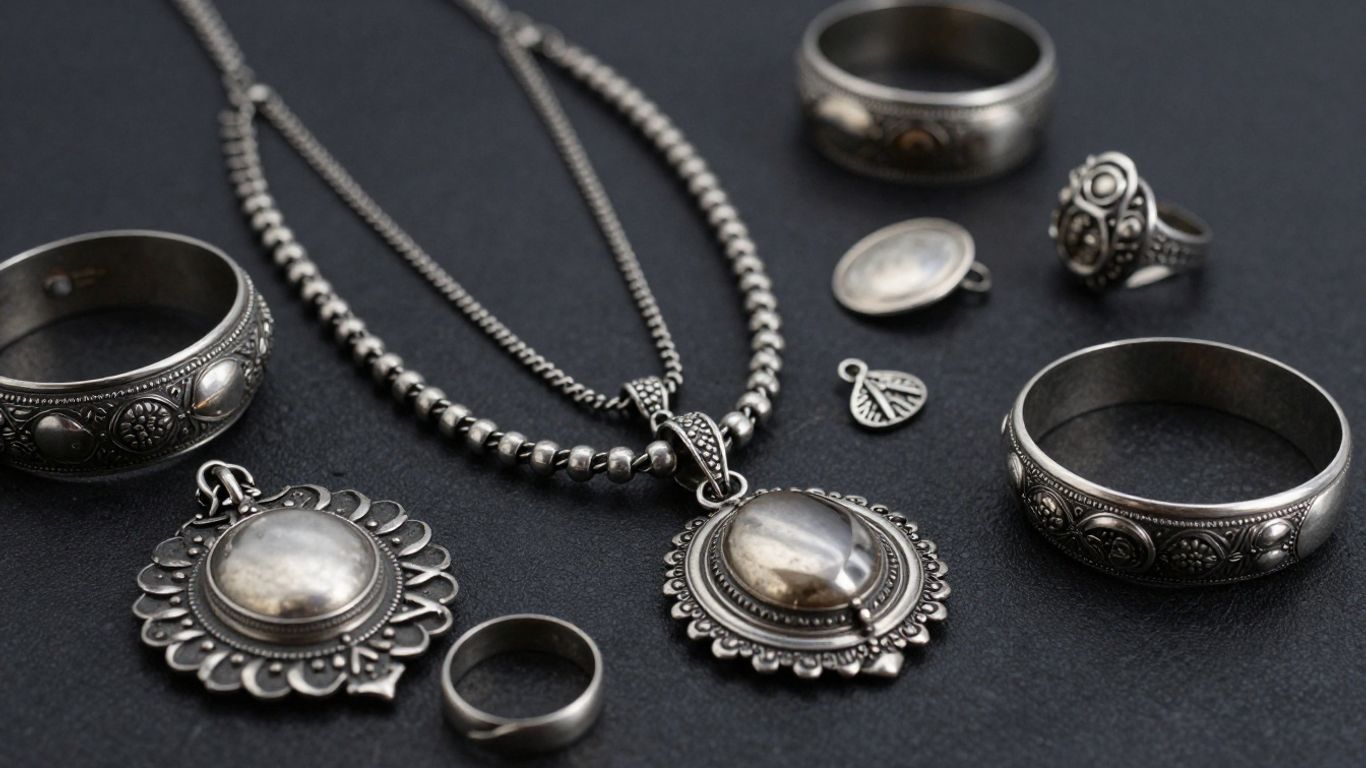
So, you've inherited some silver jewelry and you're wondering how much it's worth? This is a really important step before you even think about selling it. You don't want to get ripped off, do you? You need to know what you're dealing with.
Identifying the Purity of Silver (925, Sterling, etc.)
The first thing to look at is the purity of the silver. It's a bit like the fineness of gold; it tells you how much pure silver is in the metal. Most often, you'll see markings like "925" or "Sterling." This means the piece is made of 92.5% pure silver, the rest usually being copper to make it more durable. Sometimes you might find "999," which is very pure silver, but this is rarer for jewelry because it's quite soft. The higher the number, the purer the silver. This is a key factor in estimating value, as the price of pure silver fluctuates.
Recognizing Distinctive Signs and Marks
Take a good look at your jewelry. There are often small markings engraved on it. It could be the maker's mark, the silver hallmark (like the "925" we were talking about), or even initials. These marks are a bit like the jewelry's identity card. They can tell us where it comes from, who made it, and when. Sometimes, a rare mark or one from a well-known jeweler can add value, even if the weight of the silver isn't enormous. It's a bit like finding a rare old coin; it's worth more than just the metal.
The Importance of Gems and Ornaments
Often, silver jewelry isn't just silver. There are stones, engravings, and details that can make all the difference. If your piece features precious or semi-precious stones, such as diamonds, sapphires, or even turquoise, their quality and size will significantly impact its overall value. You should also consider the quality of the setting and the craftsmanship. A well-made piece with interesting embellishments will be more valuable than a simple, plain sterling silver bracelet.
Hire an Expert for a Reliable Estimate
Okay, all of this can get a little complicated. If you have pieces that seem important, or if you want to be absolutely sure you're making the right choice, the best thing to do is consult a professional. A jewelry expert or a specialized jeweler can examine your pieces, check the hallmarks, assess the quality of the stones, and give you a fairly accurate idea of their value. It's a small investment, but it can save you from selling a treasure for next to nothing. They know the market and what's in demand.
Remember that the value of a piece of jewelry is not just the weight of the metal. It's also the story it tells, the work that went into making it, and sometimes, a little touch of magic that makes it unique.
Where and How to Sell Your Silver Jewelry
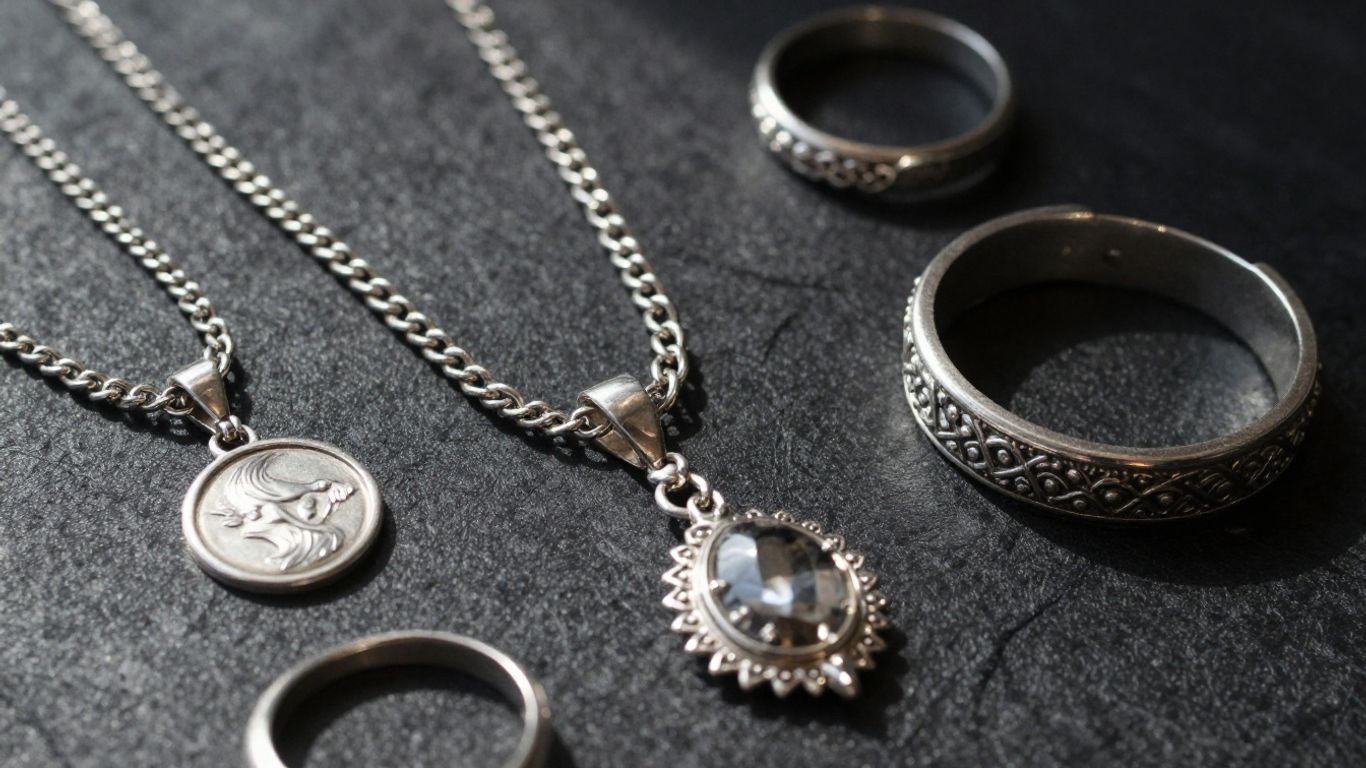
So, you have these silver pieces of jewelry that bring back memories, but you're wondering where and how to give them a new life? That's an excellent question, and the good news is that there are several avenues to explore.
Specialty Shops for Precious Metals
These places are a bit like the neighborhood experts for anything shiny and made of metal. They know the value of silver, especially coins or ingots, but they may also be interested in older jewelry if it has a good silver content. Their advantage is that they know exactly what they are buying and selling. They often have prices based on the current silver market rate, so you'll have a pretty clear idea of what you can get. Consider sites like GOLDMARKET, which specialize in this area. They can offer you prices based on real-time market rates and assist you with the sale.
Online Platforms and Auctions
The internet has opened up a world of possibilities, hasn't it? You can sell your silver jewelry on general sites like eBay, or on platforms more specialized in collectibles or precious metals. Auctions, whether online or in person, can also be a good option, especially if your jewelry has a certain cachet or a story. This is where you can reach buyers from all over the world, and sometimes, it can drive up prices if several people start wanting the same item. You just have to be patient and describe what you're selling clearly.
Direct Sales to Individuals
If you have truly beautiful jewelry, not just raw materials, selling directly to someone who appreciates the style can be very profitable. Think flea markets, yard sales, or even social media groups dedicated to vintage or handcrafted jewelry. There, you can chat with the buyer, share the story behind the piece, and set a price you feel is fair. It's more personal, and you avoid intermediary commissions. However, you must be prepared to negotiate and manage the transaction yourself.
The Role of Money Brokers
Brokers are a bit like specialized intermediaries. They can help you sell your silver jewelry, especially if it's in large quantities or investment pieces. They often have contacts with professional buyers and can get you better prices than if you sold on your own. They do take a commission, of course, but their market knowledge can be worth it. It's an option to consider if you have a lot of silver to sell and want to simplify the process.
It's important to thoroughly research the different options before getting started. Each method has its advantages and disadvantages, and the best choice will depend on what you're selling and what results you expect. Don't rush into anything; take the time to compare offers and understand how the silver market works.
Prepare Your Silver Jewelry for Sale
Before you start selling your inherited silver jewelry, a little preparation can make all the difference. It's a bit like selling an old car: a good cleaning and a few minor touch-ups can really boost its perceived value. So, how can you make your jewelry shine brightly and attract buyers?
Cleaning and Caring for Your Jewelry
This is the first step, and it's super important. Silver tends to tarnish over time; this is called oxidation. Don't panic, it's normal! To restore the shine to your jewelry, a good cleaning is essential. You can use products specifically designed for silver, often available in supermarkets or jewelry stores. Follow the instructions carefully, as some products can be a bit harsh. Another tip is to mix baking soda with a little water to form a paste. Gently rub with a soft cloth, then rinse and dry thoroughly. For delicate chains or jewelry with intricate details, an old, soft toothbrush can help remove grime. A clean and shiny piece of jewelry always makes a better impression.
Gather the Certificates and Invoices of Origin
If you have kept any documents that prove the authenticity or value of your jewelry, now is the time to bring them out. Think gemological certificates if your jewelry has stones, purchase invoices, or even certificates of authenticity from the jewelry house that created the piece. These documents are a bit like your item's identity card. They reassure the buyer about the quality and origin, and they can really help justify a higher price. If you don't have anything, it's not the end of the world, but if you do have this proof, keep it safe.
Photographing Your Jewelry for Sale
These days, most sales are online, so photos are your shop window. Take the time to create beautiful images. Use natural light and avoid flash, which can create unsightly reflections. Place your jewelry against a neutral background, like a white sheet of paper or a plain fabric, so it stands out. Take photos from several angles: an overall view, a close-up of the details, and perhaps even a photo of the piece being worn if it lends itself well to that. Clear, well-lit photos make people want to know more and show that you've taken care of your pieces. It's a bit like a good portrait of a person—it makes people want to get to know you!
Preparation is key. A well-presented piece of jewelry, with clear information, has a much better chance of selling quickly and at the right price. It takes a little effort, but it's well worth it.
The Practical Aspects of Selling
Understanding Silver Market Prices
So, you've decided to sell your inherited silver jewelry. Great! But before you jump in, you need to understand how it works, especially regarding the price. The price of silver fluctuates constantly, a bit like the weather. It's influenced by many things: industrial demand (yes, silver is also used in electronics and solar panels!), financial market speculation, and even the state of the global economy. It is therefore important to take a look at current prices before setting your price.
Here is a brief overview of the factors that influence the price of silver:
| Postman | Description |
|---|---|
| Spot Course | Price of money for immediate delivery, most tracked. |
| Industrial Demand | Use of money in various sectors (electronics, energy…). |
| Global Offer | Amount of money available on the market. |
| Speculation | Buyers' and sellers' anticipation of future price trends. |
| Purity of Silver | The purer the silver (925/1000, 999/1000), the higher its value. |
Fees and Commissions to Expect
When selling, there are often hidden fees, much like when buying a used car. Whether you go through a specialized shop, an online platform, or a broker, there will almost always be commissions. These fees compensate the seller or intermediary for their service. They can vary considerably; sometimes it's a fixed percentage of the sale price, other times it's a flat fee. It's essential to inquire beforehand to avoid any unpleasant surprises. Sometimes, there are also transaction or payment processing fees.
Don't forget to ask for a detailed quote that includes all possible charges. This is the best way to avoid misunderstandings and know exactly how much you will ultimately receive.
Secure the Transaction and Payment
Security is paramount, especially when it comes to money (the metal, not the bills!). Whether you're selling in person or online, vigilance is key. If you're selling to an individual, choose public and well-frequented locations. If you're using an online platform, make sure it's reputable and offers secure payment systems. For payment, bank transfer is often the safest option, but a certified bank check is also acceptable. Avoid cash payments for large sums; it's riskier. And of course, never hand over your jewelry before receiving confirmation that payment has been received and cleared.
Optimize Your Silver Jewelry Sales
Choosing the Right Time to Sell
So, you've decided to sell those inherited silver pieces. Great! But when is the best time to do it? It's a bit like trying to catch the right wave. The price of silver fluctuates all the time, a bit like the weather. Sometimes it skyrockets, other times it slumps. We need to keep an eye on the price of silver.This is especially true if you have coins or ingots, as their value is directly linked to that. For jewelry, it's a bit more complex, but the price of silver remains an important factor.
Negotiate the Best Possible Price
When you arrive at a buyer's, whether it's a jeweler or a specialty shop, they'll want to make a good deal. That's their business! Don't let them intimidate you. If you've done your research, you have a good idea of what your jewelry is worth. Don't hesitate to ask for an explanation of their appraisal. Sometimes they'll focus on the weight of the silver, other times they'll look at the style or the brand. If you have antique pieces or designer jewelry, it might be worth more than just the weight of the metal. You have to be prepared to negotiate, and if the offer isn't right for you, you can always look elsewhere. It's your treasure, after all!
Consider diversifying your assets
You may have inherited several things, not just jewelry. If you find yourself with a lot of cash after the sale, consider what you're going to do with it. Keeping it all at once can be risky. That's where diversification comes in. It means not putting all your eggs in one basket. Perhaps invest some of it in something else, like stocks, real estate, or even other precious metals if that appeals to you. This helps spread the risk. Think of it this way: if one thing goes wrong, the others can compensate. It's a safer way to manage your money in the long run.
Want to sell your silver jewelry? To ensure a successful sale, proper preparation is essential. We'll give you the... best advice To ensure your transaction goes smoothly and you get the best price, discover how to showcase your items and attract buyers. Ready to make a great deal? Visit our website to learn more and get started today!
In conclusion, a word about resale
So, that covers everything. Selling silver jewelry after an inheritance might seem complicated at first, but with a little research, it's perfectly doable. Remember that silver isn't just for show; it has real value, and it can even be a good way to pass something on. If you have coins or ingots lying around, why not check their value? It might be worth consulting specialists like Goldmarket; they seem quite knowledgeable and can help you get a clearer picture. Ultimately, it's just another way to give these items a second life and recoup some of their value.
Frequently Asked Questions
How can I tell if my silver jewelry is worth a lot?
To determine the value of your silver jewelry, look for a small hallmark like '925' or 'Sterling'. This indicates that it's made of pure silver. Antique jewelry, pieces with attractive stones, or unique designs can also be worth more. It's best to consult an expert.
Where can I sell my inherited silver jewelry?
You can sell your silver jewelry in specialized shops that buy precious metals, on websites that sell secondhand items, or even to individuals. Sometimes, jewelers can help you find a buyer.
Should I clean my silver jewelry before selling it?
Yes, it's a good idea to clean your silver jewelry. Gentle cleaning can make it shinier and more appealing to buyers. Use a soft cloth and avoid harsh products that could damage it.
Does the price of silver change often?
Yes, the price of silver on the market changes daily, much like the price of gasoline. It depends on many things, such as the demand for silver in factories or what people think about the economy. It's a good idea to check the current price before selling.
What documents do I need to sell my jewelry?
If you have documents showing the origin of the jewelry, such as an old invoice or certificate, that's always helpful. It helps prove that the pieces are indeed silver and rightfully yours. But if you don't have them, it's not a problem.
Are there any fees when selling silver jewelry?
Often, yes. If you sell through a shop or website, they take a small portion of the money for their service. It's like a commission. You should definitely inquire about these fees before making the sale to know exactly how much you'll receive.