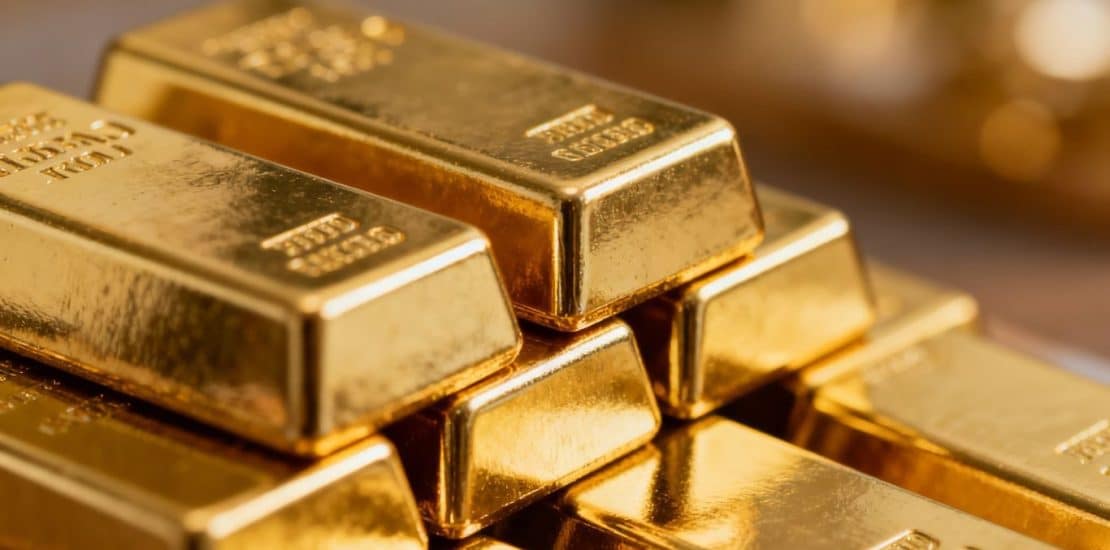
Wondering how the London gold market actually works? That's a great question, as this place is at the heart of global precious metals trading. The London Bullion Market Association, or LBMA for short, plays a central role in all of this. It's not just another association; it sets the rules, validates the quality of the bullion, and ultimately influences investor confidence. In this article, we'll take a closer look at how this institution works and its impact on the gold price. Get ready to see more clearly about the London Gold Market (LBMA): how it works.
Key Takeaways
- The LBMA is the benchmark body that sets standards and regulates the global physical gold market, based in London.
- “Fixing” is a key procedure where the price of gold is determined twice a day, serving as an international reference.
- The LBMA's “Good Delivery” certification is a guarantee of quality and purity for the ingots, essential for their resale.
- Membership in the LBMA is a strict process, reserved for major players in the precious metals market.
- Gold, managed according to LBMA standards, remains a strategic safe haven for central banks and investors.
The LBMA's central role in the gold market
If you're even remotely interested in the gold market, you've definitely heard of the LBMA. But what exactly is it, and why is it so important? Think of the LBMA as the guardian of quality and trust in the world of gold. It's an association that plays an absolutely central role, much like the referee in a game where the stakes are in the billions. Without it, the market would be much more chaotic and less secure for everyone.
Definition and mission of the London Bullion Market Association
The London Bullion Market Association, or LBMA for short, is the world's leading body for gold and silver trading. Headquartered in London, its primary mission is to define and maintain the highest standards for precious metals traded on the market. Think of it as a very exclusive club that sets the rules for everything to run smoothly. It ensures that the gold you buy is of the purity advertised, that it's weighed correctly, and that transactions are transparent. Basically, it's there to ensure the market operates fairly and reliably.
History and evolution of the LBMA
The history of the LBMA is closely linked to that of the London gold market, which itself is very old. For centuries, London was the nerve center of precious metals trading. The LBMA, as we know it today, has structured itself over time to meet the needs of an increasingly globalized and complex market. It has adapted to changing circumstances, particularly with the arrival of digital technologies and the need for ever-more precise regulation. For example, during the 2008 financial crisis, the gold market, overseen by the LBMA, remained surprisingly stable, reinforcing its reputation as a pillar of trust.
The LBMA's influence on investor confidence
The LBMA has a significant impact on investor confidence in the gold market. When you buy an LBMA-certified bar, you have a guarantee of quality and authenticity. This label is a bit like a passport for gold, ensuring its recognition and liquidity worldwide. Refiners who want their products accepted on international markets must obtain LBMA approval. It's a demanding process that ensures only the best products reach the market. This rigor is precisely what allows investors, whether individuals or institutions, to feel secure when investing their money in gold. Without the LBMA, the gold market would be much less attractive and much riskier.
The mechanisms for fixing the price of gold
Ever wonder how the price of gold is determined every day? It's a fascinating process that takes place in London, and the LBMA plays a central role. This isn't just a random fluctuation; there are well-established methods for arriving at this benchmark price. Let's take a closer look.
Fixing is the term used to describe the process that establishes the reference price of gold. Imagine a trading floor, but with a specific method for ensuring everyone agrees on a price. It's not just a price that comes out of nowhere. The idea is to find a balance between those who want to buy gold and those who want to sell it, at any given time. This fixed price is then used as a reference for many transactions around the world.
The two fixing sessions in London
In London, there are two key times of the day when this price is determined: the morning fixing and the afternoon fixing. These sessions take place at specific times, usually around 10:30 a.m. and 15:00 p.m. local time. Why twice a day? Well, the gold market is quite dynamic. Economic events, political news, or even changes in supply and demand can move prices. Having two sessions allows these changes to be reflected and provides a more up-to-date picture of the market. It's a bit like taking two snapshots of the market at different times to see how it's performing.
Continuous price and market volatility
In addition to these two fixing sessions, there is also what is called the 'continuous price' or 'spot price'. This price changes literally every second. It reflects in real time the transactions taking place on the global financial markets. It's a bit like watching the gold market thermometer constantly rise and fall. This spot price can be more volatile than the fixing, as it reacts instantly to all kinds of information. For investors who like to follow the market very closely, this is interesting, but for more stable transactions, the fixing remains an important reference.
The gold market is a complex ecosystem in which the LBMA plays the role of regulator and facilitator. Fixing mechanisms, although currently electronic, aim to establish a fair and transparent price, reflecting the balance between supply and demand at specific times of the day.
Ingot certification: the Good Delivery label
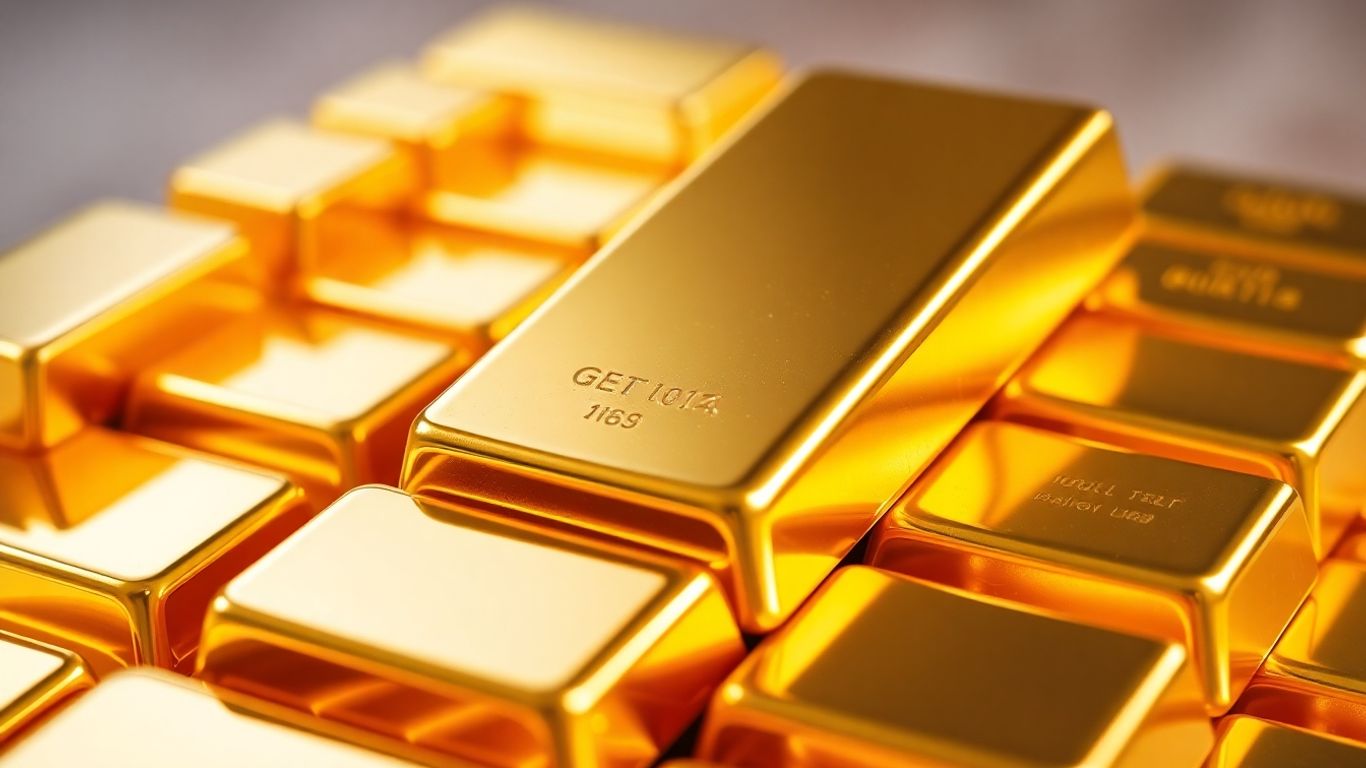
When you buy gold, you want to be sure of what you're getting, right? That's where the LBMA's 'Good Delivery' label comes in. It's a bit like a passport for your bars, it says they're of good quality and follow specific rules. Without it, a bar can lose its value because no one really knows what's inside.
Purity and weight criteria for ingots
The LBMA has fairly strict requirements for a bar to be considered 'Good Delivery'. Basically, the gold must be very pure, at least 99,5%. For standard gold bars, the weight is around 12,5 kg, or about 400 troy ounces. This is important because it allows you to know exactly what you're buying. Imagine buying a product without knowing its exact composition; it would be complicated.
The role of LBMA-approved refiners
Not just anyone can produce these 'Good Delivery' ingots. You have to go through refiners who are approved by the LBMA. These companies are audited and must prove they meet production and ethical standards. Names like PAMP, Metalor, or Umicore—you may have already heard of them—are examples of these recognized refiners. They ensure that the gold they process is well purified and comes from reliable sources.
The Importance of Certification for Resale
So, why is it so important for your ingot to be 'Good Delivery' certified? Well, especially when you want to resell it. An ingot that bears this label is recognized all over the world. Banks, financial institutions, and even other investors trust these ingots because they know they meet the standards. This makes reselling much easier and allows you to get a better price. It's a bit like having a recognized brand on a product; it reassures everyone and facilitates trade.
The 'Good Delivery' label isn't just a formality. It's a guarantee that the gold you own meets the highest standards on the global market. It ensures trust, transparency, and liquidity—key elements when it comes to investing in physical gold.
The structure and members of the LBMA
To fully understand the gold market, you need to know that the LBMA isn't just a price-setting entity. It's a true ecosystem, a sort of club where all the major players in the precious metals world meet. Think of it like a big family where everyone has a role to play to make sure everything runs smoothly.
Composition of the association and types of activities
The LBMA is a bit like a big house that welcomes lots of different professionals. There are banks, of course, which are there to facilitate transactions and provide financing. Without them, imagine the chaos of trading gold! There are also refiners and smelters. They, the artisans, are the ones who transform the raw metal into incredibly pure ingots, while respecting very strict rules. And then there are the traders and brokers, a bit like real estate agents for gold. They act as a link between those who want to buy and those who want to sell, and they are super important for keeping the market fluid.
- Banks and financial institutions: They manage flows, offer lending and deposit services, and actively participate in market liquidity.
- Refiners and smelters: They transform the raw metal into high-purity ingots, compliant with LBMA standards.
- Traders and brokers: They facilitate trade, ensure the connection between buyers and sellers, and play a key role in price formation.
- Carriers and warehouses: They handle the secure logistics of precious metals.
The membership process and requirements for members
Joining this club isn't that simple. The LBMA wants to ensure that all its members are reliable and uphold high standards. To become a member, you generally need to be recommended by three existing members with whom you've worked for a significant amount of time, at least 12 years, in the precious metals field. It's a bit like having good references before you can join a prestigious association. Each applicant is carefully vetted to ensure quality members and preserve the LBMA's reputation.
Membership in the LBMA is a guarantee of seriousness and professionalism, ensuring business partners a secure transaction that complies with international standards.
Market-Makers and their participation in price-setting
Among all these members, there is a rather special group: the Market Makers. These are usually large banks that play an even more important role. They are directly involved in setting gold prices, twice a day, during fixing sessions. They announce their buying and selling prices for various products, such as the spot price or futures contracts. It is thanks to their active participation that the market can determine a clear and reliable reference price for gold.
Here are some of the main market makers involved in price determination:
- Barclays Bank Plc
- Goldman Sachs International
- HSBC Bank USA NA
- J.P. Morgan Chase Bank
- UBS AG
- Bank of America Merrill Lynch
- Citi Bank NA
- Credit Suisse
- Deutsche Bank AG
- Mitsui & Co Precious Metal
- Morgan Stanley & Co International Plc
- Societe Generale
- Bank of Nova Scotia
Gold as a strategic asset and safe haven
You may be wondering why, despite the fluctuations in the financial markets, gold retains such an important place in the global economy. Well, it's because you can consider it a strategic asset, a bit like insurance for your wealth. It has this unique ability to weather crises without losing too much of its value, which makes it a safe haven of choice.
Central Banks' Gold Reserves
You know, central banks, those institutions that manage a country's currency, don't just hold dollars or euros. They also hold enormous amounts of gold. It's a practice that goes back a long way, and even today, it's a sign of stability for their country. Think of it as a giant safe that reassures everyone. These reserves are there to guarantee the soundness of the national currency and the confidence of other countries in the local economy. It's a bit like having a final guarantee in case of a disaster.
Gold as a hedge against inflation and crises
When inflation rises—that is, when prices rise and your money loses value—gold tends to perform well. It doesn't necessarily follow the same paths as stocks or bonds. That's why many people turn to gold when they feel the global economy is a little unstable or inflation is running wild. It's a way to protect your savings, to ensure that your money will retain some of its value, even when everything else seems to be faltering. It's a bit like putting some of your savings in a safe place.
The History of Gold as a Monetary Standard
Gold has a very long history as the basis of our monetary system. For a long time, the value of currencies was directly linked to a certain amount of gold. This was the gold standard. This meant that you could, in theory, exchange your currency for gold. Although this system has evolved and is no longer used in the same way today, this story shows how gold was considered a stable and universal value. This historical perception continues to influence how we view gold today, as a reliable and timeless asset. It's a bit like a trusted heirloom.
Gold, by its physical nature and rarity, has always inspired confidence. Its history as a currency and store of value gives it a unique status, making it attractive to those seeking to preserve their wealth in the face of economic uncertainty. It is this combination of its historical past and its intrinsic properties that makes it a strategic asset.
Here are some key takeaways about gold as a strategic asset:
- Stability: It tends to retain its value, especially during times of economic crisis or high inflation.
- Diversification: Adding gold to your portfolio can help reduce overall risks because it doesn't always react like other financial assets.
- Historical trust: Its long-standing role as a monetary standard gives it legitimacy and global recognition.
- Tangible asset: Unlike stocks or bonds, gold is a physical asset that you can own.
In short, gold isn't just a precious metal; it's a pillar of global financial stability, a kind of safeguard for your money. That's why it's so important to understand its role, especially when it comes to London gold market.
Quality standards and traceability
When you're buying gold, especially as an investment, you want to be sure of what you're getting, right? That's where the LBMA comes in with its super-strict rules on quality and how you can track the origin of gold. It's not just for show; it has a direct impact on the value and confidence you can have in your investment.
The LBMA Responsible Sourcing Program
The LBMA doesn't just check the purity of gold. They've set up something called the "Responsible Sourcing Program." Basically, it means that refiners who want to be recognized by the LBMA have to prove that their gold doesn't come from conflict zones, that it respects human rights, and that there's no illegal financing behind it. It's a bit like an ethical label for gold. It gives you an extra guarantee that your precious metal doesn't have a dark history.
Ensuring the integrity of precious metals
For a bar to be considered "Good Delivery" by the LBMA, it must meet specific criteria. These include purity, generally 999,9‰ for gold, and weight, often around 12,5 kg for central bank bars. Each bar must also have a unique serial number. This is a bit like an identity card for the bar. It allows you to know exactly where it comes from and who made it. Without this, a bar, even if it is pure, can lose a lot of its value because it is difficult to prove its origin and conformity.
The importance of traceability for international transactions
Traceability is key to ensuring gold can move easily around the world. When a bar is LBMA certified, it's recognized by all the major players in the market: banks, financial institutions, and other refiners. This greatly simplifies trade, customs controls, and storage. You know you're buying something that has recognized value everywhere. It's a bit like having a passport for your gold. It makes transactions smoother and more secure, which is incredibly important when you're dealing with large sums of money.
Here is the key information that an LBMA certified ingot must contain:
- The name of the authorized refiner.
- A unique serial number for identification.
- The exact weight of the ingot.
- The purity level (title).
- The date of production or refining.
For us, quality and knowing where the gold comes from are super important. This is how we ensure that everything is done right and that you receive reliable products. We want you to feel confident when you buy from us. Want to know more about how we guarantee the quality of our precious metals Visit our website to find out all the details!
So, what do we take away from all this?
So, now you have a better idea of how the London gold market works, with the LBMA as a backdrop. It's a fairly complex world, let's not kid ourselves, with its own rules and key players. But ultimately, all this aims to ensure that when you invest in gold, you do so with confidence. The LBMA, with its standards and certification, is a bit like the guarantee that assures you that the metal you're buying is of good quality and that it will be recognized everywhere. So, whether you're a small saver or a large investor, understanding this mechanism can really help you see things more clearly and make more informed choices for your assets. It's not so difficult when you take the time to look more closely, is it?
Frequently Asked Questions
What is the LBMA and why is it important for gold?
The LBMA is like the great arbiter of the gold and silver market. Its full name is the London Bullion Market Association. It's located in London, and its job is to make sure everything goes smoothly when you buy or sell gold. It sets rules so that the gold is of good quality, that it's weighed correctly, and that transactions are honest. It's thanks to it that you can have confidence when you buy bullion, because it certifies that they meet very high standards. Without the LBMA, the market would be a bit like the Wild West!
How do you know if a gold bar is good quality?
To know if a gold bar is of good quality, you need to look for the “Good Delivery” label. This label is issued by the LBMA. This means that the bar meets very strict rules: it must be very pure (almost 100% gold), have a precise weight, and be manufactured by refineries recognized by the LBMA. When you see this label, you can be sure that your bar is reliable and that it will be accepted all over the world if you want to resell it.
Who decides the price of gold every day?
The price of gold isn't decided by just one person! There are two key moments during the day in London where the major market players (banks, for example) agree on a price. This is called "fixing." The LBMA organizes these moments. The price changes depending on how many people want to buy and how many want to sell. It's a bit like a giant auction that happens twice a day to set a reference price.
Why do central banks have so much gold?
Central banks, which manage a country's money, keep a lot of gold because it's considered a very safe bet. When there are economic problems in the world, such as a crisis or high inflation (when prices rise too high), gold tends to maintain its value, or even increase. It's like insurance for their country. They also buy it to show that their country is financially sound. It's a tradition that goes back a long way!
Is gold still a good investment?
Gold is often seen as a “safe haven.” This means that even if the economy is doing poorly, gold tends to hold up well. It can protect your money against inflation. But be careful, its price can also go up and down! You shouldn't put all your money in gold, but having a little can be a good idea to balance your other investments. It's a bit like having insurance for your money.
What is the “continuous price” of gold?
In addition to the two daily “fixings,” the price of gold is also visible in “real time” or “continuous.” This means that the price changes constantly, second by second, throughout the day and even at night, when the markets are open. It’s like watching the price of a stock on the stock exchange. This continuous price is useful if you want to buy or sell gold at a specific time, but it can be more volatile than the price set during “fixing” sessions.