
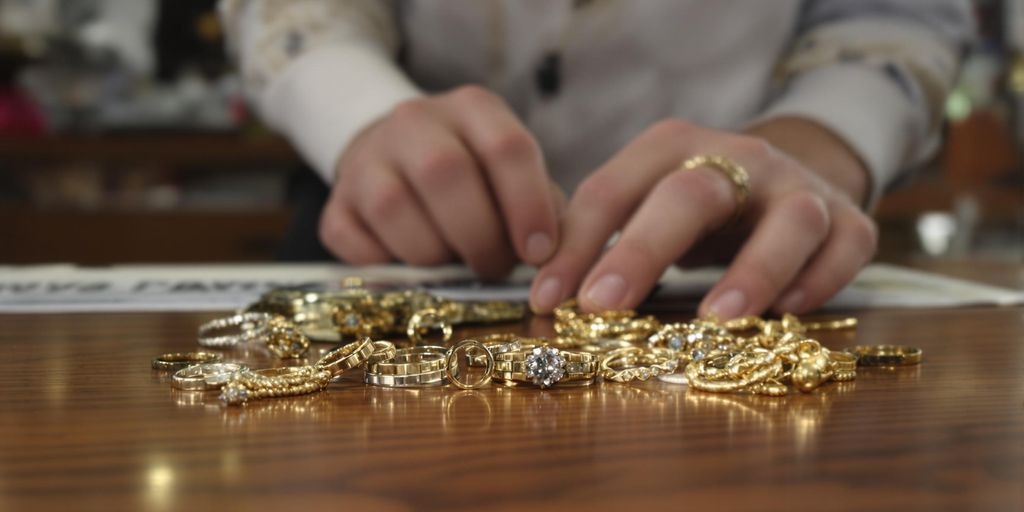
A pawnshop loan is a financial solution that allows you to quickly obtain funds using an item as collateral. This type of loan is particularly useful for those who need money but don't want to permanently part with their valuables. In this article, we'll explore what a pawnshop loan is, how it works, what items are accepted, and much more.
Key points
- Pawning involves depositing an item as collateral to obtain a loan.
- Municipal Credit Unions are the main institutions offering this type of loan in France.
- Pawned items must be appraised by experts to determine their value.
- The loan amount is generally between 50 and 70% of the estimated value of the item.
- In case of non-refund, the item may be sold at auction after a certain period.
Definition of pawnbroking
Basic concept
So, what exactly is a pawn shop? Well, to put it simply, It is a loan where you use something of value as collateral.Imagine you need money quickly, but you don't want to sell your belongings. You can take a piece of jewelry, a luxury watch, or even a piece of art to a specialized institution. They will appraise the item and offer you a loan based on its value. If you repay the loan on time, you get your property back. If not, the institution can sell the item to get its money back. It's a bit like a security deposit, but instead of renting an apartment, you're borrowing money.
History of pawnbroking
Pawnbroking isn't new at all. In fact, it's been around for centuries. Traces of it can be found in China over 2000 years ago! In Europe, it began in the Middle Ages. Pawnbroking establishments, often called pawnshops, were created to help people in need and combat usury, or excessive interest rates. These institutions were often run by charities or municipalities. Today, even though pawnshops Municipal Credit are still there, there are also alternatives.
Differences from other types of loans
Pawnbroking is different from other types of loans, and this can be an advantage or a disadvantage, depending on your situation. Here are some key differences:
- Warranty: Unlike a personal loan, you don't need to provide proof of income or undergo a credit check. The item you pledge serves as collateral.
- Speed: Obtaining a pawn loan is usually very quick. You can get the money within hours, or even minutes, after the item has been appraised.
- Amount: The loan amount is limited to the value of the pledged item. You cannot borrow more than your asset is worth.
- Risk : If you don't repay the loan, you lose the item. This is a significant risk to consider.
Pawning can be a quick way to get cash, but it's important to understand the terms and risks before committing. Make sure you can repay the loan on time to avoid losing your property.
How pawnshops work
Pawning is a bit like putting a valuable item on hold to get quick cash. It's a solution that can help, but you need to understand how it works to avoid unpleasant surprises.
Application process
The process is quite simple. You bring a valuable item to a Crédit Municipal bank, which has a monopoly on pawn shop in France. It's a bit like going to a bank, but instead of applying for a traditional loan, you offer an item as collateral. The advantage is that it's often faster than a traditional bank loan. No need to prove a high income or have a good credit history. It's the item that counts!
Here are the typical steps:
- Presentation of the object: You bring the item you wish to pawn.
- Assessment : An expert assesses the value of the object.
- Loan offer: You are offered a loan amount based on this assessment.
- Acceptance and contract: If you accept, you sign a contract and receive the money.
Evaluation of objects
The appraisal is the key step. This is where they determine how much you can borrow. The experts at the Crédit Municipal banks carefully examine the item. They consider several factors: its overall condition, rarity, market demand, and, of course, the material (whether it's gold, silver, etc.). The loan amount is usually a fraction of the appraised value, often between 50% and 70%. Be aware that this value may be lower than you expected, as they must factor in the risk of having to auction the item if you don't repay.
Refund conditions
Reimbursement is quite flexible, but you have to be rigorous. You have a deadline (often one year, renewable once) to repay the loan plus interest. Interest rates are set by each Crédit Municipal and are generally lower than those for traditional consumer loans, as the risk is limited by the presence of collateral. You can repay in a lump sum or in monthly installments. If you don't repay on time, the item is auctioned. If the sale brings in more than the amount owed, you receive the difference. If it brings in less, you owe nothing more. It's a bit like an auction, but with a safety net.
Pawning can be a quick way to get cash, but it's important to carefully assess the value of the item being pawned and make sure you can repay the loan on time. Otherwise, you risk losing your property permanently. It's a bit like a bet: you have to be sure you can win it before you take the plunge.
Objects accepted as pledge
Pawning is a bit like depositing a valuable item as collateral to get money. But what types of items are accepted? And how does it work in practice? Let's take a look together.
Common Object Types
When we think of pawn shops, we often imagine gold jewelry. And it's true, Jewelry, coins and gold objects represent a large part of the deposited goods. But there are many other possibilities! We can also think about:
- luxury watches
- Silverware (services, cutlery, etc.)
- Musical instruments (guitars, violins, etc.)
- Paintings and works of art
- Collectible wines and spirits
Basically, anything with market value can potentially be pawned. The only thing that needs to be secured is that it's easy to store and resell if necessary. Also, if you have any questions about selling ingots or coins, don't hesitate to ask. here.
Acceptance criteria
Not all items are accepted blindly. There are criteria to be met. The overall condition of the item is essential. A broken piece of jewelry or a watch that no longer works will necessarily have less value. Authenticity is also checked, especially for collectible or luxury items. You must be able to prove that it is indeed a true masterpiece, and not a simple copy. Finally, the market value is determined by experts. They will look at the price of the item on the second-hand market, auctions, etc. to estimate its true value.
Value assessment
The appraisal is the key step. This is where you determine how much you can borrow based on the item. Typically, the loan represents a portion of the appraised value, often between 50% and 70%. This margin helps cover storage and sale costs in the event of default. The appraisal takes several factors into account:
- The state of conservation of the object
- Its rarity and authenticity
- Market demand
- Precious metal prices (for gold and silver)
It's important to note that each Crédit Municipal bank has its own rules and experts. Therefore, valuations can vary from one institution to another. Don't hesitate to have your item appraised at several locations to get a more accurate idea of its value. And if you have solid silver items, know that they may also be accepted.
Where to get a pawn loan?
So, where can you get a pawnbroker? That's a good question, because you don't find them on every street corner. In fact, it's quite specific.
Municipal Credit Union Network
In France, pawnbroking is mainly managed by Crédit Municipal banks. It's kind of their specialty, and they have a long history of providing this type of service. These public institutions are there to offer credit solutions, but also to help people who are experiencing financial difficulties. That's not bad, right?
Municipal credit unions are public institutions. They're there to help people and offer loans at reasonable rates. It's a public service mission, basically. They're located in quite a few cities, so there's a good chance there's one near you.
Specific conditions depending on the municipality
Each municipal credit union has its own rules. It depends on the city, the municipal council, etc. So, what is accepted as inherited gold pledge A loan in Paris may not necessarily be accepted in Marseille. Interest rates can also vary, as can repayment terms. It's best to check directly with your local credit union. Here are some points to check:
- Accepted object types
- The interest rates charged
- Reimbursement conditions (duration, monthly payments, etc.)
Alternatives to Municipal Credit Unions
Well, let's be clear, there are no real direct alternatives to the Crédit Municipal banks for pawn loans. official. On the other hand, there are other options if you need money quickly, but they don't work exactly the same way. We can think of:
- The gold buying shops and jewelry: They buy your precious items directly, but you don't get them back (unless you buy them back later).
- Online sales sites: You can sell your items, but it takes time and there is no guarantee of a sale.
- Peer-to-peer lending: Be careful of rates and conditions; you need to protect yourself.
In short, if you're looking for a pawn loan, the Crédit Municipal bank is the safest and most regulated solution. But if you have other needs, there are other avenues to explore.
Advantages and disadvantages of pawnbroking
Benefits for the borrower
Pawnbroking is a bit like a quick solution when you need money, but don't necessarily want to sell your belongings. The main advantage is the ease of access to credit. No need to prove a huge income or have a perfect credit history. This is a major advantage for those who are often excluded from traditional bank loans.
- Speed: Obtaining a loan is often very quick, sometimes within a few hours. This is very convenient when you have a financial emergency.
- No credit check: Your borrowing capacity doesn't depend on your credit score. It's the item you're pawning that counts.
- Confidentiality: The transaction is discreet and does not affect your banking situation.
Pawnbroking can be a temporary lifeline, but it's important to understand the terms and conditions before committing. It's not free money, remember that.
Associated risks
Of course, there are drawbacks. The main one is the risk of losing the pawned item if you can't repay the loan. Interest rates can also be higher than those of traditional bank loans. It's important to weigh the pros and cons carefully before taking the plunge. If you're considering lending gold, make sure you understand the terms.
- Loss of the item: If you don't pay back, you permanently lose the pawned item. This is a significant risk.
- Interest Rates: Rates can be higher than other types of loans. It's important to shop around before committing.
- Additional costs: Custody and insurance fees may be added to the total cost of the loan.
Comparison with other forms of credit
Pawnbroking differs from other forms of credit by its very nature. Unlike a personal loan, it is secured by an object. This means less paperwork, but also a greater risk of losing something of value. Here's a quick comparison chart to help you understand:
| Characteristic | Pawnbroker | Personal loan | Overdraft |
|---|---|---|---|
| Guarantee | Pawned object | No | No |
| Speed of obtaining | Very fast | Variable | Immediate |
| Interest rate | Generally higher | Variable | Very high |
| Risque | Loss of the object | Debt | Significant fees if authorized overrun |
Legal aspects of pawnbroking
Pawnbroking, like any financial transaction, is governed by specific legal regulations. These rules aim to protect both the borrower and the lender, ensuring transparency and fairness in the process. In France, the legal framework is particularly strict, given the important social role played by pawnbroking institutions, particularly the Caisses de Crédit Municipal.
Regulations in France
In France, Municipal Credit Unions hold a monopoly on pawn loansThis is an important specificity. These public institutions are defined in the Monetary and Financial Code as "municipal public credit and social assistance institutions." This means that only these funds are authorized to practice pawnbroking. This regulation aims to protect consumers against usury and abusive practices.
Borrower's Rights
The borrower in the context of a pawn loan benefits from several fundamental rights:
- Right to clear and precise information on the conditions of the loan, including the interest rate, fees, and repayment terms.
- Right to a fair and transparent valuation of the pledged item. The borrower must be informed of the valuation method and have the opportunity to challenge the valuation if it appears incorrect.
- Right to recover the property by repaying the loan and interest within the specified timeframe. These timeframes are clearly defined in the loan agreement.
It is important to note that the borrower has the right to withdraw within 14 days of signing the loan agreement. This allows them to reverse their decision if they wish, without having to justify their decision.
Consequences of non-reimbursement
If the borrower fails to repay the loan within the stipulated timeframe, the pledged item is sold at auction. However, the procedure is regulated to protect the borrower:
- The borrower is informed of the date and location of the auction.
- If the auction price is higher than the loan amount, plus interest and fees, the difference is returned to the borrower. This is called the "bonus."
- If the sale price is less than the amount owed, the borrower is not liable for the difference. This is an important protection against excessive debt. It is crucial to understand the conditions of purchase before committing.
Economic impact of pawnbroking

Role in the local economy
Pawnbroking, often seen as a last resort, actually plays a significant role in the local economy. It provides an immediate source of liquidity to individuals and small businesses, allowing you to meet unforeseen expenses or finance short-term projects. The Municipal Credit Unions, public institutions that hold the monopoly on pawnbroking in France, reinvest part of their profits into social actions, thus contributing to local development. It's a bit like a virtuous circle, the money lent returns in some way to the community.
Effects on consumption
The impact of pawnbroking on consumption is complex. On the one hand, it can allow households to maintain their consumption levels in the event of temporary financial difficulties. On the other hand, it can lead to a decrease in consumption if borrowers have to cut back on their spending to repay their loan. It's also important to consider that pawned items sometimes end up being sold at auction if the loan isn't repaid, which can fuel the second-hand market and change consumption habits. Basically, it really depends on each individual's situation.
Market trends
The pawnbroking market is constantly evolving, influenced by general economic conditions, interest rates, and commodity prices (especially gold). There is a diversification of items accepted as pawn, with the arrival of new types of goods such as musical instruments, luxury watches, and works of art. In addition, the digitalization of the sector, with the possibility of making online estimates and monitoring one's loan remotely, could attract a new clientele. It is interesting to note that municipal credit unions adapt their offers to remain relevant in a changing economic context.
Pawnbroking, although often overlooked, is a financial tool that can have a significant impact on the local economy and consumer habits. Its social role and its adaptation to new market trends make it a key player in the French economic landscape.
Here are some observed trends:
- Increase in the number of small-value loans.
- Diversification of pawned items.
- Development of online services.
Pawnbroking has a significant impact on the economy. It allows people to quickly access money using valuables as collateral. This not only helps borrowers cover unexpected expenses, but it also stimulates the market for valuables. If you'd like to learn more about how pawnbroking can help you, visit our website to discover our services and offers. Don't miss this opportunity!
Conclusion
In short, pawnbroking is an attractive option for those who need money quickly but don't want to part with their belongings. It's a system that allows you to secure a loan using valuables as collateral. Municipal credit unions play a key role in this process by offering secured loans. If you're considering this option, make sure you understand the terms and conditions, particularly regarding the loan term and interest rates. It can be a good alternative for overcoming temporary financial difficulties.
Frequently Asked Questions
What is a pawnshop?
It is a type of credit where you deposit an item as collateral to get money.
What items can be pawned?
Jewelry, watches, artwork, and other valuables can be pawned.
How does the repayment of a pawn loan work?
To get your item back, you must repay the loan amount and interest.
What happens if I don't repay the loan?
If you do not repay within two years, the item may be sold at auction.
Where can I get a pawn loan?
Pawn loans are often offered by Municipal Credit Unions.
What are the advantages of a pawn loan?
One of the advantages is that you can get money quickly without selling your items.
