
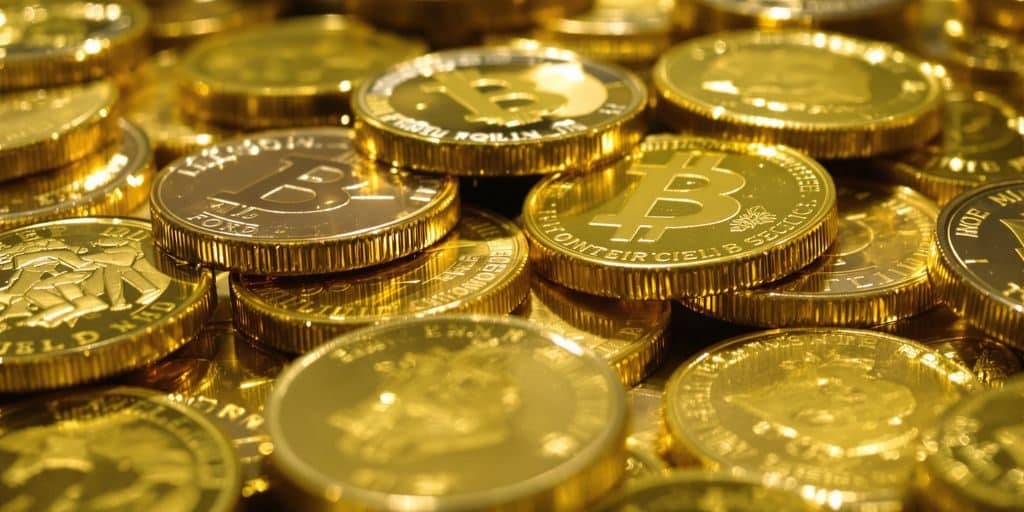
Wondering which gold coin has the best resale value? That's an excellent question when you're thinking about investing in gold. We're going to take a look at the most popular coins on the market, the ones that will allow you to best sell your investment. It's not always easy to navigate, so we're going to break it all down to help you make the right choices.
Key Takeaways
- The 20 Francs Marianne Coq and the Napoleon 20 Francs are a safe bet in France, appreciated for their history and liquidity.
- International gold coins such as the British Sovereign, the 10 Dollar US Eagle Indian Head and the Vienna Philharmonic are also highly sought after.
- Rarity, year of minting, purity and weight are determining factors for the resale value of a gold coin.
- The condition of a gold coin has a direct impact on its value; it is often best not to clean it.
- To sell at the best price, favor specialized dealers or auctions for rare pieces, in order to optimize the added value.
Identify the most sought-after gold coins for resale
To successfully resell your gold coins, you first need to know which ones are in highest demand on the market. It's not just a matter of gold weight; there are other things to consider. Think of it like selling a car: a well-maintained car with a clear history will sell better, right? It's a bit the same with gold coins.
Understanding the Value Criteria of a Gold Coin
Several factors come into play when determining the resale value of a gold coin. Of course, the price of gold is the main factor, but it's not the only one. You also have to consider the coin's condition, its history, and even its year of minting. Sometimes, a small difference can make a big difference.
- Purity and weight: This is the basis. The more fine gold a coin contains, the higher its intrinsic value. Bullion coins are generally designed to have a standardized weight and purity, which makes them easier to evaluate.
- Conservation state : A coin in perfect condition, without scratches or visible wear (known as "Fleur de Coin" or "Brilliant Uncirculated"), will be worth more than a damaged coin. It's a bit like with old books; condition matters a lot.
- Rarity and year of minting: Some mintage years are rarer than others, either because fewer coins were produced or because many were remelted. A rare coin, especially one with an interesting history, can attract collectors and sell for more than its intrinsic value.
It's important to understand that the value of a gold coin is not limited to its weight in precious metal. Numismatic aspects, such as rarity or condition, can add a significant premium to its resale value.
The importance of rarity and year of minting
Rarity plays a key role. If a coin was produced in very small quantities or if a particular vintage is difficult to find, its value can increase. For example, some early French coins, such as certain Napoleons, can have numismatic value that far exceeds the mere price of gold. Therefore, it's important to research the history of the coin you own. The year it was minted can also be an indicator of rarity. A coin minted during a time of unrest or monetary change may be more sought after.
Purity and weight: determining factors
These two elements are fundamental to calculating the base value of your coin. Purity, often expressed in carats or thousandths (for example, 999,9‰ for pure gold), indicates the proportion of gold in the coin. Weight, on the other hand, determines the total amount of gold it contains. Coins like the British Sovereign or the Napoleon 20 Francs have well-defined weights and purities which are essential for estimating their value on the physical gold market.
The 20 Francs Marianne Coq: a prized French symbol
The 20 Francs Marianne Coq is a French gold coin that's really popular with investors and collectors. It's super iconic, you know, with Marianne on the obverse and that proud rooster on the reverse. It's a true symbol of the French Republic, and that speaks to people.
What's really convenient about this coin is that it's very easy to resell. It's super liquid, which means there's always someone willing to buy it, whether in France or even abroad. It's easily found among professionals in the precious metals market, and its value is fairly stable, which is reassuring when investing.
And then there's another significant advantage: taxation. For private investors, it benefits from a rather advantageous tax regime. Basically, you don't have to pay VAT on it, and upon resale, you can choose the precious metals tax regime or the capital gains tax regime. This can make a real difference in the final profit.
An emblematic piece of the French Republic
The 20 Francs Marianne Coq is more than just a gold coin. It truly represents France, with Marianne, a symbol of freedom, and the Gallic rooster, which embodies vigilance and bravery. It was minted between 1899 and 1914, and although it was re-minted later, the original mints are particularly sought after. It's a piece of history with true symbolic value.
High liquidity and easy resale
What makes the Marianne Coq so attractive for resale is its high liquidity. It's in high demand on the market, which means you'll generally have no trouble finding a buyer. Whether you go through a specialist dealer or even an auction for rarer coins, its international recognition makes transactions much easier. It's a bit like the master key for French gold coins.
Advantageous taxation for investors
For those thinking about the long-term financial aspect, the tax treatment of the 20 Francs Marianne Coq is a strong point. It is exempt from VAT, which is already a positive. Then, when reselling, you have the choice between two tax regimes: the Precious Metals Tax (TMP) or the capital gains tax. This choice allows you to optimize your gains according to your personal situation. This is a significant advantage for a gold investment.
The Napoleon 20 Francs Gold: a timeless classic
The Napoleon 20 Francs Gold is a bit like the gold coin that has survived the ages without aging. Launched in 1803, it replaced the good old Louis d'Or and even served as a monetary reference in several European countries thanks to the Latin Union. It's simple: if you have a Napoleon in your collection, you're holding a piece of history.
A historical and numismatic asset
What makes the Napoleon so special is its history. It was minted en masse, but many were remelted over time. As a result, coins in good condition are becoming increasingly rare, which increases their numismatic value. It's not just a gold coin, it's a collectible with a real story behind it.
A strategic advantage over other pieces
Compared to other coins, such as the Marianne Coq, for example, the Napoleon often commands a slightly higher premium. This means that its potential for increased value can be more attractive. It's a good compromise between accessibility and profitability, especially if you're looking to diversify your assets. It's a safe bet, recognized in France and Europe, which makes it much easier to buy and resell. To start investing in gold, Napoleon 20 francs is really a solid choice.
A proven and liquid safe haven
In times of economic uncertainty, the Napoleon is a safe haven of choice. Its premium can even skyrocket during crises, as seen in 2008. Its high popularity makes it very easy to resell, which is a big plus when you want to access your capital quickly. It's a coin that has proven itself and continues to attract investors and collectors.
International gold coins with high resale potential
Beyond France's borders, several gold coins enjoy excellent reputations and strong demand on the international market. If you're looking to diversify your investments or understand what makes certain coins particularly sought after for resale, take a look at these safe bets.
The British Sovereign: History and Prestige
The British Sovereign is an investment coin that has survived the centuries, bearing the effigy of various British monarchs, including Queen Elizabeth II. Its 22-carat gold (916,67‰) composition and its weight of approximately 7,99 grams make it a classic. Its strong recognition, particularly in Commonwealth countries, ensures appreciable liquidity. It's a bit like owning a piece of British history, and that still has a certain value.
The 10 Dollar US Eagle Indian Head: a cultural heritage
Launched between 1907 and 1933, the 10 Dollar American Eagle coin with an Indian head is a true work of art. With its unique design depicting an American Indian head and an eagle, it appeals to more than just numismatists. It is made of 900‰ gold, with a total weight of 16,72 grams. Its value is not only based on its weight in gold, but also on its historical and cultural significance in America. It is a symbol of a bygone era, and that's what attracts people.
The Vienna Philharmonic: a symbol of security
The Vienna Philharmonic, issued by the Austrian Mint, is a coin of exceptional purity (999,9‰). It exists in several denominations, the most common of which for investment is the XNUMX-ounce coin. Its reverse, depicting the great organ of the Vienna Musikverein, and its obverse, showing the orchestra's instruments, give it a strong cultural identity. It is highly valued in Europe for its simplicity, purity, and international recognition, making it a solid choice for those seeking a reliable safe haven. It is a coin that inspires confidence, a bit like a promise of stability.
These international coins, due to their history, purity, and recognition, offer interesting resale prospects. Consider them if you want to broaden your investment horizons beyond French classics. It's always good to know what's happening in the global gold market, and these coins are good examples of what works well. If you're looking to diversify your assets, taking a look at international gold coins may be a good idea. For example, the British Sovereign is a proven piece.
Factors influencing the resale value of a gold coin
When you decide to sell your gold coins, several factors will affect the price you get for them. It's not just a question of the weight of the gold—far from it. You have to look a little further.
State of conservation: an essential criterion
This is perhaps the most important thing, really. A piece that has been well kept, without too much handling, is immediately noticeable. If it's still in its original packaging or sealed, even better. Micro-scratches or normal wear and tear can really lower the value. Even a small flaw like a scratch, wear on the details, or a little overzealous cleaning can cost a lot when it comes to resale. You really have to be careful not to damage your coins. If you have a rare coin, keeping it in pristine condition is the key to getting the most out of it.
Understanding the bonus: what is it?
The premium is a bit like the bonus you can get beyond the simple value of the gold contained in the coin. It comes from its design, its history, its rarity—in short, everything that makes it special. To fully understand it, you have to look at several things: the history of the coin, how it compares to other similar coins on the market, and of course, how the price of gold evolves. This premium can really make a difference and make a coin more interesting for a collector, even if it weighs the same as another one.
The impact of supply and demand on the market
As with everything, the price of your gold coins will also depend on how many people want them and how many are for sale. If a coin is highly sought after by collectors and there aren't many on the market, its price will logically rise. It's a bit like with collectibles: the rarer and more in-demand it is, the more expensive it is. So you have to keep an eye on market trends and what people are looking for at any given time. Sometimes, a coin that wasn't so popular before can become very popular thanks to an event or a new trend.
Where to sell your gold coins to maximize the added value
So, you have some gold coins and you're wondering where to sell them to get the most value? This is a great question, because where you sell them can really make a difference in the final price you get. There are several options, each with its own pros and cons. It's important to think carefully to avoid getting ripped off.
Jewelry stores: a convenient starting point
It's often the first instinct: visit the local jeweler. It's convenient, sure, and you may already know the professional. However, it's important to know that not all jewelers are necessarily experts in antique or collectible gold coins. Their main interest will often be the weight of the gold itself, and they may not recognize the numismatic or historical value of your coin. If you have a common coin and you're looking for a quick sale, that might be fine. But if your coin is rare or in perfect condition, you might not get the best price. Think of it like selling a classic car to a garage that only does routine repairs; they won't necessarily see its full potential.
- Advantage: Ease of access, speed of transaction.
- Disadvantages: Limited expertise, potentially lower prices.
- Tip: Compare offers from several jewelry stores before deciding.
Specialist traders: expertise and trust
For a more accurate appraisal and a price that truly reflects your coin's value, dealers specializing in precious metals or numismatics are usually the best route to take. These people know the market inside and out. They know how to assess rarity, condition, and mintage, and they closely monitor the price of gold. They have the equipment and expertise to authenticate your coins and offer you a price based on solid expertise. It's a bit like going to a specialist for a medical problem; you're more likely to get an accurate diagnosis and appropriate treatment. If you're looking to maximize your added value, this is often the place to go. Don't hesitate to consult recognized professionals, such as those who specialize in buying gold coins.
- Advantage: In-depth expertise, fairer prices, transaction security.
- Disadvantages: Fewer in number than jewelry stores, need to travel.
- Tip: Check that the dealer is well established and has a good reputation.
Auctions: for rare pieces
If you're lucky enough to own particularly rare, antique, or highly sought-after gold coins, auctions can be a great option. They attract buyers from all over the world, often willing to pay top dollar for exceptional pieces. This is where the numismatic value can really shine. However, be aware that auctions involve fees: auction house commissions, insurance fees, and so on. Furthermore, the final price is never guaranteed and will depend on the enthusiasm of the bidders that day. You also need to be patient, as the process can take time before you receive your money. This is an option to seriously consider if you have a truly unusual coin.
- Advantage: Potential for very high prices for rare coins, international visibility.
- Disadvantages: High costs, uncertainty of final price, longer sales time.
- Important: Have your coins appraised by an expert before auctioning them to get an idea of their value.
Wondering where to sell your gold coins to get the best price? That's a great question! It's important to know where to look to make your sale as profitable as possible. Don't worry, we'll guide you. To discover the best places and tips, visit our website now!
So, which gold coin should you choose?
So, now you have a better idea of which gold coins sell well. Whether you opt for a classic like the Napoleon or the Marianne Coq, or prefer to explore other horizons, the important thing is to do your research. Think about what matters most to you: ease of resale, historical value, or perhaps a bit of both. Ultimately, the gold market can seem complex, but with a little research, you'll find the coin that best suits your needs. Happy gold hunting!
Frequently Asked Questions
How do you know if a gold coin will sell well?
To determine which gold coin has the best resale value, you need to consider several factors. First, its rarity: a coin that was produced in small quantities will be more sought-after. Then, the year of manufacture can play a role, as older coins often have a particular charm. The purity of the gold and its weight are also very important in calculating its base value. Finally, the coin's condition is crucial; a well-maintained coin will always be worth more.
Which French coin is easiest to resell?
The 20 Franc Marianne Coq coin is often cited as a very attractive resale coin in France. It is easily recognizable and widely known. Its popularity makes it a relatively easy sell. Furthermore, it benefits from tax advantages that make it more attractive to those looking to invest in gold.
Why is the Napoleon 20 Francs Gold a good choice for resale?
The Napoleon 20 Francs Gold coin is a classic that appeals to many. It has a story behind it, which gives it value beyond the gold it contains. Compared to other coins, it often has a good resale margin. It's a safe bet, like a little pocket money that increases in value over time.
Which foreign gold coins are interesting for resale?
There are several foreign gold coins that are highly sought after. For example, the British Sovereign is valued for its history and prestige. The 10 Dollar US Eagle Indian Head is also a coin with significant cultural value. The Vienna Philharmonic is recognized worldwide for its safety and purity. These coins are often in good demand internationally.
What is the 'premium' of a gold coin?
The 'premium' on a gold coin is the difference between its value as a collectible (or for its rarity, history, etc.) and the simple value of the gold it contains. If a coin is worth more than the gold price that it contains, it is because it has a premium. This premium can change depending on the demand and rarity of the coin.
Where can I sell my gold coins to get the most money possible?
To sell your gold coins and get the best price, you can visit several types of venues. Jewelry stores are convenient for a quick sale, but they aren't always experts in rare coins. Specialized dealers are familiar with the gold market and can give you a more accurate opinion and a better price, especially if your coins have numismatic value. For truly exceptional or rare coins, auctions can be a good option to reach passionate collectors.