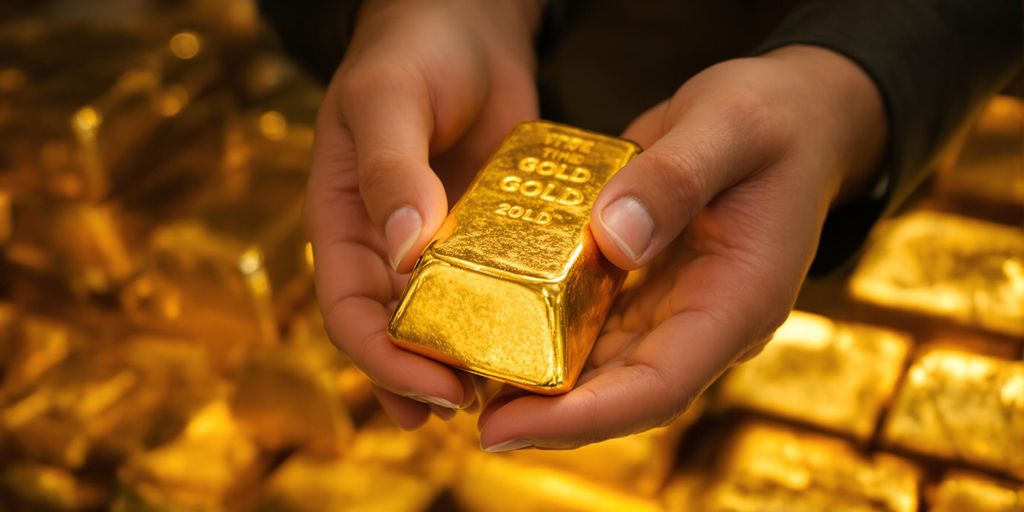
You're probably wondering what a gold broker does. It's a good question, because it's not always clear to everyone. Basically, when you want to buy or sell gold, it can quickly become complicated. There are plenty of things to know and pitfalls to avoid. That's where a broker comes in. They're there to help you see things more clearly and make the right choices. Let's take a look at exactly what a gold broker does and why it's often a good idea to use one.
Key Takeaways
- The gold broker acts as a link between those who buy and those who sell gold, in addition to being a market expert.
- It offers services such as market analysis, personalized advice and access to trading platforms.
- Working with a broker helps secure transactions, maximize profits, and ensure the quality of the gold.
- A broker is not a trader; their methods and goals are different.
- To choose a good broker, you need to look at their transparency, reputation and knowledge of the rules.
Understanding the Fundamental Role of a Gold Broker
The role of a gold broker is often misunderstood, but it's essential for those looking to invest in this precious metal. Essentially, they act as an intermediary, much like a real estate agent, but for gold. They're there to facilitate transactions and give you the tools you need to make the right decisions. They're not just a salesperson; they're an advisor.
The intermediary between buyers and sellers
A gold broker is, above all, a facilitator. It connects those who want to buy gold with those who want to sell it. He doesn't just take orders; he makes sure both parties find common ground. He's a bit like a matchmaker, but for precious metals. These can be individuals, companies, or even financial institutions. His job is to make the market more accessible and efficient for everyone. Imagine trying to sell gold bars Without knowing anyone in the industry, it would be a pain! The broker saves you that.
The gold market expert
Beyond simply connecting people, a broker is expected to be an expert. They must know the markets inside and out, follow prices in real time, and understand the factors that influence prices. They must be able to analyze trends, anticipate movements, and advise their clients accordingly. It's not just a job; it's a passion. They must know when it's the right time to...buy gold, to sell, or to wait. He must also know the different forms of gold available (ingots, coins, etc.) and their characteristics. Basically, he must be a reliable and relevant source of information.
The importance of trust in the relationship
In this business, trust is paramount. You're entrusting your money to someone, and you have to be sure they're honest and competent. A good broker must be transparent about their fees, their working methods, and the risks associated with each transaction. They must listen to your needs, understand your goals, and offer you tailored solutions. It's a long-term relationship based on respect and transparency. If you feel like your broker is hiding things from you or is more interested in their commissions than your best interests, it's time to change. Here are some points to consider when building a trusting relationship:
- Check your references and experience.
- Ensure that it is registered with the relevant authorities.
- Ask for clear explanations of your fees and commissions.
A gold broker isn't just an intermediary; they're a partner. They're there to help you achieve your investment goals by providing the information and advice you need. They should be your ally in the complex world of gold markets.
Essential services offered by a gold broker
A gold broker is like your GPS in the sometimes complex world of gold investing. They don't just tell you where to go; they help you understand why you're going there and how to get there in the most efficient way possible. It's much more than just buying and selling gold.
In-depth market analysis
Gold brokers spend a large part of their time scrutinizing the markets. They analyze trends, price fluctuations, and economic factors that can influence the value of gold. It's detective work, in a way. They use technical and fundamental tools to try to predict what will happen next. Imagine having someone follow the Gold prices for you, day after day, and who explains to you what this means concretely for your investments. This is exactly what a gold broker does.
Personalized and strategic advice
Personalized advice is where a gold broker truly stands out. They take the time to understand your financial goals, your risk tolerance, and your investment horizon. Then, they develop a tailored strategy to help you achieve your goals. It's not a one-size-fits-all approach. It's like having a financial coach who understands your strengths and weaknesses and guides you step by step. They can advise you on the best time to buy or sell, the types of gold that best suit your needs (bars, coins, etc.), and ways to diversify your portfolio.
Privileged access to trading platforms
Gold brokers often have access to trading platforms that individual investors can't easily access. These platforms offer advanced tools, real-time data, and in-depth analytics that can help you make more informed decisions. It's a bit like having a VIP seat at a concert. You get a better view, better sound, and a more enriching overall experience. Additionally, these platforms often allow for faster and more efficient trade execution, which can be crucial in a constantly changing market. They can help you sell gold at the best price.
Essentially, a gold broker is your ally in navigating the world of gold investing. They provide you with the knowledge, tools, and advice you need to make informed decisions and achieve your financial goals. It's an investment in itself, one that can save you time, money, and a lot of stress.
The Benefits of Using a Gold Broker
Using a gold broker is a bit like having an ally in a world that can seem opaque. We often wonder if it's really worth it, but in reality, the benefits are numerous and can make a real difference in the long run.
Securing transactions
Safety is key, especially when it comes to gold. A gold broker makes buying easier and the sale, ensuring that everything is done properly. He verifies the authenticity of the gold, takes care of the legal and administrative aspects, and minimizes the risk of fraud. It's a bit like having a bodyguard for your investments.
Profit optimization
A gold broker can help you maximize your profits. He knows the markets, the trends, and knows when to buy or sell to maximize your profits. He can also advise you on the best investment strategies based on your profile and goals. It's a bit like having a GPS for your finances.
Here are some examples of strategies that a broker can implement:
- Buying during periods of falling prices
- Resale during market peaks
- Diversification of investments (coins, ingots, etc.)
Expertise on the quality and value of gold
Gold isn't just gold. There are different types, different qualities, and different factors that influence its value. A gold broker is an expert in this field. They can assess the purity, weight, and origin of the gold, and give you an accurate estimate of its value. They can also help you avoid scams and make informed choices.
Trusting a broker means ensuring you have all the information you need to make the best decisions. It's a long-term investment that can save you time, money, and, most importantly, peace of mind.
Distinction between gold broker and trader
It's important to understand the difference between a gold broker and a dealer, as they operate differently. Choosing between the two will depend on your investment goals and risk tolerance. You could say a broker is a bit like an advisor, while a dealer is more like a trader.
Different roles and working methods
A gold broker acts as an intermediary between buyers and sellers. He does not own the gold himself, but facilitates transactions for his clients. He analyzes the market, provides advice, and executes buy or sell orders. A dealer, on the other hand, buys and sells gold directly. He takes a position in the market and may hold a large inventory. The dealer therefore takes more risk, but can also potentially make greater profits.
Impact on investment objectives
If your goal is to invest for the long term and benefit from personalized advice, a broker may be the best choice. They will help you develop a strategy and make informed decisions. If you are more interested in quick trades and are willing to take risks, a trader may be more suitable. It is important to note that traders may have interests that diverge from yours, as they seek to maximize their own profits.
Fee and commission structure
Gold brokers typically charge commissions on transactions or advisory fees. Dealers, on the other hand, make their profits by buying gold at a lower price than they sell it for. It's important to understand each provider's fee structure before making your choice. Here's a simplified comparison table:
| Characteristic | Gold broker | Gold Trader |
|---|---|---|
| Role | Intermediate | Direct Buyer/Seller |
| Inventory | No | May hold inventory |
| Tips | Yes | Generally no |
| Cost | Commissions or consulting fees | Margin on purchase/sale |
| Risque | Lower | Higher |
It's essential to carefully assess your needs and goals before choosing between a broker and a dealer. Take the time to compare the services, fees, and reputations of different professionals before making a decision. Don't hesitate to ask questions and seek references. Understanding the margins applied by gold buyers is also important for making an informed decision.
Criteria for choosing a reliable gold broker
Choosing a reliable gold broker is a bit like choosing a good mechanic for your car: you want someone you can trust, who knows what they're talking about, and who won't rip you off. It's a significant investment, so you might as well do it right. Here are some points to consider to make the right choice.
Transparency of operations
Transparency is key. A good broker should be clear about their working methods, fees, and how they handle transactions. No gray areas, no complicated jargon that we don't understand. They should be able to explain to you simply how they work and why they recommend certain strategies over others. If they hesitate to answer your questions or give you the impression they are hiding things, that's a bad sign. Transparency is essential to building a lasting relationship of trust. For example, ask them how they handle investment custody rights.
Reputation and experience of the professional
Experience matters. A broker with several years of experience in the gold market will necessarily have a better understanding of trends, risks, and opportunities. But experience isn't everything. Reputation is just as important. Find out what other clients think of them. Check online reviews, ask for references, and don't hesitate to contact former clients for their opinions. A broker with a good reputation is a guarantee of reliability and professionalism.
Knowledge of current regulations
The gold market is subject to strict regulations, and a good broker must know them inside and out. They must be aware of the latest laws and tax obligations related to buying and selling gold. They must also be able to advise you on the legal aspects of your investments. A broker who is unfamiliar with the current regulations can cause you serious problems, so make sure they are well informed and follow the rules.
Choosing a gold broker is a lot like choosing a partner. You need to take the time to get to know them well, check their credentials, and make sure they're trustworthy. Don't hesitate to ask questions, request clarification, and do your own research. It's your money, after all, and you have the right to know where it's going.
Here are a few things to check:
- Check its registration with regulatory bodies.
- Ask for examples of successful transactions.
- Make sure he has professional liability insurance.
The different types of fees associated with broker services
When using a gold broker, it's important to understand how they're paid. It's not always obvious at first, but knowing the different types of fees helps you avoid unpleasant surprises and properly assess the true cost of your investments. Broadly speaking, there are three main categories of fees to watch out for.
Investment custody rights
This fee is what you pay the broker to keep your gold safe. Think of it like renting a safe deposit box. These fees are generally calculated as a percentage of the value of your assets. It's a bit like paying for insurance on your gold. Some online brokers don't charge any, but others can charge as much as 0,10% per year. It's important to shop around, as it can add up quickly, especially if you have a large amount of gold.
Subscription fees for services
Some brokers offer additional services, such as access to advanced trading platforms or in-depth market analysis. To take advantage of these, you often have to pay a subscription fee. These fees can be fixed, for example, 7 euros per month, or vary depending on the services included. It's a bit like choosing a phone plan: the more options you have, the more expensive it is. Therefore, it's important to carefully evaluate whether these additional services are truly useful for your investment strategy. If you're just starting out, it may not be necessary to take the most expensive subscription. However, if you're an active trader, it may be worth it.
Commissions on transactions
These are the most common fees. Every time you buy or sell gold, the broker charges a commission. The amount of this commission can vary depending on the broker, the type of gold you are buying (bars, coins, etc.), and the amount of the transaction. Typically, these commissions are at least €2, but can go up to €15. It is important to understand the structure of the fees. transaction fees before you start, because they can significantly impact your profitability, especially if you make a lot of transactions.
It's always advisable to carefully evaluate all the costs before choosing a gold broker. Don't hesitate to request simulations and compare offers. A transparent broker will clearly explain all the costs associated with their services.
Here is a small comparison table to give you an idea:
| Type of fee | Indicative amount | Notes the content for the h2
The impact of gold prices on brokerage activity
The price of gold is a bit like a barometer of a broker's activity. It directly influences their decisions, strategies, and even their income. It's a bit like the weather for a farmer: you have to constantly monitor it and adapt.
Reference to the international gold price
The gold broker does not work in a vacuum. It bases its prices on the international price of gold. This price, generally expressed in dollars per ounce, fluctuates constantly depending on supply and demand, geopolitical events, interest rates, and many other factors. A broker must therefore be able to follow these developments in real time, and interpret them to best advise his clients. It is important to know where to consult reliable gold prices online.
Reselling strategies based on fluctuations
A good broker doesn't just follow the price; he anticipates its movements. If the price is low, he can advise his clients to buy, in anticipation of a future rise. If the price is high, he can encourage them to sell to make a profit. He must therefore have a good knowledge of the financial markets and be able to analyze trends to make the right decisions. It's a bit like playing chess: you always have to be several moves ahead.
Influence of global stock exchanges on prices
Global stock exchanges, such as London, New York, or Hong Kong, play a major role in setting the price of gold. The trading volumes conducted there are enormous and can significantly move prices. A broker must therefore closely monitor what is happening in these markets and be able to react quickly to events. For example, an announcement from the US Federal Reserve can have an immediate impact on the price of gold. You must be responsive and informed.
A gold broker must therefore be an expert in financial markets, a sharp analyst, and a wise advisor. Their role is not limited to buying and selling gold; they must support their clients in their investments and help them make the best decisions based on their profile and goals.
Le gold price is constantly changing, and that changes the life of a gold broker a lot. When gold rises, people want to buy or sell it, which gives the broker more work. But when the price falls, it's quieter. To fully understand how it works and see live prices, visit our website. You will find all the information you need to manage your gold properly.
Conclusion
So, that's it. A gold broker is like your guide in the world of gold. They help you see things clearly and make the right decisions for your money. It's still better to have someone who knows the market well, right? Especially when it comes to an investment like gold. So, if you're thinking about buying or selling gold, a good broker can really make a difference. They give you a helping hand so that everything goes smoothly and you're happy with your choice.
Frequently Asked Questions
What is the difference between a gold broker and a simple gold seller?
A gold broker acts as a bridge between those who want to buy gold and those who want to sell it. They don't buy gold themselves, but help clients find the best deals and complete their transactions safely. They are there to guide and advise you.
What are the benefits of working with a gold broker?
The gold broker provides personalized advice, analyzes the market for you, and helps you make informed decisions. They also ensure that your transactions are secure and that you get the best possible price for your gold.
Can a gold broker help me understand the gold market?
Yes, a good gold broker knows the gold market very well. They track prices, understand what makes them move, and can tell you when it's the right time to buy or sell. They're a true expert!
What types of fees should I expect with a gold broker?
Gold brokers can charge different types of fees. There may be fees for keeping your gold safe (custodial fees), fees for accessing their services (subscription fees), and fees for each transaction (commissions). It's important to understand these fees before you begin.
How can I be sure I'm choosing a reliable gold broker?
To choose a reliable broker, make sure they're transparent about their operations and fees. Also consider their reputation and experience: How long have they been in business? Are they well-known? Finally, make sure they comply with all applicable rules and laws.
How does the price of gold influence a broker's work?
The price of gold is constantly changing, and this directly impacts the broker's work. They must adapt to these changes to provide you with the best possible advice. For example, if the price rises, they might suggest you sell to make a good profit. They use global prices to help you make the best decisions.