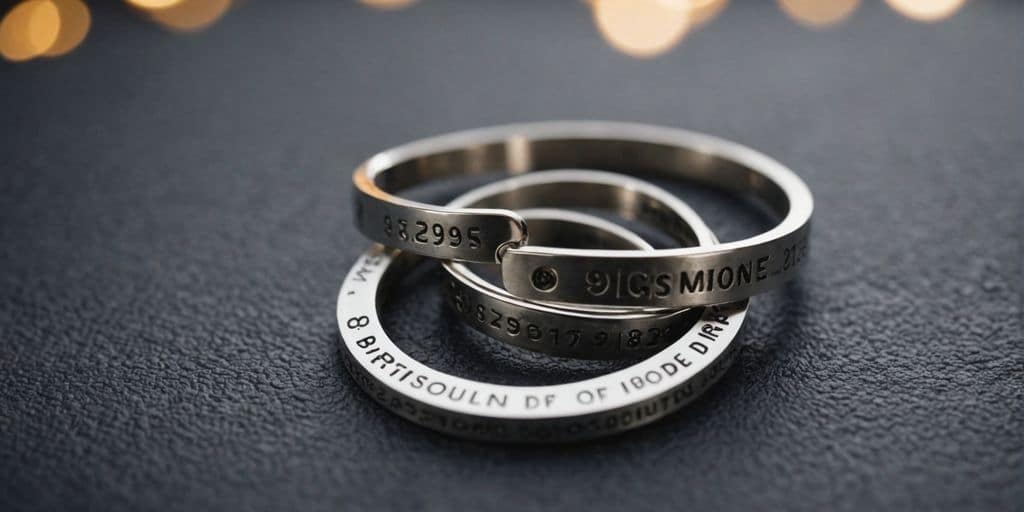
When it comes to silver jewelry, it’s common to see the number 925 engraved on pieces. But what does this number really mean? This article takes an in-depth look at 925 silver, its characteristics, and its importance in the world of jewelry.
Key points
- 925 silver, also known as sterling silver, contains 92,5% pure silver and 7,5% other metals, usually copper.
- 925 silver is prized for its durability and strength, making it ideal for jewelry making.
- 925 silver jewelry is hypoallergenic, making it safe for people with sensitive skin.
- It is possible to recognize a 925 silver jewel thanks to its specific hallmark, often marked '925'.
- To maintain your 925 silver jewelry and prevent it from tarnishing, it is recommended to clean it regularly with suitable products.
What is 925 silver?
Definition of 925 silver
925 silver, also known as sterling silver, is a precious metal that is highly prized in jewelry. The number 925 indicates that the alloy contains 92,5% pure silver., the remainder usually being copper. This mixture makes the silver more resistant and durable, ideal for creating jewelry.
Composition of sterling silver
Sterling silver is composed of 92,5% pure silver and 7,5% other metals, primarily copper. This combination helps make the silver more malleable and stronger. Pure silver, being too soft, is not practical for making complex jewelry.
Difference between pure silver and 925 silver
Pure silver, also called 999 silver, is composed of 99,9% silver. It is very malleable and fragile, which makes it difficult to use in jewelry. On the other hand, 925 silver, thanks to its alloy with copper, is much more robust and suitable for creating durable and resistant jewelry.
The advantages of 925 silver for jewelry
Resistance and durability
925 silver, also known as sterling silver, is very resistant thanks to the addition of copper. This makes it perfect for everyday jewelry that needs to withstand wear and tear. Unlike pure silver, which is too soft, 925 silver keeps its shape and shine for longer.
Hypoallergenic and skin safe
925 silver is Hypoallergenic, which means it is unlikely to cause allergic reactions. It is a safe choice for those with sensitive skin. Plus, it does not contain harmful metals like nickel, which are often responsible for irritation.
Ease of customization
Sterling silver is easy to work with, allowing jewelers to create intricate and personalized designs. Whether engraving a name, date, or special symbol, sterling silver offers great flexibility. This makes it a popular choice for personalized gifts like engagement rings or pendant necklaces.
How to recognize a 925 silver jewel?
The guarantee hallmark
To identify a piece of 925 silver jewelry, the most reliable way is to look for the guarantee hallmark. In France, all silver jewelry over 30 grams must be hallmarked. The 925 hallmark indicates that the jewel is made of 92,5% pure silver. You can also find hallmarks like S925, 92.5 or even the head of Minerva.
Simple tests to perform at home
There are a few simple tests you can do at home to check if your jewelry is 925 silver:
- White fabric test : Rub the jewel with a white cloth. If it leaves black marks, it is a good sign, because silver oxidizes on contact with air.
- Magnet test : Silver is not magnetic. If your jewelry is attracted to a magnet, it is probably not 925 silver.
Visual differences with other metals
Sterling silver has a more opaque color compared to silver-plated jewelry, which is often shinier. Additionally, sterling silver jewelry may develop a slight patina over time, giving it a more authentic look. Be careful of jewelry made of “German silver” or “alpaca,” which are actually alloys of copper, zinc, and nickel, not real silver.
By paying close attention to these details, you can avoid scams and ensure that you are purchasing genuine 925 silver jewelry.
Caring for 925 silver jewelry
Why does 925 silver tarnish?
925 silver, also called sterling silver, can tarnish over time. This is due to oxidation, a natural process where silver reacts with sulfur in the air. Even if it is inevitable, there are ways to slow down this process.
Tips for cleaning and shining
To restore the shine to your 925 silver jewelry, here are some simple tips:
- Use products specifically designed for silver, such as cleansing baths.
- Rub gently with a microfiber cloth impregnated with a non-toxic treatment.
- Try dry wipes for a quick clean.
- For a homemade solution, use a toothbrush and toothpaste, or hot water with dishwashing liquid.
How to avoid oxidation
To prevent your 925 silver jewelry from tarnishing too quickly, follow these tips:
- Store them in a jewelry box away from air, light and humidity.
- Avoid direct contact with chemicals such as perfumes and cosmetics.
- Wear your jewelry regularly, as friction against the skin can help prevent oxidation.
By taking care of your 925 silver jewelry, you can prolong its shine and beauty for many years.
The different types of silver used in jewelry
999 pure silver
Pure silver, also called 999 silver, is composed of 99,9% silver. This is the purest type of silver that can be found. However, it is very malleable and therefore less used for jewelry because it can easily deform.
950 Sterling Silver
950 silver contains 95% pure silver and 5% other metals, usually copper. This alloy is stronger than pure silver while retaining much of its shine. It is often used for high-quality coins.
800 Sterling Silver
800 silver is made up of 80% pure silver and 20% other metals. It is less valuable than other types of silver but remains popular for some jewelry and decorative items due to its increased durability.
Bimetallism is a monetary system in which two metals, usually gold and silver, are used as the standard of value. This system has had historical ups and downs but has helped stabilize economies for long periods of time.
The history and use of 925 silver
Origins of Sterling Silver
Sterling silver, also known as 925 silver, has deep roots in history. The Anglo-Saxons used this metal to mint their coins. The term sterling comes from this period, meaning a high quality coin. 925 silver contains 92,5% pure silver., which makes it both valuable and durable.
Historical use in jewelry
For centuries, sterling silver has been prized for jewelry making. Its malleability allows for intricate and detailed designs. Craftsmen have used it to make necklaces, rings, and bracelets, often adorned with gemstones. Sterling silver is also prized for its ability to be polished to a brilliant shine.
925 silver today
Today, 925 silver remains a popular choice for jewelry. It is not only beautiful but also hypoallergenic, making it safe for skin. Modern jewelers continue to explore new ways to work with this metal, creating unique and personalized pieces. Whether it is for wedding rings, pendants or earrings, 925 silver continues to shine in the world of jewelry.
Conclusion
In short, the number 925 on your silver jewelry indicates that it is composed of 92,5% pure silver, mixed with 7,5% of other metals, often copper. This mixture, also called sterling silver, gives a beautiful shine and great durability to your jewelry. So, the next time you see this number, you will know that it guarantees the quality and authenticity of your jewelry. Take care of it, and it will accompany you for a long time with shine and elegance.
Frequently Asked Questions
What is 925 silver?
925 silver, also called sterling silver, is an alloy composed of 92,5% pure silver and 7,5% other metals, usually copper. This alloy is used in jewelry for its durability and strength.
How to recognize a 925 silver jewel?
To recognize a piece of jewelry in 925 silver, look for the hallmark '925' or 'Sterling'. You can also rub the jewelry with a white cloth: if it leaves black marks, it is probably silver.
Why does 925 silver tarnish?
925 silver tarnishes due to oxidation, a natural process where silver reacts with air and moisture. This can cause the jewelry to become dark or black.
How to clean 925 silver jewelry?
To clean 925 silver jewelry, use a soft cloth and a little white vinegar. Rub gently, rinse with water and dry with a clean cloth to restore their shine.
Is 925 silver hypoallergenic?
Yes, 925 silver is generally hypoallergenic and safe for skin. However, some people may be sensitive to added metals like copper.
What is the difference between pure silver and 925 silver?
Pure silver is 99,9% silver, but it is too soft to be used in jewelry. 925 silver, on the other hand, contains 92,5% pure silver and 7,5% copper, making it more durable and suitable for jewelry making.