Wondering how interest rates influence the gold market? It's a relevant question, especially when trying to understand the movements of this precious metal. Gold is often referred to as a safe haven asset, but its price is also linked to broader economic factors, such as central bank interest rate decisions. In this article, we'll take a closer look at this link and what it means for gold market forecasts.
Key Takeaways
- The relationship between interest rates and the gold price It's often the opposite: when interest rates rise, gold can fall, and vice versa. This is because higher interest rates make other investments, such as bonds, more attractive.
- Central bank monetary policies, particularly decisions on key interest rates, have a direct impact on the value of gold. An accommodative policy (lower interest rates) tends to support the price of gold.
- Beyond interest rates, the global geopolitical and economic context plays a major role. Gold is often sought after during periods of uncertainty, which can drive up its price independently of interest rates.
The impact of interest rates on the gold market
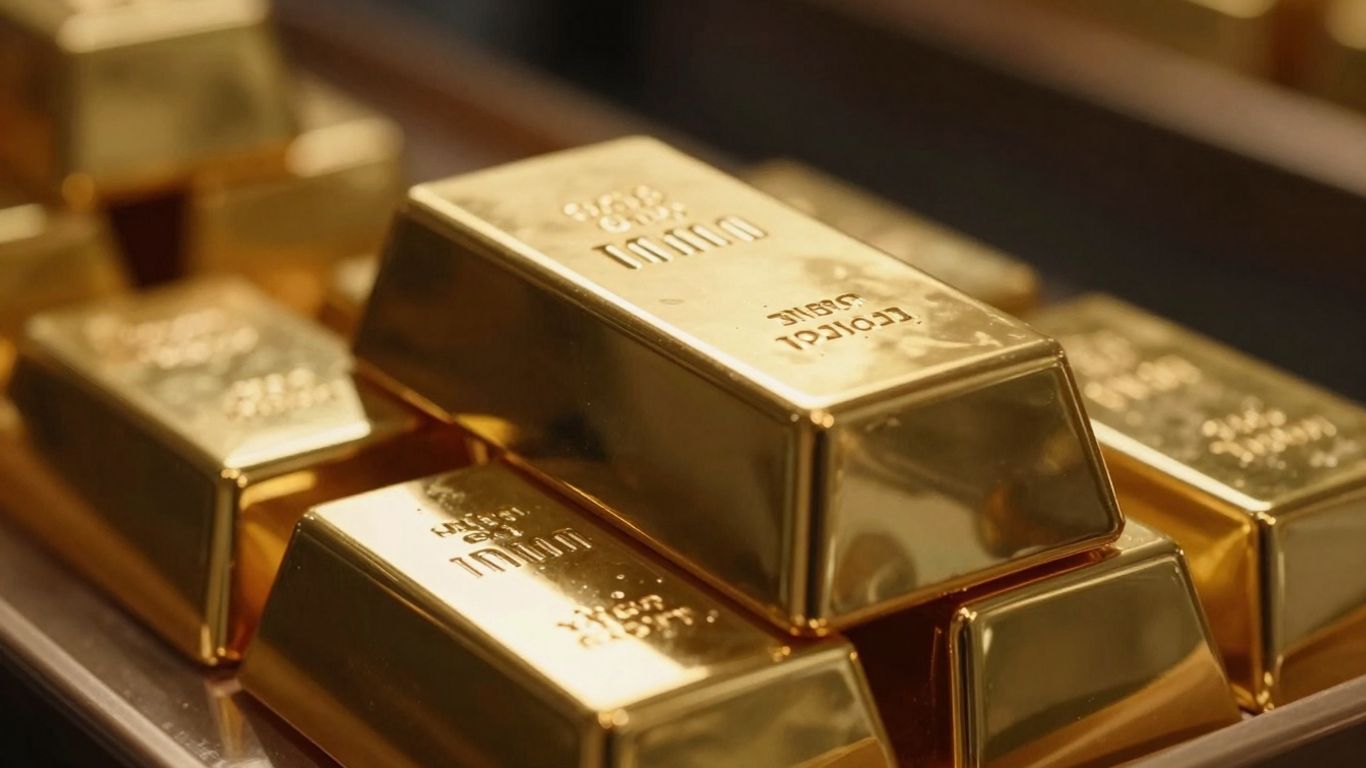
You're probably wondering how central bank decisions regarding interest rates can influence the price of gold. It's a very relevant question, because the relationship is quite direct, even if it might seem a bit complicated at first. Basically, when interest rates are low, gold becomes more attractive to investors. Why? Because gold itself doesn't pay interest. If you can invest your money in bonds that offer a good return, you'll be less tempted by gold. But if those same bonds offer very little or no return, gold, despite its lack of yield, becomes a more attractive option for investing your capital, especially if you're looking to protect it.
Understanding the relationship between interest rates and the price of gold
Imagine interest rates as a tap controlling the flow of money to different types of investments. When central banks, like the ECB or the Fed, decide to lower their key interest rates, it makes borrowing cheaper. For investors, this means that interest-bearing investments, like government or corporate bonds, become less profitable. As a result, gold, often seen as a safe haven, becomes more attractive. It's a bit like, faced with low returns elsewhere, thinking, "What if I put some of my money into gold?" It is this comparison of yields that plays a key role.
Here are some points to remember:
- Low interest rates = More attractive gold: When interest rates are low, gold is inexpensive to hold compared to income-generating assets. The missed opportunity to earn interest on other investments makes gold more desirable.
- Inflation and rates: Often, a decrease in interest rates can be accompanied by a more accommodative monetary policy, which can ultimately stimulate inflation. Gold is traditionally considered a good hedge against inflation, as it tends to retain its value when the purchasing power of currencies declines.
- High interest rates = Pressure on gold: Conversely, if interest rates rise significantly, higher-yielding investments become more attractive. Investors might then sell gold to buy bonds or other financial products that offer better returns, which could drive down the price of gold.
It's also important to remember that gold isn't just a simple financial investment. Its price is also influenced by factors such as geopolitical tensions, industrial demand, and central bank purchases. So, while interest rates are a significant driver, they aren't the only thing dictating the gold market's trends.
Monetary policies and their influence on safe-haven assets
Monetary policies, conducted by central banks, have a direct impact on the perception of gold as a safe haven asset. When central banks adopt accommodative policies—that is, when they lower interest rates and inject liquidity into the economy—this can create an environment of uncertainty. Financial markets may become more volatile, and confidence in fiat currencies may erode. In this context, gold, with its millennia-long history as a stable store of value, naturally attracts investors seeking to secure their wealth. It's a bit like seeking a safe harbor when a storm is brewing. Monetary policy decisions, whether aimed at stimulating the economy or controlling inflation, therefore shape the demand for gold as an asset of last resort.
Factors influencing gold market forecasts
To accurately anticipate gold price fluctuations, you need to look beyond simple interest rates. Other factors play a significant role, and understanding them will help you make a better investment decision.
The role of central banks and financial institutions
Central banks, you know, those large institutions that manage a country's currency, have a fairly direct influence on the gold market. They hold enormous quantities of gold in their vaults, a bit like insurance. When they decide to buy or sell gold, it can move prices. For example, if a central bank starts buying a lot of gold, it can signal a certain distrust of traditional currencies or a desire to stabilize its economy. This reduces the supply available on the market, which, logically, can drive prices up.
- Increase in gold reserves by central banks: This can reduce the available supply and support prices.
- Gold sales by central banks: This increases supply and can put downward pressure on prices.
- Monetary policies: Decisions regarding interest rates (as we have seen) or quantitative easing influence the attractiveness of gold relative to other assets.
International financial institutions, such as the International Monetary Fund (IMF) and the European Central Bank (ECB), also play a role. Their analyses and recommendations can influence the decisions of central banks and major investors, thereby creating ripples in the gold market.
Gold, by its very nature, is often seen as a tangible asset that escapes the political decisions of governments. However, the actions of the institutions that regulate these governments have an undeniable impact on its value.
The influence of the global geopolitical and economic context
The world often goes through periods of uncertainty, and that's when gold truly shines. When there are geopolitical tensions, conflicts, or even just concerns about the global economy, people tend to seek safe havens. Gold, with its millennia-long history as a store of value, becomes very attractive in these situations. Think about periods of crisis: stock markets can plummet, currencies can become unstable, and in this chaos, gold offers a sense of security. That's why it's called a "safe haven."
Here are some situations that can influence the price of gold:
- Geopolitical tensions: Armed conflicts or major political crises increase the demand for gold.
- Economic uncertainties: An impending recession, high inflation or financial instability are pushing investors towards gold.
- US Dollar Performance: Historically, gold and the dollar have had an inverse relationship. When the dollar weakens, gold tends to increase in value, and vice versa.
In 2024, for example, we saw that despite interest rate cuts, it was primarily geopolitical concerns that drove up the price of gold. It's almost as if fear overridden economic calculations. Therefore, to predict the price of gold, one must keep a close eye on world events, as unforeseen events can have a much greater impact than usual economic trends.
Several things can cause the price of gold to fluctuate. For example, what's happening in the worldEconomic problems or wars can make gold more attractive to people who want to keep their money safe. The amount of gold available and demand from jewelers or investors also play a significant role. Even central bank decisions regarding silver can influence the market. To better understand how these factors affect the price of gold, visit our website and explore our in-depth analyses.
So, what are the key takeaways for your strategy?
So, now you have a better understanding of how interest rates can affect the price of gold. It's not always straightforward, is it? Between central bank decisions and global events, the gold market certainly keeps us on our toes. For you, this means staying alert. Don't expect fixed forecasts; the financial world is constantly evolving. Keep an eye on bank announcements and economic news. Staying informed is the best way to adjust your own choices, whether you're looking to protect your savings or try to grow your capital. Think carefully before making your next decision.
Frequently Asked Questions
Why do interest rates influence the price of gold?
When interest rates are low, gold becomes more attractive. This is because gold doesn't pay interest like a bond. If rates are low, other investments offer little return, making gold more appealing. Conversely, if rates rise, investments that pay interest become more attractive, and gold may seem less appealing.
Is gold still a safe bet?
Yes, gold is often considered a safe haven, especially during times of uncertainty. When there are economic problems or tensions in the world, people tend to buy gold to protect their money. It's as if gold retains its value when other things lose theirs.
How do central bank decisions affect gold?
Central banks, such as the Bank of France or the US Federal Reserve, wield considerable influence. When they decide to lower interest rates, it can make gold more attractive to investors. Conversely, if they purchase large quantities of gold for their own reserves, this can also drive up its price.