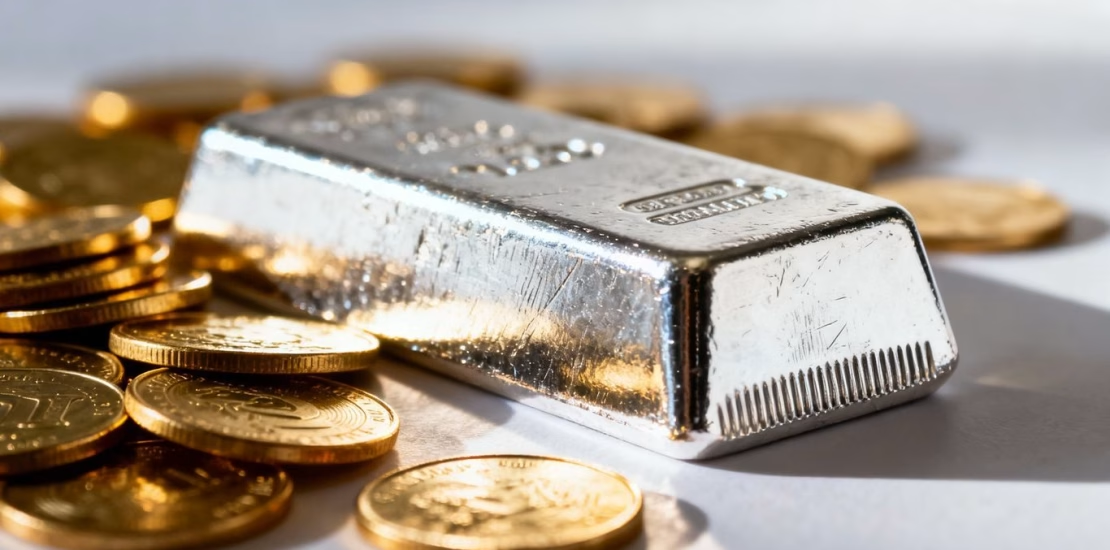
There's a lot of talk about real assets these days, and silver is one of them. It's not just something shiny; it has real value, rooted in history and useful today. We'll see why silver is a real asset, and not just a passing fad. It's a bit like going back to basics, but with an eye on the future.
Key Takeaways
- Money, used for millennia as a means of exchange, proves its value over time.
- Beyond its financial aspect, money is essential in modern technologies and the energy transition.
- Investing in physical silver is accessible, easy to resell, and offers a tangible alternative to financial markets.
- Certified silver ingots, conforming to international standards, guarantee purity and traceability.
- Silver acts as a safe haven asset, protecting your wealth against inflation and economic uncertainties.
Why Silver Is a Real Asset
An Ancient Heritage, A Timeless Value
Silver isn't just a shiny metal found in jewelry or cutlery. No, it's so much more than that. Think of silver as an old friend who has always been there, throughout the ages. Since antiquity, civilizations have used it for trade and to store their wealth. The Greeks, the Romans, the Chinese—all used silver in the form of coins to facilitate their exchanges. It was the metal of the people, the one that allowed people to buy and sell every day. Unlike gold, often reserved for kings and temples, silver was more accessible, more democratic. It has served as the basis for many currencies throughout history, much like the Spanish peso influenced the dollar. It is this long history that gives it a value that remains constant, regardless of trends or crises.
Money, a Historical Pillar of Trade
Just imagine: thousands of years ago, when you wanted to trade goods, you didn't pull out your credit card! You used silver coins. It was the simplest and most reliable way to assign value to what you were buying or selling. In the Middle Ages, it was the same; silver was everywhere in the European monetary system. And then, with the great explorations, enormous mines were discovered in Latin America, which allowed for the minting of even more coins and strengthened its role in global trade. It's truly a metal that shaped our economy, long before the invention of banks or stocks.
From the Currency of Yesteryear to the Asset of Today
What's fascinating is that silver hasn't lost its allure over time. It has evolved from a simple currency to an investment asset. Today, when we talk about silver, we often think of bars or certified coins. It's a way to retain tangible value, something you can touch, own. It's a bit like returning to the roots of wealth, but with modern and secure formats. This shift from physical currency to investment asset clearly demonstrates its robustness and its ability to adapt to economic changes. It is this continuity that makes money a smart choice for securing one's assets.
Silver, Much More Than Just a Precious Metal
A Dual Dimension: Financial and Industrial
When we think of money, we often picture jewelry or coins. But money is so much more than that. Unlike gold, which is primarily seen as a financial asset, money has a dual nature. It's both a store of value, much like gold, and incredibly important to many industries. That's what makes it truly special.
Essential in Future Technologies
You see, silver is a key component in many technologies we use every day, and these technologies are going to become even more important. Think of your smartphone, your computer, or even the solar panels that are popping up everywhere. Silver is in them! It's a super conductor, which makes it perfect for electronics. And with the transition to renewable energy, its demand is only increasing. It's not just a metal; it's kind of the lifeblood of innovation.
Silver is used so much in the industry that it is sometimes said to have a
Investing in Physical Money: A Strategic Choice
So, why get into buying physical silver? It's a question many people ask, and frankly, it's a really smart move for many reasons. First of all, let's be honest, silver isn't gold; it's more accessible. This means that even with a tighter budget, you can build up a small reserve of precious metal. It's not like you have to mortgage your house to buy a gold bar, you know?
Financial Accessibility for All Savers
That's what's so great about silver. Unlike gold, which requires a larger initial investment, silver is more accessible. You can start with small amounts, buy small coins or bars weighing just a few grams. This makes investing in precious metals much less intimidating and more realistic for most people. It's a bit like starting to save: you begin small and build up gradually. And then, the fact that it's a real, tangible asset changes everything. You see it, you touch it, it's yours, not just a number on a screen. It's a pretty unique feeling of security. Think about diversify your assets with tangible assets.
An Advantageous Format to Optimize Your Capital
When talking about silver bars, it's important to know that they come in many sizes. Small ones of 10g, larger ones of 1kg, or even 15kg for major investors. The advantage is that the larger the bar, the lower the price per gram. This is due to manufacturing and handling costs. So, if you're aiming for a significant quantity, a large bar can be more profitable. But be careful, you also need to consider resale. A 1kg bar is easier to resell than a 15kg bar if you need cash quickly. You have to find the right balance for your capital.
The Simplicity of Reselling on the Market
And speaking of reselling, it's not complicated at all. Certified silver bars, those that meet international standards like the LBMA, are recognized worldwide. This means you can easily resell them, whether to a professional, another individual, or even abroad. There's always a demand for quality physical silver. It's not like a highly specific work of art that you'll have trouble selling. Silver is a bit like currency; it circulates. And with certificates of authenticity, you prove that your silver is pure and comes from a reliable source. This reassures everyone and facilitates the transaction. It's a real advantage for those who want to maintain flexibility in their investments.
The Reliability of Certified Silver
When you buy physical silver, especially for investment, you want to be sure of what you have in your hands. That's where certification comes in. It's a bit like having an ID card for your gold bar or coin.
Gold bars recognized by international standards
For your silver to be truly considered a reliable asset on the market, it must meet certain standards. The best-known of these is the LBMA (London Bullion Market Association). When a gold bar is certified by a refiner recognized by the LBMA, it means it has been manufactured in accordance with strict purity and quality rules. It's a bit like your silver's international passport. It guarantees that no matter where you are, your gold bar will be recognized and accepted. This is extremely important if you ever decide to sell it; it avoids unpleasant surprises.
Purity Guaranteed and Traceability Assured
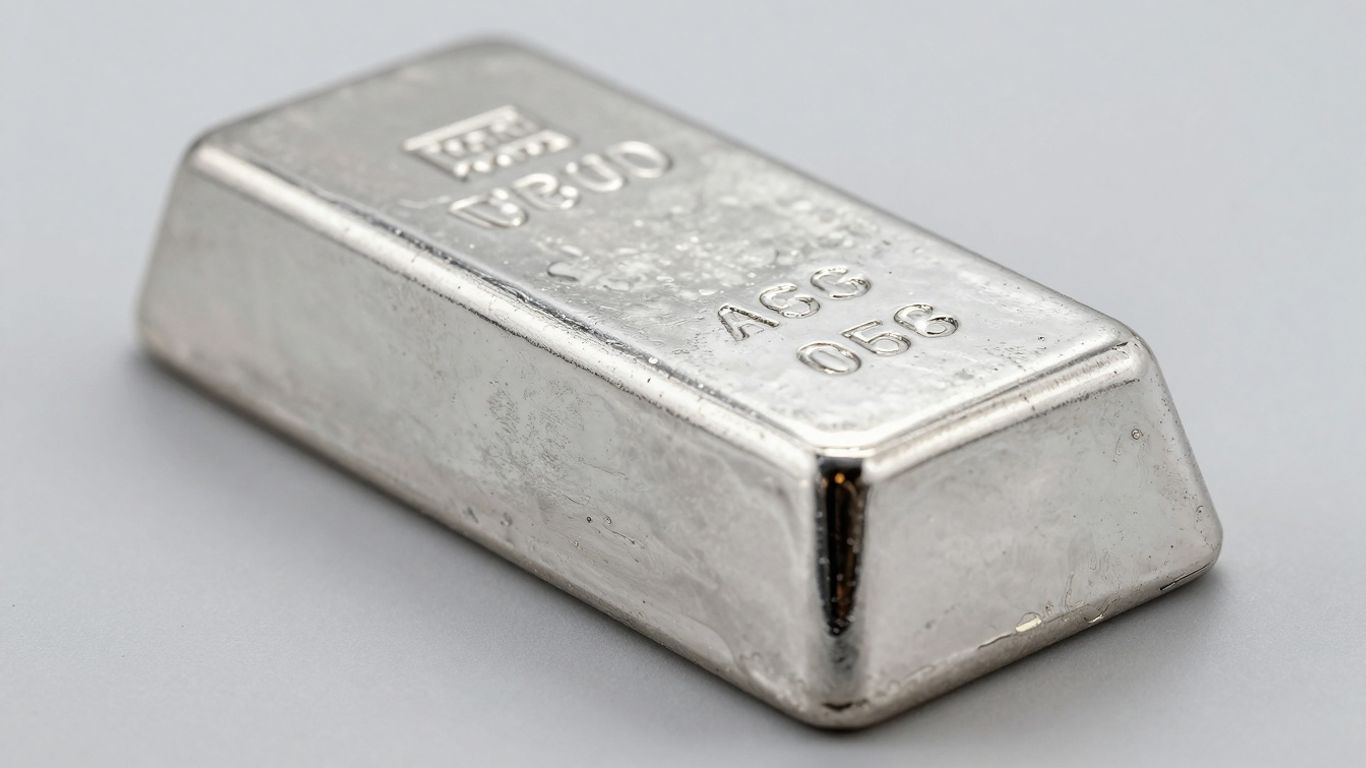
Most investment-grade silver bars are made of pure silver, meaning they have a purity of 999,9‰ (one thousandth). This means they contain almost entirely pure silver, with no strange alloys. This purity is extremely important for their value. Then there's the traceability. Each bar is often individually numbered and sealed in special packaging called a blister pack. This blister pack should never be opened if you want to preserve the investment value. It protects the bar and proves that it hasn't been tampered with since it was manufactured. This is how you know where the silver comes from and can be sure of its quality. It's a bit like buying a work of art with a certificate of authenticity; it gives you real security.
A Certificate of Authenticity for Your Peace of Mind
In addition to the gold bar itself and its sealed packaging, you always receive a certificate of authenticity. This small document is the official proof that your gold bar is indeed what it claims to be. It contains all the important information: the weight, the purity, the name of the manufacturer, a unique number that corresponds to the one engraved on the bar, and the refiner's signature. It's truly the icing on the cake for peace of mind. It allows you to know exactly what you own and greatly facilitates resale. It's the guarantee that you're investing in something real and solid, and that your money is well protected. It's a bit like having insurance for your investment; it allows you to sleep soundly, especially since gold is also a recognized safe-haven asset. for millennia.
| Characteristic | Details |
|---|---|
| Purity | 999,9‰ (Fine silver) |
| Certification | LBMA or equivalent |
| numbering | Unique per ingot |
| Wrapping | Sealed (tamper-evident blister pack) |
| Supporting document | Certificate of authenticity |
| Market recognition | International |
Having certified money ensures that the value you are buying is real and recognized. It's the foundation for building a solid and secure estate.
Money, a Safe Haven Against Uncertainty
When times get a little uncertain, we all look for something solid to rely on, right? Money is kind of like that. People have been using it to keep their money safe for millennia, and that hasn't really changed. It's not just a shiny metal; it's a bit like insurance for your wallet when the rest of the world is in turmoil.
A Natural Protection Against Inflation
You know, when prices go up and your money is worth less, that's inflation. Well, money tends to hold up well during those times. Unlike banknotes, which can lose value, physical cash retains its purchasing power. It's like putting your money in a safe that appreciates when other currencies lose value. That's why many people turn to physical money when they sense that inflation is coming.
A Solid Bulwark Against Economic Turbulence
The financial markets can be a rollercoaster. One day everything is fine, the next it's panic. Money, however, is less sensitive to these mood swings. It has intrinsic value; it truly exists. When the stock markets crash, money often tends to remain stable, or even appreciate in value. It's a bit like your rock in the economic storm.
Thinking of money as a safe haven is a bit like having comprehensive insurance for your savings. It won't make you rich overnight, but it can prevent you from losing everything when things go wrong.
Securing Your Assets for the Long Term
Ultimately, investing money is about thinking ahead. It's not just for next month, it's for 10 or 20 years from now. It's a way of telling yourself that, whatever happens, you'll have a portion of your wealth that will be there, secure. It's a peace of mind that few other investments can offer over the long term.
Diversify Your Savings with Silver
A Classic to Balance Your Portfolio
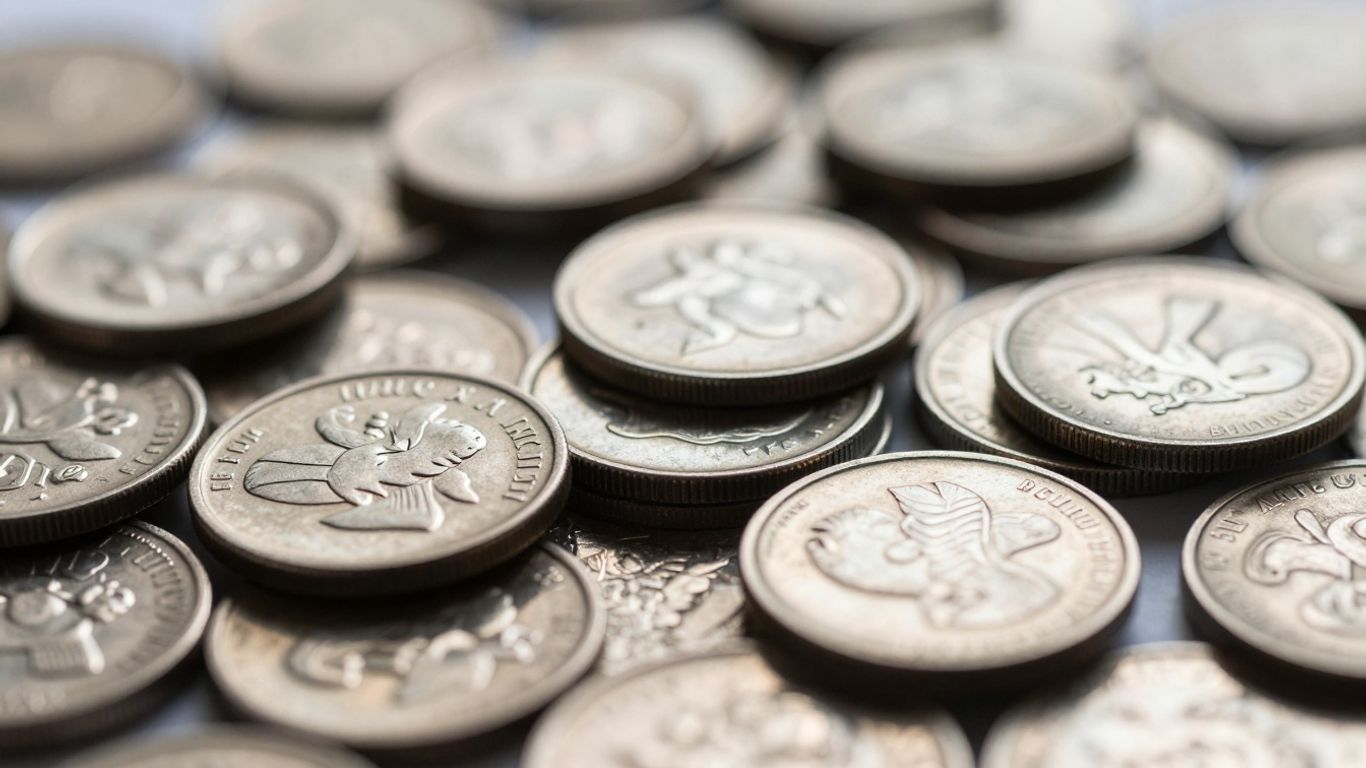
Honestly, putting all your eggs in one basket is never a great idea, right? Whether it's for investments or anything else. Money is a bit like the Swiss Army knife of diversification. It has the unique characteristic of being both a precious metal, a bit like gold, but also something incredibly useful in many industries. This gives it a kind of dual personality that can be really interesting for balancing a portfolio. When the financial markets are on a rollercoaster, having some physical cash can really help you keep a cool head. It's not just about speculation; it's a value that has proven itself for centuries.
A Tangible Asset Independent of Financial Markets
The cool thing about physical money is that you can touch it. It's not just numbers on a screen or promises on a piece of paper. When you buy a gold bar or a coin, you have something tangible in your hands. And that changes everything. It means its value doesn't depend directly on the whims of traders or the decisions of central banks. Of course, there's a price quote, but it's influenced by more fundamental factors, like industrial demand or mining supply. It's a kind of added security, a bit like having insurance for your savings. It allows you to sleep a little more soundly when the tide turns in the stock markets. It's a bit like having an anchor in a financial world that can sometimes be a little chaotic.
Preparing the Transfer of Your Assets
And then there's the question of inheritance. Silver, like gold, is a gift that transcends generations. It's tangible, easy to understand, and its value is universally recognized. When you leave an inheritance, you want it to be something solid, something that retains its value over time. Silver bars, with their guaranteed purity and certification, are perfect for this. They're not something that will go out of style or become obsolete. On the contrary, with ever-increasing industrial demand, silver even has interesting potential for the future. It's a way to pass on real value, a bit like a family heirloom that appreciates with age. It's a beautiful way to think about the future, and that of your loved ones.
Want to make your money more durable? Metal, like gold or silver, can be a great idea for diversify your savingsIt's a bit like having a treasure that retains its value. Think about it—it's a different way to make your money work for you. To learn more about how, visit our website!
So, shall we get started?
So, that's it. Silver isn't just something shiny; it's a real asset with a fascinating history and a promising future, especially with everything happening in industry. It's more accessible than gold, it resells well, and it has this dual appeal: a safe haven and an essential metal for many new technologies. So, if you're looking to add some tangible value to your savings, to make them more resilient to risks, physical silver is definitely worth serious consideration. It's not just a fad; it's a proven asset that continues to do so.
Frequently Asked Questions
Why is money considered a 'real asset'?
A real asset is something that has intrinsic value, like an object you can touch. Silver is the same: it's a precious metal you can physically own. Its value doesn't depend solely on a promise or a piece of paper; it comes from the metal itself. That's why it's called a real asset, because it has a concrete existence and intrinsic value, much like a house or a piece of land.
Has money always been used as money?
Yes, for a very, very long time! People were using money to buy things long before the coins and banknotes we know today. Ancient civilizations like the Greeks and Romans were already minting silver coins. It was a practical way to exchange goods and services. So, money has a long history as currency and as a way to store wealth.
Is the money just for making jewelry, or is it useful for something else?
Silver isn't just for jewelry! It's a crucial metal for many modern technologies. For example, it's found in solar panels that produce clean electricity, in phones and computers, and even in medical equipment. Because we need it more and more for these technologies, it helps maintain its value.
Is it difficult to buy silver?
No, not at all! Silver is cheaper than gold, so it's easier to buy even if you don't have a lot of money saved up. You can buy small quantities, like bars or coins. And when you want to sell it, it's quite simple because there are always people interested in silver.
How do I know if the silver I'm buying is good quality?
To be sure of the quality, you should check if the ingot or coin is certified. Internationally recognized ingots, such as those that meet LBMA standards (a kind of quality label), are guaranteed for their purity. They often come with a certificate proving they are indeed pure silver and that their origin is traceable. It's like having an identity card for your metal.
Why do we say that money is a 'safe haven'?
A safe haven asset is something that retains its value when the economy is struggling or when prices rise too high (inflation). Money is considered a safe haven asset because, even when things are bad, it generally maintains its purchasing power. It is less affected by economic problems than money in a bank account, for example. It's a way to protect your money in the long term.