
The Basics of Selling Legacy Gold Coins

What is a Legacy Gold Coin?
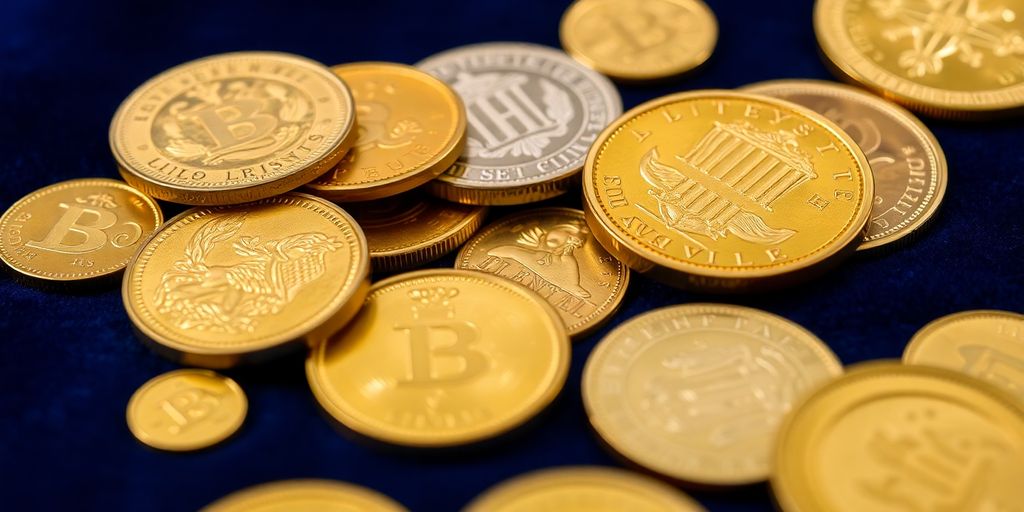
A inherited gold coin is a valuable possession that you receive from a deceased loved one. This can be collectible coins, bullion or even gold jewelry. These parts may have a sentimental and financial value , which is important.
Why Sell Before Sharing?
There are several reasons why one might want to sell these coins before sharing:
- Need money now for urgent expenses.
- Avoiding conflicts between heirs on the value of the pieces.
- Take advantage of a good price on the gold market, which can fluctuate.
The Risks of Premature Sale
Selling too early can carry risks, such as:
- Losing potential value if the price of gold increases.
- Tax difficulties if the sale is not well planned.
- Negative reactions other heirs who might feel aggrieved.
All in all, selling inherited gold coins may seem like a good idea, but it is crucial to think carefully about the consequences before making a decision.
Steps to Selling Legacy Gold Coins
Coin Value Assessment
Before you sell your gold coins, it’s crucial to know their value. Here’s how to do it:
- Have your coins professionally appraised to determine their purity and condition.
- Check out current courses gold to get an idea of the market price.
- Consider collectibles that may have added value.
Choosing the Right Time to Sell
Timing is key to maximizing your earnings. Here are some tips:
- Monitor fluctuations in the gold market.
- Sell when the price is high, ideally when prices are rising.
- Avoid selling during periods of significant decline.
Find a Trusted Buyer
Once you're ready to sell, it's important to find a reliable buyer. Here are some options:
- Sell to a professional : Jewelers or gold counters are often good options.
- Use online platforms : be sure to check the buyer's reviews and reputation.
- Consult the experts to help you negotiate the best price.
In summary, selling inherited gold coins requires good preparation. Correctly assessing their value and choosing the right time are key steps to a successful sale.
Taxation Related to the Sale of Inherited Gold Coins
Taxes to Consider
When you sell inherited gold coins, there are taxes to consider. The precious metals tax (TMP) is 11,5% of the sale price. Here's what you need to know:
- 11% tax on precious metals.
- 0,5% CRDS (contribution for the repayment of social debt).
- This tax is collected directly upon sale.
Tax Declaration
Don't panic! In general, you don't have to declare anything to the tax authorities for the sale of gold. However, if you choose to opt for the capital gains tax (CGT), which is 36,2%, you will have to justify the price and the date of acquisition. To do this, keep your invoices!
Tips for Optimizing Taxation
To avoid surprises, here are some tips:
- Keep the invoices purchase to prove the date of acquisition.
- Wait 22 years for a total exemption from capital gains.
- Declare donations if you plan to give coins to relatives, as this may affect taxation.
Basically, selling inherited gold coins can be simple, but you have to be careful about the tax aspects. A good tip is to consult an expert to avoid mistakes!
Highlight
Gold as a movable asset, is included in the estateThe notary plays an essential role in managing the inventory and advising the heirs on tax aspects.
Alternatives to Selling Legacy Gold Coins
Conserve Coins for Future Value
Keeping your gold coins can be a good idea. Gold tends to increase in value over time. By holding on to them, you may be able to get a better price in the future. Here are some reasons to hold on to your coins:
- Historical value : Some pieces may have collector's value.
- Long term investment : Gold is often considered a safe haven.
- Family heritage : Passing these pieces on to your children can have sentimental value.
Give the Coins to a Loved One
If you don't want to sell, why not make a donation? This can strengthen family ties. Consider:
- Give to a child or grandchild : This can be a nice gesture to mark a special event.
- Donate to charity : This can help those in need while allowing you to get rid of your coins.
- Passing on a legacy : This can be a great way to share your family history.
Using Coins as Collateral
Another option is to use your gold coins as collateral for a loan. This can help you get funds without selling your assets. Here's how it works:
- Assess the value of coins : Make sure you know their market value.
- Find a lender : Look for institutions that accept gold as collateral.
- Negotiate terms : Make sure you understand the terms of the loan.
Ultimately, each option has its benefits. Think carefully about what is best for you and your family. Don't rush into a decision.
Practical Tips for Selling Heirloom Gold Coins
Avoid Scams
To sell your gold coins, it is crucial to to remain vigilant. Here are a few tips :
- Do some research on current gold prices.
- Compare offers from multiple buyers.
- Don't give in under pressure from a buyer in a hurry.
Understanding the Gold Market
Before selling, it is important to understand the market. Here are some points to consider:
- Follow the trends gold prices.
- Identify the periods where demand is high.
- Learn on the types of parts that sell best.
Call an Expert
If you are unsure about the value of your coins, do not hesitate to consult an expert. This can help you:
- Get a accurate assessment.
- Avoid underestimate your property.
- Receive advice on the best way to sell.
In summary, selling inherited gold coins can be a tricky process. Take the time to educate yourself and surround yourself with the right people to maximize your profits.
The Consequences of Selling Inherited Gold Coins
Impact on Global Heritage
Selling inherited gold coins can have a significant impact on the overall legacy. Here are some points to consider:
- Reduction in the total value of the inheritance if the pieces are sold at a price lower than their real value.
- Possibility of conflicts between heirs if some wish to keep the documents.
- The funds obtained can be used for other investments or expenses, but this can also create tensions.
Reactions of the Other Heirs
The sale may provoke various reactions among the other heirs. Here are some examples:
- Frustration if some heirs believe that the sale was not necessary.
- Conflicts if the decision to sell has not been discussed in advance.
- Relief if the sale allows debts or costs related to the estate to be settled.
Management of Funds Obtained
Once the coins are sold, it is crucial to manage the funds obtained well. Here are some tips:
- Establish a budget to avoid impulse spending.
- Consult a financial expert to optimize the use of funds.
- Reinvest part of the profits to ensure future growth.
In short, selling inherited gold coins may seem like a good idea, but it is essential to carefully consider the consequences on inheritance and family relationships. Communication is key to avoiding misunderstandings and conflicts.
Selling inherited gold coins can have a significant impact on your wealth. Before making a decision, it is essential to understand the financial and emotional implications. Learn more about selling your gold items and get a free estimate, visit our site. Don't let your inheritance go to waste, act now!
Conclusion
Basically, selling inherited gold coins before the division is a bit like walking on eggshells. On the one hand, it may seem tempting to make a quick buck, but on the other hand, there are rules to follow. If you really want to sell, make sure you are on the same page with the other heirs. Otherwise, you may find yourself in a complicated situation. And don't forget, there are taxes to take into account! So, before you start, take the time to think carefully and, if necessary, seek advice from a professional. It could save you a lot of hassle!