

In a world where financial security is paramount, many people are wondering: Where should they hide or store their physical cash at home? Whether for precautionary reasons or simply to have an emergency stash, finding safe and discreet hiding places is essential. This article offers practical ideas for protecting your money while avoiding the risks associated with improper storage.
Key points
- Avoid obvious places like kitchen drawers.
- Use everyday objects to hide your money, such as books or toys.
- Consider unexpected hiding places, such as behind appliances.
- Spread your money out in several locations to minimize loss in case of theft.
- Make sure your hiding places are safe from moisture and fire.
Choose discreet hiding places
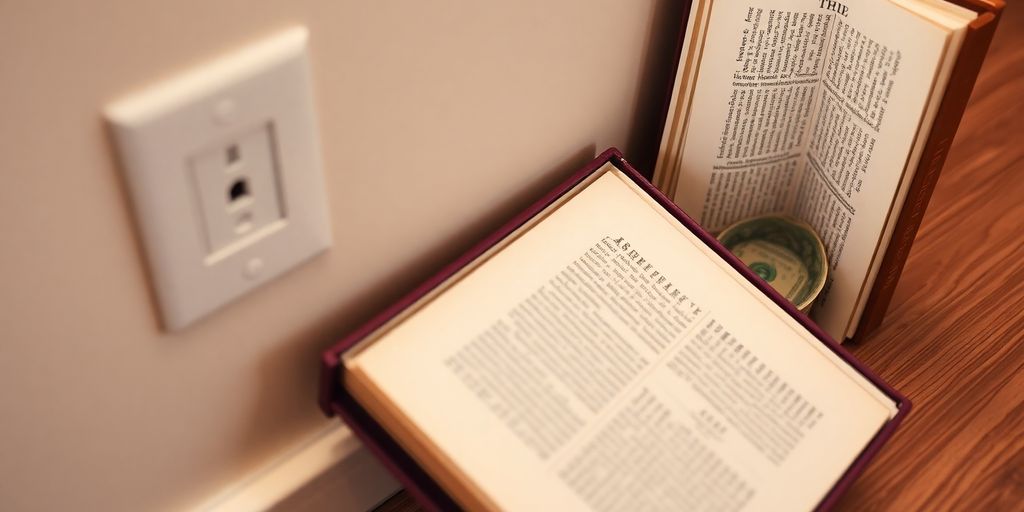
Finding the perfect place to hide your money at home requires some thought. The idea is to thwart potential burglars, but also to prevent your loved ones from accidentally stumbling upon it. We don't want to forget that either, let's be honest!
Avoid living spaces
Forget obvious places like nightstands, dresser drawers, or living room shelves. These are the first places a burglar will look. Favor less frequented and less obvious areas. Consider attics, basements, or even rarely used rooms. The goal is to choose a location that isn't immediately associated with valuables.
Use everyday objects
Transform ordinary objects into ingenious hiding places. An old hollowed-out book, a tin can labeled with innocuous contents (like,
Use secure containers
When you think about hiding money at home, the idea of using secure containers comes to mind pretty quickly. But be careful, it's not just about grabbing an old shoebox! You really need to think about what offers the most protection against theft, moisture, and even fire. We'll explore a few options, from the most classic to the most original, to help you make the right choice.
Home Safes
The safe is a bit of a classic. It is the most secure solution for storing your gold at home. But there are safes and safes. A small, low-end model will be easy for a burglar to steal. It's better to invest in an approved model with good fire and burglary resistance.
There are different types of locks: key, electronic code, combination. Combination locks are often considered the most secure. Also consider insurance: the type of safe will influence the contract.
It's crucial to securely secure your safe to the floor or wall. Some insurance policies only cover sealed safes. Have your belongings appraised and report any additional costs to your insurance.
Where should you install your safe? Avoid bedrooms and bathrooms, which are prime targets for burglaries. Choose less-frequented rooms, away from pipes to avoid unpleasant surprises in the event of a leak. In short, choose a discreet and difficult-to-access location.
Sealed bags for protection
Sealed bags are a simple and economical option for protecting your bills and coins from moisture and dust. This is particularly useful if you plan to hide your money in slightly exposed areas, such as the garden or behind a household appliance. These bags are numbered to ensure the traceability of your purchase. sealed bag serves to protect gold coins and ensure their good condition.
Airtight containers
For maximum protection against moisture, airtight containers are your best friends. Plastic boxes with a leak-proof seal, glass jars with screw-on lids… The idea is to create an impenetrable barrier against water. This is essential if you're burying your money in the garden or hiding it in a damp place like a cellar. Make sure the container is sturdy enough to withstand the pressure of the earth or possible shocks.
Hiding in unusual places
We all have places in our homes where we'd never put money. That's exactly where you need to look! The idea is to outwit burglars. They'll look in the usual places, so you might as well be smarter.
Behind household appliances
Fridge, washing machine, oven... These behemoths are rarely moved during a burglary. Slipping an envelope behind it is an option to consider. Just make sure the area is dry and that the casing won't fall off when the appliance vibrates. Or consider the inside of an old, unplugged microwave hidden deep in a cupboard. No one will check!
In books or toys
An old encyclopedia forgotten on a shelf? Perfect! Dig a compartment inside and hide your money there. Or, among the children's toys. Who would think to rummage through the toy box? The important thing is to choose a book or toy that is no longer used, to avoid moving it too often and attracting attention. Be careful, if you have young children, avoid this option; they might find your hiding place.
Under furniture
The underside of a sofa, dresser, or coffee table can serve as an impromptu hiding place. Secure a small box or envelope with strong tape. Make sure it's discreet and can't be easily seen when bending over. This is a quick and easy solution, ideal for small amounts of money. Remember to check regularly that the tape is still in place. For added security, you might consider investing in aphysical gold as a solution to protect your savings.
The trick is to think like a burglar. Where would they look first? Avoid these places and focus on originality. The more unexpected the hiding place, the more likely it is to go unnoticed.
Store in the garden
The idea of burying your valuables in the garden may sound like something out of a movie, but it's still an option worth considering, especially if you have a large outdoor space. However, it's crucial to take certain precautions to avoid unpleasant surprises. Moisture, corrosion, and metal detectors are your main enemies.
Bury in watertight containers
This is the basis. Never bury anything directly in the ground. Moisture is relentless. Use hard plastic containers with rubber seals, or better yet, metal containers specifically designed for burial. Make sure the lid is screwed on tightly and possibly sealed with waterproof tape. You can even add a silica gel sachet inside to absorb any residual moisture. Also consider the size of the container: the larger it is, the more difficult it will be to handle and conceal.
Use natural hiding places
Don't just bury your container in the middle of the lawn. Use natural elements to camouflage your hiding place. A flower bed, the base of a tree, or even a vegetable garden can work. The idea is to make the location discreet and unlikely to attract attention. Avoid areas that are frequently trampled or worked. You can even create faux landscaping to conceal your treasure. Consider taking photos of the exact spot so you can remember its precise location.
Take precautions against humidity
Moisture is the main danger for anything buried. Even with a waterproof container, it's important to take extra precautions. Wrap your belongings in plastic, use desiccant packets, and choose a well-drained spot in your yard. Avoid low areas where water tends to pool. You can also raise your container slightly by placing it on a layer of gravel at the bottom of the hole. Check the condition of your hiding place regularly, especially after heavy rains. If you're storing gold, consider: the importance of precautionary savings to protect your property.
An additional tip is to bury a decoy near your actual hiding place. An old, empty chest or a container filled with rocks can deter a potential burglar from searching further. The important thing is to make the task difficult and discouraging.
Here is a comparative table of the different types of containers for burial:
| Container type | Benefits | Drawbacks | Approximate cost |
|---|---|---|---|
| Hard plastic | Lightweight, waterproof, shock resistant | May degrade over time, sensitive to UV | 10-30 € |
| Metal (stainless steel) | Very strong, durable, waterproof | Heavier, can rust if poorly maintained | 30-50 € |
| Specialized container for landfill | Specifically designed to withstand humidity and temperature variations | More expensive, may attract attention | 50-100 € |
Spread the money across multiple locations
It's a simple but effective strategy. Instead of putting all your eggs in one basket, spread your money out among different hiding places. This greatly reduces the risk of losing your entire savings if a hiding place is discovered by a burglar or even an overly curious family member. Consider a variety of locations, both inside and outside your home, for increased security.
Diversify hiding places
Diversification is key. Don't settle for just two or three places. The more hiding places you have, the harder it is for anyone to find all your money. Think about obvious places, but also some much more unusual ones. The idea is to create a network of hiding places that will make it difficult for anyone trying to get their hands on your savings. Don't be afraid to use everyday objects like original hiding places.
Avoid putting everything in the same place
This is the basic principle of diversification. Never, ever store all of your money in one hiding place. Imagine the disaster if this hiding place is discovered! By spreading your funds, you minimize potential losses and ensure you always have access to some of your savings, even in the event of a problem.
Use temporary hiding places
Temporary hiding places can be very useful, especially if you need regular access to your money. These can be places that are easy to access, but not obvious to a thief. The important thing is not to use them for too long, as they can become predictable. Change your temporary hiding places regularly to maintain optimal security. Consider places like shoe boxes, flower pots, or even pockets of clothing you rarely wear.
Dividing up your money is a bit like having a Plan B, a Plan C, and even a Plan D. You never know what might happen, and it's best to be prepared for every eventuality. It's a simple strategy, but it can make all the difference if something goes wrong.
Keep money safe
It's crucial to take steps to protect your cash once it's hidden. The goal is to minimize the risk of damage and loss.
Avoid exposure to moisture
Moisture is cash's number one enemy. It can cause mold, discoloration, and even paper disintegration. Here are some tips to prevent this:
- Use silica gel packets: These small packets absorb moisture and can be placed in your hiding places.
- Wrap the money in plastic: A sealed plastic bag or plastic wrap can provide a moisture barrier.
- Choose dry locations: Avoid damp basements, bathrooms, and kitchens.
Protect against fires
Although the idea is to hide the money, it is important not to place it in places where it could be exposed to high temperatures or flames. A fireproof safe is a great option. If you don't have a safe, here are some tips:
- Avoid hiding money near heat sources: Radiators, fireplaces, ovens, etc.
- Use fire-resistant containers: Although not completely fireproof, some containers can provide additional protection.
- Spread the money out: Don't put all your money in one place. If a fire breaks out, you won't lose everything.
Ensure good ventilation
Even if you protect your silver from moisture, it's important to ensure there's some ventilation. A completely sealed environment can encourage mold growth if moisture gets in.
Consider using boxes or containers that allow some air circulation while still providing protection from the elements. Check your silver regularly for signs of deterioration. If you notice any problems, take corrective action immediately.
Here is a comparative table of protection methods:
| Protection Method | Benefits | Drawbacks |
|---|---|---|
| Silica gel sachets | Moisture absorption, easy to use | Requires regular replacement, limited capacity |
| Plastic bags | Inexpensive moisture barrier | May trap moisture if already present, no fire protection |
| Fireproof safe | Protection against fire and theft, increased security | High cost, requires space |
| Ventilation | Prevents mold, easy to implement | Offers little protection against moisture or fire |
By taking these precautions, you can significantly increase the lifespan of your cash and minimize the risk of loss. Remember to check your hiding places regularly and adapt your protection methods according to the environment. If you plan to sell ingots or coins quickly, make sure they are in good condition.
Assessing home storage risks
Storing money at home may seem practical, but it's essential to carefully consider the risks. We're not just talking about the risk of theft, but also about accidents that can happen. You need to be realistic and ask yourself the right questions before making a decision.
Risks of burglary
The risk of burglary is obviously the first thing that comes to mind. Even with the best hiding places, there's always a risk that a burglar will eventually find your money. Experienced burglars are familiar with classic hiding places and are increasingly equipped to detect hidden valuables. Therefore, it is important not to underestimate this risk and to take appropriate security measures, such as installing an alarm system.
Consider domestic accidents
Beyond theft, you also need to consider household accidents. A fire, flood, or even a simple water leak can damage or destroy your money. That's why it's crucial to choose waterproof, fire-resistant containers and store your money in a safe place away from moisture and heat sources. Also, consider the possibility that someone else might accidentally find your stash, especially if you have children.
Insurance for hidden assets
Home insurance generally covers stolen or damaged property, but it's important to check the terms of your policy. Insurance companies often have reimbursement limits for cash, and it can be difficult to prove the exact value of what was stolen or destroyed. Additionally, some insurance companies may refuse to cover hidden property if they believe security measures were insufficient. Therefore, it's essential to read your policy carefully and contact your insurer to clarify the terms of coverage. If you're storing gold, it's important to check whether your gold coins are covered.
It's important to remember that storing money at home is never risk-free. Therefore, you should carefully weigh the pros and cons and take appropriate security measures to minimize risks. If you're unsure about keeping your money safe at home, it may be better to consider professional storage solutions, such as a bank safe.
Invest in professional storage solutions
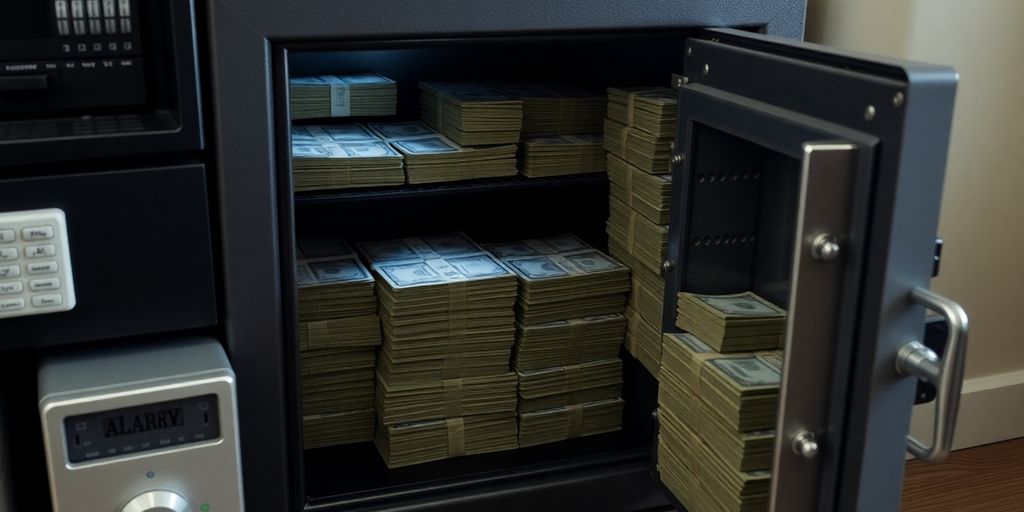
If the idea of hiding your money at home stresses you out, or if the amounts involved are significant, there are professional alternatives. These solutions offer increased security and significant peace of mind. You can feel more at ease knowing that experts are taking care of the gold security.
Bank safes
Renting a safe deposit box from a bank is a classic option. You store your valuables in it, and only you (or those you authorize) can access it. However, it's important to note that banks aren't always responsible for the contents of safes in the event of theft or damage. Additionally, access may be limited to bank opening hours. It's also important to note that renting a safe deposit box comes at a cost, which varies depending on the size of the safe and the bank's policy.
Secure storage companies
Another option is to use companies that specialize in the secure storage of valuables. These companies, often called private vaults, offer ultra-secure facilities, with 24-hour surveillance, strict access control and comprehensive insurance. These companies offer innovative solutions. The advantage is maximum security and complete discretion. They can also offer additional services, such as regular inventory of your belongings or the ability to easily sell them. The cost is generally higher than a bank safe, but the security is enhanced.
Assistance with asset management
Some companies don't just store your assets; they also offer asset management assistance. This can include investment advice, precious metal management, or even the ability to use them as collateral for a loan. These services are particularly useful if you have significant amounts of money and want to optimize your wealth management.
It's important to carefully assess your needs and compare different options before making a decision. Don't hesitate to request quotes and inquire about the guarantees offered by each provider. The security of your money deserves a thoughtful investment.
Investing in professional storage solutions is essential to secure your belongings. Whether it's for important documents or valuables, a good storage system protects you against loss. Don't wait any longer to secure your assets! Visit our website to discover our storage options tailored to your needs.
Conclusion
In summary, hiding or storing your money at home requires some thought. It's essential to choose discreet and secure locations to avoid loss in the event of theft or accident. Whether in a safe, in everyday objects, or in unexpected hiding places, the important thing is to keep in mind that the security of your money must come first. Also, consider diversifying your hiding places to reduce risks. Ultimately, while keeping money at home may seem convenient, it's often safer to place it in a financial institution. Take the time to carefully consider your options and remain vigilant.
Frequently Asked Questions
What are the best places to hide money at home?
It's recommended to choose places with low traffic, such as behind appliances, among books or toys. Avoid busy areas like the living room or bedroom.
How to protect hidden money from moisture?
Use airtight bags to keep your money safe from moisture. You can also store money in waterproof containers, especially if you're hiding it in the garden.
Is it safe to hide money at home?
Hiding money at home poses risks, especially in the event of a burglary or fire. It's best to keep only a small amount on hand.
Why is it important to spread your money across several places?
Distributing your money in different locations reduces the risk of losing everything in the event of theft or an accident. It also allows you to access your money even if you forget a hiding place.
How to keep money safe?
Make sure your money is protected from moisture and heat. Use suitable containers and avoid leaving it in plain sight.
What precautions should be taken when hiding money in the garden?
If you decide to bury money, use waterproof containers and choose a location away from moisture. Be sure to mark the location carefully so you don't forget where you hid it.
