
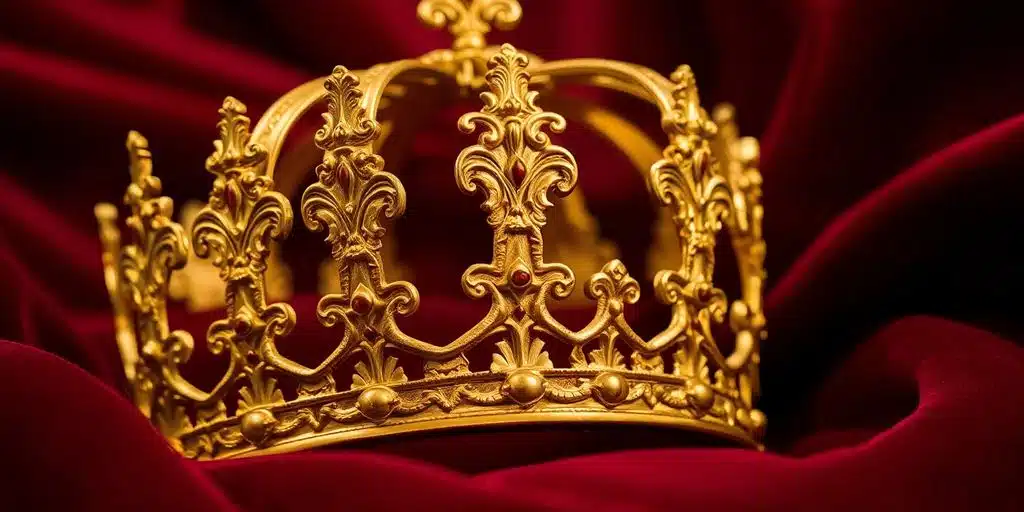
Gold has always been more than just a precious metal. Throughout the ages, it has symbolized power, wealth, and spirituality. This article explores its fascinating history and the many meanings it has held across different cultures and eras. We’ll explore how gold has been used from ancient times to the present day, and why it remains a powerful symbol in our modern society.
Key points
- Gold has been used in the manufacture of jewelry and coins since ancient times.
- The Lydian kings created the first gold coins in the 8th century BC.
- In the Middle Ages, gold was often associated with religious ceremonies and royalty.
- The gold rush transformed the perception of the metal, linking it to the quest for material wealth.
- Today, gold is considered a safe haven in investments.
Gold in Antiquity
The First Uses of Gold
Gold has always fascinated humanity. Since prehistory, it was used to create valuable objects and ornaments. The first traces of the use of gold date back to around 7000 BC in Europe, where gold jewelry was discovered in tombs. It is a metal that has survived the ages, and its shine has always attracted attention.
Gold in Egyptian and Greek Civilizations
In Egypt, gold was considered a symbol of power and divinity. Pharaohs wore gold jewelry to show their wealth and status. In Greece, gold took on another dimension with the appearance of the first coins. The Lydians, for example, were the first to mint gold coins in the 8th century BC. This helped standardize trade and strengthen economic power.
The Gold Coinage of the Lydian Kings
Lydian kings, like Croesus, played a key role in the history of gold. They created gold and silver coins, called electrum, which were widely accepted in trade. These coins were not only a means of exchange, but also a symbol of wealth. Here is a small table to help you understand:
| King | Currency | Era |
|---|---|---|
| Croesus | Electrum parts | 8th century BC |
| Lydie | Standardized currency | 8th century BC |
Gold has always been more than just a metal; it has represented power, wealth and divinity throughout the ages.
In summary, gold played a fundamental role in ancient societies, both economically and symbolically. Owning gold was synonymous with power and prestige, and this remains true even today. Let us not forget that the 10g gold bar is a secure investment, often considered a safe investment in the modern world.
Gold in the Middle Ages
Gold and Kings
Gold has always been a symbol of power, especially in the Middle Ages. Kings and Lords used it to display their wealth and authority. Owning gold was a way to distinguish oneself and reinforce one's status. Armies were often paid in gold, making it a valuable metal for governments.
Gold Ingots
Gold bars began to be used to store wealth. Here are some key points:
- Safety : Bullion was safer to store than coins.
- Exchange : They facilitated important transactions.
- Investments : Nobles hoarded bullion to secure their wealth.
Gold in Religious Ceremonies
Gold also had an important place in religious ceremonies. It was used to create sacred objects, such as chalices and crosses. gold symbolized purity and divinity, which made it essential in religious rites.
In short, gold in the Middle Ages was not only a precious metal, but a true symbol of power and wealth, both politically and spiritually.
| Use of Gold | Description |
|---|---|
| King and Nobility | Symbol of power and wealth |
| Transactions | Facilitates important exchanges |
| Religious | Sacred objects and ceremonies |
Gold in the Renaissance
Gold and the Great Discoveries
During the Renaissance, gold became a real driving force for great discoveriesExplorers, such as Christopher Columbus, sought lands rich in gold. Gold was synonymous with power and wealth, and nations competed to get as much of it as possible. The Spanish conquistadors, for example, plundered the Aztec and Inca empires, bringing back huge amounts of gold to Europe.
Gold in Art and Culture
Gold also played a crucial role in the art and culture of this time. Artists used gold to embellish their works, whether in painting, sculpture, or architecture. Here are some examples:
- Paintings : Gilding was common in the works of masters such as Leonardo da Vinci.
- Sculptures : Statues were often covered in gold to symbolize divinity.
- Brand : Buildings like St. Peter's Basilica in Rome are adorned with gold, reflecting the wealth of the Church.
Gold as a Symbol of Power
Gold became a symbol of power, not only for kings and queens, but also for merchants and bankers. Gold coins, such as the louis d'or, were used for transactions and represented the wealth of a country. Governments began minting gold coins to stabilize their economies.
Gold, at that time, was not only a precious metal, but a true symbol of status and power.
In short, gold in the Renaissance was much more than just a metal. It was at the heart of discovery, art, and economic power, shaping the history of this fascinating period.
Gold and the Gold Rush
The California Gold Rush
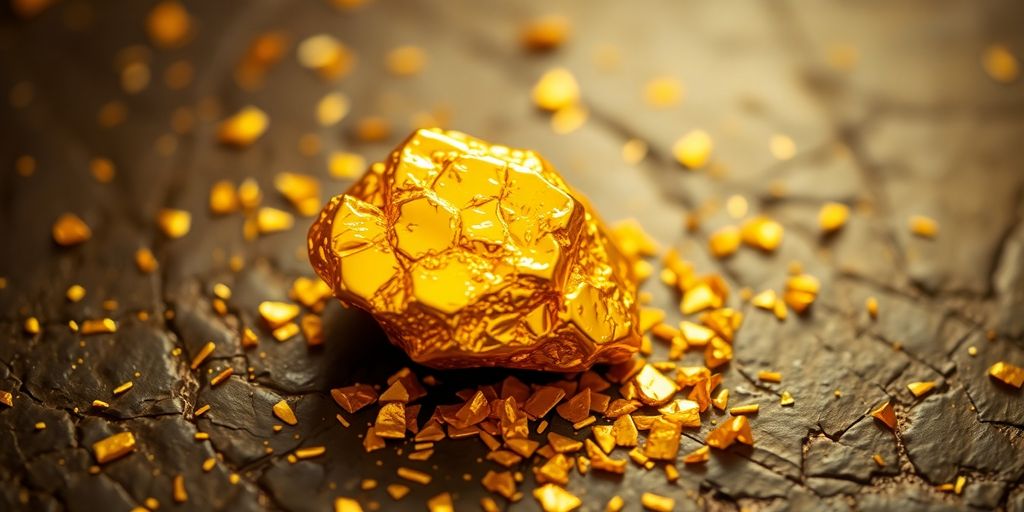
The California Gold Rush began in 1848 and attracted thousands of people. It was a real phenomenon! People came from everywhere, hoping to strike gold and become rich overnight. Cities like San Francisco exploded in size and population. Here are some highlights:
- About 300 people migrated to California.
- The gold seekers were called "49ers."
- The discovery of gold was made at Sutter's Mill.
The Economic Consequences
The Gold Rush had enormous economic impacts. It not only made individuals rich, but also transformed the American economy. Here are some of the consequences:
- Growth of cities : Many cities have emerged.
- Infrastructure development : Roads, railways and services have been improved.
- Inflation : The influx of gold caused prices to rise.
Gold and Dreams of Wealth
For many, gold represented a dream. Stories of those who struck it rich circulated, and this encouraged even more people to try their luck. Gold was synonymous of success and power. However, there were also stories of disappointment and loss. Many lost everything in the search for gold, but the lure of wealth was too strong.
Gold has always been a symbol of power and wealth, but it can also be a trap for those who are not careful.
Gold in Modern Times
Gold as a Safe Haven
Gold has always been considered a safe investment. In times of economic crisis, Investors turn to gold to protect their assets. It's a bit like a shield against financial storms. When the stock markets crash, the Gold prices tends to climb, making it a safe choice for many.
Gold and Central Banks
Central banks around the world hold huge gold reserves. Here's a look at the situation:
| Country | Gold Reserves (tons) |
|---|---|
| USA | 8,133 |
| Germany | 3,366 |
| Italy | 2,451 |
| France | 2,436 |
| Russia | 2,298 |
These reserves are essential to stabilize economies and strengthen confidence in national currencies.
Gold in Investment
Investing in gold has become very popular. Here are some reasons why people choose to buy gold:
- Safety : Gold is a tangible asset that cannot be devalued like a currency.
- Scarcity : Gold is a precious metal, and its rarity contributes to its value.
- Protection against inflation : Gold tends to retain its value even when prices rise.
Gold is more than just a metal; it has been a symbol of wealth and power throughout the ages. Its rarity and beauty make it a preferred choice for those looking to secure their financial future.
In short, gold continues to play a crucial role in the modern economy, both for investors and central banks. Whether it is to protect one's wealth or to diversify one's investments, gold remains an essential choice.
Religious Symbols of Gold
Gold in the Bible
Gold is often mentioned in the Bible, where it symbolizes the purity and holiness. For example, in the episode of the Golden Calf, it is used to create an idol, which shows its ambivalent side. Here are some examples of its use:
- The interior of Solomon's Temple is entirely covered in gold, representing the greatness of God.
- The Magi offer gold to Jesus, symbolizing royalty.
- In the Book of Revelation, the heavenly Jerusalem is described as being made of pure gold.
Gold in Buddhism
In Buddhism, gold is a symbol of enlightenment. It represents divine light and spiritual transformation. Buddha statues are often gilded, emphasizing their sacred importance. Gold is therefore a means of getting closer to the divine.
Gold and Religious Ceremonies
Gold is also present in many religious ceremonies. It is used to create liturgical objects, such as chalices and crosses, which are often adorned with gold. This reinforces the idea that gold is a symbol of sacredness and spiritual power.
In summary, gold is a metal that transcends cultures and religions, representing both material wealth and spiritual wealth. It is a symbol of power and divine light.
Gold in Popular Culture
Gold in Films and Literature
Gold has always been a fascinating element in movies and books. Whether in stories of pirates searching for treasure or in tales of conquest, gold symbolizes wealth and adventure. Famous gold coins throughout history such as the Krugerrand or the double eagle are often featured, capturing the imagination of viewers and readers.
Songs About Gold
Gold also inspires many songs. Artists talk about gold as a symbol of success or desire. Here are some examples of popular titles:
- "Gold" by Imagine Dragons
- "Gold Digger" by Kanye West
- "Heart of Gold" by Neil Young
Gold and the Olympic Games
Gold is the metal of champions! Gold medals at the Olympic Games represent the pinnacle of sporting achievement. Athletes dream of winning this precious medal, a symbol of their hard work and dedication. Gold is more than a metal, it's a dream!
Gold, in popular culture, is a symbol of power, wealth and success. It spans the ages and remains anchored in our collective imagination.
Gold and Alchemy
Alchemy and the Transformation of Gold
Alchemy is a bit like metal magic! Alchemists sought to transform common metals, such as lead, into gold. Gold is considered the perfect metal, representing purity and perfection. For them, this transformation was not only material, but also spiritual. They believed that by transforming metal, they could also transform their own soul.
The Alchemical Symbols of Gold
In the world of alchemy, gold is often associated with the sun. It symbolizes light, wisdom, and knowledge. Here are some important symbols related to gold:
- The circle : representing unity and perfection.
- The triangle : symbolizing spiritual elevation.
- Le serpent : representing transformation and renewal.
Gold and the Quest for Perfection
The quest for gold in alchemy is also a metaphor for the search for self. Alchemists believed that in order to attain wisdom, one must first know oneself. They said that gold was hidden deep within each of us, and that one must tear away the veils of ignorance to discover it. Basically, gold is a symbol of what we can become if we work on ourselves.
Gold is more than a precious metal; it is a symbol of transformation and spiritual quest.
Conclusion
In summary, gold in alchemy is not just a metal, but a powerful symbol of personal transformation and the quest for perfection. It's fascinating to see how a simple metal can have so many meanings!
Gold and Science
The Physical Properties of Gold
Gold is a fascinating metal with unique characteristics. It is unalterable, which means it does not rust or oxidize. Here are some of its properties:
- High density : Gold is very heavy, which makes it precious.
- Malleability : It can be shaped easily without breaking it.
- Conductivity : It conducts electricity well, which is great for electronics.
Gold in Modern Technology
Gold is used in many modern devices. For example:
- Smartphones : For electrical connections.
- computers : In printed circuits.
- Medicine : For certain treatments and equipment.
Scientific Discoveries About Gold
Scientists continue to study gold to discover new applications for it. For example, research shows that gold can be used to treat certain diseases. In addition, it is often considered a safe investment in times of economic uncertainty because it retains its value.
Gold is more than just a metal; it is a symbol of wealth and power, but also a valuable tool in science and technology.
Conclusion
In short, gold is not only a symbol of wealth, but also an essential element in the modern world. Its safe investment and its unique properties make it a highly sought-after metal in various fields.
Gold and the World Economy
Gold as Currency
Gold has always been a symbol of wealth and power. It has been used as a currency for centuries. The first gold coins were minted by the Lydian kings in the 8th century BC and were quickly adopted by other civilizations. Here are some key points:
- Money change : Gold facilitated trade between nations.
- Store of value : People started storing gold to protect their wealth.
- Inflation : In times of inflation, gold is often considered a safe investment.
Gold Reserves of Countries
Gold reserves of countries play a crucial role in the global economy. Here is a table that shows the countries with the largest gold reserves:
| Country | Gold Reserves (tons) |
|---|---|
| USA | 8,133 |
| Germany | 3,366 |
| Italy | 2,451 |
| France | 2,436 |
| Russia | 2,298 |
Gold and Economic Crises
Gold is often seen as a refuge in times of crisis. In times of economic turmoil, demand for gold increases as investors seek to protect their wealth. Gold is a key asset influenced by economic and geopolitical factors. In times of crisis, such as international conflicts or trade tensions, demand for gold increases, making it a safe haven. The strength of the US dollar also impacts its price, with a weak dollar making gold more attractive to investors.
In summary, gold remains a pillar of the global economy, both as a currency and as a symbol of wealth and power.
Gold and Art
Gold in Painting
Gold has always been a popular material in painting. Artists like Gustav Klimt used gold leaf to give a unique touch to their works. For example, in "The Kiss", gold creates an atmosphere of luxury and mystery.
Gold in Sculpture
In the world of sculpture, gold has been used to create impressive pieces. Contemporary artists like Jeff Koons have even created gold sculptures, such as the one of Michael Jackson, which caused a sensation in the 80s.
Gold in Architecture
Gold is not just for paintings and sculptures. It is also found in architecture. Famous monuments, such as the Dome of the Rock in Jerusalem, shine thanks to their gold coating. This shows how gold can transform a building into a symbol of power and wealth.
Gold is more than a metal; it is a symbol of luxury and power that has stood the test of time.
Various Uses of Gold
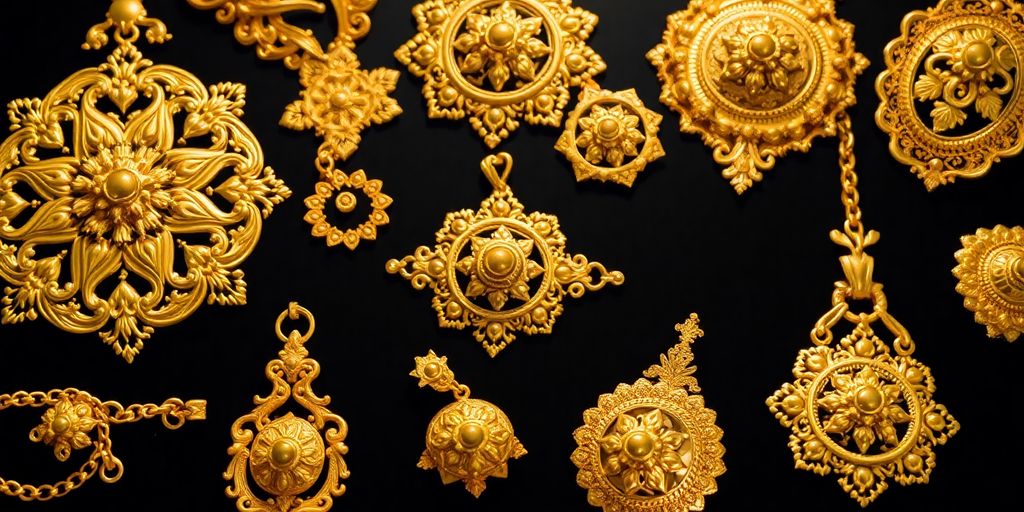
- Jewelry : Gold is often used to create beautiful jewelry.
- Art : Gold utensils and decorations are present in many cultures.
- monuments : Gold is used to embellish buildings and statues, adding a touch of grandeur.
Conclusion
Gold has always had a special place in art. Whether in painting, sculpture or architecture, it continues to inspire and fascinate. It is a true symbol of power and wealth. which never goes out of style.
Art and gold meet in a fascinating world where beauty and value mingle. If you want to discover how invest in gold or sell your jewelry, visit our site for more information. Don't miss this chance to secure your financial future!
Conclusion
Basically, gold has always been more than just a metal. It has been a true symbol of power and wealth throughout the ages. Whether it was for ancient kings or for today’s investors, gold has kept its place. It represents not only material wealth, but also a certain form of security and prestige. So, whether you are a history buff or just curious, remember that gold is a bit like a link between the past and the present. It is a metal that shines, not only physically, but also symbolically.
